
Colombian Senator Miguel Uribe Dies Following Campaign Rally Shooting

In This Article
HIGHLIGHTS
- Colombian senator Miguel Uribe died two months after being shot at a campaign rally in Bogotá.
- A teenage suspect has been arrested, with claims of being hired by a local drug dealer; six people are in custody.
- Uribe was a prominent figure in the right-wing Democratic Centre party and a critic of President Gustavo Petro.
- The attack has reignited fears of Colombia's violent past, reminiscent of the 1980s and 90s.
- President Petro expressed condolences, emphasizing the need to move beyond revenge-fueled violence.
Colombian senator and presidential hopeful Miguel Uribe has succumbed to injuries sustained in a targeted shooting at a campaign rally in Bogotá on June 7. The 39-year-old, a rising star in the right-wing Democratic Centre party, was shot twice in the head and once in the leg. His death has sent shockwaves through the nation, reviving memories of Colombia's turbulent past marked by political violence.
A Tragic End to a Promising Political Career
Uribe, who had been a senator since 2022, was vying for his party's nomination for the 2026 presidential election. Known for his outspoken criticism of Colombia's left-wing president, Gustavo Petro, Uribe was seen as a significant contender in the political landscape. His wife, María Claudia Tarazona, confirmed his death on social media, expressing profound grief and vowing to care for their children. "Rest in peace, love of my life," she wrote, highlighting the personal loss amid the political tragedy.
Investigation and Arrests
The investigation into the assassination has led to the arrest of six individuals, including a 15-year-old suspect who allegedly carried out the shooting. The teenager claimed he was hired by a local drug dealer, a statement that has prompted authorities to pursue those who orchestrated the attack. Colombia's national police director, Carlos Fernando Triana, identified Élder José Arteaga Hernández, known as El Costeño, as one of the masterminds. The defense ministry has offered a reward of 3 billion pesos for information leading to further arrests, with international assistance from the US, UK, and UAE.
Historical Echoes of Violence
The assassination has reignited fears of a return to Colombia's violent past, reminiscent of the 1980s and 90s when political figures were frequently targeted. Uribe's own mother, journalist Diana Turbay, was killed in 1991 after being kidnapped by the Medellín cartel. Uribe often cited her as his inspiration for entering politics, driven by a desire to serve his country despite the risks.
National and International Reactions
President Gustavo Petro extended condolences to Uribe's family, emphasizing the need to transcend revenge-driven violence. "Miguel’s death hurts us as if he were one of our own," Petro stated, calling it a defeat for the nation. The incident marks the worst political violence in Colombia in two decades, challenging the country's progress since the 2016 peace agreement with the Revolutionary Armed Forces of Colombia (Farc).
WHAT THIS MIGHT MEAN
The assassination of Miguel Uribe could have significant implications for Colombian politics, potentially influencing the upcoming 2026 presidential elections. The incident may lead to increased security measures for political figures and could impact public perception of safety and governance under President Gustavo Petro's administration. Experts suggest that the attack might prompt a reevaluation of Colombia's security policies, particularly concerning drug-related violence and its influence on political stability. As the investigation unfolds, the international community's involvement may also shape diplomatic relations and collaborative efforts to combat organized crime in the region.
Related Articles

Canada and Australia Forge Strategic Partnership Amid Global Uncertainty
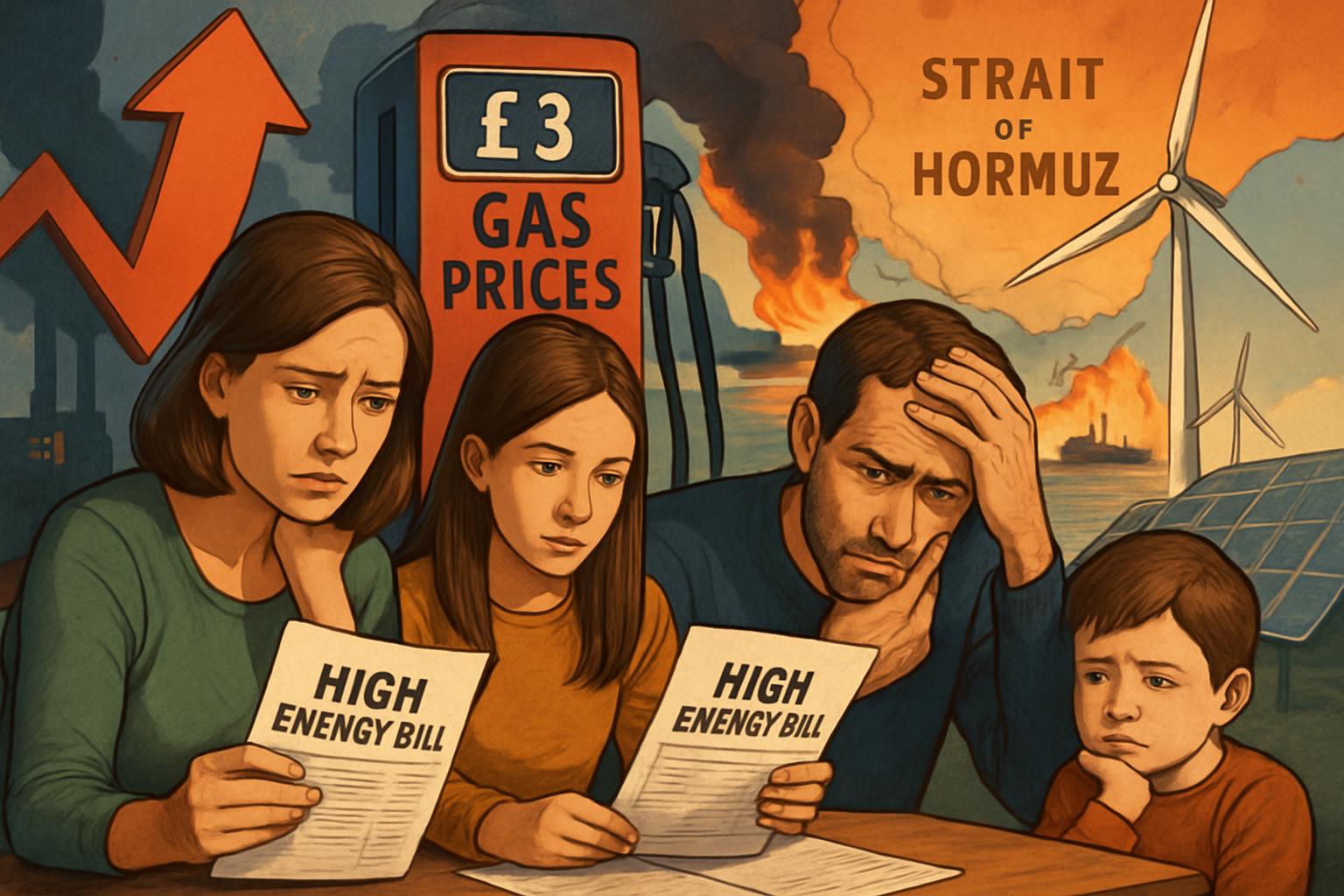
Middle East Conflict Drives UK Energy Prices to New Highs
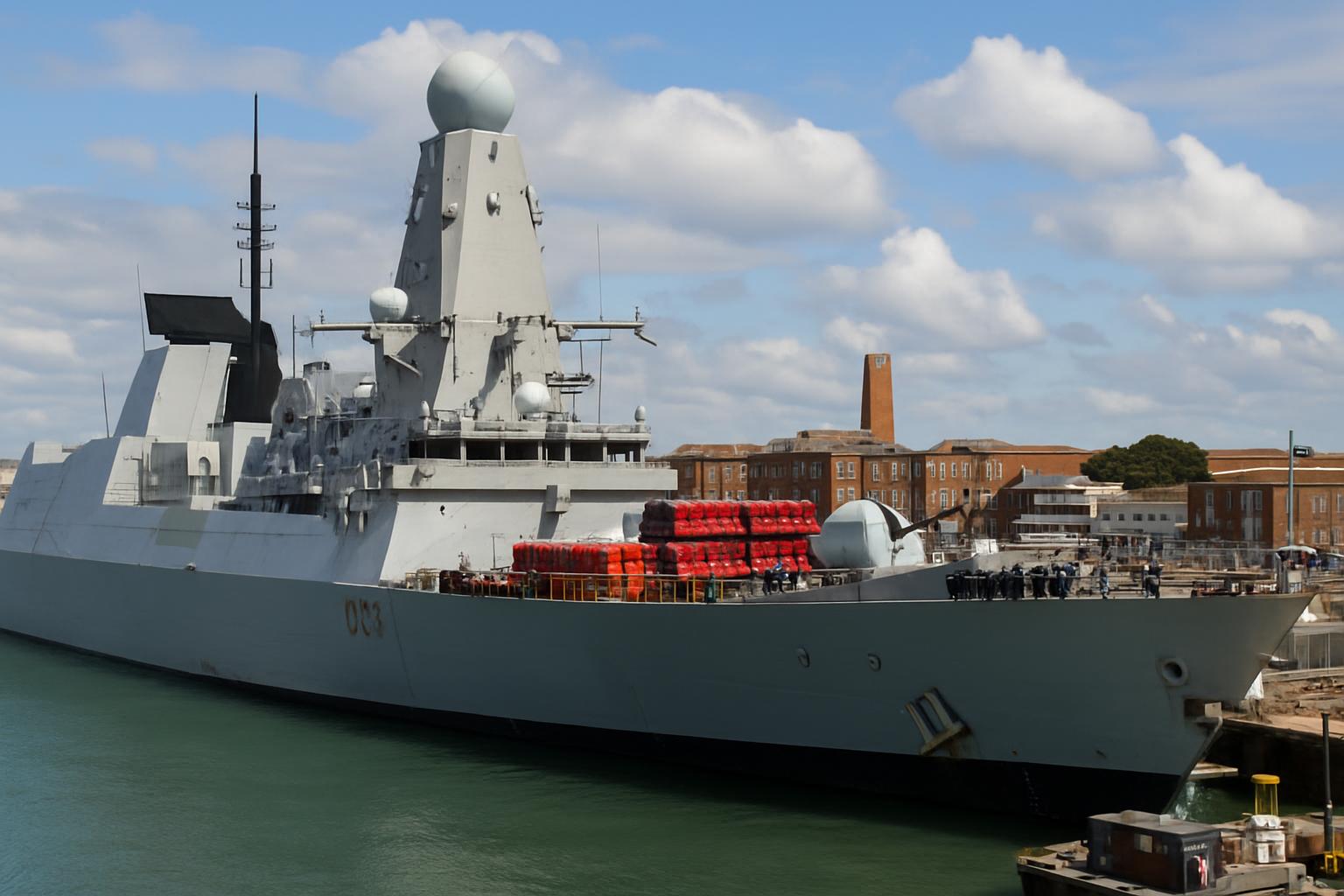
UK Reinforces Military Presence in Cyprus Amid Middle East Tensions

UK-Iran Tensions: Starmer Defends Cautious Approach Amid Trump Criticism
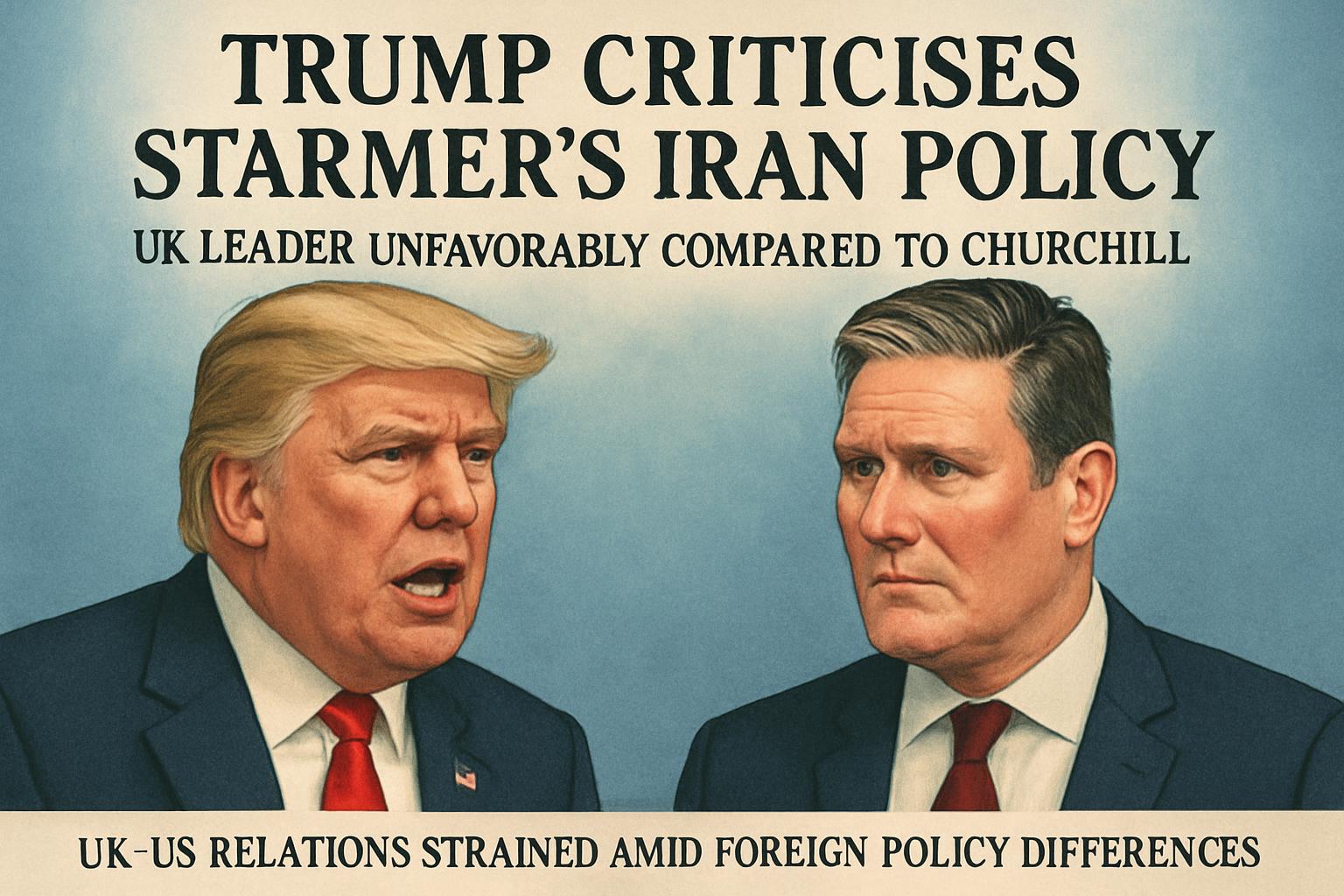
Diplomatic Tensions Rise as Trump Criticizes Starmer's Iran Policy
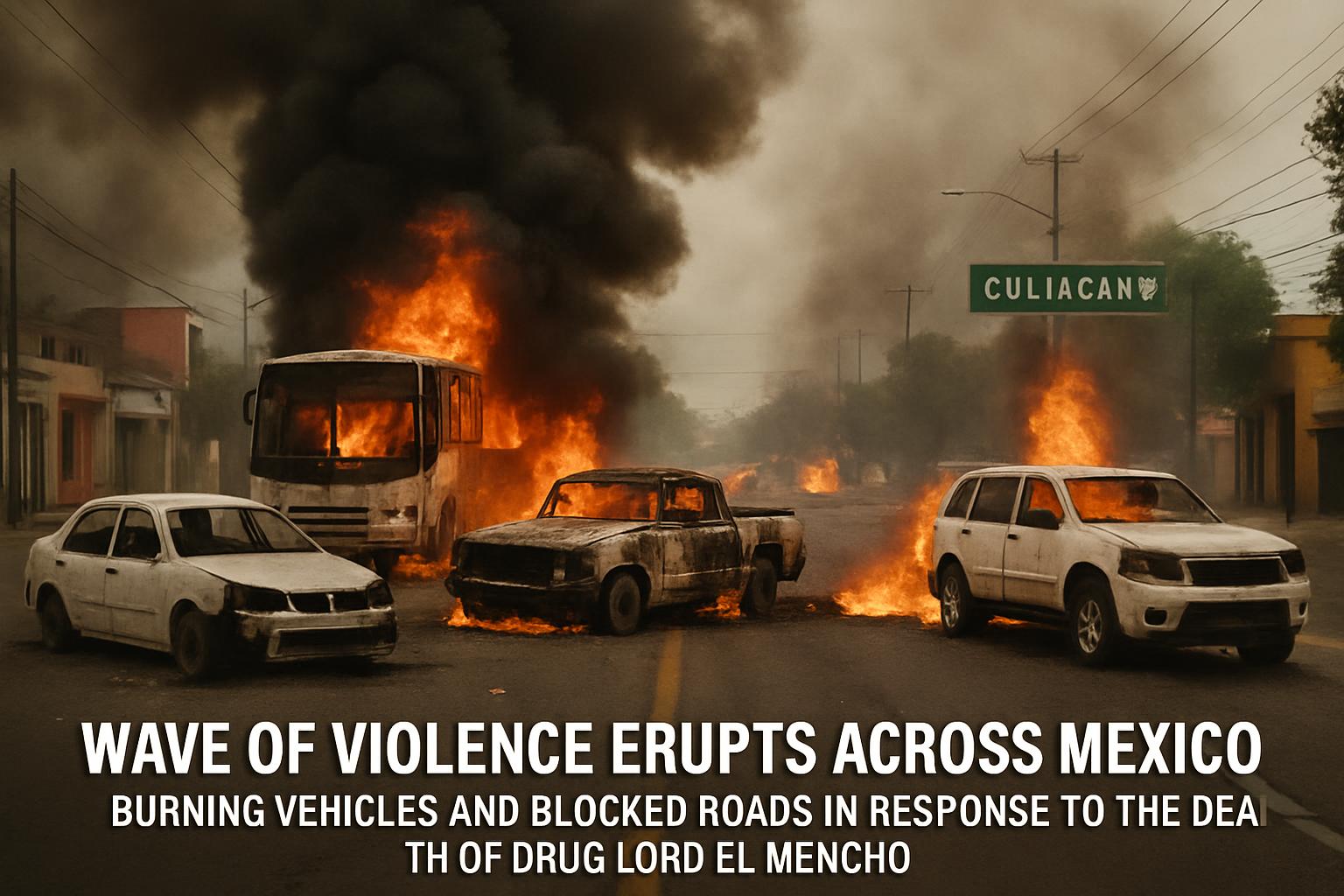
Violence Erupts Across Mexico Following Death of Drug Lord El Mencho
Colombian Senator Miguel Uribe Dies Following Campaign Rally Shooting
In This Article
HIGHLIGHTS
- Colombian senator Miguel Uribe died two months after being shot at a campaign rally in Bogotá.
- A teenage suspect has been arrested, with claims of being hired by a local drug dealer; six people are in custody.
- Uribe was a prominent figure in the right-wing Democratic Centre party and a critic of President Gustavo Petro.
- The attack has reignited fears of Colombia's violent past, reminiscent of the 1980s and 90s.
- President Petro expressed condolences, emphasizing the need to move beyond revenge-fueled violence.
Colombian senator and presidential hopeful Miguel Uribe has succumbed to injuries sustained in a targeted shooting at a campaign rally in Bogotá on June 7. The 39-year-old, a rising star in the right-wing Democratic Centre party, was shot twice in the head and once in the leg. His death has sent shockwaves through the nation, reviving memories of Colombia's turbulent past marked by political violence.
A Tragic End to a Promising Political Career
Uribe, who had been a senator since 2022, was vying for his party's nomination for the 2026 presidential election. Known for his outspoken criticism of Colombia's left-wing president, Gustavo Petro, Uribe was seen as a significant contender in the political landscape. His wife, María Claudia Tarazona, confirmed his death on social media, expressing profound grief and vowing to care for their children. "Rest in peace, love of my life," she wrote, highlighting the personal loss amid the political tragedy.
Investigation and Arrests
The investigation into the assassination has led to the arrest of six individuals, including a 15-year-old suspect who allegedly carried out the shooting. The teenager claimed he was hired by a local drug dealer, a statement that has prompted authorities to pursue those who orchestrated the attack. Colombia's national police director, Carlos Fernando Triana, identified Élder José Arteaga Hernández, known as El Costeño, as one of the masterminds. The defense ministry has offered a reward of 3 billion pesos for information leading to further arrests, with international assistance from the US, UK, and UAE.
Historical Echoes of Violence
The assassination has reignited fears of a return to Colombia's violent past, reminiscent of the 1980s and 90s when political figures were frequently targeted. Uribe's own mother, journalist Diana Turbay, was killed in 1991 after being kidnapped by the Medellín cartel. Uribe often cited her as his inspiration for entering politics, driven by a desire to serve his country despite the risks.
National and International Reactions
President Gustavo Petro extended condolences to Uribe's family, emphasizing the need to transcend revenge-driven violence. "Miguel’s death hurts us as if he were one of our own," Petro stated, calling it a defeat for the nation. The incident marks the worst political violence in Colombia in two decades, challenging the country's progress since the 2016 peace agreement with the Revolutionary Armed Forces of Colombia (Farc).
WHAT THIS MIGHT MEAN
The assassination of Miguel Uribe could have significant implications for Colombian politics, potentially influencing the upcoming 2026 presidential elections. The incident may lead to increased security measures for political figures and could impact public perception of safety and governance under President Gustavo Petro's administration. Experts suggest that the attack might prompt a reevaluation of Colombia's security policies, particularly concerning drug-related violence and its influence on political stability. As the investigation unfolds, the international community's involvement may also shape diplomatic relations and collaborative efforts to combat organized crime in the region.
Related Articles
Canada and Australia Forge Strategic Partnership Amid Global Uncertainty
Middle East Conflict Drives UK Energy Prices to New Highs
UK Reinforces Military Presence in Cyprus Amid Middle East Tensions
UK-Iran Tensions: Starmer Defends Cautious Approach Amid Trump Criticism
Diplomatic Tensions Rise as Trump Criticizes Starmer's Iran Policy
Violence Erupts Across Mexico Following Death of Drug Lord El Mencho