
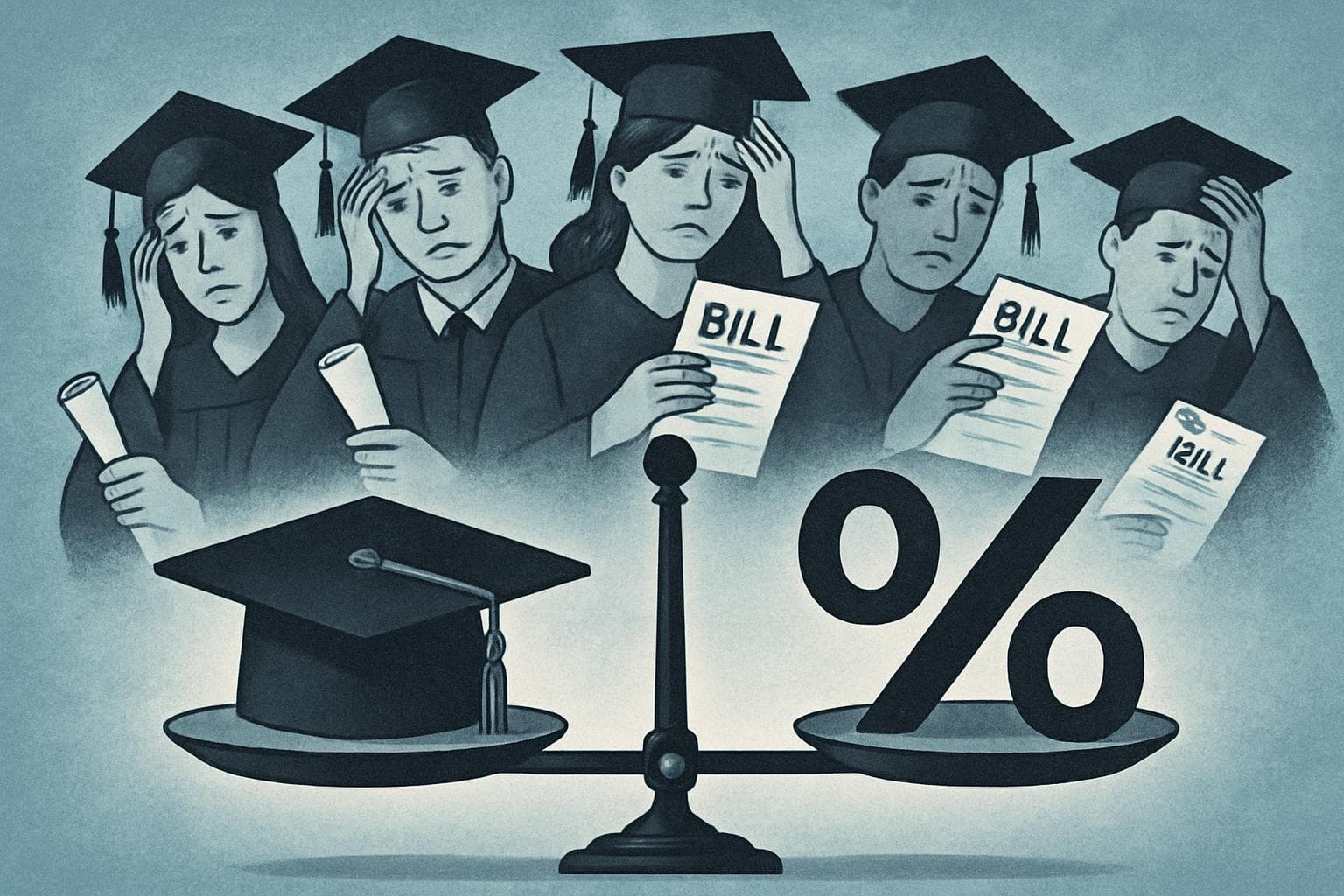
Conservatives Propose Interest Rate Cap on Student Loans Amid Growing Debt Concerns
In This Article
HIGHLIGHTS
- The Conservative Party proposes capping interest on Plan 2 student loans to the Retail Prices Index (RPI) to alleviate graduate debt.
- Education Secretary Bridget Phillipson acknowledges flaws in the current system but prioritizes maintenance grants for poorer students.
- Shadow Education Secretary Laura Trott suggests cutting university courses that lack "value for money" to fund debt relief.
- Dr. Jack Tagg, a graduate, highlights the personal impact of high interest rates, with his debt growing from £55,000 to £80,000.
- The debate intensifies as the government faces pressure to address the student loan system's perceived unfairness.
The Conservative Party has announced plans to cap interest rates on Plan 2 student loans to the Retail Prices Index (RPI), aiming to ease the financial burden on graduates. This proposal, articulated by Kemi Badenoch, comes as the government faces mounting pressure to address the escalating costs of higher education.
Current System Under Scrutiny
Plan 2 loans, introduced in 2012, have been criticized for their high interest rates, which can reach up to 6.2% depending on a graduate's income. The loans were part of a system established by the Conservative-Liberal Democrat coalition, which also saw tuition fees triple to £9,000 per year. Education Secretary Bridget Phillipson acknowledged the system's flaws but emphasized the need to focus on maintenance grants for students from low-income backgrounds.
Calls for Systemic Change
Shadow Education Secretary Laura Trott has advocated for a reevaluation of university courses, suggesting that those not providing "value for money" should be cut to fund debt relief. Trott highlighted a report indicating that up to 30% of university courses yield negative financial returns for students. The proposal includes closing 100,000 university places, particularly in fields like creative arts, where loan repayment rates are low.
Personal Impact of Student Debt
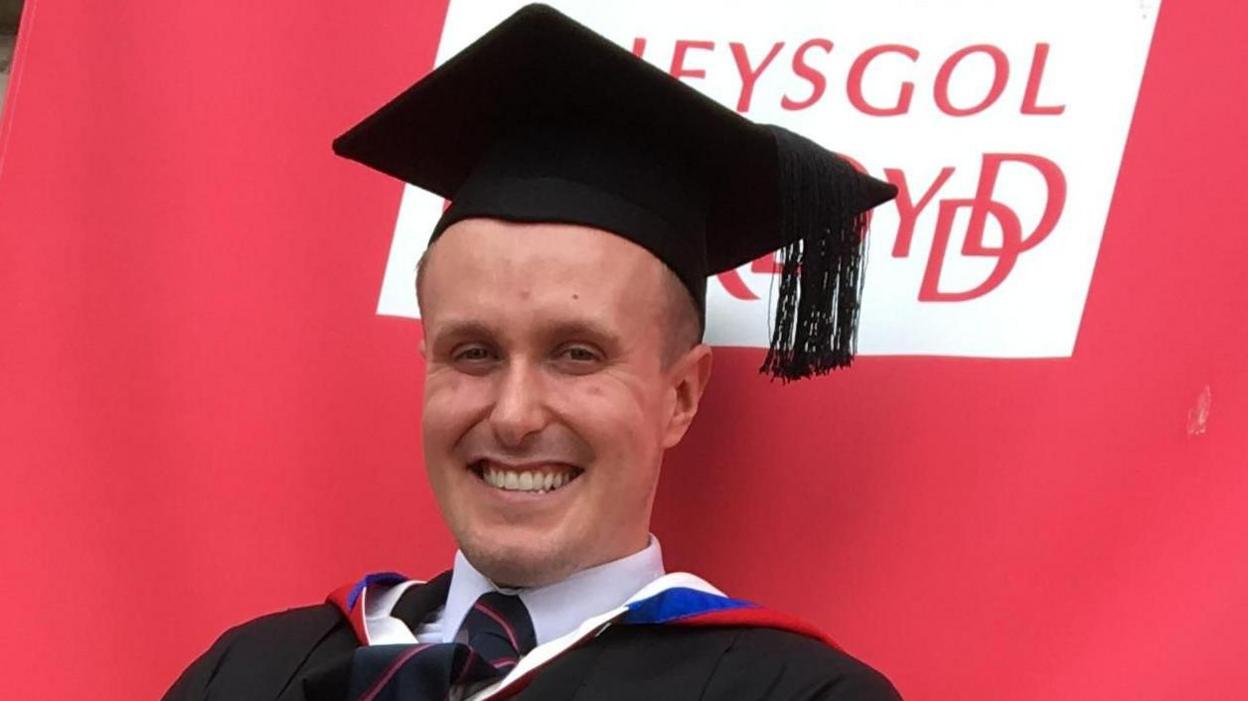
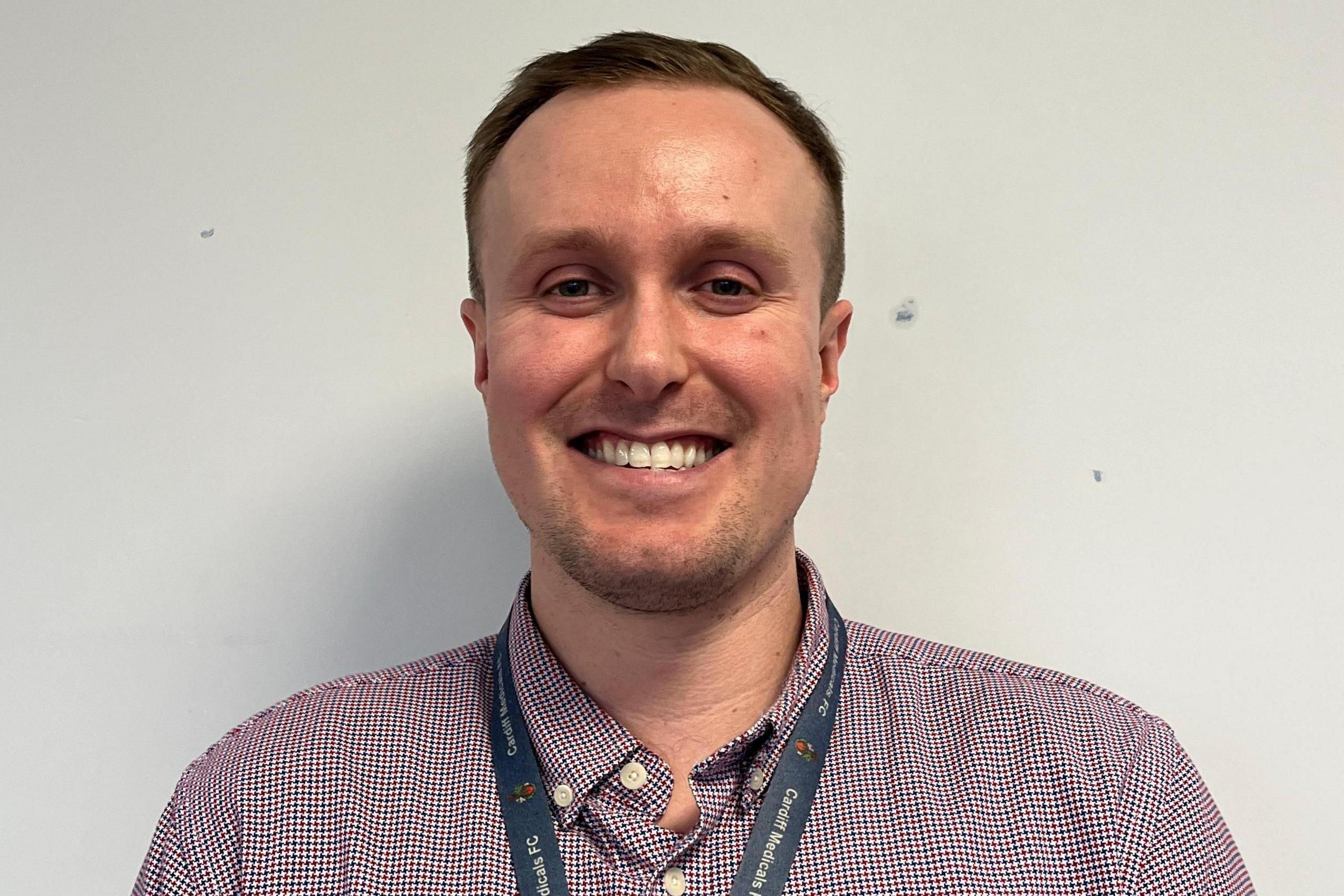
The personal toll of student debt is exemplified by Dr. Jack Tagg, who graduated with £55,000 in loans, now ballooned to £80,000 due to interest. Tagg expressed concern over the impact on his financial future, noting that the debt affects his ability to save for significant life purchases. His story underscores the broader issue of how high interest rates can deter individuals from pursuing higher education.
Political and Public Pressure
The debate over student loans has intensified, with Labour MP Nadia Whittome pointing out that even high earners struggle to reduce their debt. The government has been criticized for freezing the salary threshold for loan repayments, which could increase the number of graduates required to make payments. As the discussion continues, the focus remains on finding a fair and sustainable solution for future graduates.
WHAT THIS MIGHT MEAN
The Conservative proposal to cap interest rates on student loans could significantly impact graduates' financial stability, potentially reducing the long-term debt burden. However, implementing such changes may face political hurdles, particularly given the system's complexity and the need for cross-party support. If successful, this move could set a precedent for further reforms in higher education funding, potentially leading to a more equitable system. Experts suggest that any changes must balance fiscal responsibility with the need to support students and graduates effectively.
Images from the Web
Related Articles

UK-Iran Tensions: Starmer Defends Cautious Approach Amid Trump Criticism
Chris Wormald Resigns as UK Cabinet Secretary Amid Political Reshuffle
UK Government to Reform Asylum Seeker Support and Employment Policies

Labour MP's Husband Arrested in UK-China Espionage Probe
US Supreme Court Ruling Sparks Trade Uncertainty in Asia and Beyond

UK Government Announces Major Overhaul of SEND System with £3.4 Billion Investment
Conservatives Propose Interest Rate Cap on Student Loans Amid Growing Debt Concerns
In This Article
 Daniel Rivera| Published
 HIGHLIGHTS
- The Conservative Party proposes capping interest on Plan 2 student loans to the Retail Prices Index (RPI) to alleviate graduate debt.
- Education Secretary Bridget Phillipson acknowledges flaws in the current system but prioritizes maintenance grants for poorer students.
- Shadow Education Secretary Laura Trott suggests cutting university courses that lack "value for money" to fund debt relief.
- Dr. Jack Tagg, a graduate, highlights the personal impact of high interest rates, with his debt growing from £55,000 to £80,000.
- The debate intensifies as the government faces pressure to address the student loan system's perceived unfairness.
The Conservative Party has announced plans to cap interest rates on Plan 2 student loans to the Retail Prices Index (RPI), aiming to ease the financial burden on graduates. This proposal, articulated by Kemi Badenoch, comes as the government faces mounting pressure to address the escalating costs of higher education.
Current System Under Scrutiny
Plan 2 loans, introduced in 2012, have been criticized for their high interest rates, which can reach up to 6.2% depending on a graduate's income. The loans were part of a system established by the Conservative-Liberal Democrat coalition, which also saw tuition fees triple to £9,000 per year. Education Secretary Bridget Phillipson acknowledged the system's flaws but emphasized the need to focus on maintenance grants for students from low-income backgrounds.
Calls for Systemic Change
Shadow Education Secretary Laura Trott has advocated for a reevaluation of university courses, suggesting that those not providing "value for money" should be cut to fund debt relief. Trott highlighted a report indicating that up to 30% of university courses yield negative financial returns for students. The proposal includes closing 100,000 university places, particularly in fields like creative arts, where loan repayment rates are low.
Personal Impact of Student Debt
The personal toll of student debt is exemplified by Dr. Jack Tagg, who graduated with £55,000 in loans, now ballooned to £80,000 due to interest. Tagg expressed concern over the impact on his financial future, noting that the debt affects his ability to save for significant life purchases. His story underscores the broader issue of how high interest rates can deter individuals from pursuing higher education.
Political and Public Pressure
The debate over student loans has intensified, with Labour MP Nadia Whittome pointing out that even high earners struggle to reduce their debt. The government has been criticized for freezing the salary threshold for loan repayments, which could increase the number of graduates required to make payments. As the discussion continues, the focus remains on finding a fair and sustainable solution for future graduates.
WHAT THIS MIGHT MEAN
The Conservative proposal to cap interest rates on student loans could significantly impact graduates' financial stability, potentially reducing the long-term debt burden. However, implementing such changes may face political hurdles, particularly given the system's complexity and the need for cross-party support. If successful, this move could set a precedent for further reforms in higher education funding, potentially leading to a more equitable system. Experts suggest that any changes must balance fiscal responsibility with the need to support students and graduates effectively.
Images from the Web
Related Articles
UK-Iran Tensions: Starmer Defends Cautious Approach Amid Trump Criticism
Chris Wormald Resigns as UK Cabinet Secretary Amid Political Reshuffle
UK Government to Reform Asylum Seeker Support and Employment Policies
Labour MP's Husband Arrested in UK-China Espionage Probe
US Supreme Court Ruling Sparks Trade Uncertainty in Asia and Beyond
UK Government Announces Major Overhaul of SEND System with £3.4 Billion Investment