
Councils Challenge Hotel Use for Asylum Seekers Amid Legal and Political Tensions
In This Article
HIGHLIGHTS
- Antrim and Newtownabbey Borough Council has launched an investigation into the Chimney Corner Hotel's use for housing asylum seekers without planning permission.
- A recent High Court ruling in England has empowered councils to block hotels from accommodating asylum seekers without a formal change of use application.
- The Home Office faces pressure to find alternative housing solutions as councils may increasingly use planning laws to close asylum hotels.
- Anti-immigration protests have intensified, with far-right groups exploiting the situation to incite unrest.
- Border Security Minister Angela Eagle has committed to closing all asylum hotels by the end of the current Parliament.
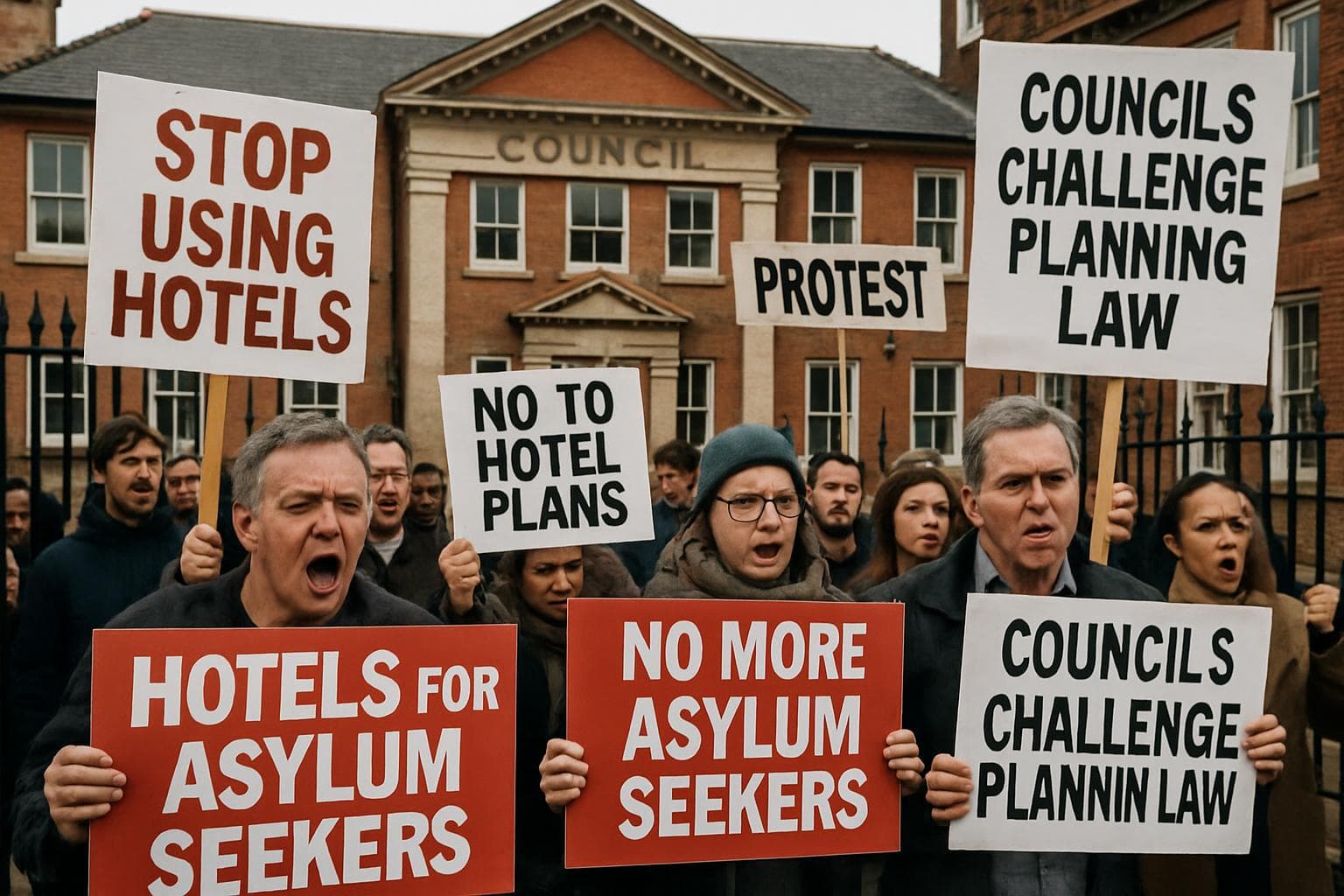
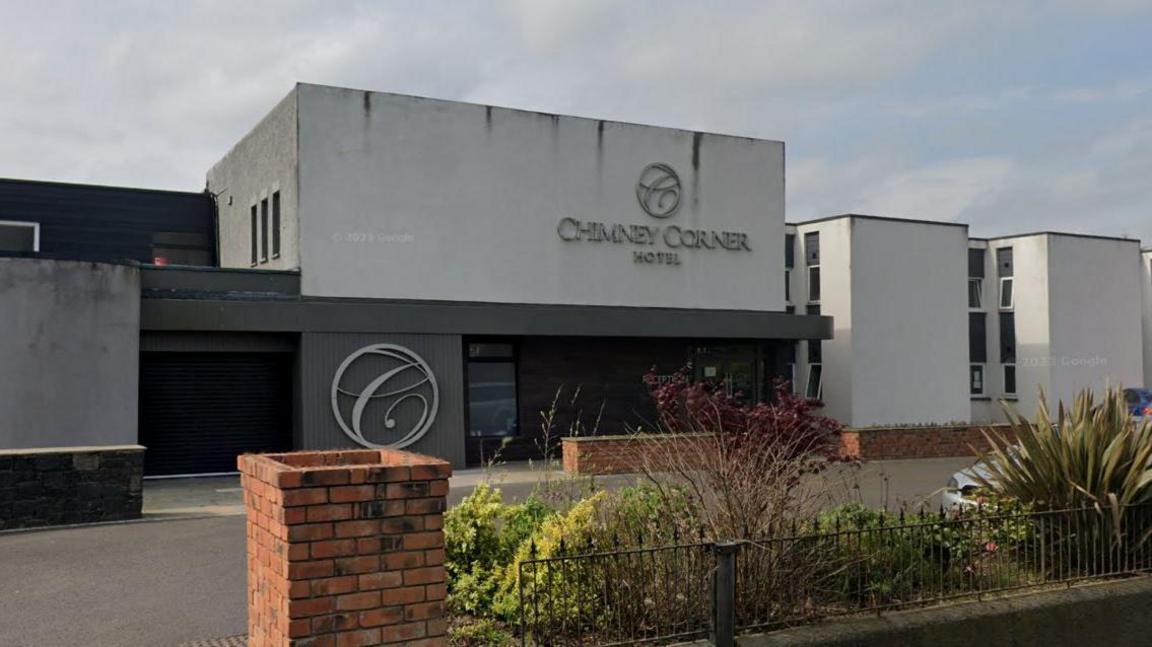
Antrim and Newtownabbey Borough Council has initiated an enforcement investigation into the Chimney Corner Hotel's use as accommodation for asylum seekers, spotlighting a growing legal and political issue across the UK. This move follows a landmark High Court ruling in England that granted Epping Forest District Council an injunction to prevent asylum seekers from being housed in a local hotel without proper planning permissions.
Legal Challenges and Political Reactions
The High Court's decision has set a precedent, allowing councils to leverage planning laws to block hotels from being used as temporary asylum accommodations without a formal change of use application. This has prompted concerns within the Home Office, which now faces the daunting task of finding alternative housing for thousands of asylum seekers. DUP MLA Trevor Clarke emphasized the necessity of adhering to planning regulations, stating, "No one is above the law, not even government departments."
Protests and Public Sentiment
The use of hotels for asylum seekers has sparked widespread protests, some of which have turned violent, fueled by far-right agitators. Nigel Farage, leader of Reform UK, has encouraged similar legal challenges and protests, hoping to replicate the success seen in Epping Forest. The situation has raised questions about the sustainability of current immigration policies and the government's ability to manage asylum seeker accommodation effectively.
Government's Response and Future Plans
Border Security Minister Angela Eagle acknowledged the inherited challenges of a "broken asylum system" and reiterated the government's commitment to closing all asylum hotels by the end of the current Parliament. Meanwhile, councils like Antrim and Newtownabbey continue to scrutinize the legal status of hotels used for asylum purposes, with potential implications for other regions.
WHAT THIS MIGHT MEAN
The recent legal developments could lead to a significant shift in how asylum seekers are accommodated in the UK. If more councils follow Epping Forest's example, the Home Office may need to expedite the search for alternative housing solutions, such as repurposing disused army barracks. This could also prompt a broader review of immigration policies and planning laws to ensure compliance and address public concerns. As tensions rise, the government must balance legal obligations with humanitarian responsibilities, navigating a complex landscape of political, legal, and social challenges.
Images from the Web


Related Articles

UK Government to Reform Asylum Seeker Support and Employment Policies

Reform UK Aims to Reshape Welsh Politics with New Manifesto

UK Faces Dilemmas Amid Iran Conflict and China Spying Allegations

UK Reinforces Military Presence in Cyprus Amid Middle East Tensions

UK-Iran Tensions: Starmer Defends Cautious Approach Amid Trump Criticism
Persistent Safety Concerns in Nottingham Maternity Services Amidst Calls for Systemic Reform
Councils Challenge Hotel Use for Asylum Seekers Amid Legal and Political Tensions
In This Article
 Ethan Brooks| Published
 HIGHLIGHTS
- Antrim and Newtownabbey Borough Council has launched an investigation into the Chimney Corner Hotel's use for housing asylum seekers without planning permission.
- A recent High Court ruling in England has empowered councils to block hotels from accommodating asylum seekers without a formal change of use application.
- The Home Office faces pressure to find alternative housing solutions as councils may increasingly use planning laws to close asylum hotels.
- Anti-immigration protests have intensified, with far-right groups exploiting the situation to incite unrest.
- Border Security Minister Angela Eagle has committed to closing all asylum hotels by the end of the current Parliament.
Antrim and Newtownabbey Borough Council has initiated an enforcement investigation into the Chimney Corner Hotel's use as accommodation for asylum seekers, spotlighting a growing legal and political issue across the UK. This move follows a landmark High Court ruling in England that granted Epping Forest District Council an injunction to prevent asylum seekers from being housed in a local hotel without proper planning permissions.
Legal Challenges and Political Reactions
The High Court's decision has set a precedent, allowing councils to leverage planning laws to block hotels from being used as temporary asylum accommodations without a formal change of use application. This has prompted concerns within the Home Office, which now faces the daunting task of finding alternative housing for thousands of asylum seekers. DUP MLA Trevor Clarke emphasized the necessity of adhering to planning regulations, stating, "No one is above the law, not even government departments."
Protests and Public Sentiment
The use of hotels for asylum seekers has sparked widespread protests, some of which have turned violent, fueled by far-right agitators. Nigel Farage, leader of Reform UK, has encouraged similar legal challenges and protests, hoping to replicate the success seen in Epping Forest. The situation has raised questions about the sustainability of current immigration policies and the government's ability to manage asylum seeker accommodation effectively.
Government's Response and Future Plans
Border Security Minister Angela Eagle acknowledged the inherited challenges of a "broken asylum system" and reiterated the government's commitment to closing all asylum hotels by the end of the current Parliament. Meanwhile, councils like Antrim and Newtownabbey continue to scrutinize the legal status of hotels used for asylum purposes, with potential implications for other regions.
WHAT THIS MIGHT MEAN
The recent legal developments could lead to a significant shift in how asylum seekers are accommodated in the UK. If more councils follow Epping Forest's example, the Home Office may need to expedite the search for alternative housing solutions, such as repurposing disused army barracks. This could also prompt a broader review of immigration policies and planning laws to ensure compliance and address public concerns. As tensions rise, the government must balance legal obligations with humanitarian responsibilities, navigating a complex landscape of political, legal, and social challenges.
Images from the Web
Related Articles
UK Government to Reform Asylum Seeker Support and Employment Policies
Reform UK Aims to Reshape Welsh Politics with New Manifesto
UK Faces Dilemmas Amid Iran Conflict and China Spying Allegations
UK Reinforces Military Presence in Cyprus Amid Middle East Tensions
UK-Iran Tensions: Starmer Defends Cautious Approach Amid Trump Criticism
Persistent Safety Concerns in Nottingham Maternity Services Amidst Calls for Systemic Reform