
Councils Consider Legal Action Over Asylum Seeker Hotel Use Amid Rising Tensions

In This Article
HIGHLIGHTS
- Hillingdon Council is considering legal action against the UK government over the use of hotels for asylum seekers, following a High Court ruling in favor of Epping Forest District Council.
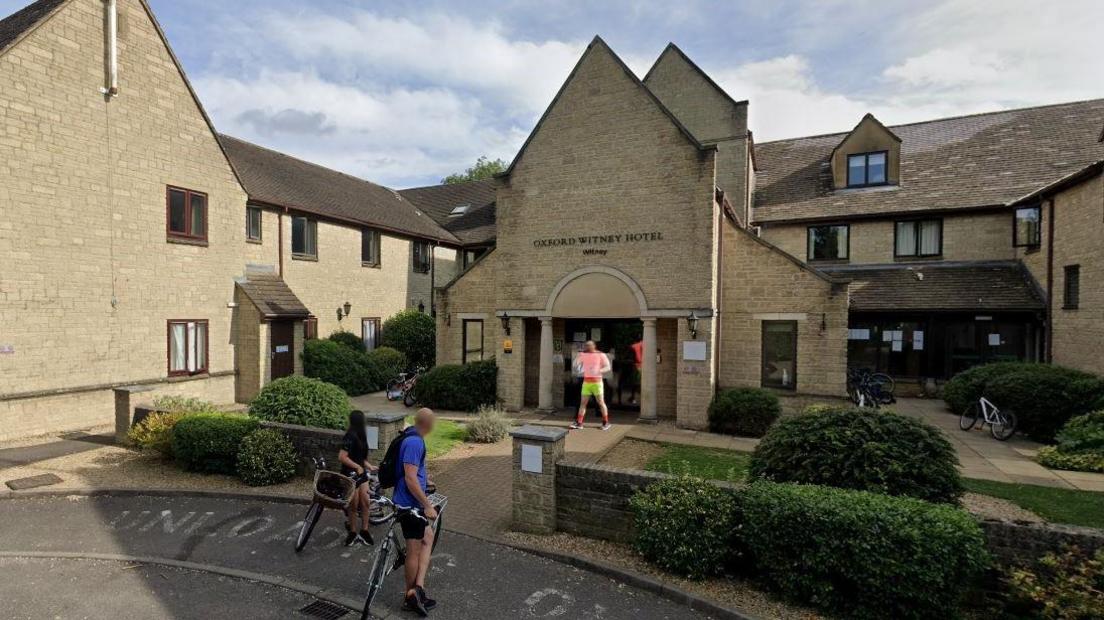
- The Epping ruling has prompted several councils, including those in Northern Ireland and West Oxfordshire, to reassess the planning status of hotels used for asylum accommodation.
- Protests and counter-demonstrations are occurring across England, with tensions rising over the use of hotels for asylum seekers, as seen in Worcester and Epping.
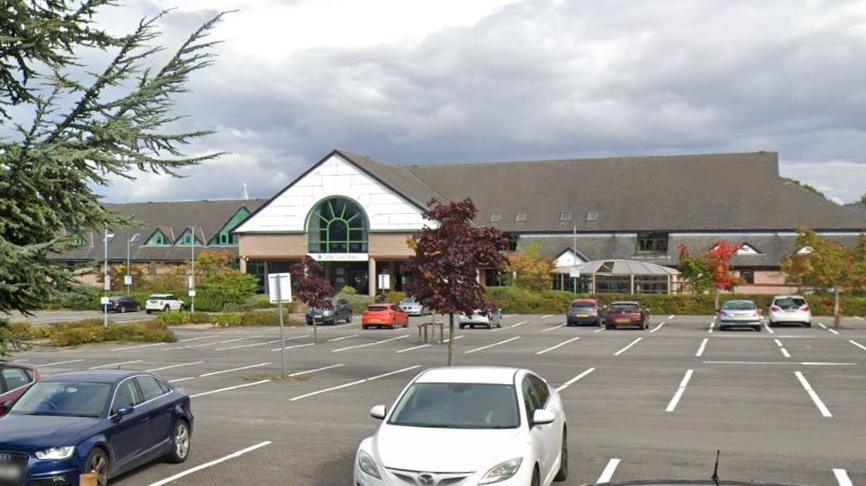
- The Home Office faces challenges in housing over 32,000 asylum seekers, with a government pledge to end hotel use by 2029, despite some contracts extending until then.
- Asylum seekers, like Mohammed from Somalia, express a desire for work and more suitable accommodation, highlighting the strain of prolonged hotel stays.
The recent High Court ruling in favor of Epping Forest District Council, which temporarily blocked the use of The Bell Hotel for housing asylum seekers, has sparked a wave of legal considerations among councils across the UK. Hillingdon Council, among others, is exploring similar legal avenues, citing planning permission issues as a key concern.
Legal Precedents and Council Reactions
The Epping case has set a significant legal precedent, prompting councils like West Oxfordshire and those in Northern Ireland to review the planning status of hotels used for asylum accommodation. Conservative-led councils are particularly vocal, with leaders like Ian Edwards of Hillingdon Council emphasizing the need to understand the Epping ruling's success before proceeding with legal action. Meanwhile, Labour-led councils, such as Ealing, have opted against pursuing legal challenges, focusing instead on providing sanctuary.
Protests and Community Tensions
Across England, protests against the use of hotels for asylum seekers have intensified. In Worcester, demonstrations saw both anti-migrant and anti-racism campaigners clashing, resulting in three arrests. The protests reflect broader community tensions, with local leaders like Worcester's Mayor Matt Lamb advocating for peaceful expressions of patriotism while respecting property rights.
Government Challenges and Asylum Seeker Perspectives
The Home Office faces mounting pressure to accommodate over 32,000 asylum seekers, with a commitment to cease hotel use by 2029. However, contracts for some hotels extend beyond this deadline. Asylum seekers, such as Mohammed from Somalia, express frustration over prolonged hotel stays and the inability to work, advocating for more suitable housing solutions.
Political and Legal Implications
The Epping ruling could significantly impact the government's asylum accommodation strategy, with Home Office lawyers warning of potential disruptions. The ruling has also fueled political discourse, with parties like Reform UK urging councils to challenge hotel use. The government's ability to fulfill its legal obligations to asylum seekers is under scrutiny, as councils weigh the legal and community implications of following Epping's lead.
WHAT THIS MIGHT MEAN
The legal challenges initiated by councils could lead to a reevaluation of the UK's asylum accommodation policies, potentially accelerating the government's plans to end hotel use. If more councils succeed in obtaining injunctions, the Home Office may need to explore alternative housing solutions, such as repurposing military bases or increasing dispersal accommodation. Politically, the issue may deepen divisions between parties, with Labour councils focusing on sanctuary and Conservative councils prioritizing legal action. The ongoing protests highlight the need for a balanced approach that addresses community concerns while ensuring humane treatment for asylum seekers.
Images from the Web
Related Articles

UK Government to Reform Asylum Seeker Support and Employment Policies

Tragedy Strikes County Armagh: Three Dead in Multi-Vehicle Collision

Government Criticized for Mishandling Maccabi Tel Aviv Fan Ban

Starmer Condemns Reform UK's Plan to Repeal Equality Act as Un-British

Supreme Court Ruling Expands Compensation for Children Injured at Birth

Allegations of Unlawful Reporting Methods in Stephen Lawrence Case Denied by Ex-Daily Mail Reporter
Councils Consider Legal Action Over Asylum Seeker Hotel Use Amid Rising Tensions
In This Article
 Ethan Brooks| Published
 HIGHLIGHTS
- Hillingdon Council is considering legal action against the UK government over the use of hotels for asylum seekers, following a High Court ruling in favor of Epping Forest District Council.
- The Epping ruling has prompted several councils, including those in Northern Ireland and West Oxfordshire, to reassess the planning status of hotels used for asylum accommodation.
- Protests and counter-demonstrations are occurring across England, with tensions rising over the use of hotels for asylum seekers, as seen in Worcester and Epping.
- The Home Office faces challenges in housing over 32,000 asylum seekers, with a government pledge to end hotel use by 2029, despite some contracts extending until then.
- Asylum seekers, like Mohammed from Somalia, express a desire for work and more suitable accommodation, highlighting the strain of prolonged hotel stays.
The recent High Court ruling in favor of Epping Forest District Council, which temporarily blocked the use of The Bell Hotel for housing asylum seekers, has sparked a wave of legal considerations among councils across the UK. Hillingdon Council, among others, is exploring similar legal avenues, citing planning permission issues as a key concern.
Legal Precedents and Council Reactions
The Epping case has set a significant legal precedent, prompting councils like West Oxfordshire and those in Northern Ireland to review the planning status of hotels used for asylum accommodation. Conservative-led councils are particularly vocal, with leaders like Ian Edwards of Hillingdon Council emphasizing the need to understand the Epping ruling's success before proceeding with legal action. Meanwhile, Labour-led councils, such as Ealing, have opted against pursuing legal challenges, focusing instead on providing sanctuary.
Protests and Community Tensions
Across England, protests against the use of hotels for asylum seekers have intensified. In Worcester, demonstrations saw both anti-migrant and anti-racism campaigners clashing, resulting in three arrests. The protests reflect broader community tensions, with local leaders like Worcester's Mayor Matt Lamb advocating for peaceful expressions of patriotism while respecting property rights.
Government Challenges and Asylum Seeker Perspectives
The Home Office faces mounting pressure to accommodate over 32,000 asylum seekers, with a commitment to cease hotel use by 2029. However, contracts for some hotels extend beyond this deadline. Asylum seekers, such as Mohammed from Somalia, express frustration over prolonged hotel stays and the inability to work, advocating for more suitable housing solutions.
Political and Legal Implications
The Epping ruling could significantly impact the government's asylum accommodation strategy, with Home Office lawyers warning of potential disruptions. The ruling has also fueled political discourse, with parties like Reform UK urging councils to challenge hotel use. The government's ability to fulfill its legal obligations to asylum seekers is under scrutiny, as councils weigh the legal and community implications of following Epping's lead.
WHAT THIS MIGHT MEAN
The legal challenges initiated by councils could lead to a reevaluation of the UK's asylum accommodation policies, potentially accelerating the government's plans to end hotel use. If more councils succeed in obtaining injunctions, the Home Office may need to explore alternative housing solutions, such as repurposing military bases or increasing dispersal accommodation. Politically, the issue may deepen divisions between parties, with Labour councils focusing on sanctuary and Conservative councils prioritizing legal action. The ongoing protests highlight the need for a balanced approach that addresses community concerns while ensuring humane treatment for asylum seekers.
Images from the Web
Related Articles
UK Government to Reform Asylum Seeker Support and Employment Policies
Tragedy Strikes County Armagh: Three Dead in Multi-Vehicle Collision
Government Criticized for Mishandling Maccabi Tel Aviv Fan Ban
Starmer Condemns Reform UK's Plan to Repeal Equality Act as Un-British
Supreme Court Ruling Expands Compensation for Children Injured at Birth
Allegations of Unlawful Reporting Methods in Stephen Lawrence Case Denied by Ex-Daily Mail Reporter