
Court of Appeal Overturns Injunction on Asylum Seekers at Epping Hotel
In This Article
HIGHLIGHTS
- The Court of Appeal overturned a temporary injunction blocking asylum seekers from staying at the Bell Hotel in Epping, Essex.
- Lord Justice Bean criticized the High Court's decision, citing errors in principle and the potential for encouraging further protests.
- Epping Forest District Council may appeal to the Supreme Court, with a full High Court hearing expected in October.
- The Home Office fears the initial ruling could have set a precedent for other councils to challenge asylum housing in hotels.
- Protests have been ongoing, with 28 arrests made in connection to disorder outside the hotel.
The Court of Appeal has overturned a temporary injunction that had blocked asylum seekers from being housed at the Bell Hotel in Epping, Essex. This decision comes after the High Court initially ruled that the 138 asylum seekers residing there must vacate by September 12, following complaints from the Epping Forest District Council (EFDC) about planning law breaches.
Legal Context and Appeal Decision
The appeal, brought forth by Somani Hotels and the Home Office, challenged the High Court's ruling. Lord Justice Bean, alongside Lady Justice Nicola Davies and Lord Justice Cobb, found the initial decision flawed, emphasizing that closing one site without identifying alternative accommodations could strain the system. The judges also noted that the High Court's consideration of protests, including unlawful ones, could inadvertently encourage further lawlessness.
Protests and Public Reaction
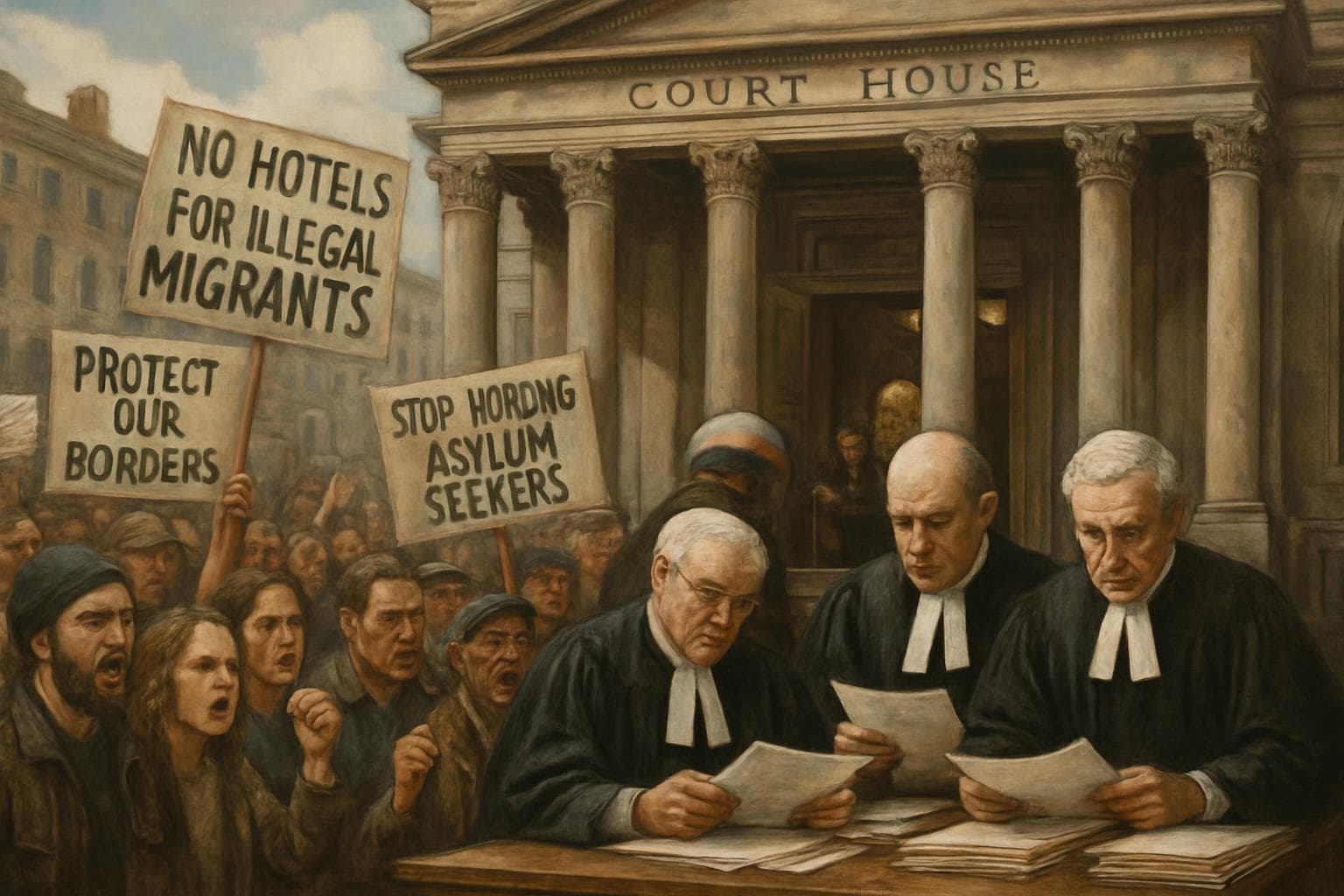
The Bell Hotel has been the epicenter of protests since July, following the arrest of an asylum seeker charged with several offenses. These protests have led to 28 arrests, with charges ranging from violent disorder to assaulting a police officer. The Home Office expressed concerns that the High Court's ruling might set a precedent, prompting other councils to pursue similar legal challenges against asylum housing in hotels.
Future Legal Proceedings
Despite the Court of Appeal's decision, the EFDC's challenge will proceed to a full High Court hearing in October. The council has not ruled out escalating the matter to the Supreme Court. Conservative leader Kemi Badenoch criticized the ruling, suggesting it prioritizes the rights of illegal immigrants over British citizens.
WHAT THIS MIGHT MEAN
The upcoming High Court hearing in October will be pivotal in determining the future of asylum housing at the Bell Hotel. Should the EFDC succeed, it could lead to the removal of asylum seekers from the site, potentially influencing similar cases nationwide. Legal experts suggest that the case underscores the tension between local councils and national policies on asylum accommodation. The outcome may also impact the Home Office's strategy in addressing asylum seeker housing, as it navigates the balance between legal obligations and public sentiment.
Related Articles

UK Government to Reform Asylum Seeker Support and Employment Policies

UK-Iran Tensions: Starmer Defends Cautious Approach Amid Trump Criticism

Government Criticized for Mishandling Maccabi Tel Aviv Fan Ban

Supreme Court Ruling Expands Compensation for Children Injured at Birth

Allegations of Unlawful Reporting Methods in Stephen Lawrence Case Denied by Ex-Daily Mail Reporter

High Court Ruling Delays Trial of Pro-Palestine Activists
Court of Appeal Overturns Injunction on Asylum Seekers at Epping Hotel
In This Article
 Ethan Brooks| Published
 HIGHLIGHTS
- The Court of Appeal overturned a temporary injunction blocking asylum seekers from staying at the Bell Hotel in Epping, Essex.
- Lord Justice Bean criticized the High Court's decision, citing errors in principle and the potential for encouraging further protests.
- Epping Forest District Council may appeal to the Supreme Court, with a full High Court hearing expected in October.
- The Home Office fears the initial ruling could have set a precedent for other councils to challenge asylum housing in hotels.
- Protests have been ongoing, with 28 arrests made in connection to disorder outside the hotel.
The Court of Appeal has overturned a temporary injunction that had blocked asylum seekers from being housed at the Bell Hotel in Epping, Essex. This decision comes after the High Court initially ruled that the 138 asylum seekers residing there must vacate by September 12, following complaints from the Epping Forest District Council (EFDC) about planning law breaches.
Legal Context and Appeal Decision
The appeal, brought forth by Somani Hotels and the Home Office, challenged the High Court's ruling. Lord Justice Bean, alongside Lady Justice Nicola Davies and Lord Justice Cobb, found the initial decision flawed, emphasizing that closing one site without identifying alternative accommodations could strain the system. The judges also noted that the High Court's consideration of protests, including unlawful ones, could inadvertently encourage further lawlessness.
Protests and Public Reaction
The Bell Hotel has been the epicenter of protests since July, following the arrest of an asylum seeker charged with several offenses. These protests have led to 28 arrests, with charges ranging from violent disorder to assaulting a police officer. The Home Office expressed concerns that the High Court's ruling might set a precedent, prompting other councils to pursue similar legal challenges against asylum housing in hotels.
Future Legal Proceedings
Despite the Court of Appeal's decision, the EFDC's challenge will proceed to a full High Court hearing in October. The council has not ruled out escalating the matter to the Supreme Court. Conservative leader Kemi Badenoch criticized the ruling, suggesting it prioritizes the rights of illegal immigrants over British citizens.
WHAT THIS MIGHT MEAN
The upcoming High Court hearing in October will be pivotal in determining the future of asylum housing at the Bell Hotel. Should the EFDC succeed, it could lead to the removal of asylum seekers from the site, potentially influencing similar cases nationwide. Legal experts suggest that the case underscores the tension between local councils and national policies on asylum accommodation. The outcome may also impact the Home Office's strategy in addressing asylum seeker housing, as it navigates the balance between legal obligations and public sentiment.
Related Articles
UK Government to Reform Asylum Seeker Support and Employment Policies
UK-Iran Tensions: Starmer Defends Cautious Approach Amid Trump Criticism
Government Criticized for Mishandling Maccabi Tel Aviv Fan Ban
Supreme Court Ruling Expands Compensation for Children Injured at Birth
Allegations of Unlawful Reporting Methods in Stephen Lawrence Case Denied by Ex-Daily Mail Reporter
High Court Ruling Delays Trial of Pro-Palestine Activists