
Cyclone Alfred Threatens Australia's East Coast with Severe Weather
In This Article
HIGHLIGHTS
- Cyclone Alfred, a rare tropical storm, is set to hit Australia's eastern coast on Saturday, affecting areas from the Sunshine Coast to Brisbane.
- Authorities have evacuated tens of thousands and warned of severe flooding, with up to 800mm of rain expected over the weekend.
- The cyclone is moving slowly, raising concerns of prolonged impact, with wind speeds reaching up to 130km/h.
- Nearly 1,000 schools have closed, and public transport and airports are suspended as the region braces for the storm.
- Prime Minister Anthony Albanese urged residents to heed warnings, emphasizing the seriousness of the situation.
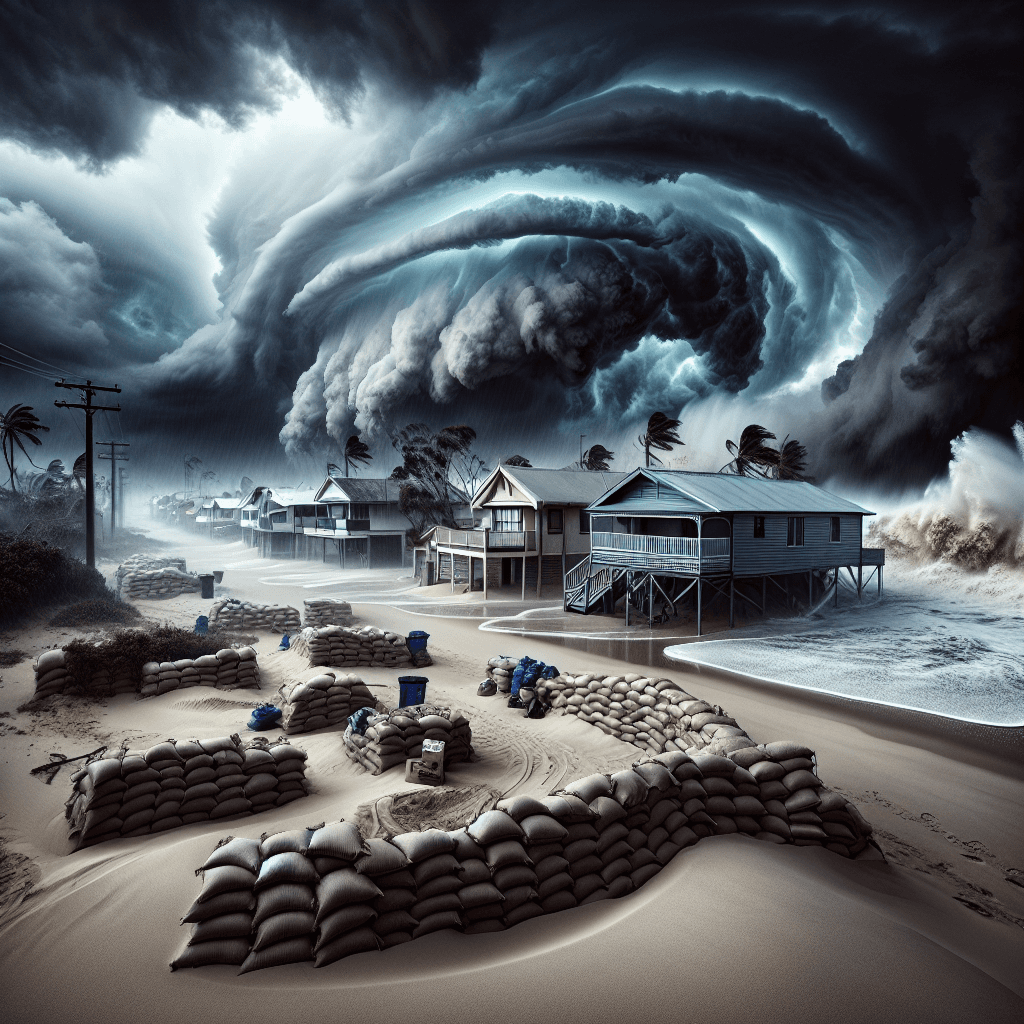
As Cyclone Alfred approaches Australia's eastern coast, authorities have taken significant measures to prepare for its impact. The tropical cyclone, expected to make landfall on Saturday morning, poses a serious threat to regions from the Sunshine Coast to Brisbane, including the Gold Coast, known for its picturesque beaches and surfing spots.
Evacuations and Preparations
Tens of thousands of residents have been evacuated, and approximately 84,000 households are without power as the cyclone nears. The Bureau of Meteorology (BoM) forecasts that Cyclone Alfred will cross the Moreton Bay Islands before reaching the mainland coast between Maroochydore and Brisbane. The storm, classified as a category two system, is moving at a slow pace of 6km/h, with sustained winds near its center reaching 95km/h and gusts up to 130km/h.
Flooding and Weather Concerns
The cyclone's slow movement has heightened concerns about potential flash and riverine flooding, particularly in low-lying areas. Authorities warn that the storm could bring up to 800mm of rain over the weekend, exacerbating the risk of flooding. In February 2022, heavy rains caused significant damage to homes along Australia's east coast, and residents fear a repeat of such devastation.
Community Response and Government Warnings
In response to the impending storm, nearly 1,000 schools have closed, and public transport and airports have been suspended. Prime Minister Anthony Albanese has urged residents to take the warnings seriously, emphasizing the need for caution and preparedness. "This isn't a time for sightseeing or for seeing what it's like to experience these conditions firsthand," he stated.
Local Stories and Resilience
Residents like Stephen Valentine in Logan City have stocked up on essentials and prepared their homes for the cyclone's impact. Meanwhile, some surfers have taken advantage of the strong winds, despite the dangers. "This is what we look forward to," said surfer Jeff Weatherall, highlighting the mixed reactions to the storm.
WHAT THIS MIGHT MEAN
As Cyclone Alfred approaches, the potential for widespread flooding and damage remains a significant concern. If the cyclone maintains its current trajectory and intensity, emergency services may face challenges in responding to affected areas. The economic impact on the region could be substantial, with disruptions to transportation and infrastructure. Experts emphasize the importance of community preparedness and adherence to safety advisories to mitigate the storm's effects. The situation underscores the need for ongoing investment in disaster resilience and climate adaptation strategies in Australia.
Related Articles

Canada and Australia Forge Strategic Partnership Amid Global Uncertainty

Canada Calls for De-escalation Amid US-Israel Strikes on Iran

Prince Andrew's Arrest Raises Questions About Royal Succession and Monarchy's Future

Israeli President Herzog's Visit to Australia Sparks Controversy Amid Calls for Unity

Trump's New Tariff Strategy Sparks Global Trade Uncertainty

Trump Raises Import Tariffs to 15% After Supreme Court Setback
Cyclone Alfred Threatens Australia's East Coast with Severe Weather
In This Article
 Leila Hassan| Published
 HIGHLIGHTS
- Cyclone Alfred, a rare tropical storm, is set to hit Australia's eastern coast on Saturday, affecting areas from the Sunshine Coast to Brisbane.
- Authorities have evacuated tens of thousands and warned of severe flooding, with up to 800mm of rain expected over the weekend.
- The cyclone is moving slowly, raising concerns of prolonged impact, with wind speeds reaching up to 130km/h.
- Nearly 1,000 schools have closed, and public transport and airports are suspended as the region braces for the storm.
- Prime Minister Anthony Albanese urged residents to heed warnings, emphasizing the seriousness of the situation.
As Cyclone Alfred approaches Australia's eastern coast, authorities have taken significant measures to prepare for its impact. The tropical cyclone, expected to make landfall on Saturday morning, poses a serious threat to regions from the Sunshine Coast to Brisbane, including the Gold Coast, known for its picturesque beaches and surfing spots.
Evacuations and Preparations
Tens of thousands of residents have been evacuated, and approximately 84,000 households are without power as the cyclone nears. The Bureau of Meteorology (BoM) forecasts that Cyclone Alfred will cross the Moreton Bay Islands before reaching the mainland coast between Maroochydore and Brisbane. The storm, classified as a category two system, is moving at a slow pace of 6km/h, with sustained winds near its center reaching 95km/h and gusts up to 130km/h.
Flooding and Weather Concerns
The cyclone's slow movement has heightened concerns about potential flash and riverine flooding, particularly in low-lying areas. Authorities warn that the storm could bring up to 800mm of rain over the weekend, exacerbating the risk of flooding. In February 2022, heavy rains caused significant damage to homes along Australia's east coast, and residents fear a repeat of such devastation.
Community Response and Government Warnings
In response to the impending storm, nearly 1,000 schools have closed, and public transport and airports have been suspended. Prime Minister Anthony Albanese has urged residents to take the warnings seriously, emphasizing the need for caution and preparedness. "This isn't a time for sightseeing or for seeing what it's like to experience these conditions firsthand," he stated.
Local Stories and Resilience
Residents like Stephen Valentine in Logan City have stocked up on essentials and prepared their homes for the cyclone's impact. Meanwhile, some surfers have taken advantage of the strong winds, despite the dangers. "This is what we look forward to," said surfer Jeff Weatherall, highlighting the mixed reactions to the storm.
WHAT THIS MIGHT MEAN
As Cyclone Alfred approaches, the potential for widespread flooding and damage remains a significant concern. If the cyclone maintains its current trajectory and intensity, emergency services may face challenges in responding to affected areas. The economic impact on the region could be substantial, with disruptions to transportation and infrastructure. Experts emphasize the importance of community preparedness and adherence to safety advisories to mitigate the storm's effects. The situation underscores the need for ongoing investment in disaster resilience and climate adaptation strategies in Australia.
Related Articles
Canada and Australia Forge Strategic Partnership Amid Global Uncertainty
Canada Calls for De-escalation Amid US-Israel Strikes on Iran
Prince Andrew's Arrest Raises Questions About Royal Succession and Monarchy's Future
Israeli President Herzog's Visit to Australia Sparks Controversy Amid Calls for Unity
Trump's New Tariff Strategy Sparks Global Trade Uncertainty
Trump Raises Import Tariffs to 15% After Supreme Court Setback