
Stephen Lawrence Murderer David Norris Denied Parole Amid Continued Racist Behavior

In This Article
HIGHLIGHTS
- David Norris, convicted for the 1993 racist murder of Stephen Lawrence, has been denied parole by the Parole Board.
- Norris admitted involvement in the attack during a parole hearing but refused to name other perpetrators.
- The case highlighted police failings, leading to the Metropolitan Police being labeled "institutionally racist."
- Norris's continued racist behavior in prison, including drug dealing and abuse, was cited in the parole decision.
- Stephen's mother, Baroness Doreen Lawrence, expressed relief at the decision but urged further investigation into other suspects.
David Norris, one of the men convicted for the 1993 racist murder of Stephen Lawrence, has been denied parole, maintaining his life sentence for the notorious crime. The Parole Board's decision comes after a hearing in October where Norris, now 49, sought release 13 years after his conviction alongside Gary Dobson.
Parole Hearing and Admission
During the hearing, Norris admitted to being part of the attack that led to the death of 18-year-old Stephen Lawrence, who was stabbed at a bus stop in Eltham, south-east London. Despite this admission, Norris refused to identify the other attackers, a point of contention for Stephen's mother, Baroness Doreen Lawrence. She stated, "He chose not to name the other murderers, despite accepting he could."
Continued Racist Conduct in Prison
The Parole Board's ruling highlighted Norris's ongoing racist behavior in prison, including drug dealing, possession of weapons, and abuse towards black and Muslim inmates. Reports indicated that Norris had used racist language as recently as 2022 and was suspected of grooming a vulnerable inmate into racist ideology. These actions were deemed evidence of his unchanged attitudes, undermining his claims of reformation.
Impact of the Case and Police Failings
The murder of Stephen Lawrence and the subsequent investigation exposed significant failings within the Metropolitan Police, leading to a public inquiry that branded the force "institutionally racist." Only Norris and Dobson have been convicted, despite police assertions that six individuals were involved. Baroness Lawrence continues to advocate for justice, urging the police to pursue further investigations based on Norris's admissions.
Family's Response and Ongoing Fight for Justice
Baroness Lawrence expressed relief at the parole decision, describing Norris as "a dangerous racist who should never be let out of prison." She emphasized the need for continued efforts to bring all responsible parties to justice, a sentiment echoed by Stephen's father, Neville Lawrence, who hopes for future revelations about the other perpetrators.
WHAT THIS MIGHT MEAN
The denial of parole for David Norris underscores the ongoing challenges in addressing the full scope of justice for Stephen Lawrence's murder. The case remains a pivotal example of systemic issues within law enforcement, with potential implications for future police reforms. Baroness Lawrence's call for further investigation into other suspects could prompt renewed scrutiny of the original investigation and pressure the Metropolitan Police to act on Norris's admissions. As the family continues their fight for justice, the case serves as a reminder of the enduring impact of institutional racism and the need for accountability.
Images from the Web
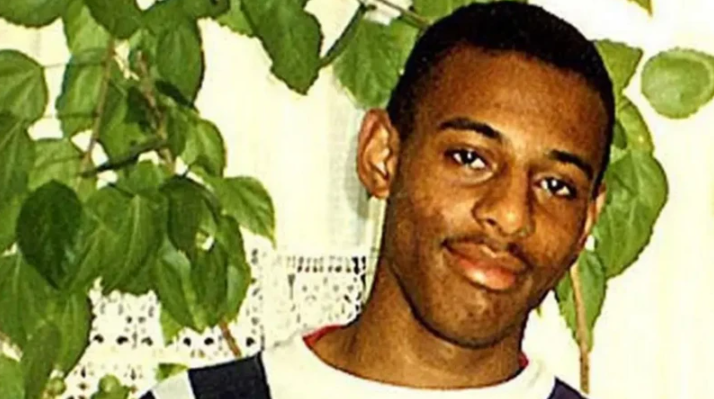
Related Articles
Allegations of Unlawful Reporting Methods in Stephen Lawrence Case Denied by Ex-Daily Mail Reporter
UK Police Intensify Investigation into Andrew Mountbatten-Windsor Amid Misconduct Allegations
Prince Andrew's Arrest Raises Questions About Royal Succession and Monarchy's Future
High Court Upholds Met Police's Freemasons Disclosure Policy

High Court Rules Palestine Action Ban Unlawful, Government to Appeal

Mountbatten-Windsor Under Scrutiny Amid Epstein Scandal Allegations
Stephen Lawrence Murderer David Norris Denied Parole Amid Continued Racist Behavior
In This Article
 Sofia Romano| Published
 HIGHLIGHTS
- David Norris, convicted for the 1993 racist murder of Stephen Lawrence, has been denied parole by the Parole Board.
- Norris admitted involvement in the attack during a parole hearing but refused to name other perpetrators.
- The case highlighted police failings, leading to the Metropolitan Police being labeled "institutionally racist."
- Norris's continued racist behavior in prison, including drug dealing and abuse, was cited in the parole decision.
- Stephen's mother, Baroness Doreen Lawrence, expressed relief at the decision but urged further investigation into other suspects.
David Norris, one of the men convicted for the 1993 racist murder of Stephen Lawrence, has been denied parole, maintaining his life sentence for the notorious crime. The Parole Board's decision comes after a hearing in October where Norris, now 49, sought release 13 years after his conviction alongside Gary Dobson.
Parole Hearing and Admission
During the hearing, Norris admitted to being part of the attack that led to the death of 18-year-old Stephen Lawrence, who was stabbed at a bus stop in Eltham, south-east London. Despite this admission, Norris refused to identify the other attackers, a point of contention for Stephen's mother, Baroness Doreen Lawrence. She stated, "He chose not to name the other murderers, despite accepting he could."
Continued Racist Conduct in Prison
The Parole Board's ruling highlighted Norris's ongoing racist behavior in prison, including drug dealing, possession of weapons, and abuse towards black and Muslim inmates. Reports indicated that Norris had used racist language as recently as 2022 and was suspected of grooming a vulnerable inmate into racist ideology. These actions were deemed evidence of his unchanged attitudes, undermining his claims of reformation.
Impact of the Case and Police Failings
The murder of Stephen Lawrence and the subsequent investigation exposed significant failings within the Metropolitan Police, leading to a public inquiry that branded the force "institutionally racist." Only Norris and Dobson have been convicted, despite police assertions that six individuals were involved. Baroness Lawrence continues to advocate for justice, urging the police to pursue further investigations based on Norris's admissions.
Family's Response and Ongoing Fight for Justice
Baroness Lawrence expressed relief at the parole decision, describing Norris as "a dangerous racist who should never be let out of prison." She emphasized the need for continued efforts to bring all responsible parties to justice, a sentiment echoed by Stephen's father, Neville Lawrence, who hopes for future revelations about the other perpetrators.
WHAT THIS MIGHT MEAN
The denial of parole for David Norris underscores the ongoing challenges in addressing the full scope of justice for Stephen Lawrence's murder. The case remains a pivotal example of systemic issues within law enforcement, with potential implications for future police reforms. Baroness Lawrence's call for further investigation into other suspects could prompt renewed scrutiny of the original investigation and pressure the Metropolitan Police to act on Norris's admissions. As the family continues their fight for justice, the case serves as a reminder of the enduring impact of institutional racism and the need for accountability.
Images from the Web
Related Articles
Allegations of Unlawful Reporting Methods in Stephen Lawrence Case Denied by Ex-Daily Mail Reporter
UK Police Intensify Investigation into Andrew Mountbatten-Windsor Amid Misconduct Allegations
Prince Andrew's Arrest Raises Questions About Royal Succession and Monarchy's Future
High Court Upholds Met Police's Freemasons Disclosure Policy
High Court Rules Palestine Action Ban Unlawful, Government to Appeal
Mountbatten-Windsor Under Scrutiny Amid Epstein Scandal Allegations