
DNA Analysis Redefines Origins of Roman-Era Skeleton, Beachy Head Woman
In This Article
HIGHLIGHTS
- Recent DNA analysis reveals the Beachy Head Woman likely originated from southern England, not sub-Saharan Africa.
- The skeleton, dating from Roman times, was initially thought to be the earliest known black Briton.
- Advances in genetic sequencing have provided a high-quality readout, clarifying her origins.
- The Beachy Head Woman was found in Eastbourne Town Hall in 2012, with her remains dating between AD 129 and 311.
- The findings highlight the evolving nature of scientific research and its impact on historical narratives.
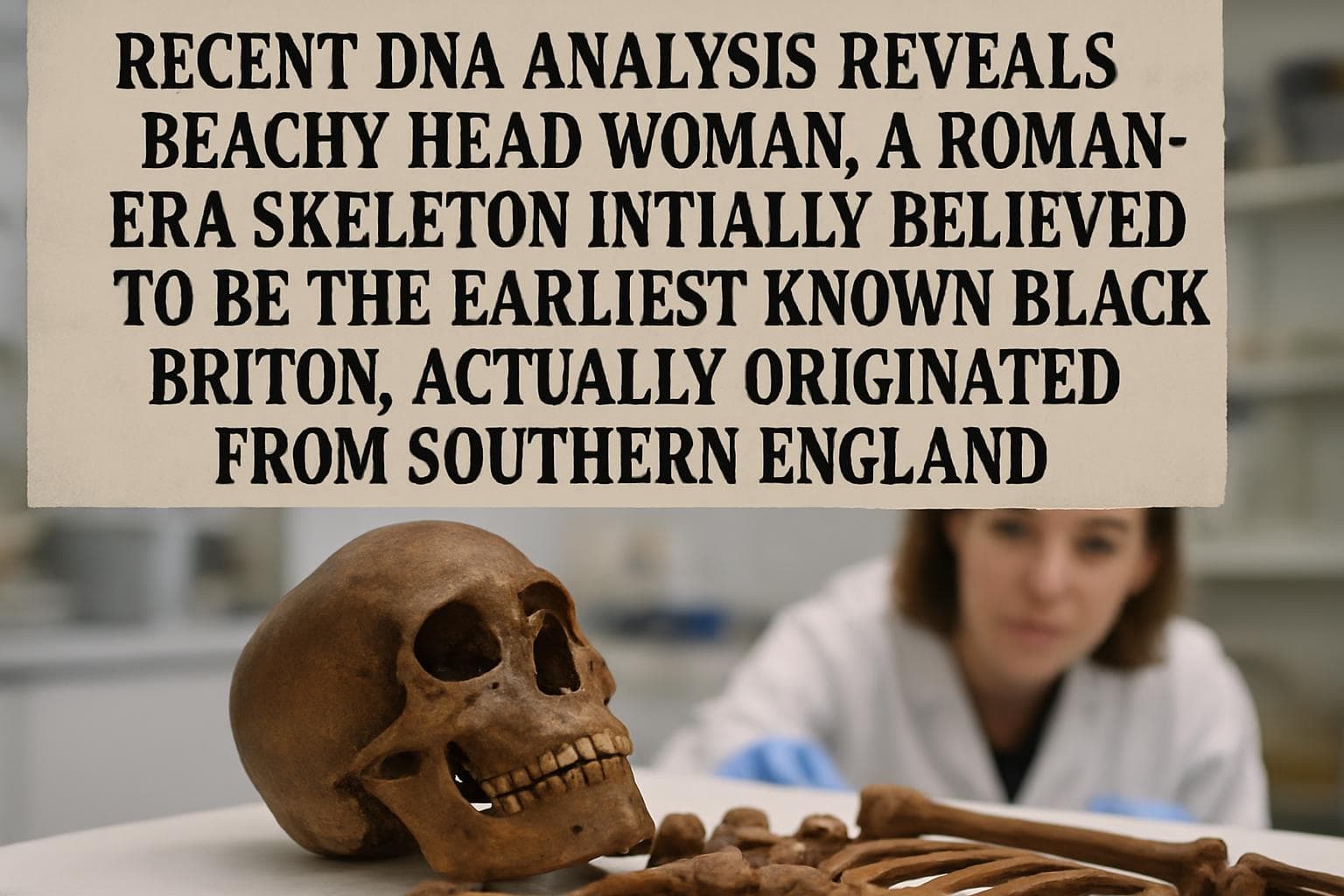
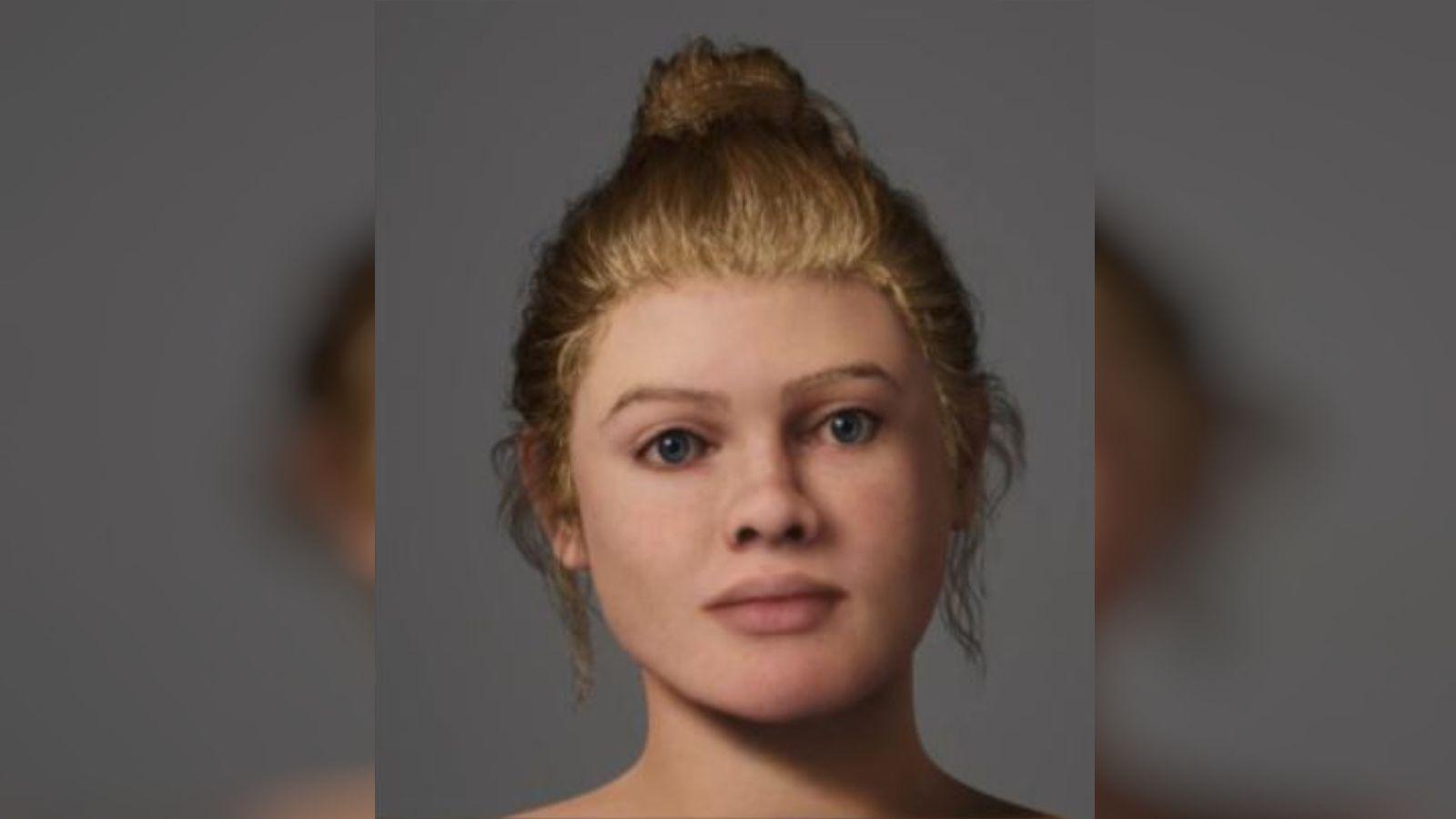
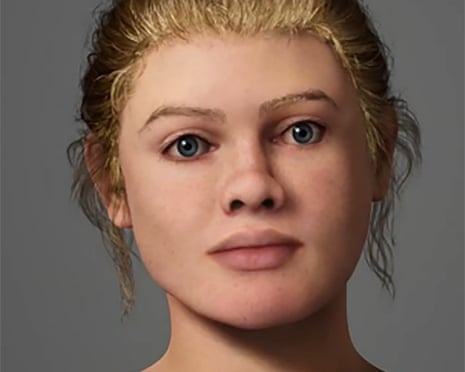
Recent advancements in DNA analysis have unveiled new insights into the origins of the Beachy Head Woman, a Roman-era skeleton once believed to be the earliest known black Briton. The skeletal remains, discovered in 2012 in Eastbourne Town Hall, have been re-evaluated, revealing that the woman likely hailed from southern England rather than sub-Saharan Africa.
Unveiling the Past
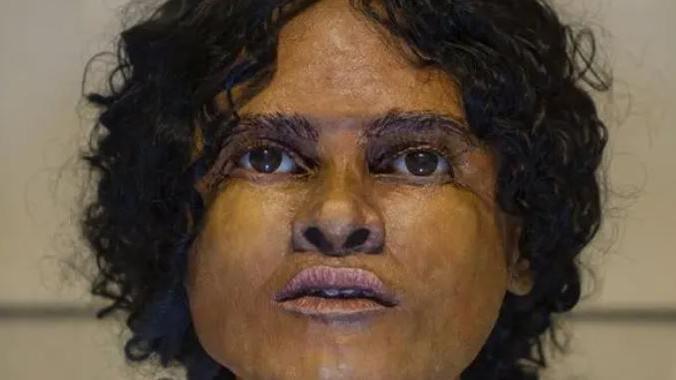
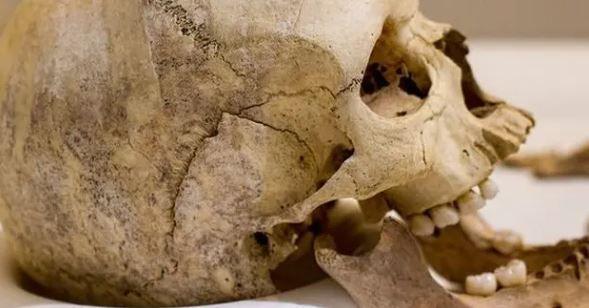
Initially, the Beachy Head Woman was thought to have African ancestry based on skull morphology. This led to her being celebrated as a significant historical figure, with a plaque commemorating her as the "first black Briton." However, subsequent DNA analysis suggested a different narrative. The latest research, published in the Journal of Archaeological Science, indicates a strong genetic similarity to individuals from rural Britain.
Scientific Advancements
The breakthrough came through the use of capture arrays, a technology that extracts tiny fragments of ancient DNA, allowing for a more comprehensive genetic sequence. Dr. Selina Brace of the Natural History Museum, a senior author of the study, noted that the Beachy Head Woman's story exemplifies the progression of scientific understanding. "She’s just this local girl who grew up in Eastbourne," Brace remarked, emphasizing the importance of continuous scientific inquiry.
Historical Context
Radiocarbon dating places the woman's death between AD 129 and 311, during the Roman occupation of Britain. Analysis of her remains suggests she was between 18 and 25 years old and stood at approximately 5 feet tall. Her diet, rich in seafood, aligns with a coastal lifestyle, further supporting her local origins.
Revisiting Historical Narratives
The initial belief in her African origin was featured in media and educational resources, including a BBC series. However, as forensic anthropologist Prof. Caroline Wilkinson explained, reliance on skull shape for ancestry classification has diminished due to overlapping facial variations across populations.
WHAT THIS MIGHT MEAN
The revelation about the Beachy Head Woman's origins underscores the dynamic nature of historical research and its reliance on technological advancements. As genetic sequencing techniques continue to evolve, they may further refine our understanding of ancient populations and migration patterns. This case also highlights the importance of revisiting historical narratives with new evidence, ensuring that public commemorations and educational materials reflect the most accurate information available. Moving forward, the integration of advanced scientific methods in archaeology could reshape our perception of history, offering a more nuanced view of past societies.
Images from the Web
Related Articles

Iranian Students Lead Major Protests Amid Rising US-Iran Tensions

Robert Carlyle Joins Line of Duty for Thrilling Seventh Series

Inside the Dark Web: How Investigator Greg Squire Rescues Children from Abuse

Gisèle Pelicot: A Journey from Horror to Advocacy in France's Largest Rape Trial

BBC Faces Major Budget Cuts Amid Declining Licence Fee Income

UK Faces Persistent Flooding Amid Record Wet Winter
DNA Analysis Redefines Origins of Roman-Era Skeleton, Beachy Head Woman
In This Article
 Sofia Romano| Published
 HIGHLIGHTS
- Recent DNA analysis reveals the Beachy Head Woman likely originated from southern England, not sub-Saharan Africa.
- The skeleton, dating from Roman times, was initially thought to be the earliest known black Briton.
- Advances in genetic sequencing have provided a high-quality readout, clarifying her origins.
- The Beachy Head Woman was found in Eastbourne Town Hall in 2012, with her remains dating between AD 129 and 311.
- The findings highlight the evolving nature of scientific research and its impact on historical narratives.
Recent advancements in DNA analysis have unveiled new insights into the origins of the Beachy Head Woman, a Roman-era skeleton once believed to be the earliest known black Briton. The skeletal remains, discovered in 2012 in Eastbourne Town Hall, have been re-evaluated, revealing that the woman likely hailed from southern England rather than sub-Saharan Africa.
Unveiling the Past
Initially, the Beachy Head Woman was thought to have African ancestry based on skull morphology. This led to her being celebrated as a significant historical figure, with a plaque commemorating her as the "first black Briton." However, subsequent DNA analysis suggested a different narrative. The latest research, published in the Journal of Archaeological Science, indicates a strong genetic similarity to individuals from rural Britain.
Scientific Advancements
The breakthrough came through the use of capture arrays, a technology that extracts tiny fragments of ancient DNA, allowing for a more comprehensive genetic sequence. Dr. Selina Brace of the Natural History Museum, a senior author of the study, noted that the Beachy Head Woman's story exemplifies the progression of scientific understanding. "She’s just this local girl who grew up in Eastbourne," Brace remarked, emphasizing the importance of continuous scientific inquiry.
Historical Context
Radiocarbon dating places the woman's death between AD 129 and 311, during the Roman occupation of Britain. Analysis of her remains suggests she was between 18 and 25 years old and stood at approximately 5 feet tall. Her diet, rich in seafood, aligns with a coastal lifestyle, further supporting her local origins.
Revisiting Historical Narratives
The initial belief in her African origin was featured in media and educational resources, including a BBC series. However, as forensic anthropologist Prof. Caroline Wilkinson explained, reliance on skull shape for ancestry classification has diminished due to overlapping facial variations across populations.
WHAT THIS MIGHT MEAN
The revelation about the Beachy Head Woman's origins underscores the dynamic nature of historical research and its reliance on technological advancements. As genetic sequencing techniques continue to evolve, they may further refine our understanding of ancient populations and migration patterns. This case also highlights the importance of revisiting historical narratives with new evidence, ensuring that public commemorations and educational materials reflect the most accurate information available. Moving forward, the integration of advanced scientific methods in archaeology could reshape our perception of history, offering a more nuanced view of past societies.
Images from the Web
Related Articles
Iranian Students Lead Major Protests Amid Rising US-Iran Tensions
Robert Carlyle Joins Line of Duty for Thrilling Seventh Series
Inside the Dark Web: How Investigator Greg Squire Rescues Children from Abuse
Gisèle Pelicot: A Journey from Horror to Advocacy in France's Largest Rape Trial
BBC Faces Major Budget Cuts Amid Declining Licence Fee Income
UK Faces Persistent Flooding Amid Record Wet Winter