
DOJ and FBI Confirm Epstein's Death as Suicide, No Secret Client List Found
In This Article
HIGHLIGHTS
- The US Department of Justice and FBI concluded that Jeffrey Epstein did not have a secret client list, contradicting conspiracy theories.
- Epstein's 2019 death was confirmed as a suicide, supported by surveillance footage from the Metropolitan Correctional Center.
- Investigators found no evidence to charge uncharged third parties, and no credible evidence of blackmail by Epstein.
- The DOJ's exhaustive review included over 300 gigabytes of data but did not uncover new incriminating evidence.
- Some Trump supporters and public figures expressed dissatisfaction with the findings, alleging a cover-up.
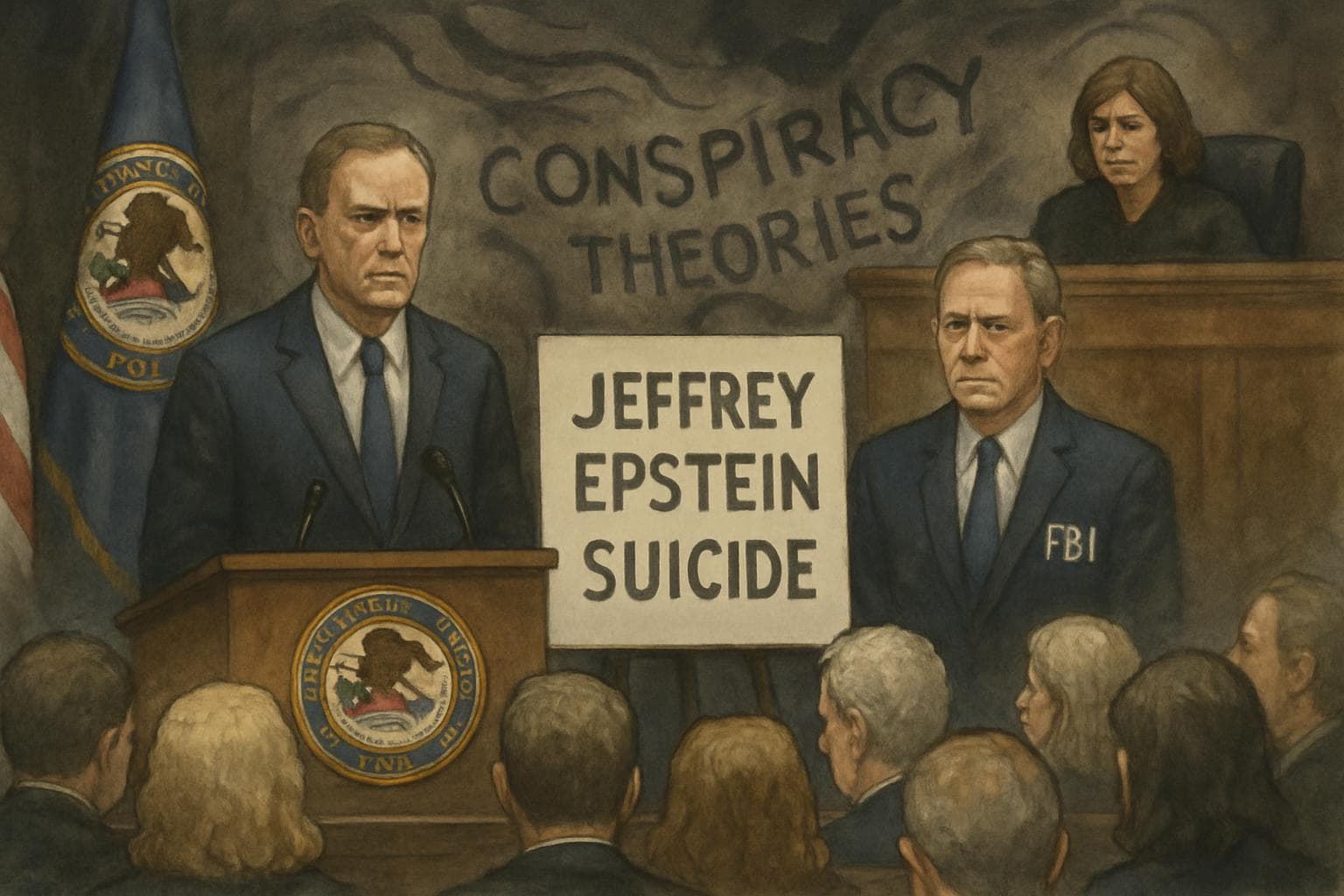
In a recent development, the US Department of Justice (DOJ) and the Federal Bureau of Investigation (FBI) have concluded their investigation into the late financier Jeffrey Epstein, affirming that there is no secret client list and that Epstein died by suicide in August 2019. This conclusion counters long-standing conspiracy theories suggesting otherwise.
Investigation Findings
The DOJ and FBI's comprehensive review of Epstein's case files revealed no evidence of a client list that could implicate high-profile individuals. The investigation, which included digital and physical searches, uncovered over 300 gigabytes of data but found no basis for further charges against uncharged third parties. Surveillance footage from the Metropolitan Correctional Center corroborated the medical examiner's conclusion that Epstein took his own life.
Public Reaction and Conspiracy Theories
Despite the findings, some supporters of former President Donald Trump and other public figures have expressed skepticism. Right-wing commentator Rogan O'Handley labeled the investigation a "shameful coverup," while Elon Musk voiced his disappointment on social media, highlighting the lack of new arrests. These reactions underscore the persistent belief among some groups that Epstein's death and the surrounding circumstances involve a broader conspiracy.
Legal Context and Previous Promises
Attorney General Pam Bondi had previously suggested the potential release of Epstein-related records, fueling public anticipation. However, the recent release of documents did not substantiate conspiracy theories. The DOJ emphasized its commitment to transparency, stating that the review did not uncover any new incriminating evidence or justify revisiting the disclosure of sensitive materials.
WHAT THIS MIGHT MEAN
The DOJ and FBI's findings may not quell the conspiracy theories surrounding Epstein's death, as public skepticism remains high. The lack of new charges or revelations could lead to further frustration among those seeking accountability for Epstein's associates. Legally, the conclusion of the investigation without additional charges may close the chapter on Epstein's case, but politically, it could continue to be a point of contention, particularly among Trump's supporters. As the discourse evolves, experts suggest that the focus may shift to broader discussions on transparency and accountability within the justice system.
Related Articles
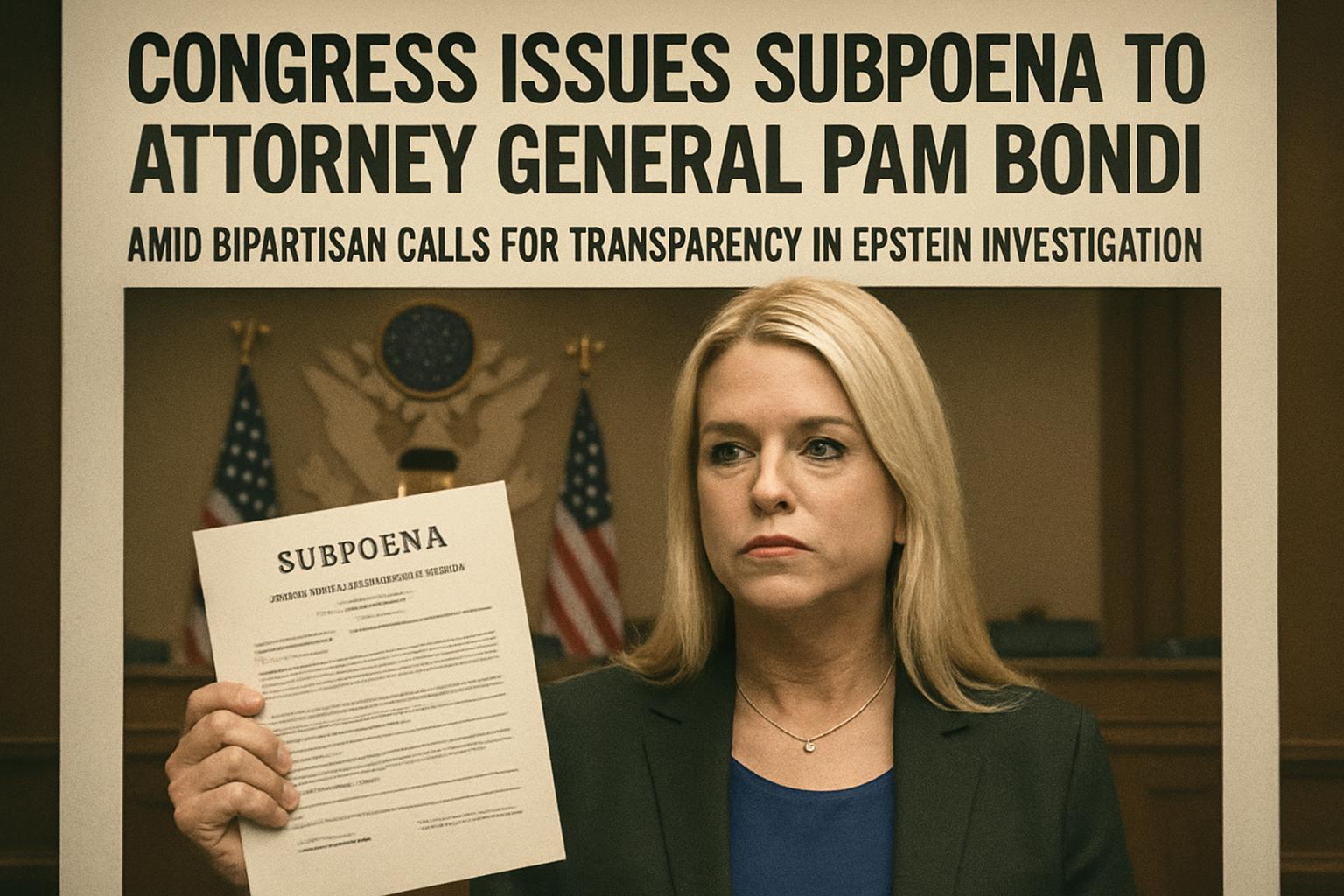
Congress Subpoenas Attorney General Bondi in Epstein Investigation
Elon Musk Defends Tweets in Twitter Takeover Trial
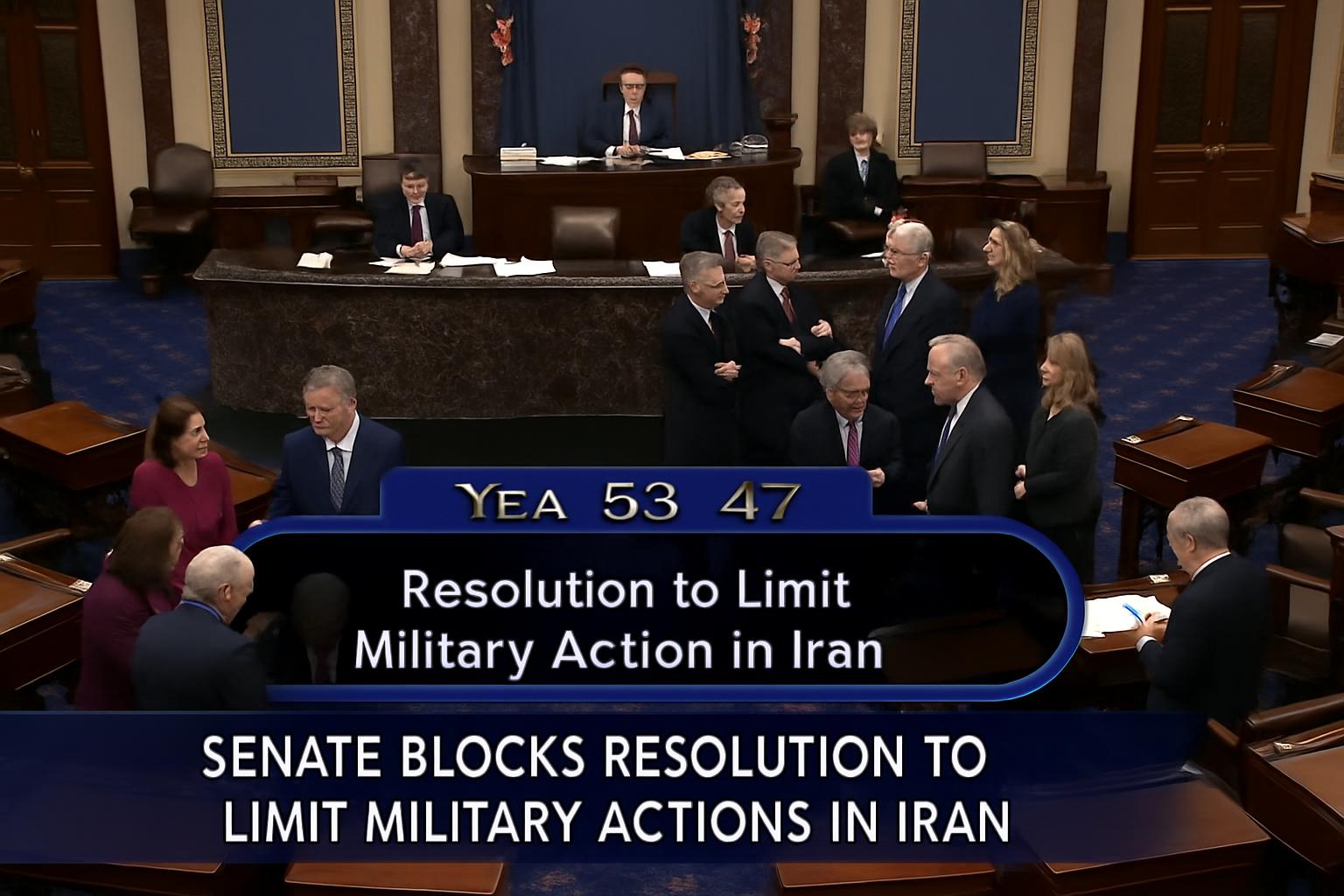
Senate Blocks Resolution to Limit Trump's Military Actions in Iran

Spain's Sánchez Stands Firm Against Trump's Trade Threat Over Iran Stance

US-Iran Tensions Escalate Amid Renewed Nuclear Talks and Protests

Greenland Politely Declines Trump's Hospital Ship Offer Amid Healthcare Debate
DOJ and FBI Confirm Epstein's Death as Suicide, No Secret Client List Found
In This Article
 Ethan Brooks| Published
 HIGHLIGHTS
- The US Department of Justice and FBI concluded that Jeffrey Epstein did not have a secret client list, contradicting conspiracy theories.
- Epstein's 2019 death was confirmed as a suicide, supported by surveillance footage from the Metropolitan Correctional Center.
- Investigators found no evidence to charge uncharged third parties, and no credible evidence of blackmail by Epstein.
- The DOJ's exhaustive review included over 300 gigabytes of data but did not uncover new incriminating evidence.
- Some Trump supporters and public figures expressed dissatisfaction with the findings, alleging a cover-up.
In a recent development, the US Department of Justice (DOJ) and the Federal Bureau of Investigation (FBI) have concluded their investigation into the late financier Jeffrey Epstein, affirming that there is no secret client list and that Epstein died by suicide in August 2019. This conclusion counters long-standing conspiracy theories suggesting otherwise.
Investigation Findings
The DOJ and FBI's comprehensive review of Epstein's case files revealed no evidence of a client list that could implicate high-profile individuals. The investigation, which included digital and physical searches, uncovered over 300 gigabytes of data but found no basis for further charges against uncharged third parties. Surveillance footage from the Metropolitan Correctional Center corroborated the medical examiner's conclusion that Epstein took his own life.
Public Reaction and Conspiracy Theories
Despite the findings, some supporters of former President Donald Trump and other public figures have expressed skepticism. Right-wing commentator Rogan O'Handley labeled the investigation a "shameful coverup," while Elon Musk voiced his disappointment on social media, highlighting the lack of new arrests. These reactions underscore the persistent belief among some groups that Epstein's death and the surrounding circumstances involve a broader conspiracy.
Legal Context and Previous Promises
Attorney General Pam Bondi had previously suggested the potential release of Epstein-related records, fueling public anticipation. However, the recent release of documents did not substantiate conspiracy theories. The DOJ emphasized its commitment to transparency, stating that the review did not uncover any new incriminating evidence or justify revisiting the disclosure of sensitive materials.
WHAT THIS MIGHT MEAN
The DOJ and FBI's findings may not quell the conspiracy theories surrounding Epstein's death, as public skepticism remains high. The lack of new charges or revelations could lead to further frustration among those seeking accountability for Epstein's associates. Legally, the conclusion of the investigation without additional charges may close the chapter on Epstein's case, but politically, it could continue to be a point of contention, particularly among Trump's supporters. As the discourse evolves, experts suggest that the focus may shift to broader discussions on transparency and accountability within the justice system.
Related Articles
Congress Subpoenas Attorney General Bondi in Epstein Investigation
Elon Musk Defends Tweets in Twitter Takeover Trial
Senate Blocks Resolution to Limit Trump's Military Actions in Iran
Spain's Sánchez Stands Firm Against Trump's Trade Threat Over Iran Stance
US-Iran Tensions Escalate Amid Renewed Nuclear Talks and Protests
Greenland Politely Declines Trump's Hospital Ship Offer Amid Healthcare Debate