
DOJ Restores Trump Photo in Epstein Files Amid Victim Protection Concerns
In This Article
HIGHLIGHTS
- The Department of Justice temporarily removed a photo featuring Donald Trump from the Epstein files due to concerns about victim exposure, later restoring it after review.
- Victims' rights groups prompted the removal of 16 files, citing potential exposure of victims' identities and images.
- Gloria Allred criticized the system for failing survivors by releasing under-redacted files, exposing victims' names and images.
- Bill Clinton's spokesperson accused the White House of using him as a scapegoat following the release of photos with Epstein.
- Maria Farmer's 1996 report to the FBI about Epstein's misconduct was ignored, potentially allowing further victimization.
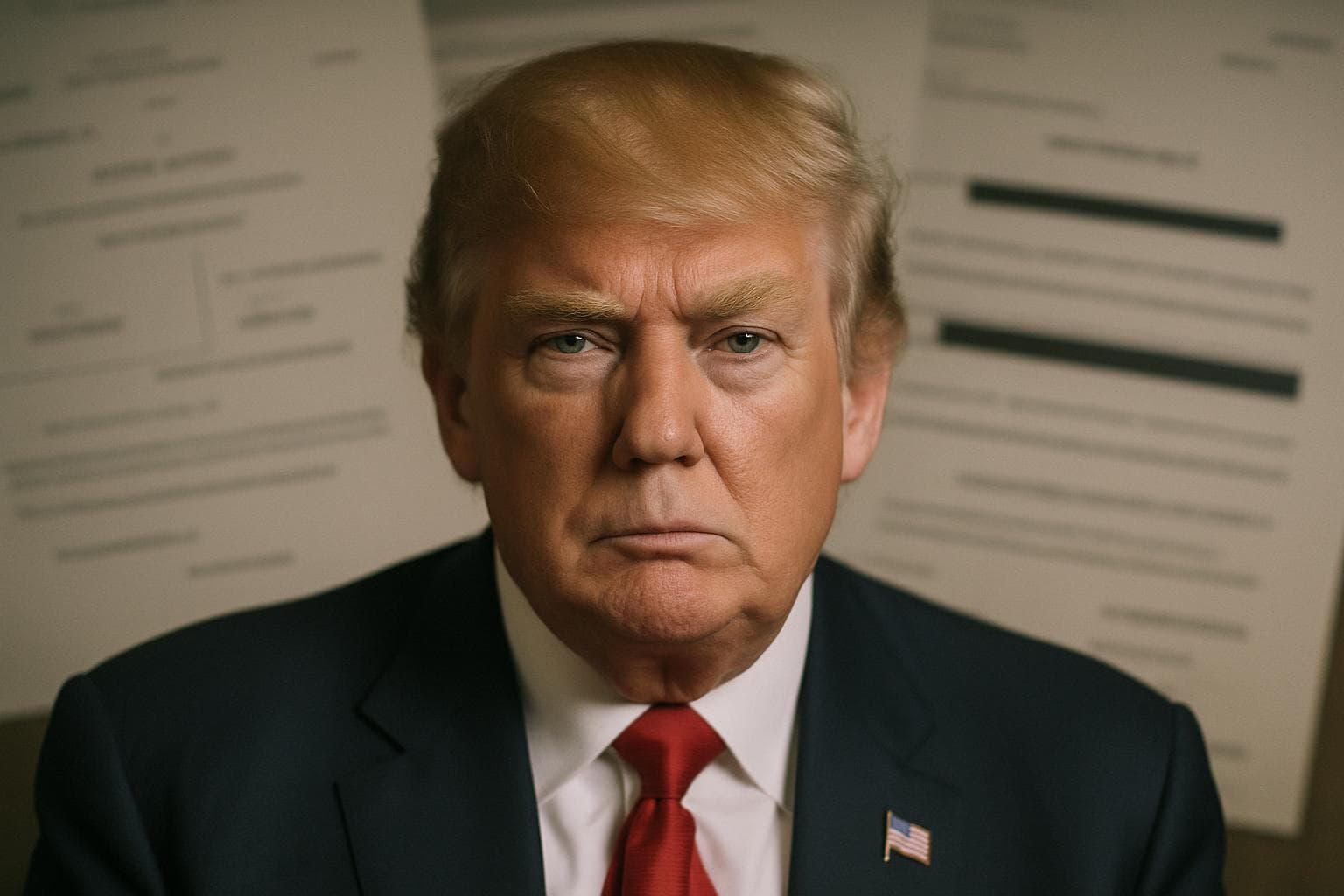
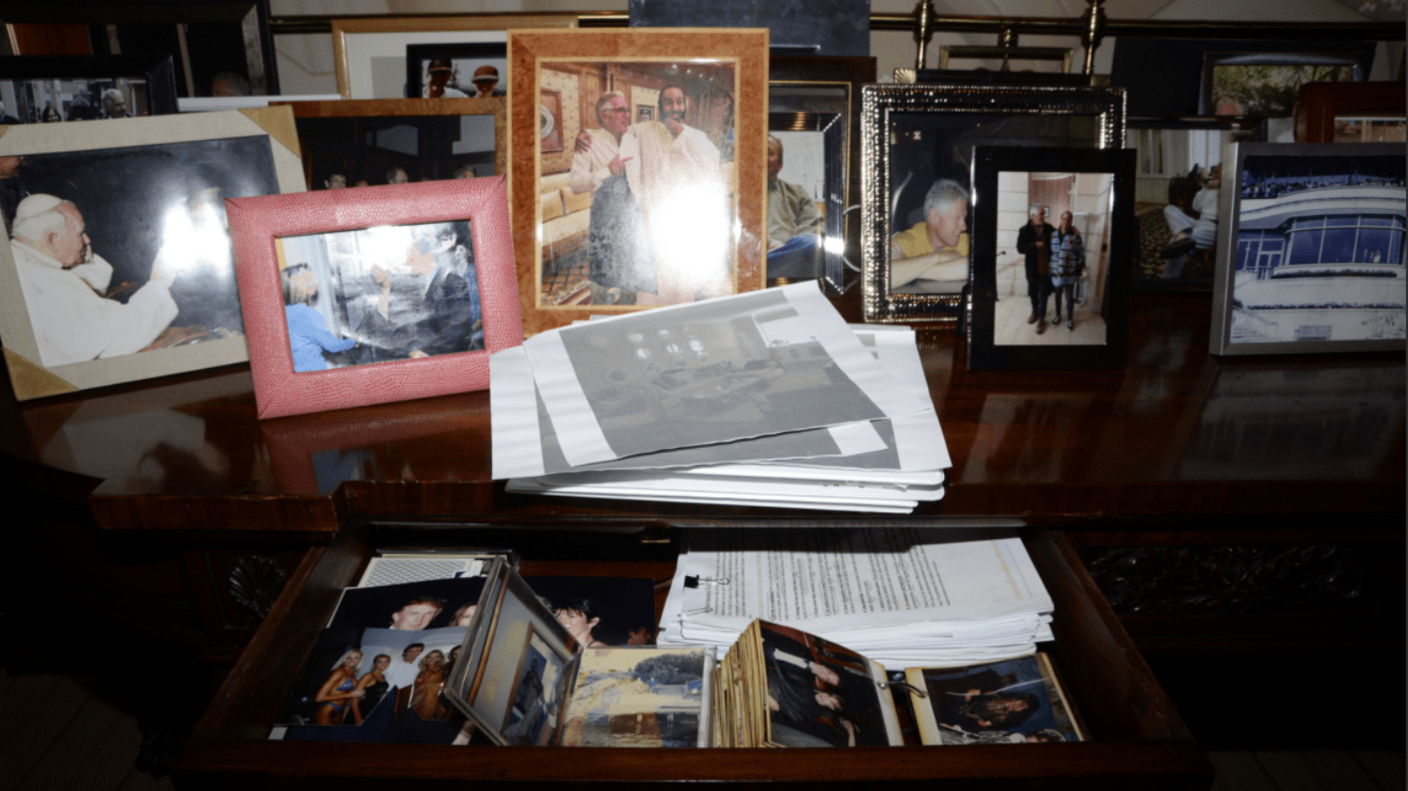
The U.S. Department of Justice (DOJ) has restored a controversial photograph featuring former President Donald Trump from the recently released Jeffrey Epstein files. The photo, initially removed due to concerns about exposing victims, was reinstated after a review confirmed it posed no risk. This development comes amid a broader debate over the handling of Epstein-related documents and the protection of victims' rights.
Victim Protection and Photo Removal
On Sunday, Deputy Attorney General Todd Blanche clarified that the removal of 16 files, including the Trump photo, was driven by requests from victims' advocacy groups. These groups expressed concerns that some images might inadvertently reveal the identities of Epstein's victims. "We don't have perfect information," Blanche told NBC News, emphasizing the DOJ's commitment to investigating any potential exposure risks before restoring the files.
Criticism from Victims' Advocates
Prominent victims' rights advocate Gloria Allred criticized the DOJ for releasing files that were allegedly under-redacted, exposing victims' names and images. "The system has failed the survivors," Allred stated, highlighting the need for greater sensitivity in handling such sensitive information. The DOJ's actions have sparked accusations of political interference, particularly from Democrats who questioned the motives behind the photo's initial removal.
Political Repercussions and Clinton's Response
The release of Epstein files has also drawn political scrutiny, with a spokesperson for Bill Clinton accusing the White House of using the former president as a scapegoat. Photos showing Clinton with Epstein and Ghislaine Maxwell were part of the document release, prompting Clinton's spokesperson to assert that the focus should remain on the broader implications of the Epstein scandal, rather than individual associations.
Ignored Warnings and Missed Opportunities
The controversy extends beyond recent events, as newly released documents reveal that Maria Farmer, an artist who worked for Epstein, reported his misconduct to the FBI in 1996. Her warnings went unheeded, potentially allowing Epstein to continue his abusive activities for years. Farmer's attorney, Jennifer Freeman, expressed both relief and frustration, noting that timely action could have spared many victims.
WHAT THIS MIGHT MEAN
The DOJ's handling of the Epstein files underscores ongoing challenges in balancing transparency with victim protection. As the investigation continues, the DOJ may face increased pressure to ensure that all released documents are thoroughly vetted to prevent further exposure of victims. Politically, the situation could fuel partisan debates, particularly if further associations between public figures and Epstein emerge. Legal experts suggest that Congress may pursue additional oversight measures to ensure compliance with disclosure laws, potentially leading to further legal and political ramifications.
Images from the Web

Related Articles
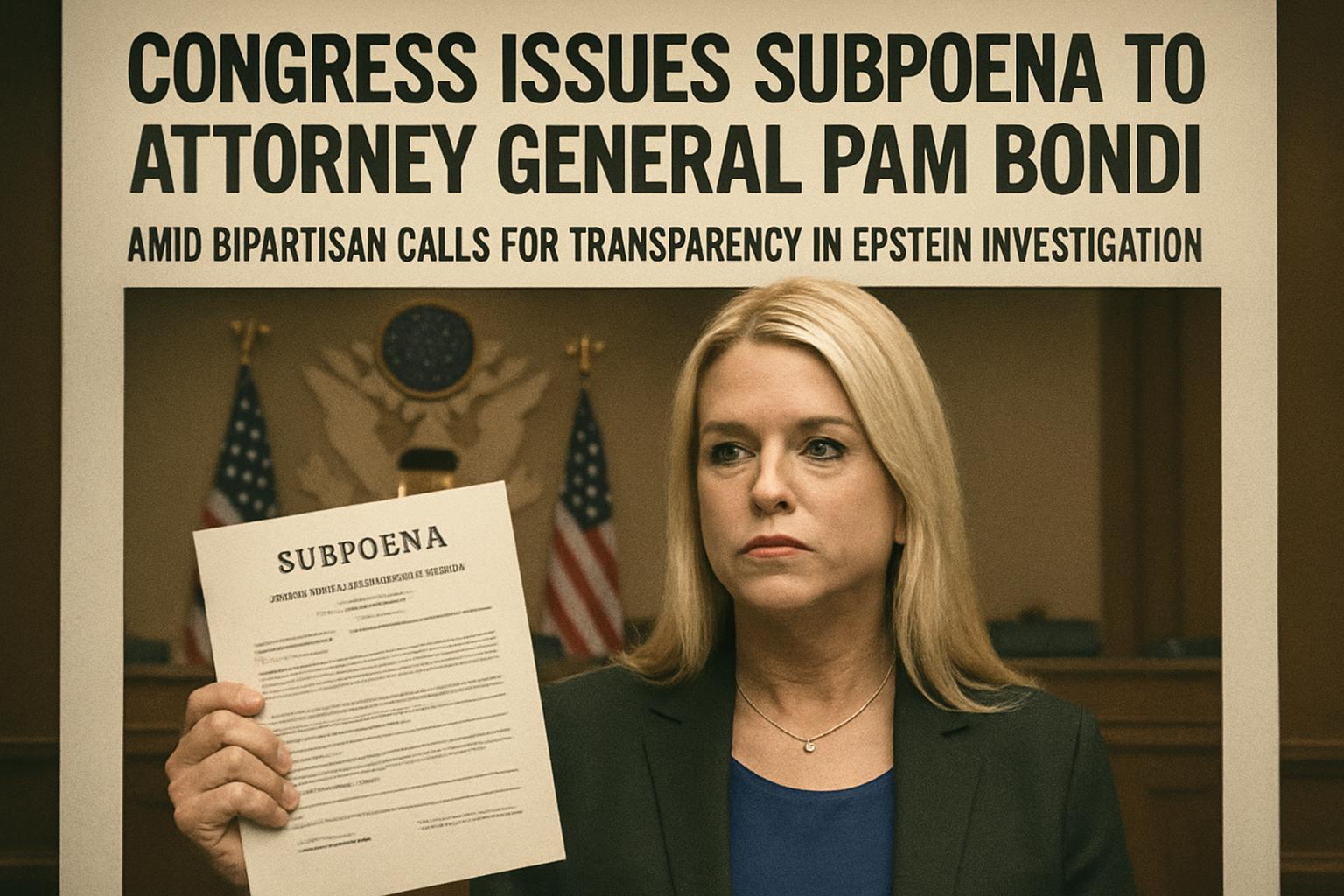
Congress Subpoenas Attorney General Bondi in Epstein Investigation
Spain's Sánchez Stands Firm Against Trump's Trade Threat Over Iran Stance
Senate Blocks Resolution to Limit Trump's Military Actions in Iran

Armed Intruder Fatally Shot at Mar-a-Lago by Secret Service

US-Iran Tensions Escalate Amid Renewed Nuclear Talks and Protests

Greenland Politely Declines Trump's Hospital Ship Offer Amid Healthcare Debate
DOJ Restores Trump Photo in Epstein Files Amid Victim Protection Concerns
In This Article
 Ethan Brooks| Published
 HIGHLIGHTS
- The Department of Justice temporarily removed a photo featuring Donald Trump from the Epstein files due to concerns about victim exposure, later restoring it after review.
- Victims' rights groups prompted the removal of 16 files, citing potential exposure of victims' identities and images.
- Gloria Allred criticized the system for failing survivors by releasing under-redacted files, exposing victims' names and images.
- Bill Clinton's spokesperson accused the White House of using him as a scapegoat following the release of photos with Epstein.
- Maria Farmer's 1996 report to the FBI about Epstein's misconduct was ignored, potentially allowing further victimization.
The U.S. Department of Justice (DOJ) has restored a controversial photograph featuring former President Donald Trump from the recently released Jeffrey Epstein files. The photo, initially removed due to concerns about exposing victims, was reinstated after a review confirmed it posed no risk. This development comes amid a broader debate over the handling of Epstein-related documents and the protection of victims' rights.
Victim Protection and Photo Removal
On Sunday, Deputy Attorney General Todd Blanche clarified that the removal of 16 files, including the Trump photo, was driven by requests from victims' advocacy groups. These groups expressed concerns that some images might inadvertently reveal the identities of Epstein's victims. "We don't have perfect information," Blanche told NBC News, emphasizing the DOJ's commitment to investigating any potential exposure risks before restoring the files.
Criticism from Victims' Advocates
Prominent victims' rights advocate Gloria Allred criticized the DOJ for releasing files that were allegedly under-redacted, exposing victims' names and images. "The system has failed the survivors," Allred stated, highlighting the need for greater sensitivity in handling such sensitive information. The DOJ's actions have sparked accusations of political interference, particularly from Democrats who questioned the motives behind the photo's initial removal.
Political Repercussions and Clinton's Response
The release of Epstein files has also drawn political scrutiny, with a spokesperson for Bill Clinton accusing the White House of using the former president as a scapegoat. Photos showing Clinton with Epstein and Ghislaine Maxwell were part of the document release, prompting Clinton's spokesperson to assert that the focus should remain on the broader implications of the Epstein scandal, rather than individual associations.
Ignored Warnings and Missed Opportunities
The controversy extends beyond recent events, as newly released documents reveal that Maria Farmer, an artist who worked for Epstein, reported his misconduct to the FBI in 1996. Her warnings went unheeded, potentially allowing Epstein to continue his abusive activities for years. Farmer's attorney, Jennifer Freeman, expressed both relief and frustration, noting that timely action could have spared many victims.
WHAT THIS MIGHT MEAN
The DOJ's handling of the Epstein files underscores ongoing challenges in balancing transparency with victim protection. As the investigation continues, the DOJ may face increased pressure to ensure that all released documents are thoroughly vetted to prevent further exposure of victims. Politically, the situation could fuel partisan debates, particularly if further associations between public figures and Epstein emerge. Legal experts suggest that Congress may pursue additional oversight measures to ensure compliance with disclosure laws, potentially leading to further legal and political ramifications.
Images from the Web
Related Articles
Congress Subpoenas Attorney General Bondi in Epstein Investigation
Spain's Sánchez Stands Firm Against Trump's Trade Threat Over Iran Stance
Senate Blocks Resolution to Limit Trump's Military Actions in Iran
Armed Intruder Fatally Shot at Mar-a-Lago by Secret Service
US-Iran Tensions Escalate Amid Renewed Nuclear Talks and Protests
Greenland Politely Declines Trump's Hospital Ship Offer Amid Healthcare Debate