
Devastating Earthquake in Eastern Afghanistan Claims Over 800 Lives
In This Article
HIGHLIGHTS
- A 6.0 magnitude earthquake struck eastern Afghanistan, killing over 800 people and injuring approximately 2,500.
- The quake's epicenter was near Jalalabad, affecting Kunar and Nangarhar provinces, with significant infrastructure damage reported.
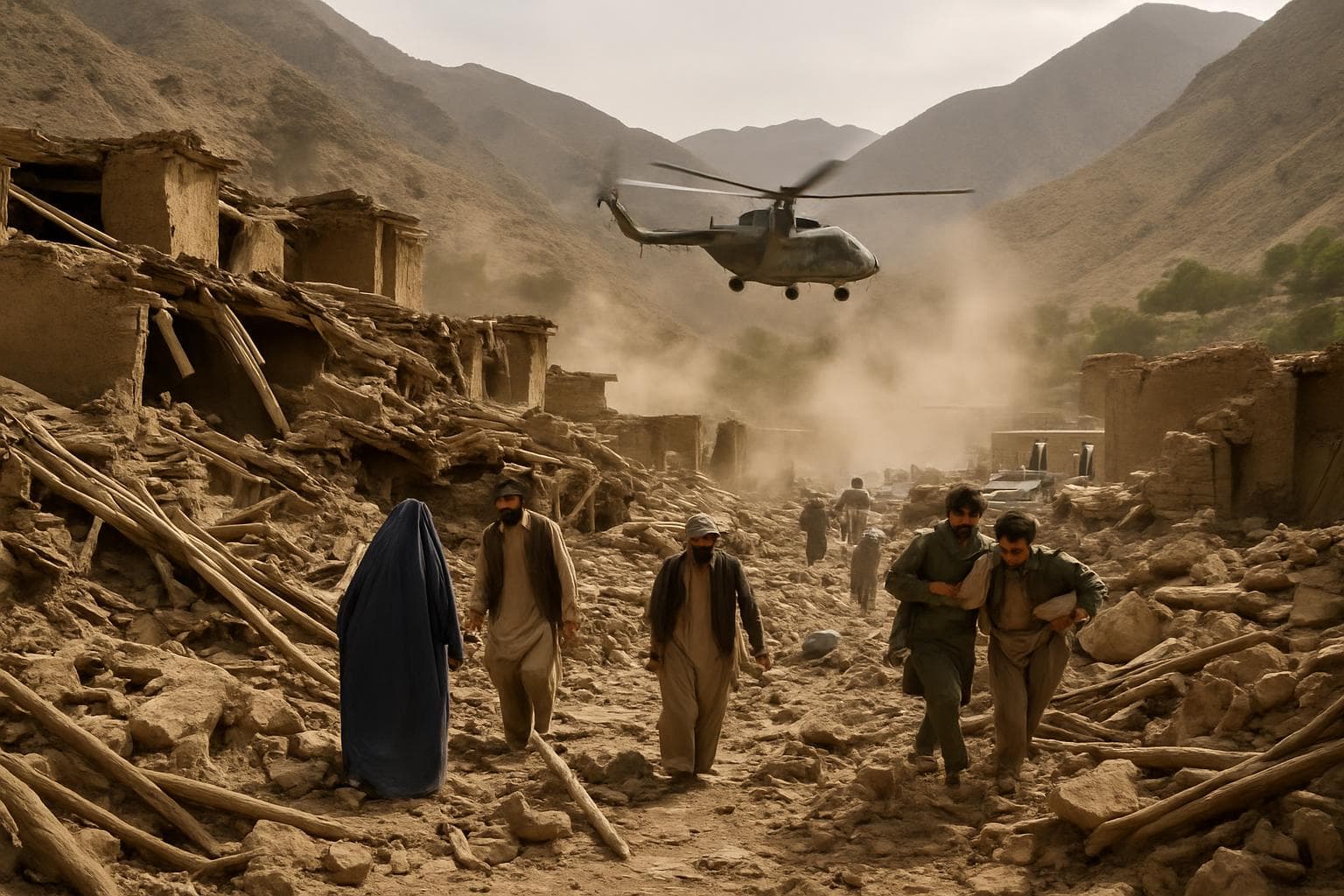
- Rescue efforts are hindered by blocked roads and landslides, prompting the use of helicopters for evacuation.
- The Taliban government has requested international aid, emphasizing the need for medical supplies, shelter, and clean water.
- The region's challenging terrain and limited communication are complicating relief operations and casualty assessments.
A powerful earthquake measuring 6.0 on the Richter scale has devastated eastern Afghanistan, leaving at least 800 people dead and injuring around 2,500, according to Taliban officials. The earthquake struck late Sunday night, with its epicenter located 27 kilometers from Jalalabad in Nangarhar province. The shallow quake, which occurred at a depth of just 8 kilometers, was felt as far away as Kabul and neighboring Pakistan.
Impact on Kunar and Nangarhar Provinces
The provinces of Kunar and Nangarhar bore the brunt of the disaster, with entire villages in regions like Chawki and Nurgal reported to be completely or partially destroyed. Homes constructed from mud and timber collapsed, trapping residents under the rubble. The Taliban's interior ministry has confirmed that the majority of casualties occurred in these areas, with roads blocked by landslides further complicating rescue efforts.
Challenges in Rescue Operations
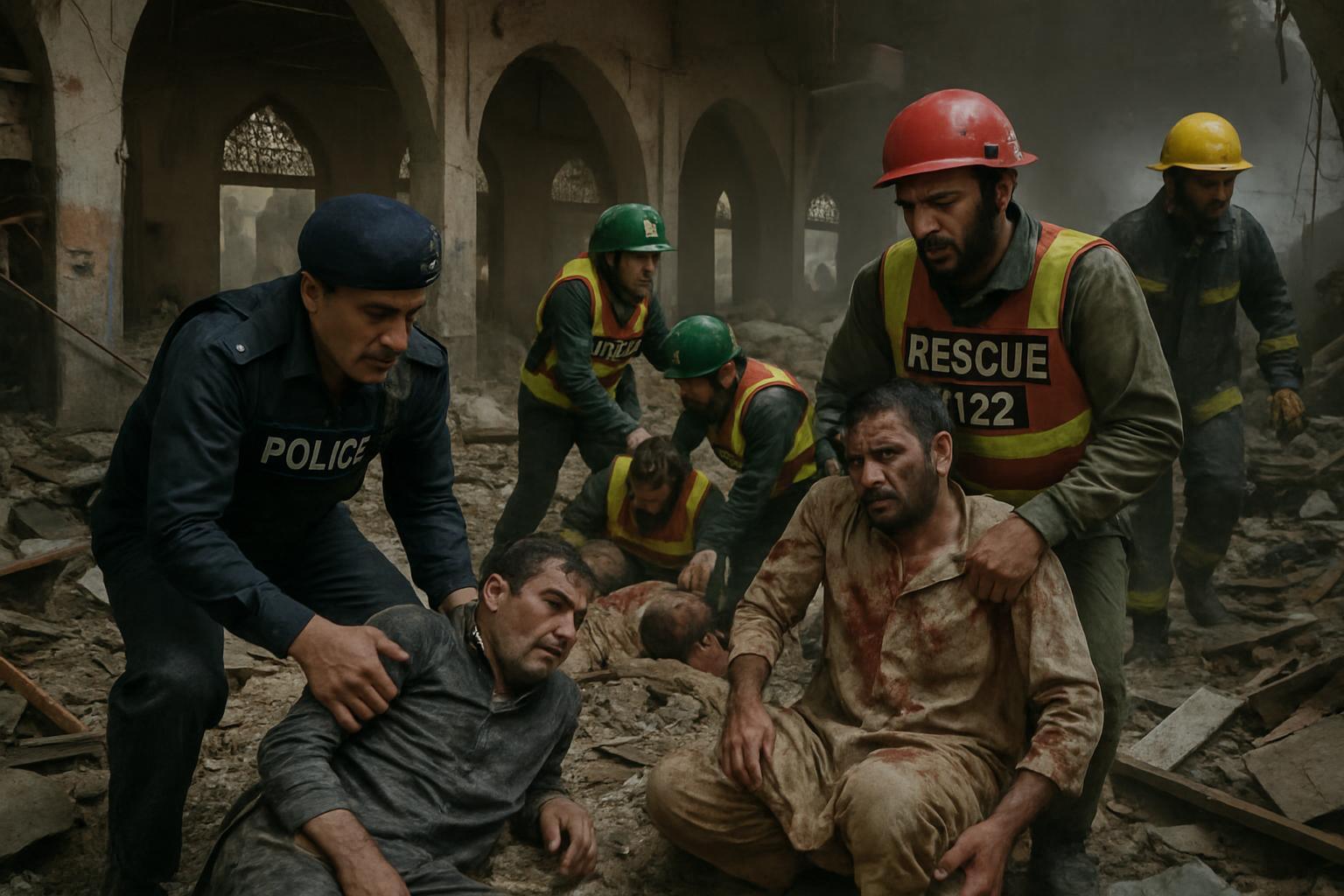
Rescue operations are underway, but the mountainous terrain and damaged infrastructure are significant obstacles. Helicopters have been deployed to evacuate the injured, while local hospitals are overwhelmed with casualties. Rasheed Khan, a resident of Kabul originally from Kunar, expressed his despair: "It's doomsday for me. I have lost my wife, three children, and two brothers."
International Aid and Humanitarian Response
The Taliban government has called for international assistance, highlighting the urgent need for field hospitals, medical supplies, and clean drinking water. Organizations like the Red Cross and UNICEF are on the ground, providing emergency aid. However, the withdrawal of foreign aid since the Taliban's return to power in 2021 has left Afghanistan's healthcare system ill-equipped to handle such crises.
Aftershocks and Future Concerns
The earthquake was followed by several aftershocks, raising fears of further destruction. Jeremy Smith of the Red Cross noted the challenges posed by the remote location and the potential for more aftershocks in the coming days.
WHAT THIS MIGHT MEAN
The aftermath of this earthquake could exacerbate Afghanistan's existing humanitarian crises, particularly in regions already struggling with poverty and limited resources. The international community's response will be crucial in providing immediate relief and long-term support to rebuild infrastructure and healthcare systems. However, the political dynamics following the Taliban's takeover may influence the extent and nature of foreign aid. As rescue operations continue, the death toll is expected to rise, highlighting the urgent need for coordinated global efforts to address the disaster's impact.
Related Articles
Pakistan's Airstrikes on Afghanistan Escalate Cross-Border Tensions
Indonesia Prepares Historic Troop Deployment to Gaza Under US Peace Plan
Deadly Attacks in Balochistan Highlight Ongoing Insurgency
Deadly Suicide Bombing at Islamabad Mosque Claims Over 30 Lives

Iran Signals Openness to US Talks Amid Rising Tensions

Sisters Tragically Drown at Eryri National Park's Watkin Path
Devastating Earthquake in Eastern Afghanistan Claims Over 800 Lives
In This Article
 James Okoro| Published
 HIGHLIGHTS
- A 6.0 magnitude earthquake struck eastern Afghanistan, killing over 800 people and injuring approximately 2,500.
- The quake's epicenter was near Jalalabad, affecting Kunar and Nangarhar provinces, with significant infrastructure damage reported.
- Rescue efforts are hindered by blocked roads and landslides, prompting the use of helicopters for evacuation.
- The Taliban government has requested international aid, emphasizing the need for medical supplies, shelter, and clean water.
- The region's challenging terrain and limited communication are complicating relief operations and casualty assessments.
A powerful earthquake measuring 6.0 on the Richter scale has devastated eastern Afghanistan, leaving at least 800 people dead and injuring around 2,500, according to Taliban officials. The earthquake struck late Sunday night, with its epicenter located 27 kilometers from Jalalabad in Nangarhar province. The shallow quake, which occurred at a depth of just 8 kilometers, was felt as far away as Kabul and neighboring Pakistan.
Impact on Kunar and Nangarhar Provinces
The provinces of Kunar and Nangarhar bore the brunt of the disaster, with entire villages in regions like Chawki and Nurgal reported to be completely or partially destroyed. Homes constructed from mud and timber collapsed, trapping residents under the rubble. The Taliban's interior ministry has confirmed that the majority of casualties occurred in these areas, with roads blocked by landslides further complicating rescue efforts.
Challenges in Rescue Operations
Rescue operations are underway, but the mountainous terrain and damaged infrastructure are significant obstacles. Helicopters have been deployed to evacuate the injured, while local hospitals are overwhelmed with casualties. Rasheed Khan, a resident of Kabul originally from Kunar, expressed his despair: "It's doomsday for me. I have lost my wife, three children, and two brothers."
International Aid and Humanitarian Response
The Taliban government has called for international assistance, highlighting the urgent need for field hospitals, medical supplies, and clean drinking water. Organizations like the Red Cross and UNICEF are on the ground, providing emergency aid. However, the withdrawal of foreign aid since the Taliban's return to power in 2021 has left Afghanistan's healthcare system ill-equipped to handle such crises.
Aftershocks and Future Concerns
The earthquake was followed by several aftershocks, raising fears of further destruction. Jeremy Smith of the Red Cross noted the challenges posed by the remote location and the potential for more aftershocks in the coming days.
WHAT THIS MIGHT MEAN
The aftermath of this earthquake could exacerbate Afghanistan's existing humanitarian crises, particularly in regions already struggling with poverty and limited resources. The international community's response will be crucial in providing immediate relief and long-term support to rebuild infrastructure and healthcare systems. However, the political dynamics following the Taliban's takeover may influence the extent and nature of foreign aid. As rescue operations continue, the death toll is expected to rise, highlighting the urgent need for coordinated global efforts to address the disaster's impact.
Related Articles
Pakistan's Airstrikes on Afghanistan Escalate Cross-Border Tensions
Indonesia Prepares Historic Troop Deployment to Gaza Under US Peace Plan
Deadly Attacks in Balochistan Highlight Ongoing Insurgency
Deadly Suicide Bombing at Islamabad Mosque Claims Over 30 Lives
Iran Signals Openness to US Talks Amid Rising Tensions
Sisters Tragically Drown at Eryri National Park's Watkin Path