
Elon Musk Reflects on 'Somewhat Successful' Government Efficiency Role
In This Article
HIGHLIGHTS
- Elon Musk described his leadership of the Department of Government Efficiency (Doge) as "somewhat successful" but would not repeat the experience.
- Doge, created under President Trump's administration, aimed to cut federal jobs and reduce government spending, claiming $214 billion in savings.
- Musk's involvement in Doge led to significant backlash, including protests and vandalism against Tesla, impacting the company's sales.
- Over 200,000 federal workers were laid off, with 75,000 accepting buyouts, but the actual savings were disputed due to a lack of public accounting.
- Musk's relationship with Trump deteriorated, culminating in a public falling-out and Musk's eventual departure from Doge.
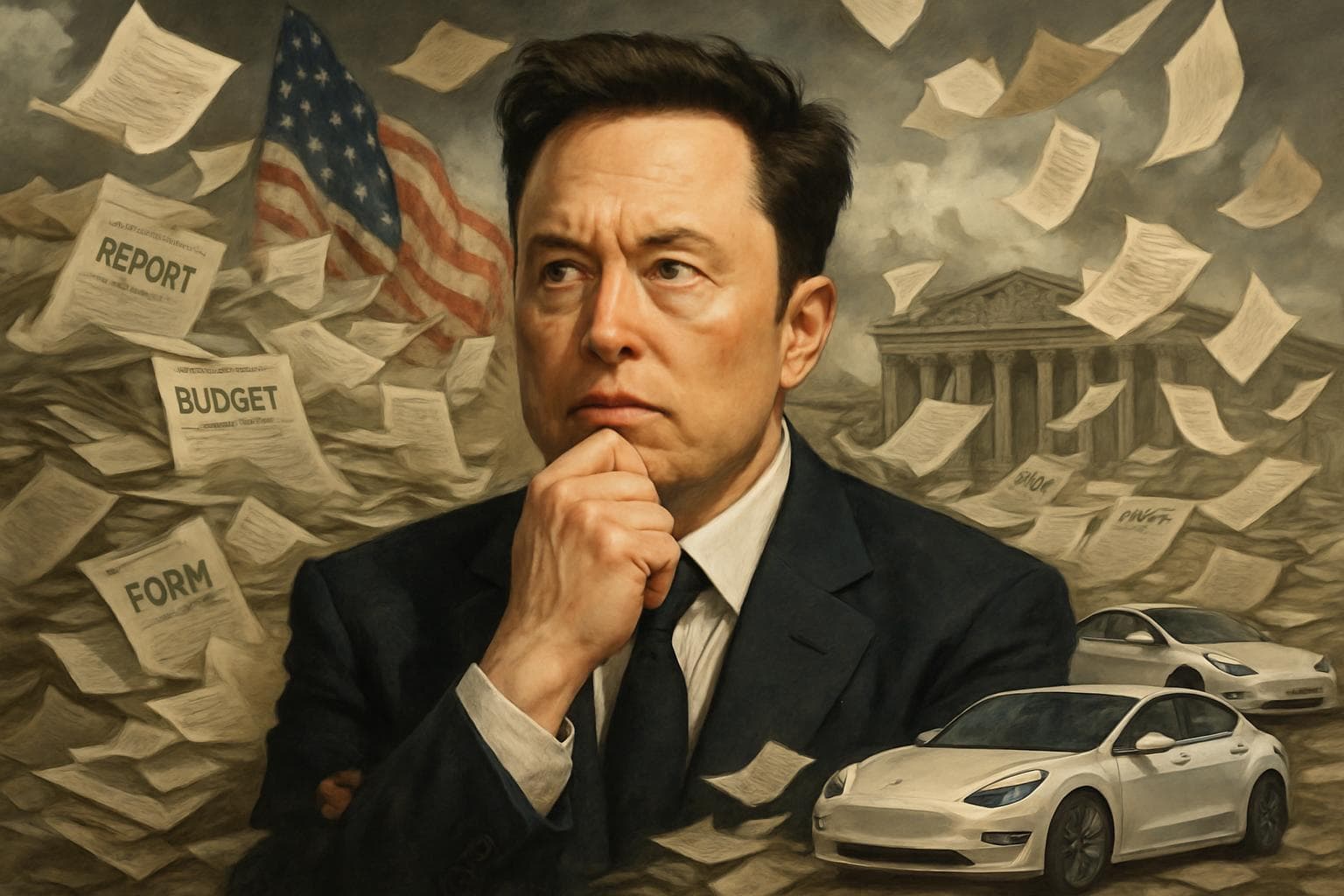
Elon Musk, the billionaire CEO of Tesla and SpaceX, recently reflected on his controversial tenure leading the Department of Government Efficiency (Doge) under President Donald Trump. Speaking on The Katie Miller Podcast, Musk described the initiative as "somewhat successful" but admitted he would not undertake the role again.
A Controversial Initiative
Established by executive order during Trump's second term, Doge aimed to streamline the federal government by cutting jobs and shuttering programs. Musk, who spearheaded the initiative, initially promised to save up to $2 trillion annually. However, Doge's website claims only $214 billion in savings so far this year, a figure that remains contentious due to a lack of public accounting.
Backlash and Business Impact
Musk's political involvement sparked significant backlash, including global protests and vandalism targeting Tesla showrooms. The company's sales plummeted to a three-year low, with Musk acknowledging that his focus on Doge detracted from his business responsibilities. "I think instead of doing Doge, I would have basically worked on my companies," Musk stated, referencing the vandalism incidents.
Federal Workforce Reductions
Doge's aggressive cost-cutting measures resulted in over 200,000 federal workers being laid off, with an additional 75,000 accepting buyouts. Despite claims of billions saved, experts remain skeptical, citing the absence of transparent financial records. The initiative faced criticism for its ideological stance against liberal policies, including refugee services and transgender rights.
A Strained Political Relationship
Musk's relationship with Trump, once close, soured following his departure from Doge. Despite donating millions to Trump's campaign and participating in White House events, Musk's exit led to a public falling-out. Nevertheless, Musk remains unbowed by his government stint, focusing on his business ventures, including a potential $25 billion IPO for SpaceX next year.
WHAT THIS MIGHT MEAN
As Musk distances himself from his political foray, the implications for his business interests and public image remain uncertain. The fallout from Doge may continue to affect Tesla's market performance, especially if political tensions persist. Experts suggest that Musk's experience could serve as a cautionary tale for business leaders considering political roles. Meanwhile, the broader impact on federal workforce morale and efficiency remains a topic of debate, with potential long-term effects on government operations and public trust.
Related Articles
Elon Musk Defends Tweets in Twitter Takeover Trial

Tech Giants Pledge to Cover AI Data Center Energy Costs Amid Rising Electricity Concerns
Spain's Sánchez Stands Firm Against Trump's Trade Threat Over Iran Stance

Congress Subpoenas Attorney General Bondi in Epstein Investigation

Cuba Faces Widespread Blackout Amid Deepening Fuel Crisis

UK Faces Dilemmas Amid Iran Conflict and China Spying Allegations
Elon Musk Reflects on 'Somewhat Successful' Government Efficiency Role
In This Article
 Daniel Rivera| Published
 HIGHLIGHTS
- Elon Musk described his leadership of the Department of Government Efficiency (Doge) as "somewhat successful" but would not repeat the experience.
- Doge, created under President Trump's administration, aimed to cut federal jobs and reduce government spending, claiming $214 billion in savings.
- Musk's involvement in Doge led to significant backlash, including protests and vandalism against Tesla, impacting the company's sales.
- Over 200,000 federal workers were laid off, with 75,000 accepting buyouts, but the actual savings were disputed due to a lack of public accounting.
- Musk's relationship with Trump deteriorated, culminating in a public falling-out and Musk's eventual departure from Doge.
Elon Musk, the billionaire CEO of Tesla and SpaceX, recently reflected on his controversial tenure leading the Department of Government Efficiency (Doge) under President Donald Trump. Speaking on The Katie Miller Podcast, Musk described the initiative as "somewhat successful" but admitted he would not undertake the role again.
A Controversial Initiative
Established by executive order during Trump's second term, Doge aimed to streamline the federal government by cutting jobs and shuttering programs. Musk, who spearheaded the initiative, initially promised to save up to $2 trillion annually. However, Doge's website claims only $214 billion in savings so far this year, a figure that remains contentious due to a lack of public accounting.
Backlash and Business Impact
Musk's political involvement sparked significant backlash, including global protests and vandalism targeting Tesla showrooms. The company's sales plummeted to a three-year low, with Musk acknowledging that his focus on Doge detracted from his business responsibilities. "I think instead of doing Doge, I would have basically worked on my companies," Musk stated, referencing the vandalism incidents.
Federal Workforce Reductions
Doge's aggressive cost-cutting measures resulted in over 200,000 federal workers being laid off, with an additional 75,000 accepting buyouts. Despite claims of billions saved, experts remain skeptical, citing the absence of transparent financial records. The initiative faced criticism for its ideological stance against liberal policies, including refugee services and transgender rights.
A Strained Political Relationship
Musk's relationship with Trump, once close, soured following his departure from Doge. Despite donating millions to Trump's campaign and participating in White House events, Musk's exit led to a public falling-out. Nevertheless, Musk remains unbowed by his government stint, focusing on his business ventures, including a potential $25 billion IPO for SpaceX next year.
WHAT THIS MIGHT MEAN
As Musk distances himself from his political foray, the implications for his business interests and public image remain uncertain. The fallout from Doge may continue to affect Tesla's market performance, especially if political tensions persist. Experts suggest that Musk's experience could serve as a cautionary tale for business leaders considering political roles. Meanwhile, the broader impact on federal workforce morale and efficiency remains a topic of debate, with potential long-term effects on government operations and public trust.
Related Articles
Elon Musk Defends Tweets in Twitter Takeover Trial
Tech Giants Pledge to Cover AI Data Center Energy Costs Amid Rising Electricity Concerns
Spain's Sánchez Stands Firm Against Trump's Trade Threat Over Iran Stance
Congress Subpoenas Attorney General Bondi in Epstein Investigation
Cuba Faces Widespread Blackout Amid Deepening Fuel Crisis
UK Faces Dilemmas Amid Iran Conflict and China Spying Allegations