
Calls to End Two-Child Benefit Cap as Child Poverty in England Reaches 'Dickensian' Levels
In This Article
HIGHLIGHTS
- England's children's commissioner, Dame Rachel de Souza, highlights "Dickensian" poverty levels affecting children, urging the removal of the two-child benefit cap.
- A government report reveals children living with rats, lacking basic necessities like food and clean clothes, and facing normalized deprivation.
- The Institute for Fiscal Studies estimates that lifting the benefit cap could cost £3.4bn annually but would alleviate poverty for 500,000 children.
- The UK government has announced a £1bn package to combat child poverty, yet the Labour party's child poverty strategy remains delayed.
- The two-child limit, introduced in 2017, affects 1.6 million children, with calls for its removal intensifying amid ongoing economic challenges.
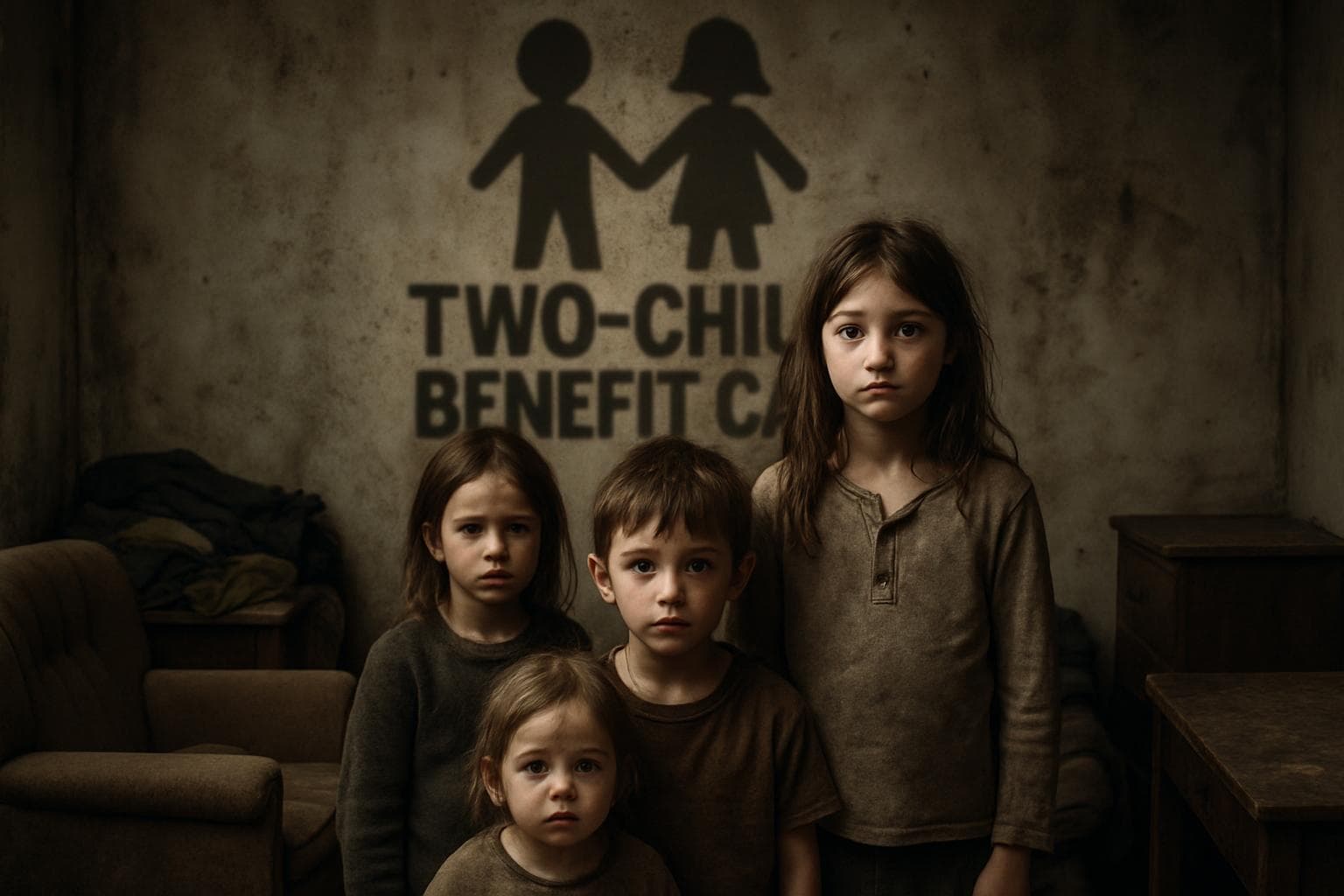
In a stark revelation, England's children's commissioner, Dame Rachel de Souza, has described the living conditions of many children in the country as "almost Dickensian." Her comments come amid growing calls to abolish the two-child benefit cap, a policy that has been linked to exacerbating child poverty.
Living Conditions and Government Response
A recent government-commissioned report has painted a grim picture of the hardships faced by children in England. Accounts from young people describe living in homes plagued by rats, lacking basic amenities such as sufficient food and clean clothes, and enduring moldy and overcrowded living spaces. These conditions, once considered adult concerns, are now a daily reality for many children, according to de Souza.
The UK government has responded with a £1bn package aimed at improving crisis support and ensuring that the poorest children do not go hungry outside of school terms. However, the effectiveness of these measures is under scrutiny, as the Labour party's child poverty strategy has been delayed, and the education secretary has indicated that recent welfare policy reversals have complicated further spending decisions.
Economic Implications of the Two-Child Cap
The two-child benefit cap, implemented in 2017, restricts child tax credit and Universal Credit to the first two children in most households. This policy affects approximately 1.6 million children, with the Child Poverty Action Group estimating that 109 children are pulled into poverty daily due to the cap.
The Institute for Fiscal Studies has projected that removing the cap would cost the government around £3.4bn annually but could lift 500,000 children out of relative poverty. Despite these figures, the government remains hesitant to commit to policy changes, citing budgetary constraints.
Voices from the Ground
De Souza, who has served as children's commissioner for four years, expressed shock at the worsening conditions. "It's really Dickensian," she remarked, emphasizing the need for structural changes to address the root causes of poverty. She recounted stories of children unable to invite friends over due to shame about their living conditions, highlighting the emotional toll of poverty.
WHAT THIS MIGHT MEAN
The debate over the two-child benefit cap is likely to intensify as economic pressures mount and public awareness of child poverty grows. Should the government decide to lift the cap, it could significantly reduce child poverty rates, though it would require substantial financial investment. Conversely, maintaining the status quo may lead to increased scrutiny and criticism from advocacy groups and the public.
Experts suggest that any effective child poverty strategy must address both immediate needs and long-term structural issues, such as affordable housing and access to education. As the UK navigates these challenges, the voices of affected children and families will be crucial in shaping future policies.
Related Articles
Government Announces £4 Billion Overhaul of SEND Support in England
US Supreme Court Ruling on Tariffs Sparks Uncertainty for UK and Global Trade
UK Government Announces Major Overhaul of SEND System with £3.4 Billion Investment
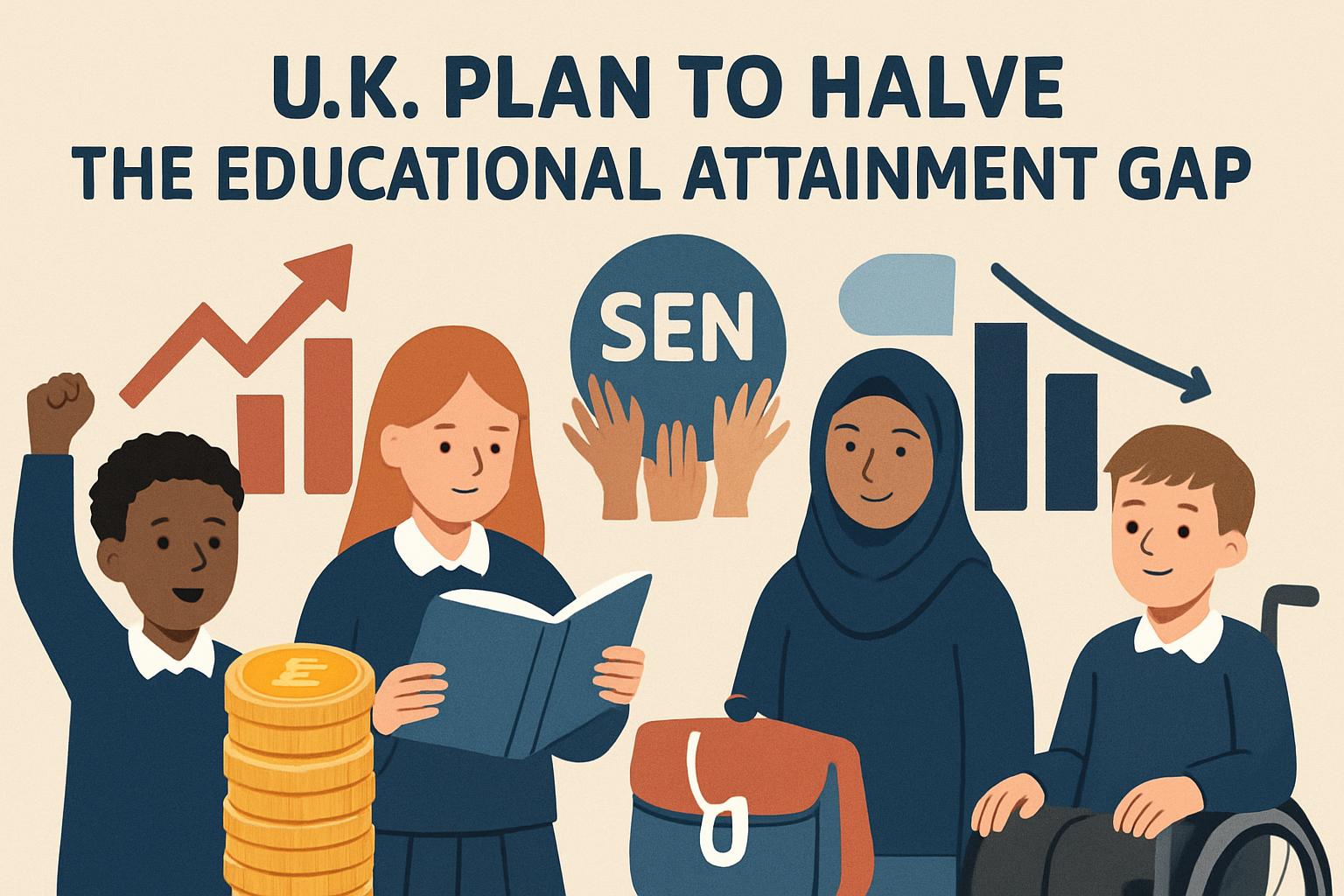
Government Unveils Ambitious Plan to Halve Attainment Gap in England's Schools
UK Government's SEND Reforms: A Critical Turning Point for Special Education

UK Government Eases Deer Culling to Protect Woodlands and Farmland
Calls to End Two-Child Benefit Cap as Child Poverty in England Reaches 'Dickensian' Levels
In This Article
 Daniel Rivera| Published
 HIGHLIGHTS
- England's children's commissioner, Dame Rachel de Souza, highlights "Dickensian" poverty levels affecting children, urging the removal of the two-child benefit cap.
- A government report reveals children living with rats, lacking basic necessities like food and clean clothes, and facing normalized deprivation.
- The Institute for Fiscal Studies estimates that lifting the benefit cap could cost £3.4bn annually but would alleviate poverty for 500,000 children.
- The UK government has announced a £1bn package to combat child poverty, yet the Labour party's child poverty strategy remains delayed.
- The two-child limit, introduced in 2017, affects 1.6 million children, with calls for its removal intensifying amid ongoing economic challenges.
In a stark revelation, England's children's commissioner, Dame Rachel de Souza, has described the living conditions of many children in the country as "almost Dickensian." Her comments come amid growing calls to abolish the two-child benefit cap, a policy that has been linked to exacerbating child poverty.
Living Conditions and Government Response
A recent government-commissioned report has painted a grim picture of the hardships faced by children in England. Accounts from young people describe living in homes plagued by rats, lacking basic amenities such as sufficient food and clean clothes, and enduring moldy and overcrowded living spaces. These conditions, once considered adult concerns, are now a daily reality for many children, according to de Souza.
The UK government has responded with a £1bn package aimed at improving crisis support and ensuring that the poorest children do not go hungry outside of school terms. However, the effectiveness of these measures is under scrutiny, as the Labour party's child poverty strategy has been delayed, and the education secretary has indicated that recent welfare policy reversals have complicated further spending decisions.
Economic Implications of the Two-Child Cap
The two-child benefit cap, implemented in 2017, restricts child tax credit and Universal Credit to the first two children in most households. This policy affects approximately 1.6 million children, with the Child Poverty Action Group estimating that 109 children are pulled into poverty daily due to the cap.
The Institute for Fiscal Studies has projected that removing the cap would cost the government around £3.4bn annually but could lift 500,000 children out of relative poverty. Despite these figures, the government remains hesitant to commit to policy changes, citing budgetary constraints.
Voices from the Ground
De Souza, who has served as children's commissioner for four years, expressed shock at the worsening conditions. "It's really Dickensian," she remarked, emphasizing the need for structural changes to address the root causes of poverty. She recounted stories of children unable to invite friends over due to shame about their living conditions, highlighting the emotional toll of poverty.
WHAT THIS MIGHT MEAN
The debate over the two-child benefit cap is likely to intensify as economic pressures mount and public awareness of child poverty grows. Should the government decide to lift the cap, it could significantly reduce child poverty rates, though it would require substantial financial investment. Conversely, maintaining the status quo may lead to increased scrutiny and criticism from advocacy groups and the public.
Experts suggest that any effective child poverty strategy must address both immediate needs and long-term structural issues, such as affordable housing and access to education. As the UK navigates these challenges, the voices of affected children and families will be crucial in shaping future policies.
Related Articles
Government Announces £4 Billion Overhaul of SEND Support in England
US Supreme Court Ruling on Tariffs Sparks Uncertainty for UK and Global Trade
UK Government Announces Major Overhaul of SEND System with £3.4 Billion Investment
Government Unveils Ambitious Plan to Halve Attainment Gap in England's Schools
UK Government's SEND Reforms: A Critical Turning Point for Special Education
UK Government Eases Deer Culling to Protect Woodlands and Farmland