
England Proposes Vaping Ban in Cars with Children to Protect Public Health
In This Article
HIGHLIGHTS
- England plans to ban vaping in cars with children and in areas like playgrounds and outside schools.
- The proposed legislation is part of a broader effort to reduce secondhand smoke and protect public health.
- A 12-week public consultation will inform the final regulations of the Tobacco and Vapes Bill.
- The bill aims to create a smoke-free generation and address rising youth vaping concerns.
- The consultation ends on 8 May 2026, with implementation expected to follow existing smoke-free laws.
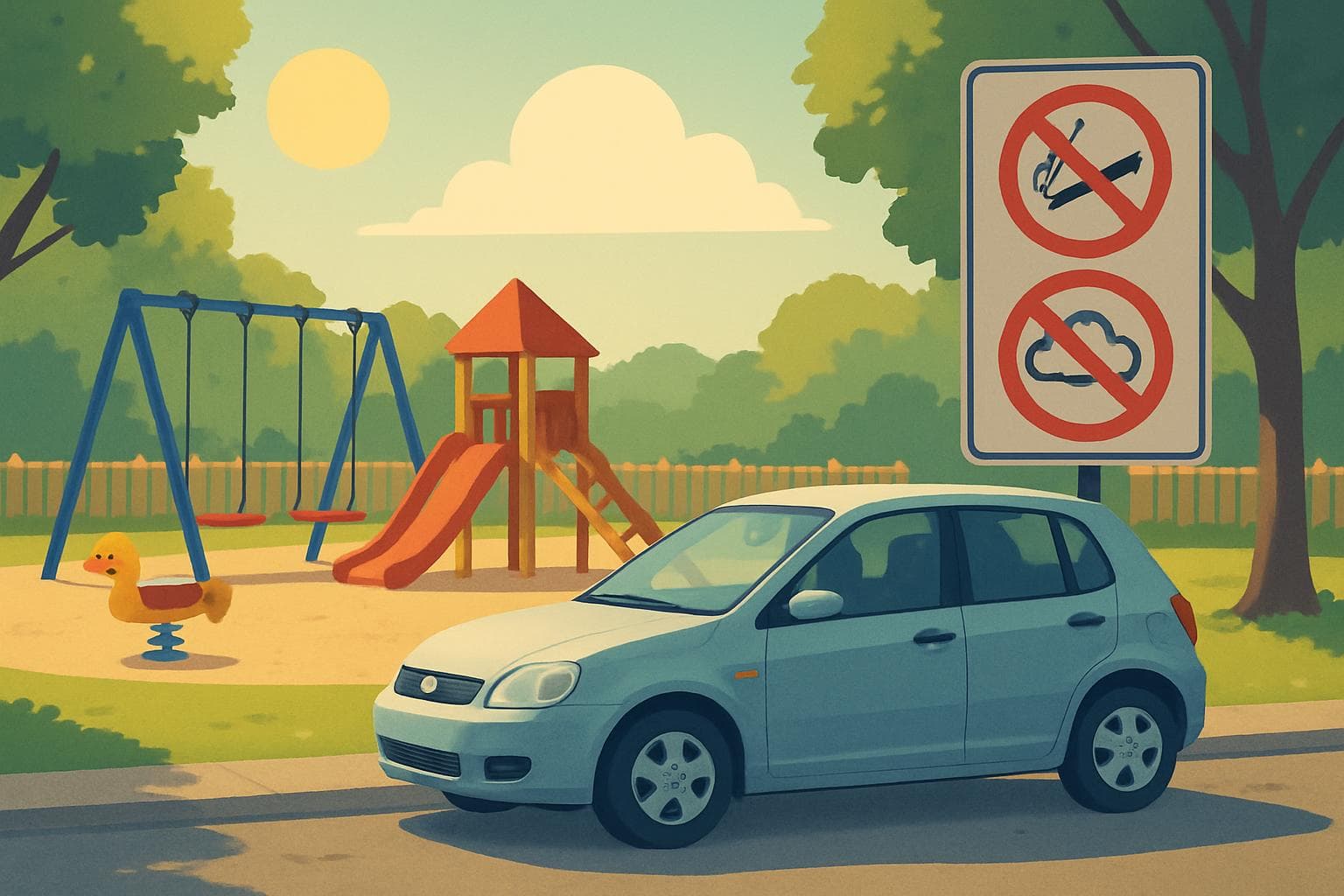
In a significant move to safeguard public health, the UK government has unveiled plans to ban vaping in cars carrying children, as well as in playgrounds and outside schools. This initiative is part of the broader Tobacco and Vapes Bill, which aims to mitigate the harmful effects of secondhand smoke and vaping emissions. The proposed legislation, which is currently under a 12-week public consultation, seeks to extend existing smoke-free laws to include vaping and heated tobacco products in specific settings across England.
Protecting the Vulnerable
Health Secretary Wes Streeting emphasized the importance of these measures, stating, "Secondhand smoke increases the risk of heart disease and lung cancer, and we want to protect children and the sick from harm." England's Chief Medical Officer, Prof Sir Chris Whitty, highlighted the significant health risks associated with secondhand smoke, including asthma, poor birth outcomes, and several cancers. The government aims to shift focus from treating illnesses to preventing them, thereby reducing the burden on the NHS and fostering a healthier society.
Public Consultation and Legislative Process
The public consultation, which began on Friday, invites opinions on various aspects of the proposed ban, such as potential exemptions and methods for informing the public about the new restrictions. The findings will shape future regulations under the Tobacco and Vapes Bill, which aspires to create a smoke-free generation and curb youth vaping. The consultation will conclude on 8 May 2026, with a minimum six-month period before the regulations come into force.
Balancing Health and Support
While the proposed measures aim to protect children and vulnerable individuals, they also consider the needs of adults trying to quit smoking. Vaping will still be permitted in certain areas, such as outside hospitals, to support those transitioning away from traditional smoking. Caroline Cerny, deputy chief executive of Action on Smoking and Health, noted the importance of balancing child protection with supporting adults who smoke to switch to vapes.
WHAT THIS MIGHT MEAN
If the proposed vaping ban is implemented, it could set a precedent for other regions considering similar public health measures. The legislation may face challenges in balancing public health priorities with individual freedoms, particularly in private spaces like cars. Experts suggest that the success of these measures will depend on effective public communication and enforcement strategies. As the consultation progresses, the government will need to carefully consider feedback to ensure the regulations are both practical and effective in achieving their health objectives.
Related Articles
Persistent Safety Concerns in Nottingham Maternity Services Amidst Calls for Systemic Reform

Government Announces £4 Billion Overhaul of SEND Support in England
UK Government Announces Major Overhaul of SEND System with £3.4 Billion Investment

Birmingham's Proactive Approach to Measles Outbreak Offers Lessons for North London
Government Unveils Ambitious Plan to Halve Attainment Gap in England's Schools

UK Government's SEND Reforms: A Critical Turning Point for Special Education
England Proposes Vaping Ban in Cars with Children to Protect Public Health
In This Article
 Maya Singh| Published
 HIGHLIGHTS
- England plans to ban vaping in cars with children and in areas like playgrounds and outside schools.
- The proposed legislation is part of a broader effort to reduce secondhand smoke and protect public health.
- A 12-week public consultation will inform the final regulations of the Tobacco and Vapes Bill.
- The bill aims to create a smoke-free generation and address rising youth vaping concerns.
- The consultation ends on 8 May 2026, with implementation expected to follow existing smoke-free laws.
In a significant move to safeguard public health, the UK government has unveiled plans to ban vaping in cars carrying children, as well as in playgrounds and outside schools. This initiative is part of the broader Tobacco and Vapes Bill, which aims to mitigate the harmful effects of secondhand smoke and vaping emissions. The proposed legislation, which is currently under a 12-week public consultation, seeks to extend existing smoke-free laws to include vaping and heated tobacco products in specific settings across England.
Protecting the Vulnerable
Health Secretary Wes Streeting emphasized the importance of these measures, stating, "Secondhand smoke increases the risk of heart disease and lung cancer, and we want to protect children and the sick from harm." England's Chief Medical Officer, Prof Sir Chris Whitty, highlighted the significant health risks associated with secondhand smoke, including asthma, poor birth outcomes, and several cancers. The government aims to shift focus from treating illnesses to preventing them, thereby reducing the burden on the NHS and fostering a healthier society.
Public Consultation and Legislative Process
The public consultation, which began on Friday, invites opinions on various aspects of the proposed ban, such as potential exemptions and methods for informing the public about the new restrictions. The findings will shape future regulations under the Tobacco and Vapes Bill, which aspires to create a smoke-free generation and curb youth vaping. The consultation will conclude on 8 May 2026, with a minimum six-month period before the regulations come into force.
Balancing Health and Support
While the proposed measures aim to protect children and vulnerable individuals, they also consider the needs of adults trying to quit smoking. Vaping will still be permitted in certain areas, such as outside hospitals, to support those transitioning away from traditional smoking. Caroline Cerny, deputy chief executive of Action on Smoking and Health, noted the importance of balancing child protection with supporting adults who smoke to switch to vapes.
WHAT THIS MIGHT MEAN
If the proposed vaping ban is implemented, it could set a precedent for other regions considering similar public health measures. The legislation may face challenges in balancing public health priorities with individual freedoms, particularly in private spaces like cars. Experts suggest that the success of these measures will depend on effective public communication and enforcement strategies. As the consultation progresses, the government will need to carefully consider feedback to ensure the regulations are both practical and effective in achieving their health objectives.
Related Articles
Persistent Safety Concerns in Nottingham Maternity Services Amidst Calls for Systemic Reform
Government Announces £4 Billion Overhaul of SEND Support in England
UK Government Announces Major Overhaul of SEND System with £3.4 Billion Investment
Birmingham's Proactive Approach to Measles Outbreak Offers Lessons for North London
Government Unveils Ambitious Plan to Halve Attainment Gap in England's Schools
UK Government's SEND Reforms: A Critical Turning Point for Special Education