
Resident Doctors in England Set to Strike Amidst NHS Winter Crisis

In This Article
HIGHLIGHTS
- Resident doctors in England will proceed with a five-day strike starting Wednesday, rejecting the government's latest offer.
- The British Medical Association reported 83% of its members voted against the deal, citing insufficient pay adjustments.
- Health Secretary Wes Streeting criticized the strike as "self-indulgent" and "dangerous," amid rising flu cases.
- Hospitals are rescheduling approximately 38,500 appointments, exacerbating the NHS winter crisis.
- Calls for independent arbitration have emerged as tensions between the government and doctors escalate.
Resident doctors across England are poised to embark on a five-day strike starting Wednesday, following an overwhelming rejection of the government's latest offer aimed at resolving the ongoing pay and jobs dispute. The British Medical Association (BMA) announced that 83% of its members voted against the proposal, which included increased training posts but no further pay rise for the current financial year.
Government's Offer Rejected
The government's proposal, introduced by Health Secretary Wes Streeting, sought to double the number of training places for early-career doctors from 2,000 to 4,000. However, it did not address the resident doctors' demand for a 26% pay increase, a figure Streeting dismissed as a "fantasy demand." Despite a nearly 29% salary increase over the past three years, the BMA argues that resident doctors' pay remains significantly lower than in 2008 when adjusted for inflation.
Impact on NHS Services
The strike, the 14th since the dispute began in March 2023, comes at a critical time for the NHS, already grappling with a severe flu season. Hospitals have been forced to reschedule an estimated 38,500 outpatient appointments and treatments, including crucial cancer therapies. Senior doctors will cover emergency and non-urgent care, but concerns persist about their capacity to manage the increased workload.
Calls for Arbitration
As tensions mount, the Patients Association has called for independent arbitration to resolve the deadlock. Rachel Power, the association's chief executive, emphasized the need for a lasting solution to end the "endless cycle of disruption, cancellations, and anxiety." Both the BMA and the government are urged to commit to mediation to protect patients and stabilize the healthcare system.
Political Reactions
Prime Minister Sir Keir Starmer expressed his disappointment, labeling the strike "irresponsible" given the NHS's current pressures. Streeting echoed this sentiment, urging resident doctors to reconsider their stance and continue working during this critical period. "Abandoning your patients in their hour of greatest need goes against everything a career in medicine is meant to be about," he stated.
WHAT THIS MIGHT MEAN
The continuation of the resident doctors' strike could further strain the NHS, already under pressure from a challenging flu season. If the dispute remains unresolved, patient care may suffer, with increased cancellations and delays in treatment. The call for independent arbitration presents a potential pathway to resolution, but both parties must agree to this approach. Politically, the government's handling of the situation may face scrutiny, particularly if the strike exacerbates the NHS winter crisis. As the situation develops, the focus will likely remain on finding a sustainable solution that addresses both pay concerns and the broader challenges facing the UK healthcare system.
Related Articles

UK Government to Reform Asylum Seeker Support and Employment Policies
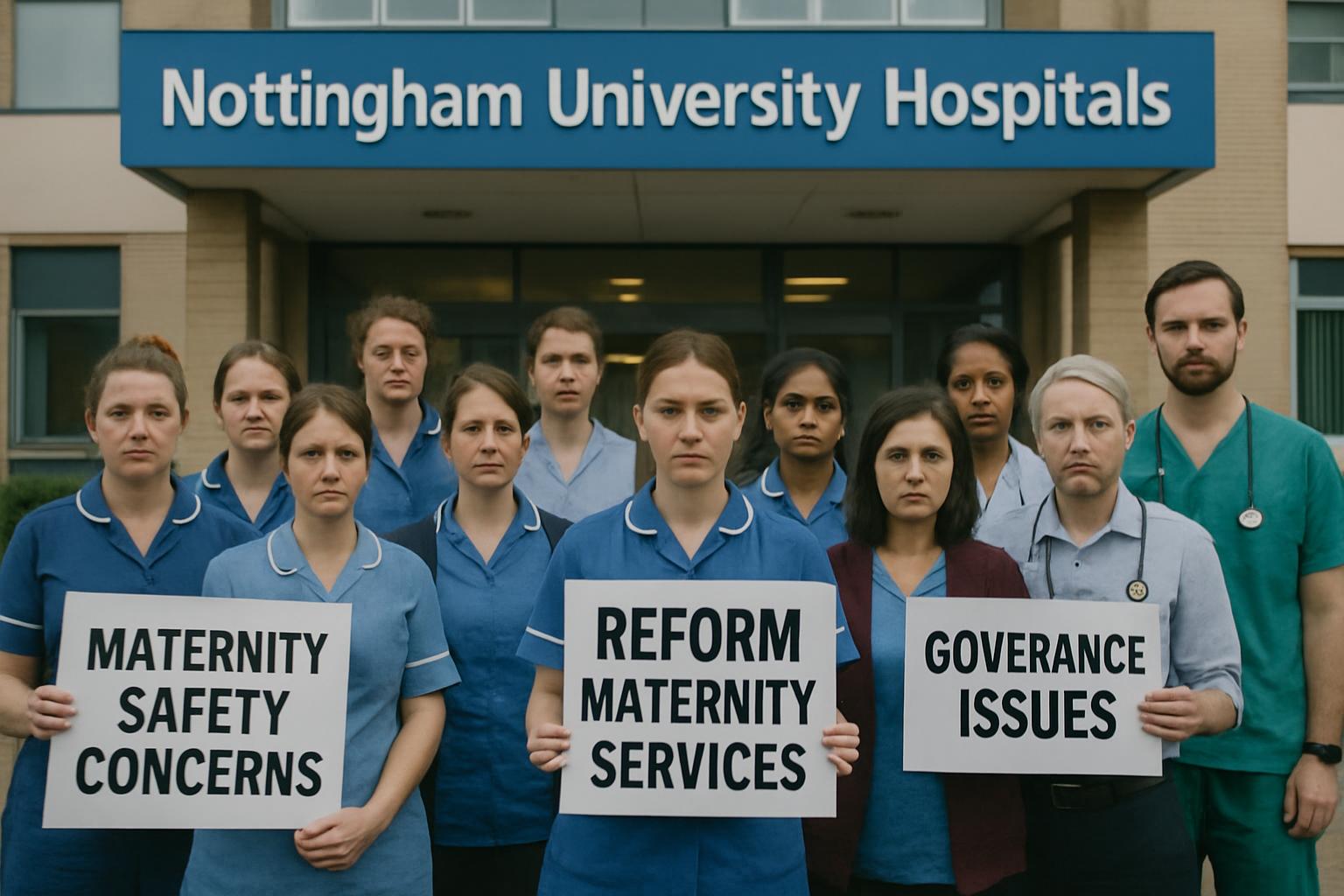
Persistent Safety Concerns in Nottingham Maternity Services Amidst Calls for Systemic Reform
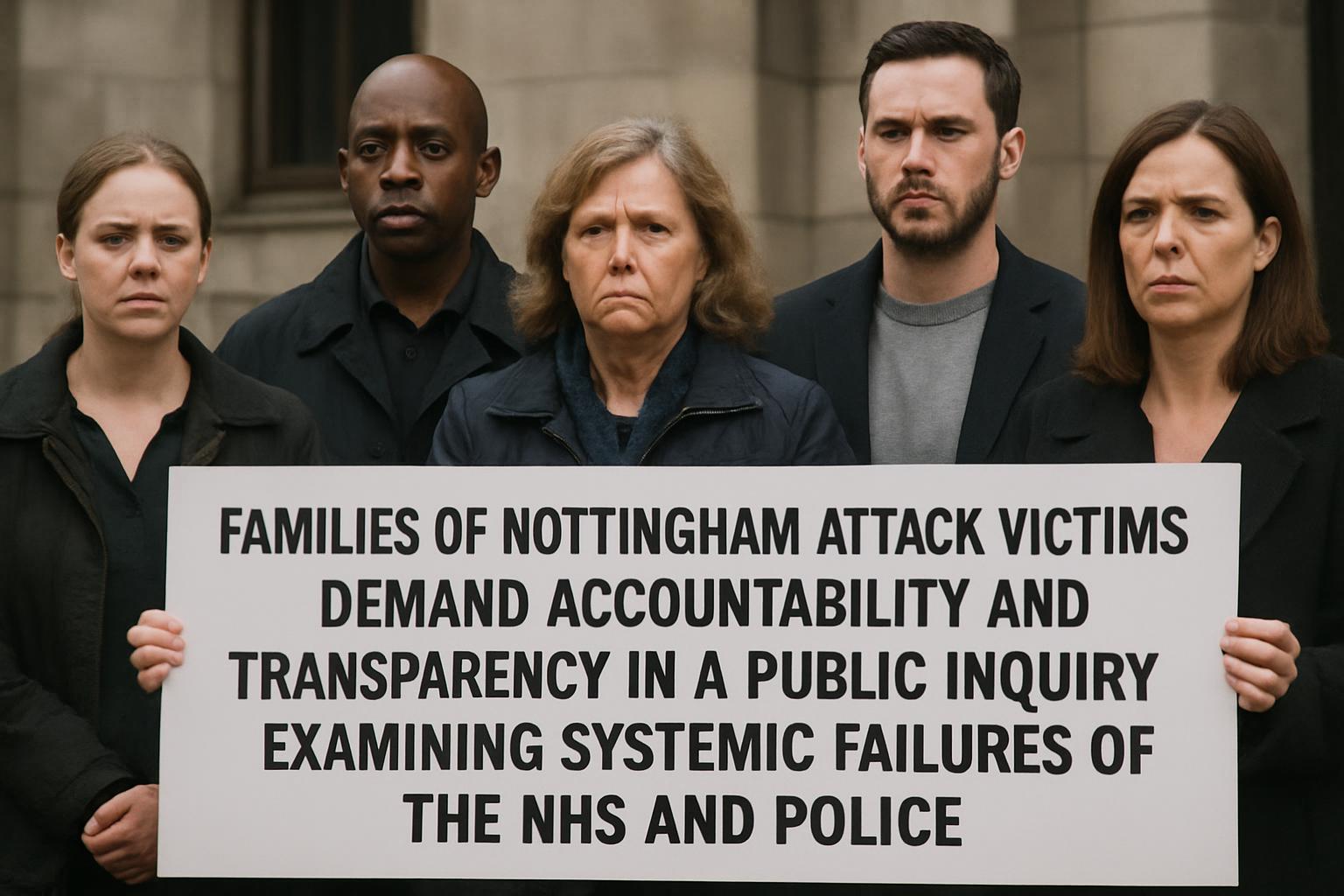
Nottingham Attacks Inquiry: Families Demand Accountability and Truth

Birmingham's Proactive Approach to Measles Outbreak Offers Lessons for North London
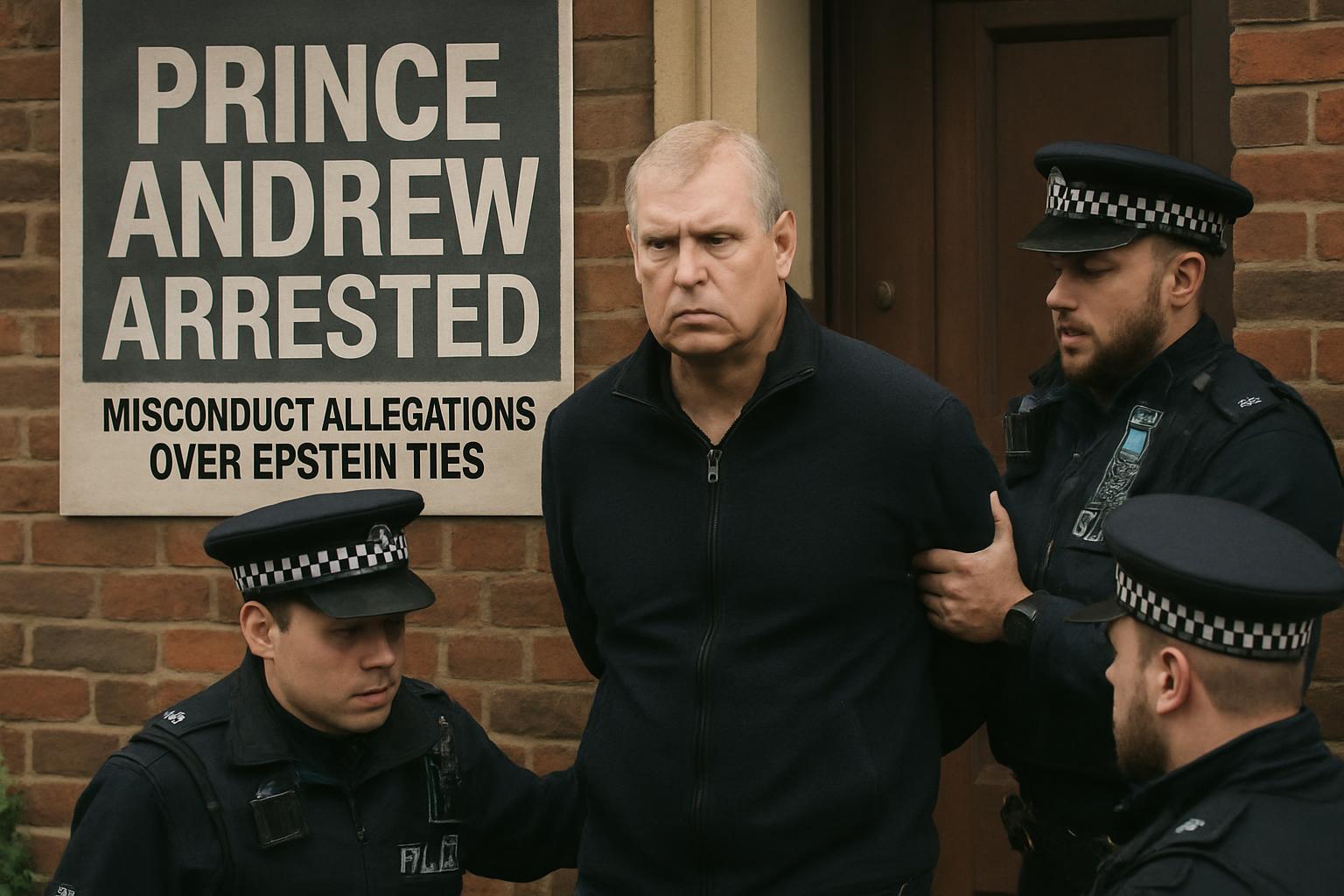
Andrew Mountbatten-Windsor Arrested Amid Misconduct Allegations

Breakthrough Drug Offers Hope for Children with Severe Epilepsy
Resident Doctors in England Set to Strike Amidst NHS Winter Crisis
In This Article
 Ethan Brooks| Published
 HIGHLIGHTS
- Resident doctors in England will proceed with a five-day strike starting Wednesday, rejecting the government's latest offer.
- The British Medical Association reported 83% of its members voted against the deal, citing insufficient pay adjustments.
- Health Secretary Wes Streeting criticized the strike as "self-indulgent" and "dangerous," amid rising flu cases.
- Hospitals are rescheduling approximately 38,500 appointments, exacerbating the NHS winter crisis.
- Calls for independent arbitration have emerged as tensions between the government and doctors escalate.
Resident doctors across England are poised to embark on a five-day strike starting Wednesday, following an overwhelming rejection of the government's latest offer aimed at resolving the ongoing pay and jobs dispute. The British Medical Association (BMA) announced that 83% of its members voted against the proposal, which included increased training posts but no further pay rise for the current financial year.
Government's Offer Rejected
The government's proposal, introduced by Health Secretary Wes Streeting, sought to double the number of training places for early-career doctors from 2,000 to 4,000. However, it did not address the resident doctors' demand for a 26% pay increase, a figure Streeting dismissed as a "fantasy demand." Despite a nearly 29% salary increase over the past three years, the BMA argues that resident doctors' pay remains significantly lower than in 2008 when adjusted for inflation.
Impact on NHS Services
The strike, the 14th since the dispute began in March 2023, comes at a critical time for the NHS, already grappling with a severe flu season. Hospitals have been forced to reschedule an estimated 38,500 outpatient appointments and treatments, including crucial cancer therapies. Senior doctors will cover emergency and non-urgent care, but concerns persist about their capacity to manage the increased workload.
Calls for Arbitration
As tensions mount, the Patients Association has called for independent arbitration to resolve the deadlock. Rachel Power, the association's chief executive, emphasized the need for a lasting solution to end the "endless cycle of disruption, cancellations, and anxiety." Both the BMA and the government are urged to commit to mediation to protect patients and stabilize the healthcare system.
Political Reactions
Prime Minister Sir Keir Starmer expressed his disappointment, labeling the strike "irresponsible" given the NHS's current pressures. Streeting echoed this sentiment, urging resident doctors to reconsider their stance and continue working during this critical period. "Abandoning your patients in their hour of greatest need goes against everything a career in medicine is meant to be about," he stated.
WHAT THIS MIGHT MEAN
The continuation of the resident doctors' strike could further strain the NHS, already under pressure from a challenging flu season. If the dispute remains unresolved, patient care may suffer, with increased cancellations and delays in treatment. The call for independent arbitration presents a potential pathway to resolution, but both parties must agree to this approach. Politically, the government's handling of the situation may face scrutiny, particularly if the strike exacerbates the NHS winter crisis. As the situation develops, the focus will likely remain on finding a sustainable solution that addresses both pay concerns and the broader challenges facing the UK healthcare system.
Related Articles
UK Government to Reform Asylum Seeker Support and Employment Policies
Persistent Safety Concerns in Nottingham Maternity Services Amidst Calls for Systemic Reform
Nottingham Attacks Inquiry: Families Demand Accountability and Truth
Birmingham's Proactive Approach to Measles Outbreak Offers Lessons for North London
Andrew Mountbatten-Windsor Arrested Amid Misconduct Allegations
Breakthrough Drug Offers Hope for Children with Severe Epilepsy