
Court Ruling on Epping Hotel Sparks Protests and Legal Debates

In This Article
HIGHLIGHTS
- The Court of Appeal overturned a temporary injunction preventing asylum seekers from being housed at The Bell Hotel in Epping.
- Epping Forest District Council is considering appealing to the Supreme Court after the ruling, which they argue poses a public safety risk.
- Protests erupted following the decision, resulting in three arrests and minor injuries to two police officers.
- The ruling has sparked political debate, with some councils planning further legal action against asylum accommodation in hotels.
- The decision highlights tensions between local councils and the government over asylum seeker housing policies.
The Court of Appeal's recent decision to overturn a temporary injunction against housing asylum seekers at The Bell Hotel in Epping has ignited a wave of protests and legal discussions. The ruling, which allows over 130 asylum seekers to remain at the hotel, has been met with mixed reactions from local councils and political figures.
Legal Battle and Court Ruling
On Friday, the Court of Appeal deemed the initial High Court injunction "seriously flawed," allowing the Home Office to continue housing asylum seekers at The Bell Hotel. Epping Forest District Council, which initially obtained the injunction, argued that the hotel's use for asylum accommodation breached planning laws and posed public safety risks. Despite the setback, the council is contemplating an appeal to the Supreme Court, with a full High Court hearing expected in mid-October.
Political and Public Reactions
The ruling has fueled political tensions, with Reform UK and Conservative councils expressing concerns over the government's prioritization of asylum seekers' rights. Kemi Badenoch, a prominent Conservative figure, encouraged councils to persist in their legal pursuits. Meanwhile, protests outside The Bell Hotel have intensified, with three arrests made on Friday for various offenses, including violent disorder and assaulting a police officer. Essex Police enforced a dispersal order to maintain order, emphasizing the importance of peaceful demonstrations.
Community Impact and Future Implications
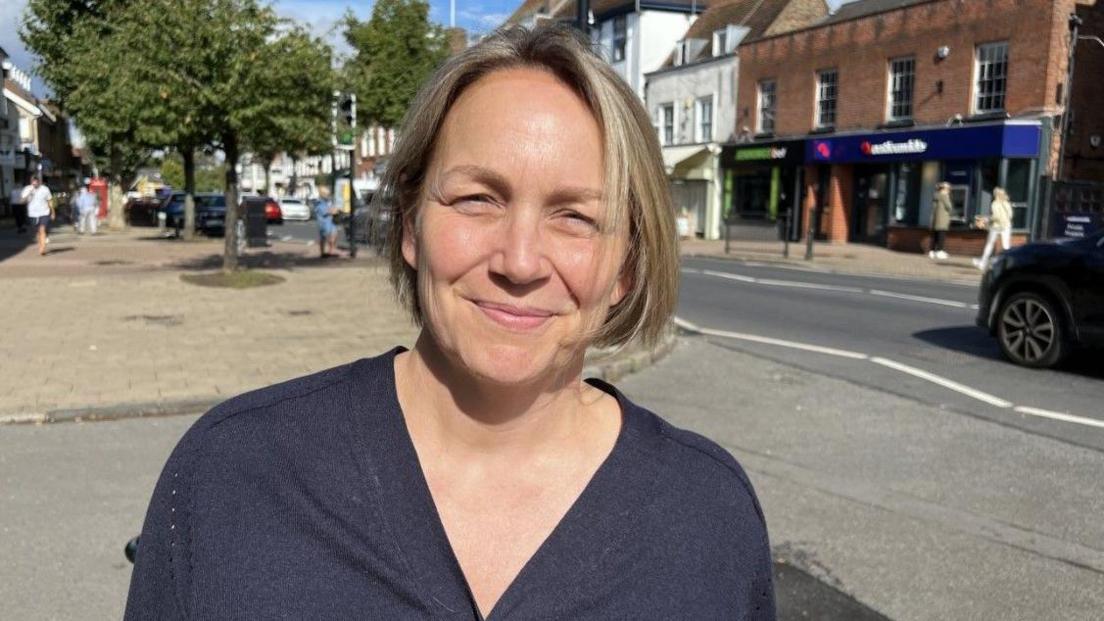
The decision has divided the Epping community, with some residents supporting the protests and others advocating for a more inclusive narrative. Kerry Gilroy, a local resident, expressed disappointment over the protests' negative portrayal of asylum seekers, urging a shift in public discourse. The ruling also raises broader concerns about the potential for similar legal challenges by other councils, which could strain the asylum accommodation system further.
WHAT THIS MIGHT MEAN
The Court of Appeal's decision may set a precedent for future legal challenges against asylum accommodation in hotels, prompting other councils to consider similar actions. If Epping Forest District Council proceeds with a Supreme Court appeal, it could lead to a landmark case influencing national asylum policies. Politically, the ruling has intensified debates over the balance between local governance and national responsibilities in managing asylum seekers, potentially impacting future legislative approaches. As protests continue, maintaining public order while respecting the right to peaceful demonstration will be crucial in navigating this contentious issue.
Images from the Web
Related Articles

Starmer Condemns Reform UK's Plan to Repeal Equality Act as Un-British

UK Government to Reform Asylum Seeker Support and Employment Policies

Reform UK Aims to Reshape Welsh Politics with New Manifesto

UK-Iran Tensions: Starmer Defends Cautious Approach Amid Trump Criticism

Government Criticized for Mishandling Maccabi Tel Aviv Fan Ban
Supreme Court Ruling Expands Compensation for Children Injured at Birth
Court Ruling on Epping Hotel Sparks Protests and Legal Debates
In This Article
 Ethan Brooks| Published
 HIGHLIGHTS
- The Court of Appeal overturned a temporary injunction preventing asylum seekers from being housed at The Bell Hotel in Epping.
- Epping Forest District Council is considering appealing to the Supreme Court after the ruling, which they argue poses a public safety risk.
- Protests erupted following the decision, resulting in three arrests and minor injuries to two police officers.
- The ruling has sparked political debate, with some councils planning further legal action against asylum accommodation in hotels.
- The decision highlights tensions between local councils and the government over asylum seeker housing policies.
The Court of Appeal's recent decision to overturn a temporary injunction against housing asylum seekers at The Bell Hotel in Epping has ignited a wave of protests and legal discussions. The ruling, which allows over 130 asylum seekers to remain at the hotel, has been met with mixed reactions from local councils and political figures.
Legal Battle and Court Ruling
On Friday, the Court of Appeal deemed the initial High Court injunction "seriously flawed," allowing the Home Office to continue housing asylum seekers at The Bell Hotel. Epping Forest District Council, which initially obtained the injunction, argued that the hotel's use for asylum accommodation breached planning laws and posed public safety risks. Despite the setback, the council is contemplating an appeal to the Supreme Court, with a full High Court hearing expected in mid-October.
Political and Public Reactions
The ruling has fueled political tensions, with Reform UK and Conservative councils expressing concerns over the government's prioritization of asylum seekers' rights. Kemi Badenoch, a prominent Conservative figure, encouraged councils to persist in their legal pursuits. Meanwhile, protests outside The Bell Hotel have intensified, with three arrests made on Friday for various offenses, including violent disorder and assaulting a police officer. Essex Police enforced a dispersal order to maintain order, emphasizing the importance of peaceful demonstrations.
Community Impact and Future Implications
The decision has divided the Epping community, with some residents supporting the protests and others advocating for a more inclusive narrative. Kerry Gilroy, a local resident, expressed disappointment over the protests' negative portrayal of asylum seekers, urging a shift in public discourse. The ruling also raises broader concerns about the potential for similar legal challenges by other councils, which could strain the asylum accommodation system further.
WHAT THIS MIGHT MEAN
The Court of Appeal's decision may set a precedent for future legal challenges against asylum accommodation in hotels, prompting other councils to consider similar actions. If Epping Forest District Council proceeds with a Supreme Court appeal, it could lead to a landmark case influencing national asylum policies. Politically, the ruling has intensified debates over the balance between local governance and national responsibilities in managing asylum seekers, potentially impacting future legislative approaches. As protests continue, maintaining public order while respecting the right to peaceful demonstration will be crucial in navigating this contentious issue.
Images from the Web
Related Articles
Starmer Condemns Reform UK's Plan to Repeal Equality Act as Un-British
UK Government to Reform Asylum Seeker Support and Employment Policies
Reform UK Aims to Reshape Welsh Politics with New Manifesto
UK-Iran Tensions: Starmer Defends Cautious Approach Amid Trump Criticism
Government Criticized for Mishandling Maccabi Tel Aviv Fan Ban
Supreme Court Ruling Expands Compensation for Children Injured at Birth