
Erin Patterson Convicted in Mushroom Poisoning Murder Case
In This Article
HIGHLIGHTS
- Erin Patterson was found guilty of murdering three relatives and attempting to murder a fourth with a toxic mushroom meal in July 2023.
- The trial, held in the Victorian Supreme Court, captivated global attention due to its unusual circumstances and lack of clear motive.
- Patterson's defense claimed the poisoning was accidental, citing her history of foraging and personal struggles, but the jury ruled it intentional.
- The sole survivor, Ian Wilkinson, provided key testimony, recalling the meal and subsequent illness that required weeks of hospitalization.
- The case highlighted the dangers of death cap mushrooms and raised questions about Patterson's actions and intentions.
In a case that has gripped Australia and the world, Erin Patterson has been found guilty of murdering three relatives and attempting to murder a fourth with a meal laced with deadly death cap mushrooms. The verdict was delivered by a Victorian Supreme Court jury after an 11-week trial that delved into the tragic events of July 29, 2023, when Patterson served a beef Wellington dish at her home in Leongatha, Victoria.
The Trial and Verdict
The trial, which unfolded in the small town of Morwell, saw Patterson, 50, accused of intentionally poisoning her former in-laws, Don and Gail Patterson, both 70, and Gail's sister, Heather Wilkinson, 66. The sole survivor, Heather's husband Ian Wilkinson, provided harrowing testimony of the lunch that left him critically ill for weeks. Despite Patterson's defense claiming the poisoning was accidental, the jury found her guilty of all charges, including the attempted murder of Ian Wilkinson.
Defense and Prosecution Arguments
Patterson's defense argued that she had accidentally included foraged death cap mushrooms in the meal, a claim she reiterated during her testimony. She admitted to lying about her mushroom foraging activities and a false cancer diagnosis, which she attributed to embarrassment over planned weight-loss surgery. However, prosecutors painted a different picture, suggesting Patterson deliberately sourced and used the toxic fungi, and attempted to cover her tracks by disposing of evidence and misleading authorities.
Public and Media Attention
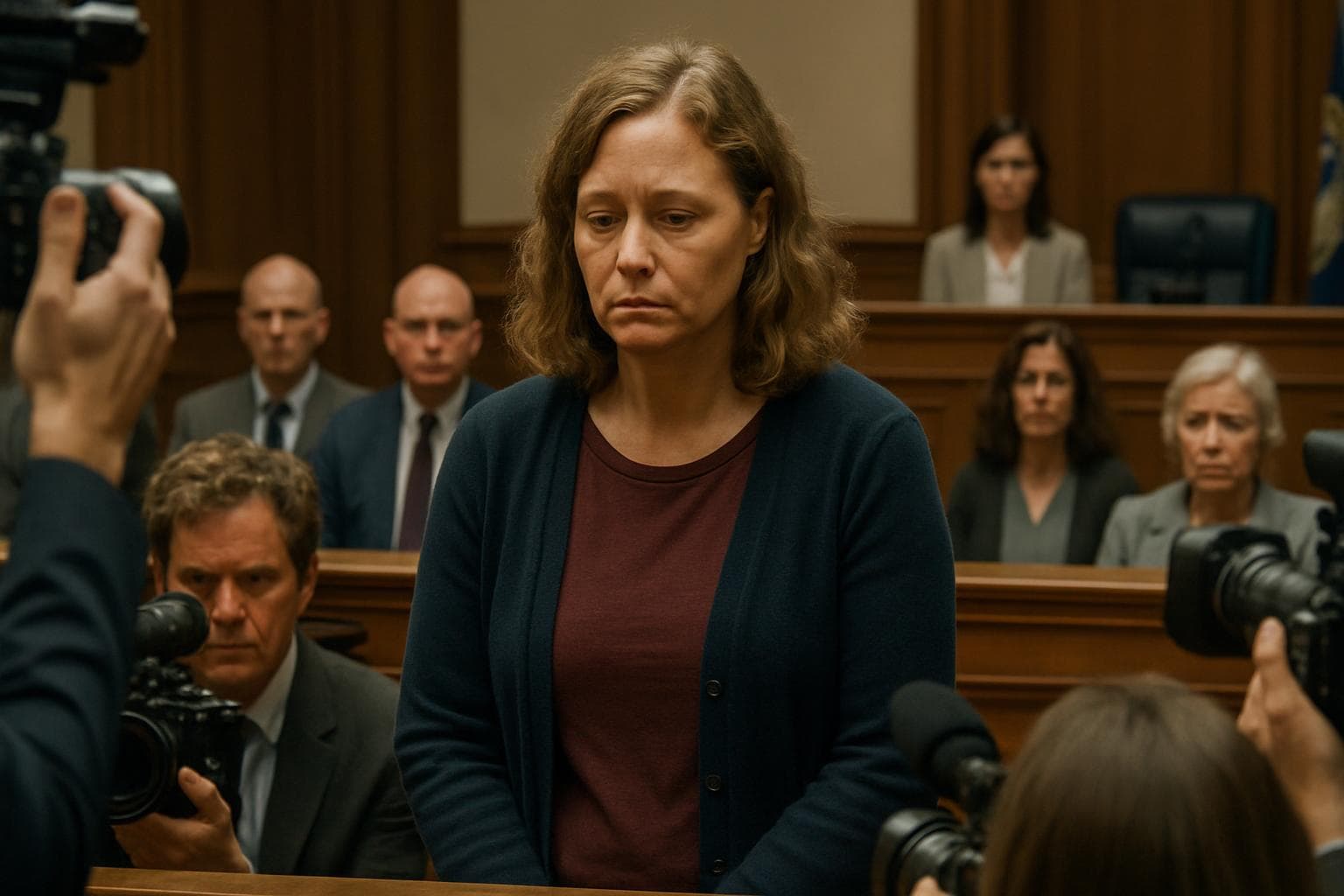
The case attracted significant media attention, with journalists and the public closely following the proceedings. The courtroom was often packed, and the trial's dramatic moments, including Patterson's emotional testimony and the jury's deliberations, were widely reported. The lack of a clear motive added to the intrigue, as prosecutors struggled to explain why Patterson would harm her relatives.
WHAT THIS MIGHT MEAN
With the verdict now delivered, attention turns to the sentencing phase, where Patterson could face a lengthy prison term. Legal experts suggest the case may prompt discussions on the regulation of foraging and the dangers of toxic mushrooms. The trial has also highlighted the complexities of proving intent in cases involving accidental poisoning claims. As the Patterson and Wilkinson families seek privacy, the broader implications of this case on Australian legal proceedings and public awareness of mushroom poisoning remain to be seen.
Images from the Web





Related Articles

Prince Andrew's Arrest Raises Questions About Royal Succession and Monarchy's Future

Queensland Man Faces 596 Child Abuse Charges in Global Online Grooming Case

Canada and Australia Forge Strategic Partnership Amid Global Uncertainty

Canada Calls for De-escalation Amid US-Israel Strikes on Iran

Trump's New Tariff Strategy Sparks Global Trade Uncertainty

Trump Raises Import Tariffs to 15% After Supreme Court Setback
Erin Patterson Convicted in Mushroom Poisoning Murder Case
In This Article
 Sofia Romano| Published
 HIGHLIGHTS
- Erin Patterson was found guilty of murdering three relatives and attempting to murder a fourth with a toxic mushroom meal in July 2023.
- The trial, held in the Victorian Supreme Court, captivated global attention due to its unusual circumstances and lack of clear motive.
- Patterson's defense claimed the poisoning was accidental, citing her history of foraging and personal struggles, but the jury ruled it intentional.
- The sole survivor, Ian Wilkinson, provided key testimony, recalling the meal and subsequent illness that required weeks of hospitalization.
- The case highlighted the dangers of death cap mushrooms and raised questions about Patterson's actions and intentions.
In a case that has gripped Australia and the world, Erin Patterson has been found guilty of murdering three relatives and attempting to murder a fourth with a meal laced with deadly death cap mushrooms. The verdict was delivered by a Victorian Supreme Court jury after an 11-week trial that delved into the tragic events of July 29, 2023, when Patterson served a beef Wellington dish at her home in Leongatha, Victoria.
The Trial and Verdict
The trial, which unfolded in the small town of Morwell, saw Patterson, 50, accused of intentionally poisoning her former in-laws, Don and Gail Patterson, both 70, and Gail's sister, Heather Wilkinson, 66. The sole survivor, Heather's husband Ian Wilkinson, provided harrowing testimony of the lunch that left him critically ill for weeks. Despite Patterson's defense claiming the poisoning was accidental, the jury found her guilty of all charges, including the attempted murder of Ian Wilkinson.
Defense and Prosecution Arguments
Patterson's defense argued that she had accidentally included foraged death cap mushrooms in the meal, a claim she reiterated during her testimony. She admitted to lying about her mushroom foraging activities and a false cancer diagnosis, which she attributed to embarrassment over planned weight-loss surgery. However, prosecutors painted a different picture, suggesting Patterson deliberately sourced and used the toxic fungi, and attempted to cover her tracks by disposing of evidence and misleading authorities.
Public and Media Attention
The case attracted significant media attention, with journalists and the public closely following the proceedings. The courtroom was often packed, and the trial's dramatic moments, including Patterson's emotional testimony and the jury's deliberations, were widely reported. The lack of a clear motive added to the intrigue, as prosecutors struggled to explain why Patterson would harm her relatives.
WHAT THIS MIGHT MEAN
With the verdict now delivered, attention turns to the sentencing phase, where Patterson could face a lengthy prison term. Legal experts suggest the case may prompt discussions on the regulation of foraging and the dangers of toxic mushrooms. The trial has also highlighted the complexities of proving intent in cases involving accidental poisoning claims. As the Patterson and Wilkinson families seek privacy, the broader implications of this case on Australian legal proceedings and public awareness of mushroom poisoning remain to be seen.
Images from the Web
Related Articles
Prince Andrew's Arrest Raises Questions About Royal Succession and Monarchy's Future
Queensland Man Faces 596 Child Abuse Charges in Global Online Grooming Case
Canada and Australia Forge Strategic Partnership Amid Global Uncertainty
Canada Calls for De-escalation Amid US-Israel Strikes on Iran
Trump's New Tariff Strategy Sparks Global Trade Uncertainty
Trump Raises Import Tariffs to 15% After Supreme Court Setback