
EU Delays Retaliatory Tariffs Amid Escalating Trade Tensions with US
In This Article
HIGHLIGHTS
- The EU has delayed retaliatory tariffs on US goods until early August, following a letter from President Trump threatening 30% tariffs on EU imports.
- Trump’s proposed tariffs have sparked concerns across Europe, with leaders like Ursula von der Leyen and Emmanuel Macron advocating for a negotiated solution.
- EU trade ministers are set to meet in Brussels to discuss potential responses, including €21bn in retaliatory measures.
- Trump’s tariffs on UK goods are expected to remain, with further negotiations anticipated to address specific sectors like steel and technology.
- The escalating trade tensions come as Trump plans a second state visit to the UK, expected in September.
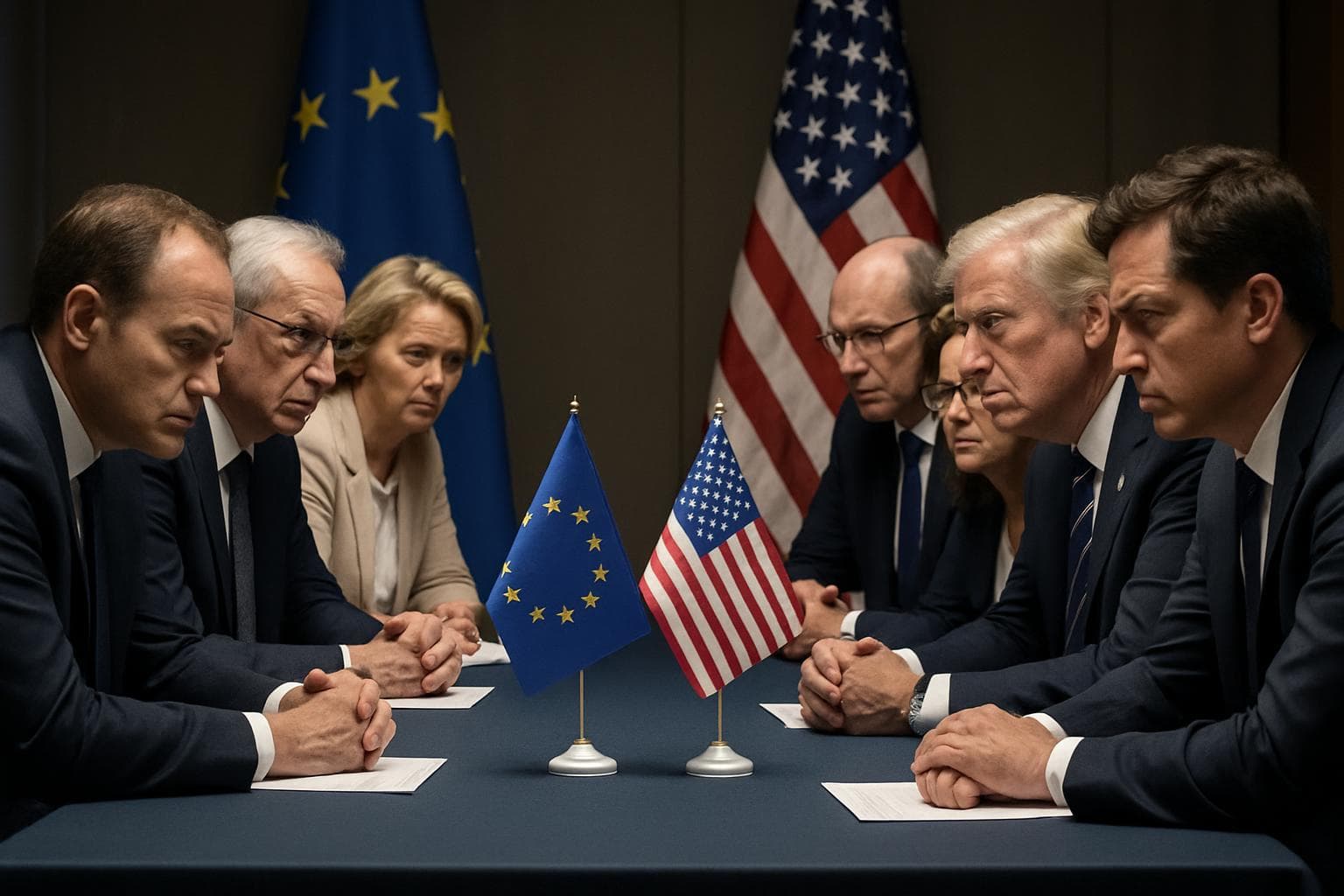
The European Union has postponed its planned retaliatory tariffs on US exports, extending the suspension until early August. This decision follows a recent letter from US President Donald Trump, who announced his intention to impose 30% tariffs on EU imports starting August 1. The EU's countermeasures, initially set to affect €21bn worth of US goods, were first suspended in March.
European Commission President Ursula von der Leyen emphasized the EU's preference for a negotiated solution during a press conference on Sunday. "The United States has sent us a letter with measures that would come into effect unless there is a negotiated solution," she stated, adding that the EU will use the time until August 1 to prepare for potential countermeasures.
The announcement comes amid heightened tensions, as Trump has threatened similar tariffs on Mexico and Brazil. White House economic adviser Kevin Hassett confirmed that these tariffs are "real" unless satisfactory trade deals are reached. Trump's actions have prompted strong reactions from European leaders, including German Chancellor Friedrich Merz and French President Emmanuel Macron, who have called for unity and a firm defense of European interests.
EU trade ministers are scheduled to meet in Brussels on Monday to discuss their strategy. Germany's finance minister, Lars Klingbeil, stressed the need for "serious and solution-oriented negotiations" with the US, while acknowledging the necessity of decisive countermeasures if talks fail.
Meanwhile, the UK faces its own challenges, with a 10% tariff on most goods exported to the US likely to remain. British ambassador Lord Mandelson noted the potential for negotiations in specific sectors, such as technology and steel. Trump's upcoming second state visit to the UK, anticipated in September, adds another layer of complexity to the ongoing trade discussions.
WHAT THIS MIGHT MEAN
As the August 1 deadline approaches, the EU and US face a critical juncture in their trade relations. Should negotiations fail, the imposition of tariffs could significantly impact industries on both sides of the Atlantic, particularly in sectors like agriculture and manufacturing. Experts suggest that a prolonged trade conflict could strain diplomatic ties and disrupt global supply chains.
The EU's ability to present a united front will be crucial in navigating these challenges. With leaders like Macron and Merz advocating for a firm stance, the bloc's response could set a precedent for future trade negotiations. Meanwhile, Trump's state visit to the UK may offer an opportunity for dialogue, but it also risks further complicating the already tense situation.
Related Articles
Spain's Sánchez Stands Firm Against Trump's Trade Threat Over Iran Stance
Tech Giants Pledge to Cover AI Data Center Energy Costs Amid Rising Electricity Concerns
Cuba Faces Widespread Blackout Amid Deepening Fuel Crisis

UK Faces Dilemmas Amid Iran Conflict and China Spying Allegations

El Mencho's Death Sparks Violent Unrest Across Mexico
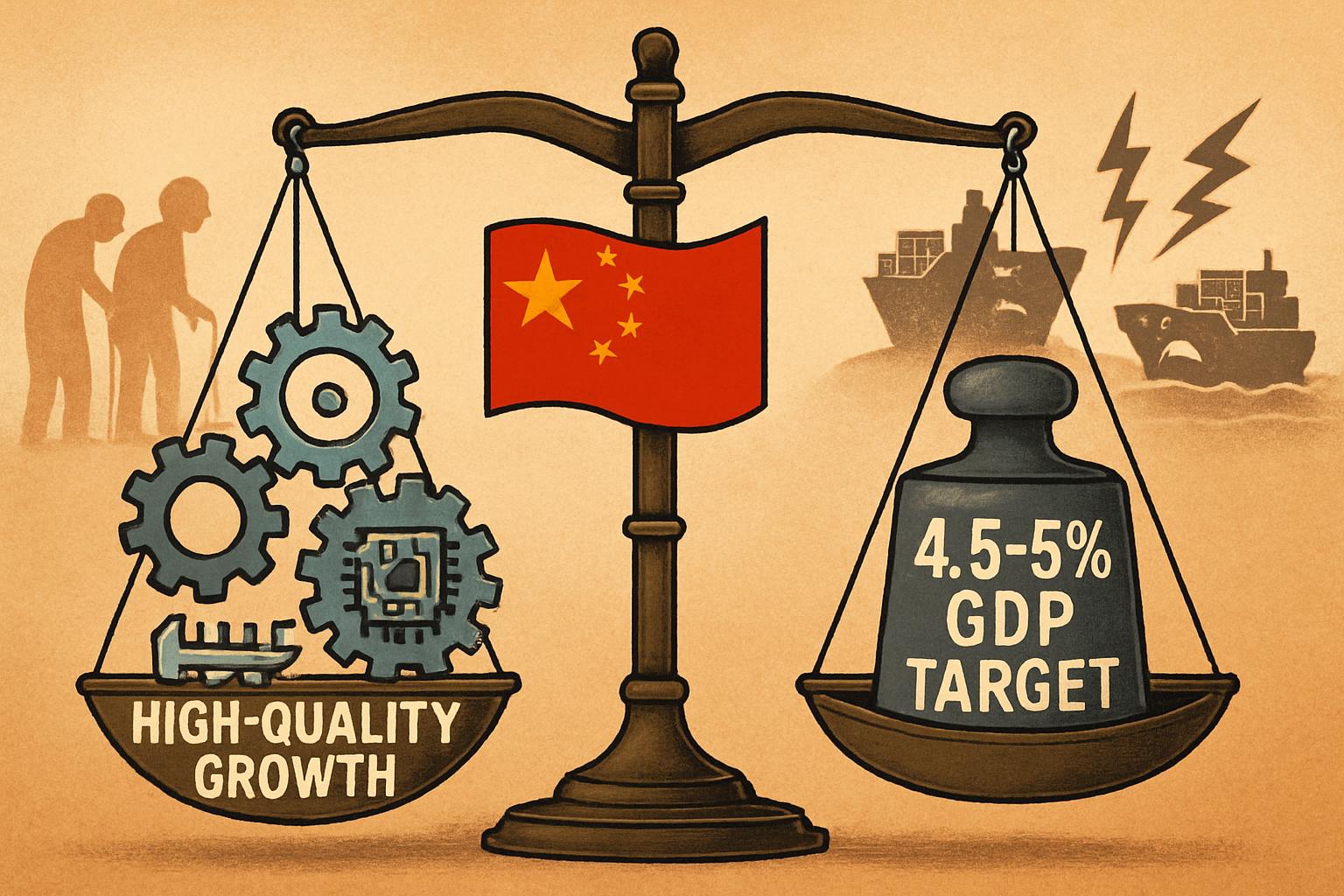
China Sets Lowest GDP Growth Target in Decades Amid Economic Challenges
EU Delays Retaliatory Tariffs Amid Escalating Trade Tensions with US
In This Article
 Alex Carter| Published
 HIGHLIGHTS
- The EU has delayed retaliatory tariffs on US goods until early August, following a letter from President Trump threatening 30% tariffs on EU imports.
- Trump’s proposed tariffs have sparked concerns across Europe, with leaders like Ursula von der Leyen and Emmanuel Macron advocating for a negotiated solution.
- EU trade ministers are set to meet in Brussels to discuss potential responses, including €21bn in retaliatory measures.
- Trump’s tariffs on UK goods are expected to remain, with further negotiations anticipated to address specific sectors like steel and technology.
- The escalating trade tensions come as Trump plans a second state visit to the UK, expected in September.
The European Union has postponed its planned retaliatory tariffs on US exports, extending the suspension until early August. This decision follows a recent letter from US President Donald Trump, who announced his intention to impose 30% tariffs on EU imports starting August 1. The EU's countermeasures, initially set to affect €21bn worth of US goods, were first suspended in March.
European Commission President Ursula von der Leyen emphasized the EU's preference for a negotiated solution during a press conference on Sunday. "The United States has sent us a letter with measures that would come into effect unless there is a negotiated solution," she stated, adding that the EU will use the time until August 1 to prepare for potential countermeasures.
The announcement comes amid heightened tensions, as Trump has threatened similar tariffs on Mexico and Brazil. White House economic adviser Kevin Hassett confirmed that these tariffs are "real" unless satisfactory trade deals are reached. Trump's actions have prompted strong reactions from European leaders, including German Chancellor Friedrich Merz and French President Emmanuel Macron, who have called for unity and a firm defense of European interests.
EU trade ministers are scheduled to meet in Brussels on Monday to discuss their strategy. Germany's finance minister, Lars Klingbeil, stressed the need for "serious and solution-oriented negotiations" with the US, while acknowledging the necessity of decisive countermeasures if talks fail.
Meanwhile, the UK faces its own challenges, with a 10% tariff on most goods exported to the US likely to remain. British ambassador Lord Mandelson noted the potential for negotiations in specific sectors, such as technology and steel. Trump's upcoming second state visit to the UK, anticipated in September, adds another layer of complexity to the ongoing trade discussions.
WHAT THIS MIGHT MEAN
As the August 1 deadline approaches, the EU and US face a critical juncture in their trade relations. Should negotiations fail, the imposition of tariffs could significantly impact industries on both sides of the Atlantic, particularly in sectors like agriculture and manufacturing. Experts suggest that a prolonged trade conflict could strain diplomatic ties and disrupt global supply chains.
The EU's ability to present a united front will be crucial in navigating these challenges. With leaders like Macron and Merz advocating for a firm stance, the bloc's response could set a precedent for future trade negotiations. Meanwhile, Trump's state visit to the UK may offer an opportunity for dialogue, but it also risks further complicating the already tense situation.
Related Articles
Spain's Sánchez Stands Firm Against Trump's Trade Threat Over Iran Stance
Tech Giants Pledge to Cover AI Data Center Energy Costs Amid Rising Electricity Concerns
Cuba Faces Widespread Blackout Amid Deepening Fuel Crisis
UK Faces Dilemmas Amid Iran Conflict and China Spying Allegations
El Mencho's Death Sparks Violent Unrest Across Mexico
China Sets Lowest GDP Growth Target in Decades Amid Economic Challenges