
Unprecedented Heatwave Sparks Red Alerts, Wildfires, and Health Emergencies Across Europe
In This Article
HIGHLIGHTS
- France has issued a record number of heat alerts, with 16 regions, including Paris, on red alert due to soaring temperatures.
- Spain and Portugal have recorded their hottest June days, with temperatures reaching 46C in El Granado and 46.6C in Mora.
- Italy has reported two deaths linked to the heatwave, and emergency services are on high alert across Europe.
- Wildfires have led to the evacuation of over 50,000 people in Turkey, with similar threats in France and Greece.
- The heatwave has disrupted travel, closed schools, and raised public health concerns across the continent.
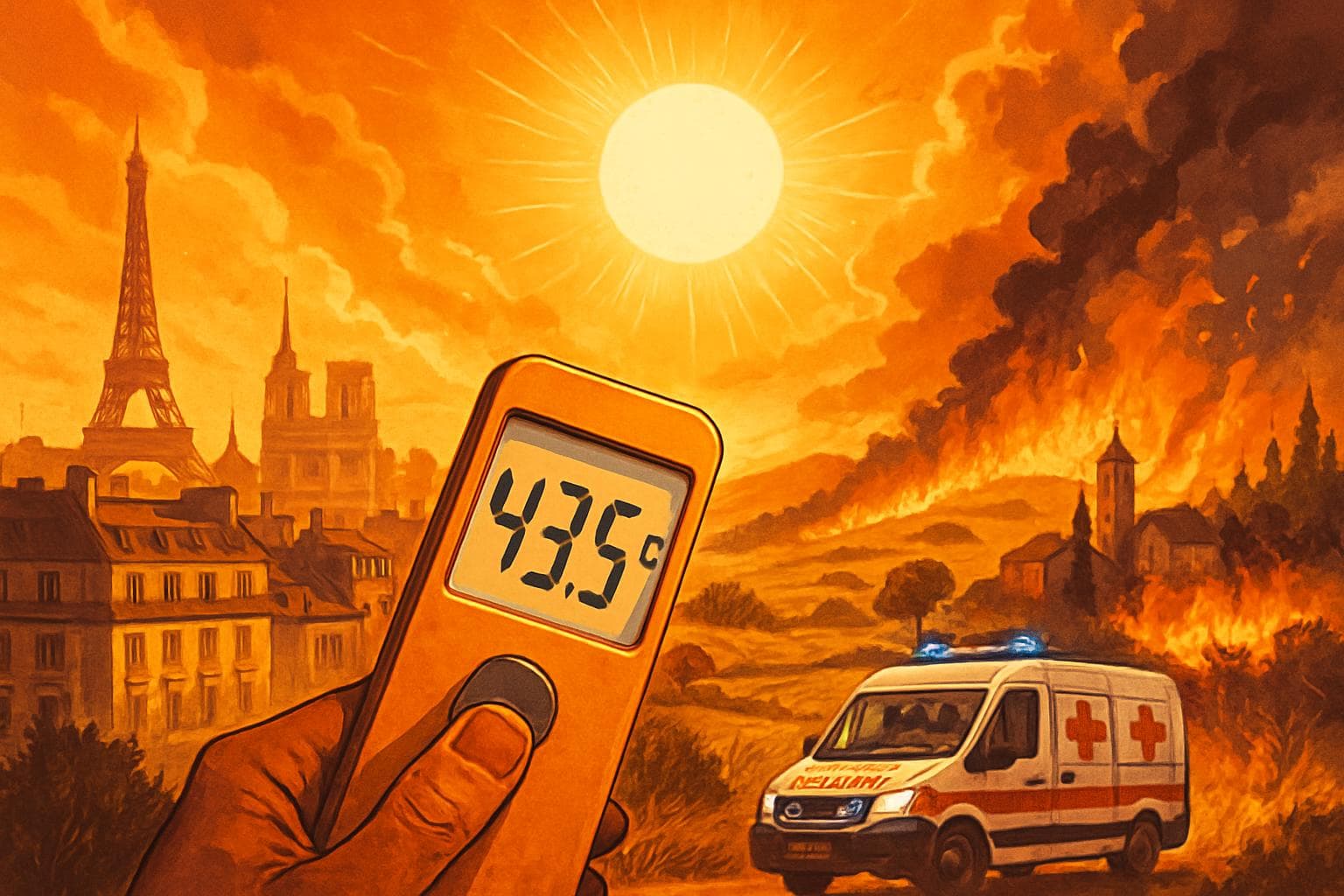
Europe is grappling with an unprecedented heatwave that has engulfed much of the continent, prompting widespread heat alerts and emergency measures. France has placed 16 regions, including Paris, on red alert, marking the first time in five years that such a high level of warning has been issued. The country's Climate Minister, Agnès Pannier-Runacher, described the situation as "unprecedented," with temperatures expected to peak mid-week.
Record Temperatures Across the Continent
Southern and eastern Europe are experiencing record-breaking temperatures. In Spain, the town of El Granado recorded a scorching 46C, while Mora in central Portugal saw temperatures reach 46.6C. These figures mark the hottest June days on record for both countries. The heatwave has also affected Italy, where two fatalities have been reported due to heat-related incidents.
Public Health and Safety Concerns
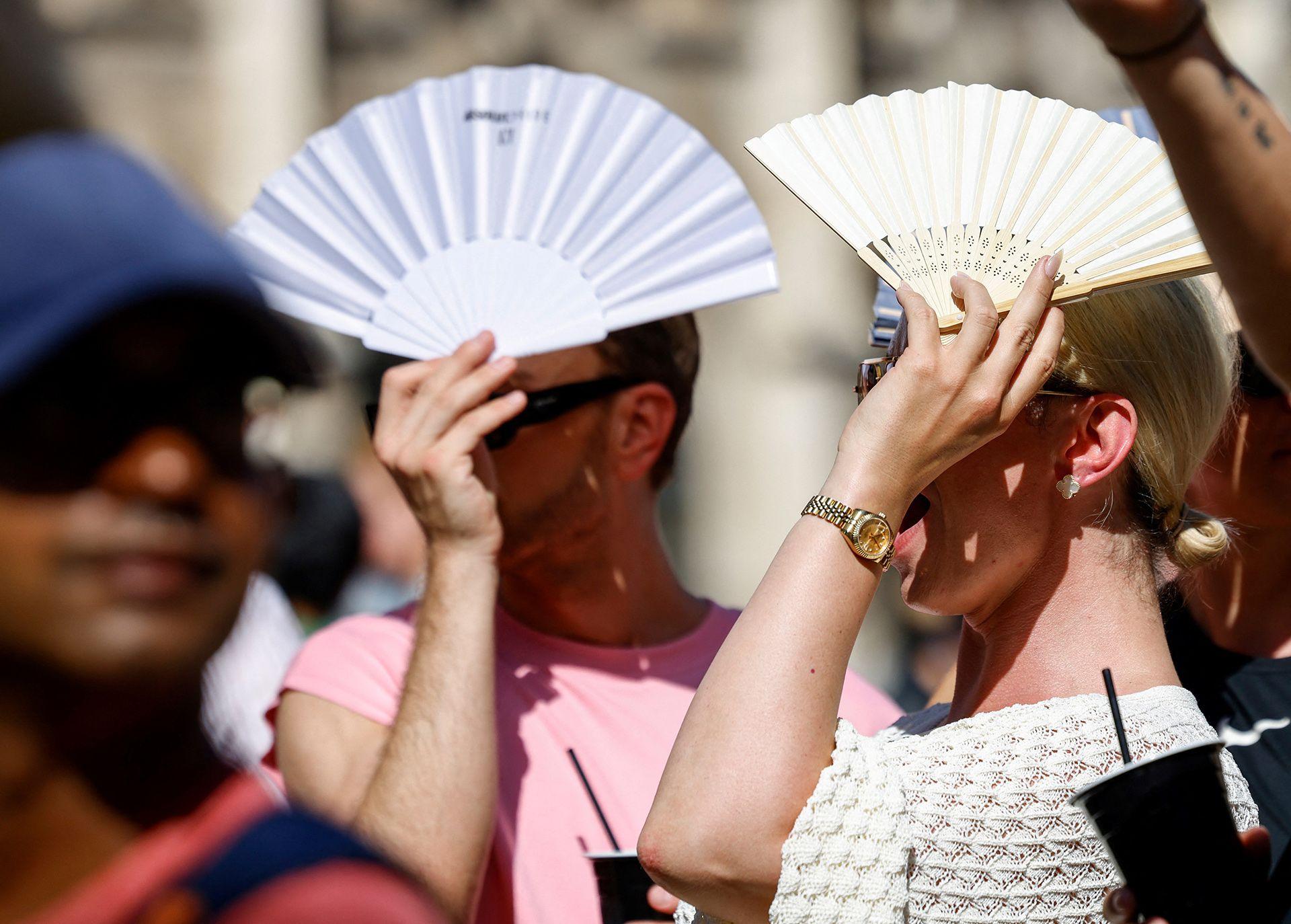
The extreme heat has raised significant public health concerns. In Italy, hospital admissions have surged by 20% in regions like Tuscany, and authorities have advised residents to avoid outdoor activities during peak heat hours. Similarly, France has closed nearly 200 schools, and emergency services are on standby across the continent.
Wildfires and Evacuations
The heatwave has exacerbated wildfire risks, leading to the evacuation of over 50,000 people in Turkey. Fires have also been reported in France's Corbières mountain range and several regions in Greece, where temperatures have approached 40C. The situation has prompted a scramble among firefighters to contain the blazes and prevent further damage.
Disruptions and Economic Impact
The heatwave has disrupted daily life and economic activities. In France, the top of the Eiffel Tower has been closed to tourists, and train services between Paris and Milan have been suspended due to storm damage. The Rhine River's low water levels have limited cargo shipping, increasing freight costs. These disruptions highlight the broader economic impact of extreme weather events.
WHAT THIS MIGHT MEAN
As Europe continues to battle this intense heatwave, the focus is on mitigating immediate risks and preparing for potential future occurrences. Experts warn that such extreme weather events may become more frequent due to climate change, necessitating long-term adaptation strategies. Governments may need to invest in infrastructure improvements, enhance emergency response capabilities, and implement public health measures to protect vulnerable populations. The current situation underscores the urgent need for global cooperation in addressing climate change and its far-reaching impacts.
Images from the Web

Related Articles

UK PM Keir Starmer Calls for Stronger European Defence Ties at Munich Conference

France Releases Russian 'Shadow Fleet' Tanker Amid Rising Tensions

Spain's Sánchez Stands Firm Against Trump's Trade Threat Over Iran Stance

St Francis of Assisi's Bones Draw Global Pilgrims to Italy

Sicilian Man Trains Dog for Illegal Rubbish Dumping, Faces Fine

Avalanche Risks Surge Amidst Extreme Weather Conditions in California and Europe
Unprecedented Heatwave Sparks Red Alerts, Wildfires, and Health Emergencies Across Europe
In This Article
 Alex Carter| Published
 HIGHLIGHTS
- France has issued a record number of heat alerts, with 16 regions, including Paris, on red alert due to soaring temperatures.
- Spain and Portugal have recorded their hottest June days, with temperatures reaching 46C in El Granado and 46.6C in Mora.
- Italy has reported two deaths linked to the heatwave, and emergency services are on high alert across Europe.
- Wildfires have led to the evacuation of over 50,000 people in Turkey, with similar threats in France and Greece.
- The heatwave has disrupted travel, closed schools, and raised public health concerns across the continent.
Europe is grappling with an unprecedented heatwave that has engulfed much of the continent, prompting widespread heat alerts and emergency measures. France has placed 16 regions, including Paris, on red alert, marking the first time in five years that such a high level of warning has been issued. The country's Climate Minister, Agnès Pannier-Runacher, described the situation as "unprecedented," with temperatures expected to peak mid-week.
Record Temperatures Across the Continent
Southern and eastern Europe are experiencing record-breaking temperatures. In Spain, the town of El Granado recorded a scorching 46C, while Mora in central Portugal saw temperatures reach 46.6C. These figures mark the hottest June days on record for both countries. The heatwave has also affected Italy, where two fatalities have been reported due to heat-related incidents.
Public Health and Safety Concerns
The extreme heat has raised significant public health concerns. In Italy, hospital admissions have surged by 20% in regions like Tuscany, and authorities have advised residents to avoid outdoor activities during peak heat hours. Similarly, France has closed nearly 200 schools, and emergency services are on standby across the continent.
Wildfires and Evacuations
The heatwave has exacerbated wildfire risks, leading to the evacuation of over 50,000 people in Turkey. Fires have also been reported in France's Corbières mountain range and several regions in Greece, where temperatures have approached 40C. The situation has prompted a scramble among firefighters to contain the blazes and prevent further damage.
Disruptions and Economic Impact
The heatwave has disrupted daily life and economic activities. In France, the top of the Eiffel Tower has been closed to tourists, and train services between Paris and Milan have been suspended due to storm damage. The Rhine River's low water levels have limited cargo shipping, increasing freight costs. These disruptions highlight the broader economic impact of extreme weather events.
WHAT THIS MIGHT MEAN
As Europe continues to battle this intense heatwave, the focus is on mitigating immediate risks and preparing for potential future occurrences. Experts warn that such extreme weather events may become more frequent due to climate change, necessitating long-term adaptation strategies. Governments may need to invest in infrastructure improvements, enhance emergency response capabilities, and implement public health measures to protect vulnerable populations. The current situation underscores the urgent need for global cooperation in addressing climate change and its far-reaching impacts.
Images from the Web
Related Articles
UK PM Keir Starmer Calls for Stronger European Defence Ties at Munich Conference
France Releases Russian 'Shadow Fleet' Tanker Amid Rising Tensions
Spain's Sánchez Stands Firm Against Trump's Trade Threat Over Iran Stance
St Francis of Assisi's Bones Draw Global Pilgrims to Italy
Sicilian Man Trains Dog for Illegal Rubbish Dumping, Faces Fine
Avalanche Risks Surge Amidst Extreme Weather Conditions in California and Europe