
Facebook's New Subscription Model: A Potential Game Changer for Content Sharing

In This Article
HIGHLIGHTS
- Facebook is testing a subscription model, charging £9.99 monthly for users to share more than two links, impacting content creators and businesses.
- The test, starting December 16, applies to select users in the UK and US, excluding news organizations, but could affect news distribution indirectly.
- Meta Verified subscribers gain benefits like a verified badge and enhanced account features, similar to Twitter's paid verification model.
- This move aligns with Meta's strategy to monetize its platforms further, following a shift away from prioritizing news content.
- Social media experts warn that reliance on platforms like Facebook for traffic is increasingly risky due to such monetization strategies.
Facebook is exploring a new subscription model that could significantly alter how users share content on the platform. Starting December 16, a limited test will restrict certain users in the UK and US to sharing only two links per month unless they subscribe to Meta Verified, a service priced at £9.99 per month. This initiative is part of Meta's broader strategy to monetize its platforms more aggressively.
Subscription Model and Its Implications
Meta, Facebook's parent company, has confirmed that this test targets a subset of users utilizing Facebook's Professional Mode or Pages, which are popular among content creators and businesses. While news organizations are not directly included in this test, the implications for news distribution are notable. The move could indirectly impact newsrooms and media publishers by limiting users' ability to share their content freely.
Social media expert Matt Navarra highlighted that this development underscores Facebook's shift towards monetizing content distribution. "If you're a creator or a business, the message is clear: access now comes with a price tag," Navarra told the BBC. This sentiment echoes the broader trend of social media platforms, like Twitter under Elon Musk, adopting paid verification models.
Meta's Strategic Shift
This test is part of Meta's ongoing efforts to extract more value from its legacy platforms, especially after its costly investment in the metaverse. David Buttle, founder of DJB Strategies, noted that Meta's retreat from news content and its focus on monetizing reach reflect a strategic pivot. "Meta has made clear that news is no longer strategic," Buttle remarked, pointing to the company's previous decisions to deprioritize news content and block news links in Canada.
Impact on Content Creators and Businesses
For content creators and businesses, the implications are significant. The ability to share links freely has been a cornerstone of digital marketing strategies. With this new model, creators may need to reassess their reliance on Facebook as a traffic engine. Navarra cautioned that building a business overly dependent on any single platform's goodwill is increasingly risky.
WHAT THIS MIGHT MEAN
As Facebook continues to test and potentially expand this subscription model, the landscape for content sharing on social media could undergo substantial changes. If successful, this model might encourage other platforms to adopt similar monetization strategies, further complicating the digital marketing ecosystem. For news organizations, the indirect effects could necessitate a reevaluation of how they engage audiences on social media.
Experts suggest that this move could also prompt a broader discussion about the role of social media platforms in content distribution and their responsibility towards users and publishers. As Meta navigates these changes, the balance between monetization and user engagement will be crucial in determining the future of content sharing on its platforms.
Related Articles

UK Reinforces Military Presence in Cyprus Amid Middle East Tensions

UK-Iran Tensions: Starmer Defends Cautious Approach Amid Trump Criticism

Diplomatic Tensions Rise as Trump Criticizes Starmer's Iran Policy

Canada and Australia Forge Strategic Partnership Amid Global Uncertainty

UK Government to Reform Asylum Seeker Support and Employment Policies
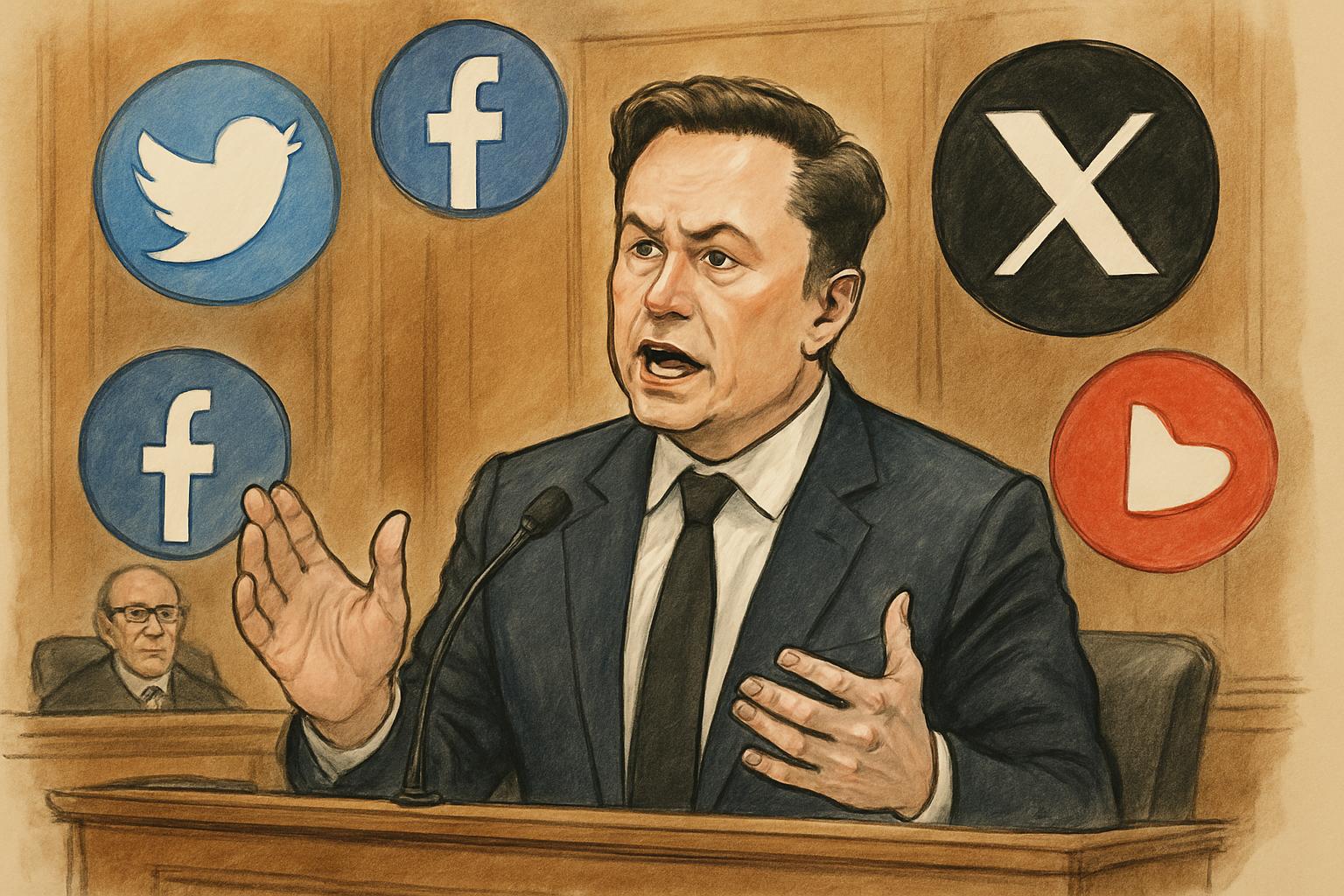
Elon Musk Defends Tweets in Twitter Takeover Trial
Facebook's New Subscription Model: A Potential Game Changer for Content Sharing
In This Article
 Ethan Brooks| Published
 HIGHLIGHTS
- Facebook is testing a subscription model, charging £9.99 monthly for users to share more than two links, impacting content creators and businesses.
- The test, starting December 16, applies to select users in the UK and US, excluding news organizations, but could affect news distribution indirectly.
- Meta Verified subscribers gain benefits like a verified badge and enhanced account features, similar to Twitter's paid verification model.
- This move aligns with Meta's strategy to monetize its platforms further, following a shift away from prioritizing news content.
- Social media experts warn that reliance on platforms like Facebook for traffic is increasingly risky due to such monetization strategies.
Facebook is exploring a new subscription model that could significantly alter how users share content on the platform. Starting December 16, a limited test will restrict certain users in the UK and US to sharing only two links per month unless they subscribe to Meta Verified, a service priced at £9.99 per month. This initiative is part of Meta's broader strategy to monetize its platforms more aggressively.
Subscription Model and Its Implications
Meta, Facebook's parent company, has confirmed that this test targets a subset of users utilizing Facebook's Professional Mode or Pages, which are popular among content creators and businesses. While news organizations are not directly included in this test, the implications for news distribution are notable. The move could indirectly impact newsrooms and media publishers by limiting users' ability to share their content freely.
Social media expert Matt Navarra highlighted that this development underscores Facebook's shift towards monetizing content distribution. "If you're a creator or a business, the message is clear: access now comes with a price tag," Navarra told the BBC. This sentiment echoes the broader trend of social media platforms, like Twitter under Elon Musk, adopting paid verification models.
Meta's Strategic Shift
This test is part of Meta's ongoing efforts to extract more value from its legacy platforms, especially after its costly investment in the metaverse. David Buttle, founder of DJB Strategies, noted that Meta's retreat from news content and its focus on monetizing reach reflect a strategic pivot. "Meta has made clear that news is no longer strategic," Buttle remarked, pointing to the company's previous decisions to deprioritize news content and block news links in Canada.
Impact on Content Creators and Businesses
For content creators and businesses, the implications are significant. The ability to share links freely has been a cornerstone of digital marketing strategies. With this new model, creators may need to reassess their reliance on Facebook as a traffic engine. Navarra cautioned that building a business overly dependent on any single platform's goodwill is increasingly risky.
WHAT THIS MIGHT MEAN
As Facebook continues to test and potentially expand this subscription model, the landscape for content sharing on social media could undergo substantial changes. If successful, this model might encourage other platforms to adopt similar monetization strategies, further complicating the digital marketing ecosystem. For news organizations, the indirect effects could necessitate a reevaluation of how they engage audiences on social media.
Experts suggest that this move could also prompt a broader discussion about the role of social media platforms in content distribution and their responsibility towards users and publishers. As Meta navigates these changes, the balance between monetization and user engagement will be crucial in determining the future of content sharing on its platforms.
Related Articles
UK Reinforces Military Presence in Cyprus Amid Middle East Tensions
UK-Iran Tensions: Starmer Defends Cautious Approach Amid Trump Criticism
Diplomatic Tensions Rise as Trump Criticizes Starmer's Iran Policy
Canada and Australia Forge Strategic Partnership Amid Global Uncertainty
UK Government to Reform Asylum Seeker Support and Employment Policies
Elon Musk Defends Tweets in Twitter Takeover Trial