
Fast Tech: The Growing Environmental Challenge of Disposable Electronics

In This Article
HIGHLIGHTS
- Fast tech, characterized by cheap and often disposable electronics, is contributing significantly to the growing problem of electronic waste.
- Material Focus reports that over 1.14 billion small electronic gadgets are purchased annually in the UK, with about half discarded within the same year.
- The rise of fast tech parallels the growth of fast fashion, posing similar environmental challenges due to the difficulty in recycling these items.
- Experts advocate for a circular economy and policies like Right to Repair to mitigate the environmental impact of fast tech.
- Consumers are urged to make more sustainable choices and recycle unwanted electronics to reduce waste.
The surge in demand for inexpensive and often disposable electronic gadgets, known as "fast tech," is raising alarms over its contribution to the burgeoning issue of electronic waste. Organizations like Material Focus, which campaigns for the recycling of electricals, highlight the environmental toll of these gadgets, which are frequently discarded or left unused in drawers.
The Rise of Fast Tech
Fast tech encompasses a range of low-cost electronics, from mini-fans and LED toilet seats to portable chargers and electric toothbrushes. In the UK alone, more than 1.14 billion of these gadgets are purchased annually, with approximately 589 million discarded within the same period, according to Material Focus. This trend mirrors the rapid growth of fast fashion, with similar negative environmental impacts due to the difficulty of recycling these items.
Environmental and Economic Implications
The environmental implications of fast tech are significant. Many of these gadgets contain valuable materials like copper, which are often locked away in landfills instead of being recycled. The mining of such materials is environmentally damaging, yet they are crucial for the transition to low-carbon technologies. Scott Butler, executive director of Material Focus, urges consumers to reconsider their purchases, emphasizing that while these items may be cheap, they are not disposable. "Anything with a plug, battery, or cable should never be binned," he asserts.
Towards a Circular Economy
Experts advocate for a shift towards a circular economy, where products are designed for longevity, repairability, and recyclability. Joe Iles of the Ellen MacArthur Foundation suggests that policy tools like Right to Repair and Extended Producer Responsibility could drive better design and encourage sustainable practices. Laura Burley from Greenpeace UK highlights the challenge posed by the combination of plastic and electronic components, describing fast tech as a "toxic cocktail" that complicates recycling efforts.
Consumer Responsibility and Sustainable Choices
Consumers play a crucial role in addressing the fast tech problem. By making informed purchasing decisions and recycling unwanted electronics, they can help reduce waste. Environmental scientist Laura Young emphasizes the need for awareness, noting that many users are unaware of the electronic components in small devices like vapes. "We have never had throwaway technology like this before," she warns, underscoring the urgency of the issue.
WHAT THIS MIGHT MEAN
The growing concern over fast tech could lead to increased regulatory measures aimed at reducing electronic waste. Governments might implement stricter recycling mandates and incentivize manufacturers to design more sustainable products. The adoption of a circular economy model could gain momentum, encouraging businesses to innovate in product design and lifecycle management. As awareness of the environmental impact of fast tech spreads, consumers may increasingly demand durable and repairable electronics, potentially reshaping the market landscape.
Related Articles

Canada and Australia Forge Strategic Partnership Amid Global Uncertainty

UK Government to Reform Asylum Seeker Support and Employment Policies
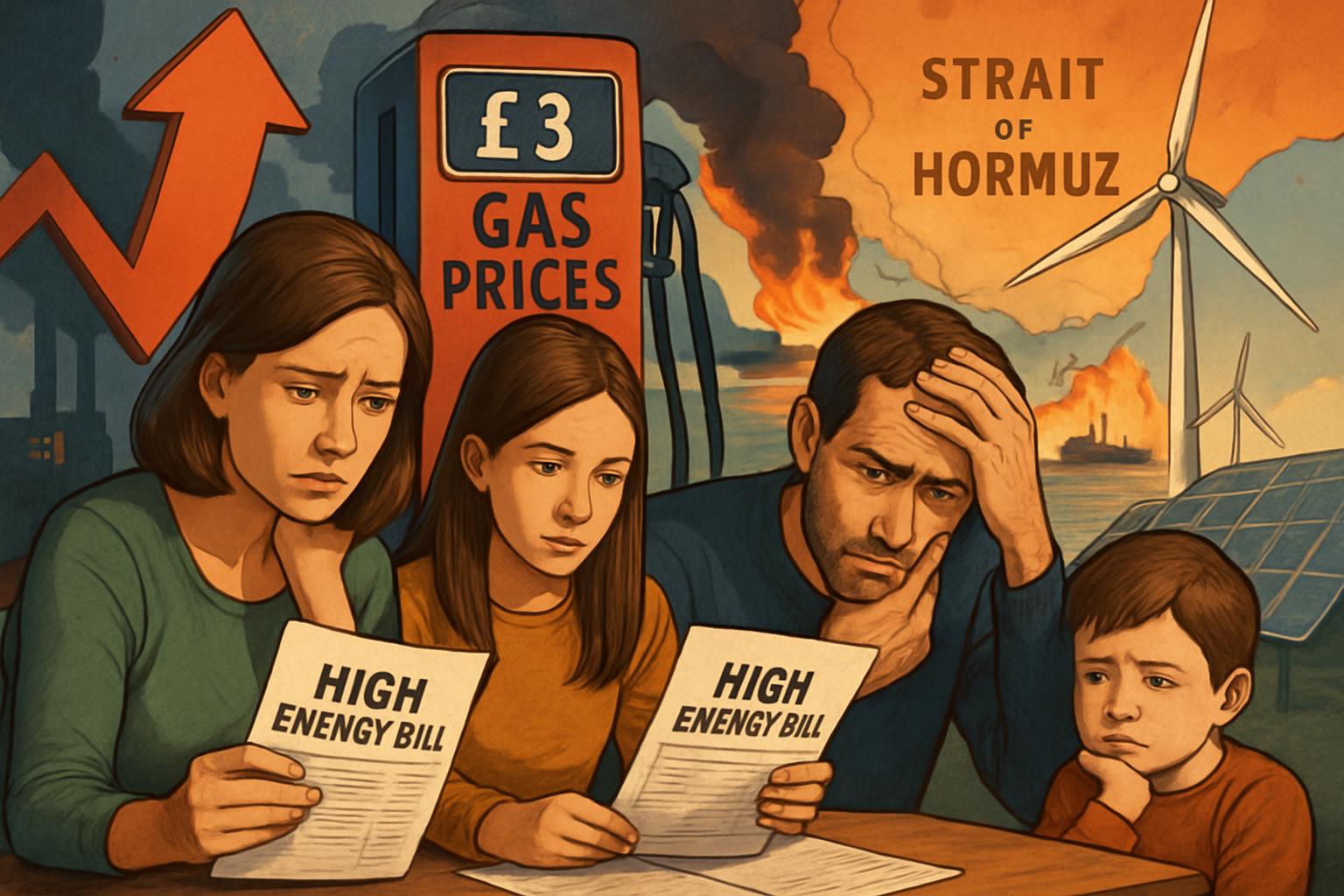
Middle East Conflict Drives UK Energy Prices to New Highs

UK Faces Dilemmas Amid Iran Conflict and China Spying Allegations

UK Reinforces Military Presence in Cyprus Amid Middle East Tensions

Police Federation Chief Arrested Amid Fraud Investigation
Fast Tech: The Growing Environmental Challenge of Disposable Electronics
In This Article
 Himanshu Kaushik| Published
 HIGHLIGHTS
- Fast tech, characterized by cheap and often disposable electronics, is contributing significantly to the growing problem of electronic waste.
- Material Focus reports that over 1.14 billion small electronic gadgets are purchased annually in the UK, with about half discarded within the same year.
- The rise of fast tech parallels the growth of fast fashion, posing similar environmental challenges due to the difficulty in recycling these items.
- Experts advocate for a circular economy and policies like Right to Repair to mitigate the environmental impact of fast tech.
- Consumers are urged to make more sustainable choices and recycle unwanted electronics to reduce waste.
The surge in demand for inexpensive and often disposable electronic gadgets, known as "fast tech," is raising alarms over its contribution to the burgeoning issue of electronic waste. Organizations like Material Focus, which campaigns for the recycling of electricals, highlight the environmental toll of these gadgets, which are frequently discarded or left unused in drawers.
The Rise of Fast Tech
Fast tech encompasses a range of low-cost electronics, from mini-fans and LED toilet seats to portable chargers and electric toothbrushes. In the UK alone, more than 1.14 billion of these gadgets are purchased annually, with approximately 589 million discarded within the same period, according to Material Focus. This trend mirrors the rapid growth of fast fashion, with similar negative environmental impacts due to the difficulty of recycling these items.
Environmental and Economic Implications
The environmental implications of fast tech are significant. Many of these gadgets contain valuable materials like copper, which are often locked away in landfills instead of being recycled. The mining of such materials is environmentally damaging, yet they are crucial for the transition to low-carbon technologies. Scott Butler, executive director of Material Focus, urges consumers to reconsider their purchases, emphasizing that while these items may be cheap, they are not disposable. "Anything with a plug, battery, or cable should never be binned," he asserts.
Towards a Circular Economy
Experts advocate for a shift towards a circular economy, where products are designed for longevity, repairability, and recyclability. Joe Iles of the Ellen MacArthur Foundation suggests that policy tools like Right to Repair and Extended Producer Responsibility could drive better design and encourage sustainable practices. Laura Burley from Greenpeace UK highlights the challenge posed by the combination of plastic and electronic components, describing fast tech as a "toxic cocktail" that complicates recycling efforts.
Consumer Responsibility and Sustainable Choices
Consumers play a crucial role in addressing the fast tech problem. By making informed purchasing decisions and recycling unwanted electronics, they can help reduce waste. Environmental scientist Laura Young emphasizes the need for awareness, noting that many users are unaware of the electronic components in small devices like vapes. "We have never had throwaway technology like this before," she warns, underscoring the urgency of the issue.
WHAT THIS MIGHT MEAN
The growing concern over fast tech could lead to increased regulatory measures aimed at reducing electronic waste. Governments might implement stricter recycling mandates and incentivize manufacturers to design more sustainable products. The adoption of a circular economy model could gain momentum, encouraging businesses to innovate in product design and lifecycle management. As awareness of the environmental impact of fast tech spreads, consumers may increasingly demand durable and repairable electronics, potentially reshaping the market landscape.
Related Articles
Canada and Australia Forge Strategic Partnership Amid Global Uncertainty
UK Government to Reform Asylum Seeker Support and Employment Policies
Middle East Conflict Drives UK Energy Prices to New Highs
UK Faces Dilemmas Amid Iran Conflict and China Spying Allegations
UK Reinforces Military Presence in Cyprus Amid Middle East Tensions
Police Federation Chief Arrested Amid Fraud Investigation