
FBI Raid on Washington Post Reporter Sparks Press Freedom Concerns
In This Article
HIGHLIGHTS
- The FBI raided the home of Washington Post reporter Hannah Natanson as part of a probe into a government contractor accused of leaking classified documents.
- The contractor, Aurelio Perez-Lugones, has been charged with unlawful retention of national defense information and is scheduled to appear in court.
- Attorney General Pam Bondi stated that the Trump administration will not tolerate illegal leaks that threaten national security.
- Press freedom advocates expressed concern over the raid, calling it a significant intrusion on journalistic independence.
- Natanson was informed she was not the focus of the investigation, although her electronic devices were seized during the search.
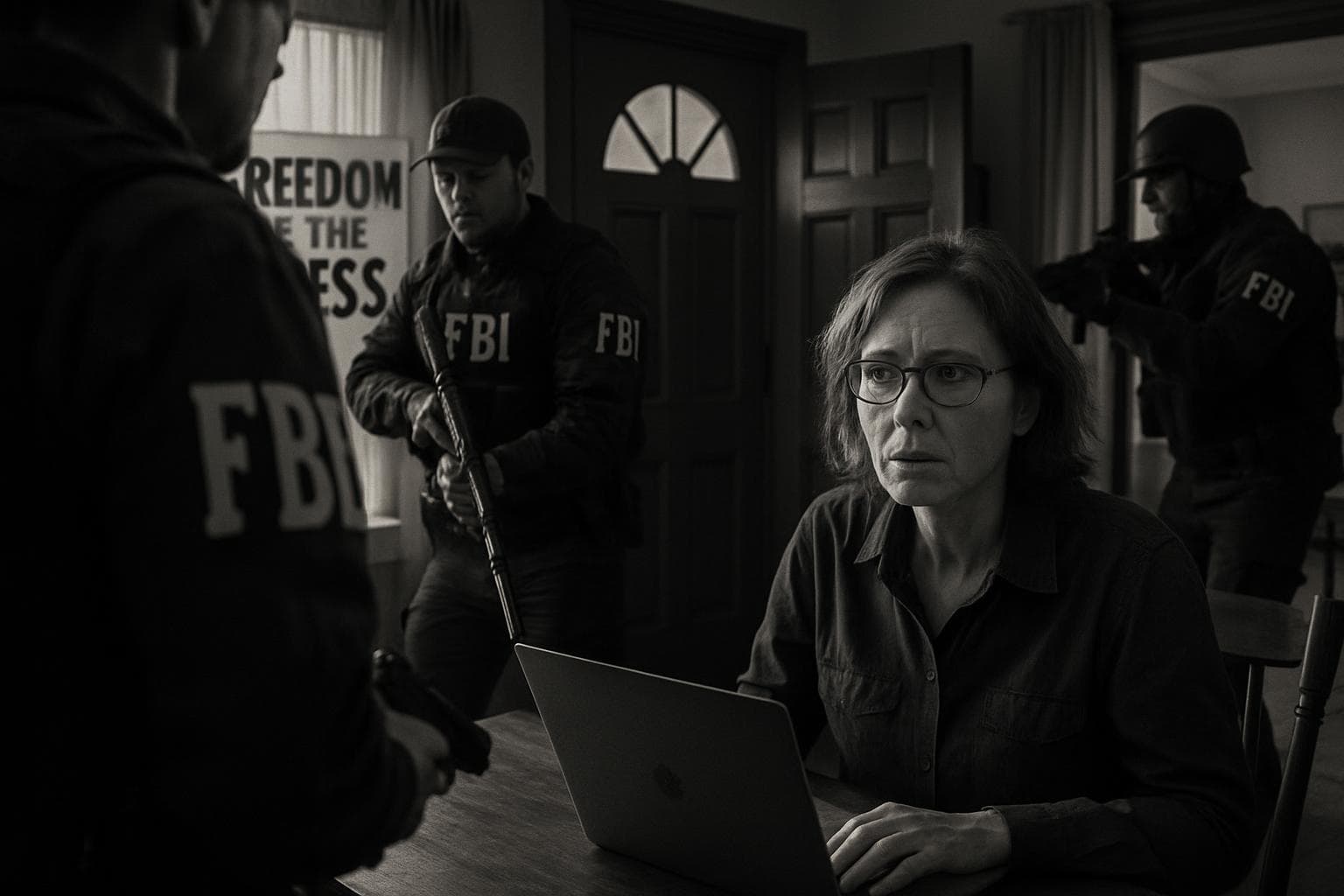
In a move that has drawn widespread criticism from press freedom advocates, the FBI conducted a raid on the home of Washington Post reporter Hannah Natanson. The operation, which took place early Wednesday, was part of an investigation into Aurelio Perez-Lugones, a government contractor accused of illegally retaining classified documents. The raid, described by the Washington Post as "highly unusual and aggressive," has raised significant concerns about the implications for journalistic independence.
Details of the Investigation
The investigation centers on Perez-Lugones, a systems engineer with top-secret security clearance, who allegedly accessed and printed classified intelligence reports. According to court filings, classified information was discovered in a lunch box in his car. Perez-Lugones has been charged with unlawful retention of national defense information and is expected to appear in court on Thursday.
Government Stance on Leaks
Attorney General Pam Bondi emphasized the Trump administration's zero-tolerance policy towards illegal leaks, stating that such actions pose a grave risk to national security. In a post on X, Bondi confirmed that the raid was conducted at the request of the Pentagon and reiterated the administration's commitment to safeguarding sensitive information.
Press Freedom Concerns
The search of Natanson's home has sparked alarm among press freedom advocates. Jameel Jaffer, executive director of the Knight First Amendment Institute, highlighted the potential chilling effect on journalism, noting that such actions could deter vital reporting. The Washington Post's executive editor, Matt Murray, expressed deep concern over the raid, underscoring the newspaper's commitment to robust press freedoms.
Impact on Journalism
Natanson, known for her coverage of the federal workforce, was informed that she was not the target of the investigation. However, agents seized her phone, a work and personal computer, and a Garmin watch during the search. The incident has prompted a broader discussion about the balance between national security and press freedom, with many viewing the raid as an overreach by law enforcement.
WHAT THIS MIGHT MEAN
The legal proceedings against Aurelio Perez-Lugones will likely continue to unfold, with potential implications for how classified information is handled by government contractors. The case also raises questions about the Trump administration's approach to press freedom, particularly in its handling of leak investigations. Experts suggest that this incident could lead to increased scrutiny of the administration's policies and practices regarding the press. As the situation develops, it will be crucial to monitor how these actions impact the relationship between the government and the media, as well as the broader implications for journalistic independence in the United States.
Related Articles

US Military Strikes on Alleged Drug Boats Raise Legal Concerns
Don Lemon Pleads Not Guilty in Minnesota Church Protest Case

US and Israel Intensify Military Campaign as Iran's Capabilities Dwindle
Trump to Direct Release of Pentagon UFO Files Amid Renewed Interest
Les Wexner Denies Knowledge of Epstein's Crimes in Congressional Testimony
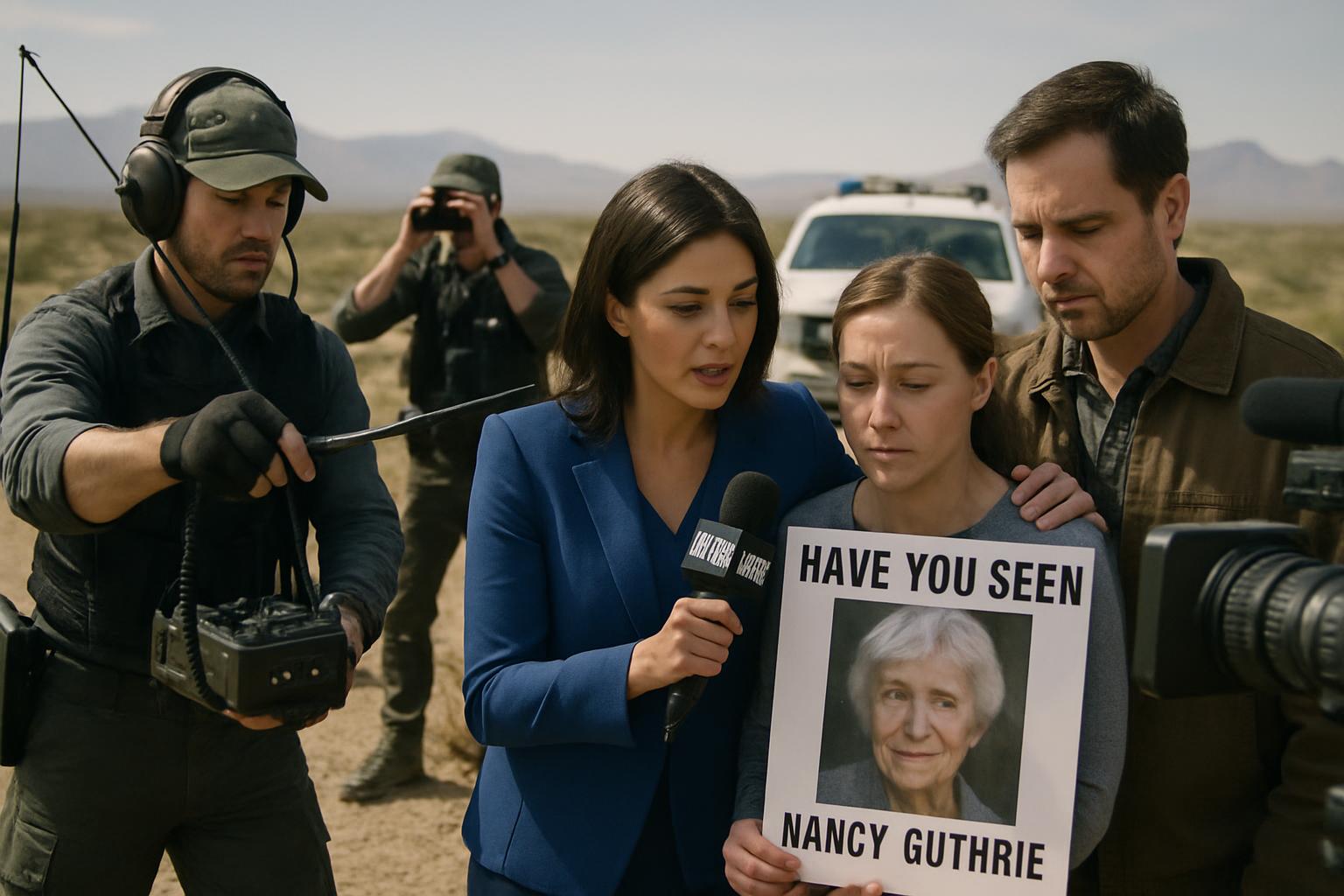
Search for Nancy Guthrie Intensifies as DNA Evidence Yields No Leads
FBI Raid on Washington Post Reporter Sparks Press Freedom Concerns
In This Article
 Ethan Brooks| Published
 HIGHLIGHTS
- The FBI raided the home of Washington Post reporter Hannah Natanson as part of a probe into a government contractor accused of leaking classified documents.
- The contractor, Aurelio Perez-Lugones, has been charged with unlawful retention of national defense information and is scheduled to appear in court.
- Attorney General Pam Bondi stated that the Trump administration will not tolerate illegal leaks that threaten national security.
- Press freedom advocates expressed concern over the raid, calling it a significant intrusion on journalistic independence.
- Natanson was informed she was not the focus of the investigation, although her electronic devices were seized during the search.
In a move that has drawn widespread criticism from press freedom advocates, the FBI conducted a raid on the home of Washington Post reporter Hannah Natanson. The operation, which took place early Wednesday, was part of an investigation into Aurelio Perez-Lugones, a government contractor accused of illegally retaining classified documents. The raid, described by the Washington Post as "highly unusual and aggressive," has raised significant concerns about the implications for journalistic independence.
Details of the Investigation
The investigation centers on Perez-Lugones, a systems engineer with top-secret security clearance, who allegedly accessed and printed classified intelligence reports. According to court filings, classified information was discovered in a lunch box in his car. Perez-Lugones has been charged with unlawful retention of national defense information and is expected to appear in court on Thursday.
Government Stance on Leaks
Attorney General Pam Bondi emphasized the Trump administration's zero-tolerance policy towards illegal leaks, stating that such actions pose a grave risk to national security. In a post on X, Bondi confirmed that the raid was conducted at the request of the Pentagon and reiterated the administration's commitment to safeguarding sensitive information.
Press Freedom Concerns
The search of Natanson's home has sparked alarm among press freedom advocates. Jameel Jaffer, executive director of the Knight First Amendment Institute, highlighted the potential chilling effect on journalism, noting that such actions could deter vital reporting. The Washington Post's executive editor, Matt Murray, expressed deep concern over the raid, underscoring the newspaper's commitment to robust press freedoms.
Impact on Journalism
Natanson, known for her coverage of the federal workforce, was informed that she was not the target of the investigation. However, agents seized her phone, a work and personal computer, and a Garmin watch during the search. The incident has prompted a broader discussion about the balance between national security and press freedom, with many viewing the raid as an overreach by law enforcement.
WHAT THIS MIGHT MEAN
The legal proceedings against Aurelio Perez-Lugones will likely continue to unfold, with potential implications for how classified information is handled by government contractors. The case also raises questions about the Trump administration's approach to press freedom, particularly in its handling of leak investigations. Experts suggest that this incident could lead to increased scrutiny of the administration's policies and practices regarding the press. As the situation develops, it will be crucial to monitor how these actions impact the relationship between the government and the media, as well as the broader implications for journalistic independence in the United States.
Related Articles
US Military Strikes on Alleged Drug Boats Raise Legal Concerns
Don Lemon Pleads Not Guilty in Minnesota Church Protest Case
US and Israel Intensify Military Campaign as Iran's Capabilities Dwindle
Trump to Direct Release of Pentagon UFO Files Amid Renewed Interest
Les Wexner Denies Knowledge of Epstein's Crimes in Congressional Testimony
Search for Nancy Guthrie Intensifies as DNA Evidence Yields No Leads