
FCC Probes BBC Panorama Over Edited Trump Speech Amid Legal Threats
In This Article
HIGHLIGHTS
- The FCC is investigating a BBC Panorama episode that edited a 2021 Trump speech, potentially violating US media regulations.
- The BBC has apologized for the edit, which misleadingly suggested Trump called for violence on January 6, 2021.
- Trump has threatened to sue the BBC for up to $5 billion, claiming defamation and misrepresentation.
- The BBC maintains the episode was not aired in the US and was restricted to UK viewers on iPlayer.
- FCC chief Brendan Carr, a Trump ally, is probing whether the edited content was distributed to US broadcasters like NPR or PBS.
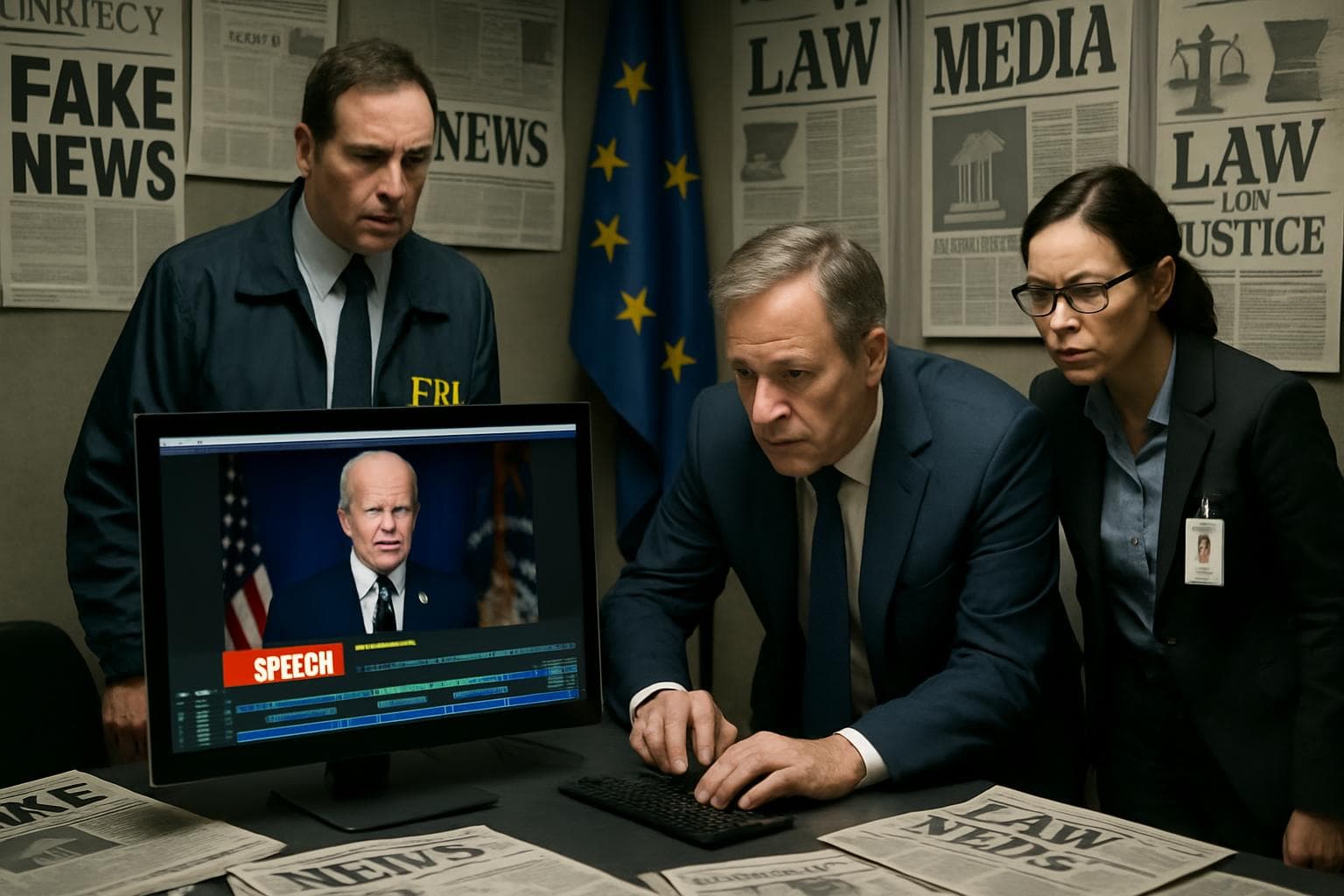
The Federal Communications Commission (FCC) is scrutinizing a BBC Panorama episode that controversially edited a speech by former US President Donald Trump. The episode, which aired in 2021, combined segments of Trump's speech from January 6, creating the impression that he directly incited violence during the Capitol riot. This has prompted an investigation led by FCC chief Brendan Carr, a known ally of Trump, to determine if the BBC's actions breached US media regulations.
Background and Investigation
The BBC's Panorama episode, titled "Trump: A Second Chance?", edited Trump's speech to suggest he urged supporters to march to the Capitol and "fight like hell." The original speech segments were nearly an hour apart, but the edited version presented them as a continuous call to action. Carr has reached out to the BBC's outgoing director general, Tim Davie, and US broadcasters NPR and PBS, to ascertain if the altered content was aired in the US, which could implicate FCC regulations on news distortion and broadcast ethics.
BBC's Response and Legal Context
In response to the controversy, the BBC has issued an apology, acknowledging the misleading nature of the edit. However, the broadcaster insists that the episode was not distributed in the US and was only available to UK viewers via BBC iPlayer. Despite this, Trump has threatened legal action, seeking damages between $1 billion and $5 billion, claiming the edit defamed him. The BBC's chair, Samir Shah, has expressed the corporation's intent to contest Trump's claims, emphasizing their belief in the integrity of their editorial practices.
Implications and Reactions
The investigation has sparked discussions about media regulation and the ethical responsibilities of broadcasters. Michael Prescott, a former adviser to the BBC's editorial guidelines committee, highlighted concerns over the edit in a memo, underscoring the potential impact on public trust in media. Carr's inquiry aims to clarify whether the BBC's conduct aligns with FCC standards, particularly regarding the distribution of potentially misleading content.
WHAT THIS MIGHT MEAN
As the FCC's investigation unfolds, the outcome could influence future media practices and regulatory scrutiny, especially concerning international content aired in the US. If the BBC is found to have violated FCC regulations, it may face increased oversight or restrictions on its partnerships with US broadcasters. Legal experts suggest that Trump's lawsuit, if pursued, could set a precedent for how media organizations handle politically sensitive content. The case also underscores the ongoing tensions between media outlets and political figures, highlighting the delicate balance between editorial freedom and ethical responsibility.
Related Articles

UK Faces Dilemmas Amid Iran Conflict and China Spying Allegations

UK-Iran Tensions: Starmer Defends Cautious Approach Amid Trump Criticism
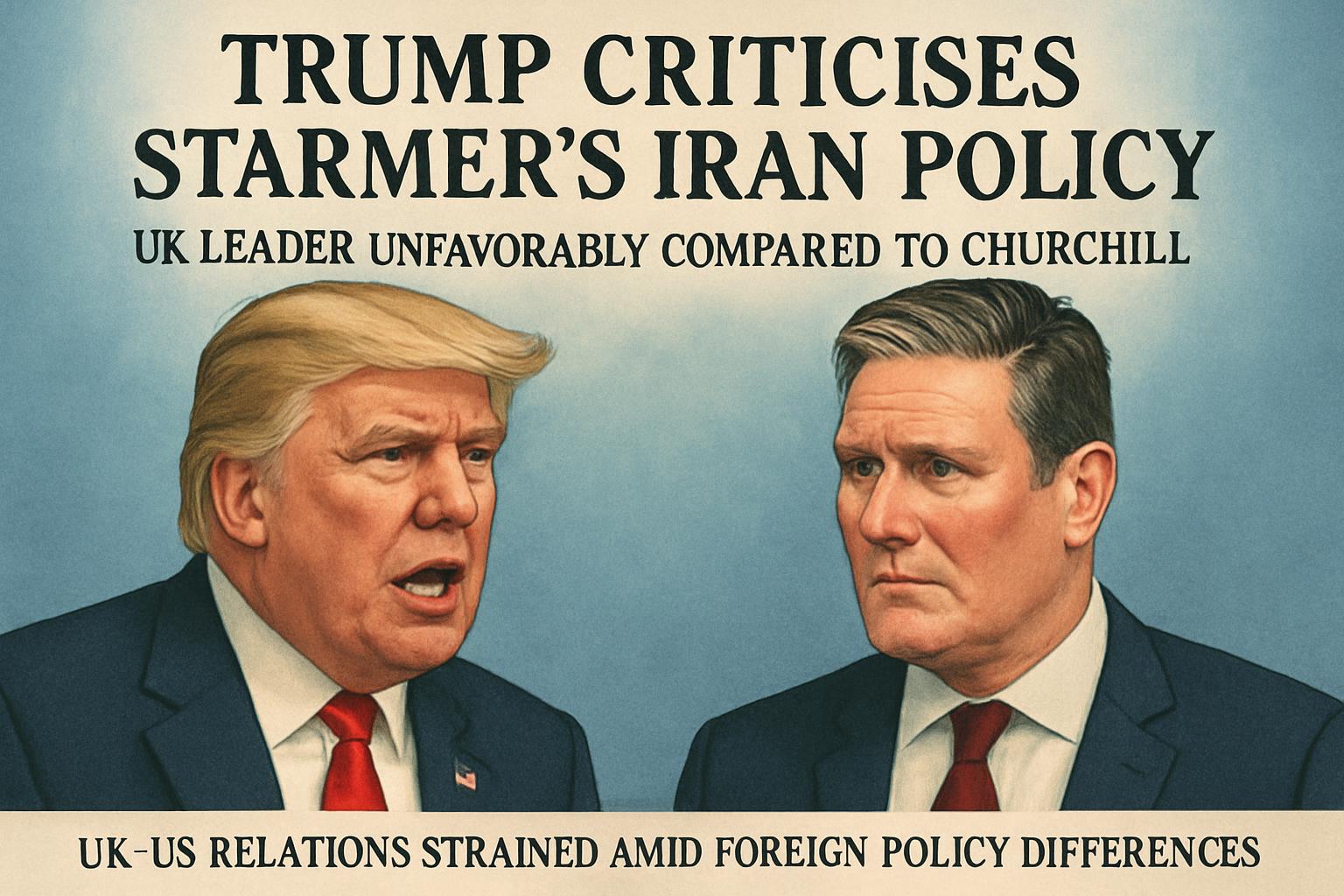
Diplomatic Tensions Rise as Trump Criticizes Starmer's Iran Policy

Tech Giants Pledge to Cover AI Data Center Energy Costs Amid Rising Electricity Concerns
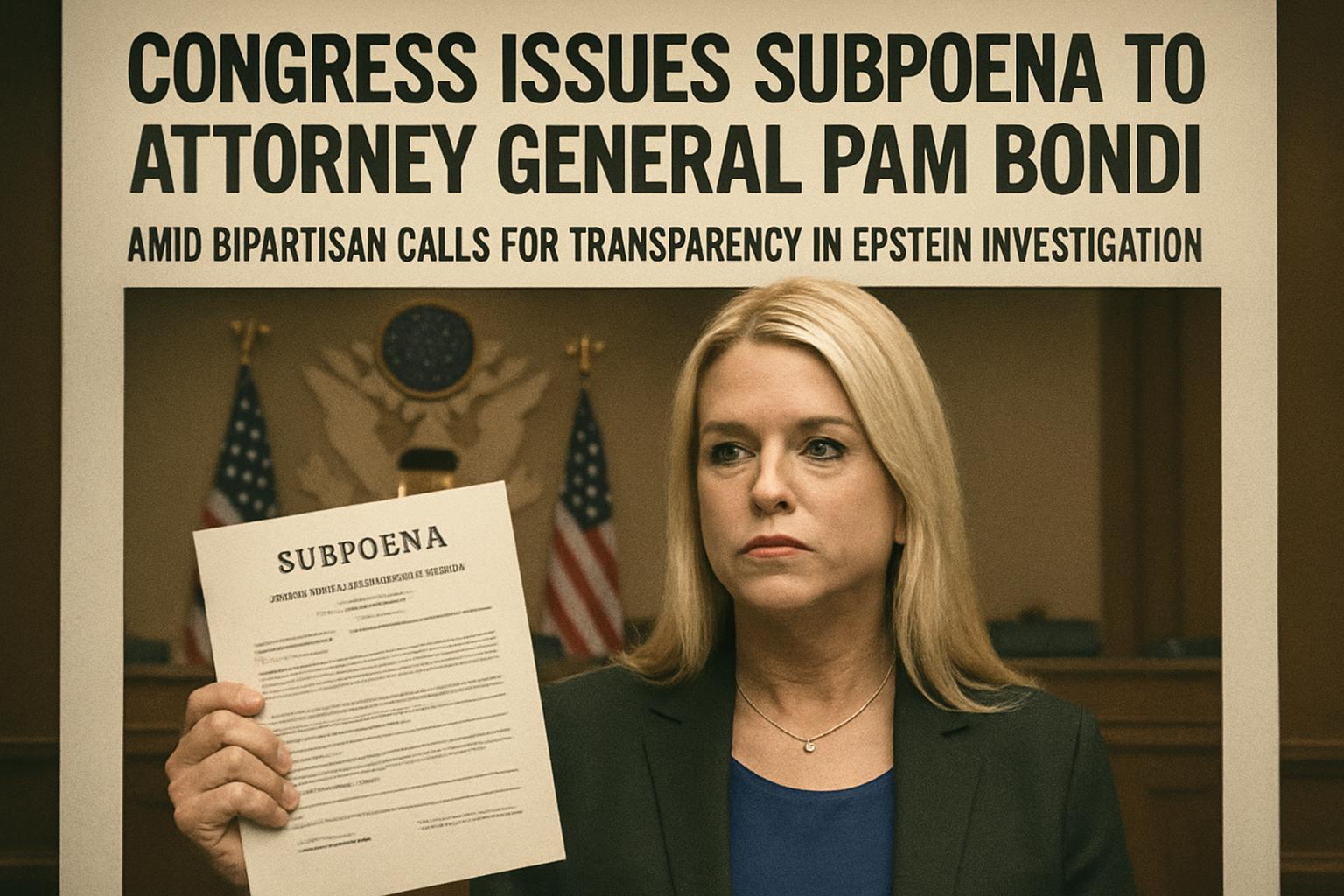
Congress Subpoenas Attorney General Bondi in Epstein Investigation
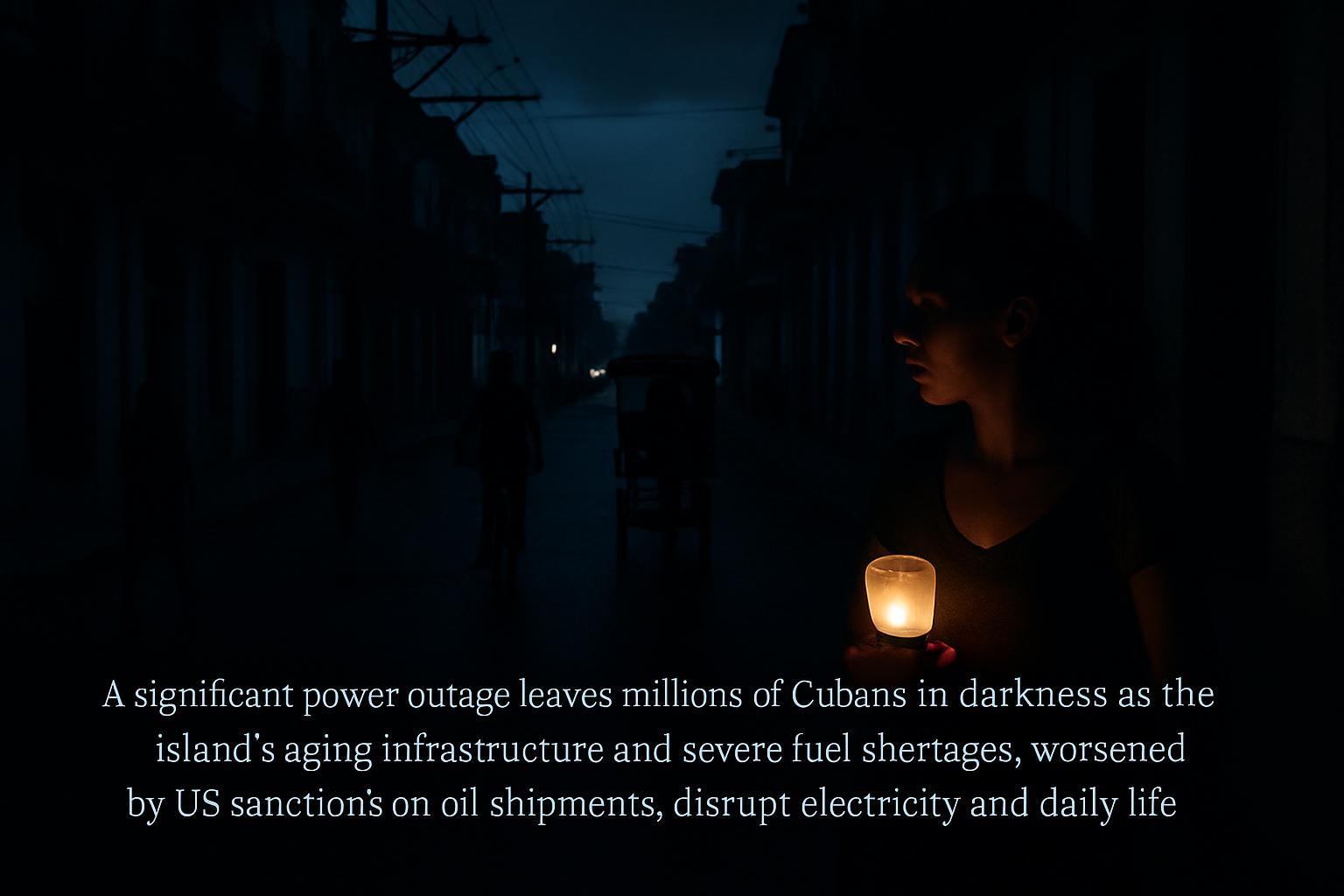
Cuba Faces Widespread Blackout Amid Deepening Fuel Crisis
FCC Probes BBC Panorama Over Edited Trump Speech Amid Legal Threats
In This Article
 Ethan Brooks| Published
 HIGHLIGHTS
- The FCC is investigating a BBC Panorama episode that edited a 2021 Trump speech, potentially violating US media regulations.
- The BBC has apologized for the edit, which misleadingly suggested Trump called for violence on January 6, 2021.
- Trump has threatened to sue the BBC for up to $5 billion, claiming defamation and misrepresentation.
- The BBC maintains the episode was not aired in the US and was restricted to UK viewers on iPlayer.
- FCC chief Brendan Carr, a Trump ally, is probing whether the edited content was distributed to US broadcasters like NPR or PBS.
The Federal Communications Commission (FCC) is scrutinizing a BBC Panorama episode that controversially edited a speech by former US President Donald Trump. The episode, which aired in 2021, combined segments of Trump's speech from January 6, creating the impression that he directly incited violence during the Capitol riot. This has prompted an investigation led by FCC chief Brendan Carr, a known ally of Trump, to determine if the BBC's actions breached US media regulations.
Background and Investigation
The BBC's Panorama episode, titled "Trump: A Second Chance?", edited Trump's speech to suggest he urged supporters to march to the Capitol and "fight like hell." The original speech segments were nearly an hour apart, but the edited version presented them as a continuous call to action. Carr has reached out to the BBC's outgoing director general, Tim Davie, and US broadcasters NPR and PBS, to ascertain if the altered content was aired in the US, which could implicate FCC regulations on news distortion and broadcast ethics.
BBC's Response and Legal Context
In response to the controversy, the BBC has issued an apology, acknowledging the misleading nature of the edit. However, the broadcaster insists that the episode was not distributed in the US and was only available to UK viewers via BBC iPlayer. Despite this, Trump has threatened legal action, seeking damages between $1 billion and $5 billion, claiming the edit defamed him. The BBC's chair, Samir Shah, has expressed the corporation's intent to contest Trump's claims, emphasizing their belief in the integrity of their editorial practices.
Implications and Reactions
The investigation has sparked discussions about media regulation and the ethical responsibilities of broadcasters. Michael Prescott, a former adviser to the BBC's editorial guidelines committee, highlighted concerns over the edit in a memo, underscoring the potential impact on public trust in media. Carr's inquiry aims to clarify whether the BBC's conduct aligns with FCC standards, particularly regarding the distribution of potentially misleading content.
WHAT THIS MIGHT MEAN
As the FCC's investigation unfolds, the outcome could influence future media practices and regulatory scrutiny, especially concerning international content aired in the US. If the BBC is found to have violated FCC regulations, it may face increased oversight or restrictions on its partnerships with US broadcasters. Legal experts suggest that Trump's lawsuit, if pursued, could set a precedent for how media organizations handle politically sensitive content. The case also underscores the ongoing tensions between media outlets and political figures, highlighting the delicate balance between editorial freedom and ethical responsibility.
Related Articles
UK Faces Dilemmas Amid Iran Conflict and China Spying Allegations
UK-Iran Tensions: Starmer Defends Cautious Approach Amid Trump Criticism
Diplomatic Tensions Rise as Trump Criticizes Starmer's Iran Policy
Tech Giants Pledge to Cover AI Data Center Energy Costs Amid Rising Electricity Concerns
Congress Subpoenas Attorney General Bondi in Epstein Investigation
Cuba Faces Widespread Blackout Amid Deepening Fuel Crisis