
Formula 1 Technology Powers New Era of Superfast Train Wifi in the UK

In This Article
HIGHLIGHTS
- A pilot scheme using Formula 1 technology aims to enhance train wifi speeds on Great Western Railway (GWR) trains.
- The trial employs a hybrid system of 5G masts and low Earth orbit satellites to provide seamless connectivity.
- The UK Department for Transport has allocated £41 million to expand satellite connectivity on mainline trains by 2030.
- The pilot, lasting 60 days, is a collaboration between Motion Applied and Peninsula Transport, targeting the South West region.
- Successful implementation could lead to a nationwide rollout, significantly improving passenger experience and productivity.
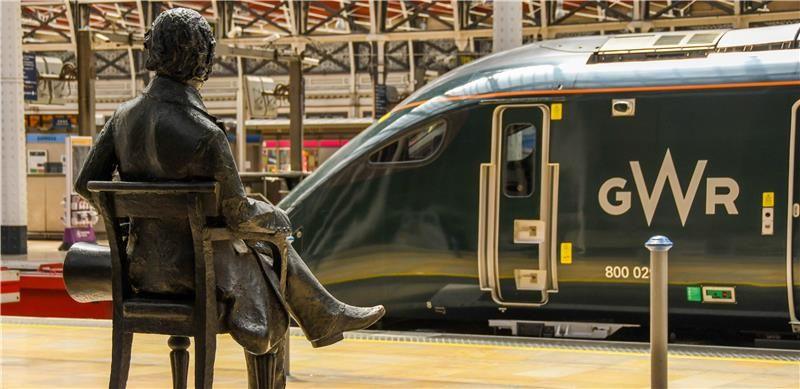
In a groundbreaking initiative, Formula 1 technology is being harnessed to revolutionize train wifi speeds in the UK. A pilot scheme, the first of its kind in the country, is underway on a Great Western Railway (GWR) train, utilizing a hybrid system that combines signals from 5G masts and low Earth orbit (LEO) satellites. This innovative approach aims to deliver seamless and superfast internet connectivity for passengers.
The trial, which began in mid-November, is set to run for 60 days on one of GWR's Intercity Express Trains in the South West region. Developed by British tech company Motion Applied, in partnership with Peninsula Transport, the project seeks to address the long-standing issue of unreliable train wifi, which has frustrated passengers for years.
According to Nick Fry, chairman of Motion Applied and former McLaren Group executive, the technology draws parallels with motorsport, where maintaining connectivity at high speeds is crucial. The system allows trains to switch between ground-based networks and LEO satellites, ensuring a stable connection without dropouts.
The UK Department for Transport has committed £41 million to integrate LEO satellite connectivity across all mainline trains by 2030. Rail minister Peter Hendy emphasized the importance of enhancing passenger experience, stating that fast and reliable wifi is essential for modern travel. The trial complements ongoing government efforts to improve mobile connectivity, including eliminating signal black spots in rail tunnels and upgrading 5G infrastructure at stations.
The pilot's success could pave the way for a broader rollout, potentially transforming the UK's railway infrastructure. Bruce Williamson from Railfuture described the initiative as "really good news," highlighting the growing necessity of wifi as an essential service for travelers.
As the trial progresses, stakeholders are optimistic about the technology's potential to enhance productivity and passenger satisfaction, with the possibility of extending the system to other rail networks, including Deutsche Bahn in Germany and Amtrak in the US.
WHAT THIS MIGHT MEAN
If the pilot proves successful, the integration of Formula 1 technology into the UK's railway system could mark a significant leap forward in public transport connectivity. The potential nationwide rollout by 2030 would not only improve passenger experience but also boost productivity by enabling seamless internet access during travel.
However, the project's success hinges on its cost-effectiveness and the speed of implementation. The Department for Transport will closely monitor the trial's outcomes to determine the feasibility of a broader deployment. Should the initiative meet expectations, it could set a precedent for other countries to follow, positioning the UK as a leader in railway technology innovation.
Images from the Web
Related Articles

Canada and Australia Forge Strategic Partnership Amid Global Uncertainty

UK Government to Reform Asylum Seeker Support and Employment Policies

Middle East Conflict Drives UK Energy Prices to New Highs

UK Faces Dilemmas Amid Iran Conflict and China Spying Allegations
UK Reinforces Military Presence in Cyprus Amid Middle East Tensions

Police Federation Chief Arrested Amid Fraud Investigation
Formula 1 Technology Powers New Era of Superfast Train Wifi in the UK
In This Article
 Himanshu Kaushik| Published
 HIGHLIGHTS
- A pilot scheme using Formula 1 technology aims to enhance train wifi speeds on Great Western Railway (GWR) trains.
- The trial employs a hybrid system of 5G masts and low Earth orbit satellites to provide seamless connectivity.
- The UK Department for Transport has allocated £41 million to expand satellite connectivity on mainline trains by 2030.
- The pilot, lasting 60 days, is a collaboration between Motion Applied and Peninsula Transport, targeting the South West region.
- Successful implementation could lead to a nationwide rollout, significantly improving passenger experience and productivity.
In a groundbreaking initiative, Formula 1 technology is being harnessed to revolutionize train wifi speeds in the UK. A pilot scheme, the first of its kind in the country, is underway on a Great Western Railway (GWR) train, utilizing a hybrid system that combines signals from 5G masts and low Earth orbit (LEO) satellites. This innovative approach aims to deliver seamless and superfast internet connectivity for passengers.
The trial, which began in mid-November, is set to run for 60 days on one of GWR's Intercity Express Trains in the South West region. Developed by British tech company Motion Applied, in partnership with Peninsula Transport, the project seeks to address the long-standing issue of unreliable train wifi, which has frustrated passengers for years.
According to Nick Fry, chairman of Motion Applied and former McLaren Group executive, the technology draws parallels with motorsport, where maintaining connectivity at high speeds is crucial. The system allows trains to switch between ground-based networks and LEO satellites, ensuring a stable connection without dropouts.
The UK Department for Transport has committed £41 million to integrate LEO satellite connectivity across all mainline trains by 2030. Rail minister Peter Hendy emphasized the importance of enhancing passenger experience, stating that fast and reliable wifi is essential for modern travel. The trial complements ongoing government efforts to improve mobile connectivity, including eliminating signal black spots in rail tunnels and upgrading 5G infrastructure at stations.
The pilot's success could pave the way for a broader rollout, potentially transforming the UK's railway infrastructure. Bruce Williamson from Railfuture described the initiative as "really good news," highlighting the growing necessity of wifi as an essential service for travelers.
As the trial progresses, stakeholders are optimistic about the technology's potential to enhance productivity and passenger satisfaction, with the possibility of extending the system to other rail networks, including Deutsche Bahn in Germany and Amtrak in the US.
WHAT THIS MIGHT MEAN
If the pilot proves successful, the integration of Formula 1 technology into the UK's railway system could mark a significant leap forward in public transport connectivity. The potential nationwide rollout by 2030 would not only improve passenger experience but also boost productivity by enabling seamless internet access during travel.
However, the project's success hinges on its cost-effectiveness and the speed of implementation. The Department for Transport will closely monitor the trial's outcomes to determine the feasibility of a broader deployment. Should the initiative meet expectations, it could set a precedent for other countries to follow, positioning the UK as a leader in railway technology innovation.
Images from the Web
Related Articles
Canada and Australia Forge Strategic Partnership Amid Global Uncertainty
UK Government to Reform Asylum Seeker Support and Employment Policies
Middle East Conflict Drives UK Energy Prices to New Highs
UK Faces Dilemmas Amid Iran Conflict and China Spying Allegations
UK Reinforces Military Presence in Cyprus Amid Middle East Tensions
Police Federation Chief Arrested Amid Fraud Investigation