
France Intercepts Russian 'Shadow Fleet' Tanker in Mediterranean

In This Article
HIGHLIGHTS
- France seized a Russian tanker, Grinch, in the Mediterranean, suspected of being part of a "shadow fleet" evading Western sanctions.
- The UK and France are intensifying efforts to intercept vessels that help finance Russia's war in Ukraine, with the UK tracking 42 sanctioned tankers in the English Channel.
- Ukrainian President Zelensky praised the interception, urging further action to prevent Russian oil from funding the conflict.
- The shadow fleet comprises hundreds of aging tankers with obscure ownership, often flying false flags to bypass sanctions.
- Despite legal assurances, the UK has yet to independently seize any shadow fleet vessels, sparking criticism from officials.
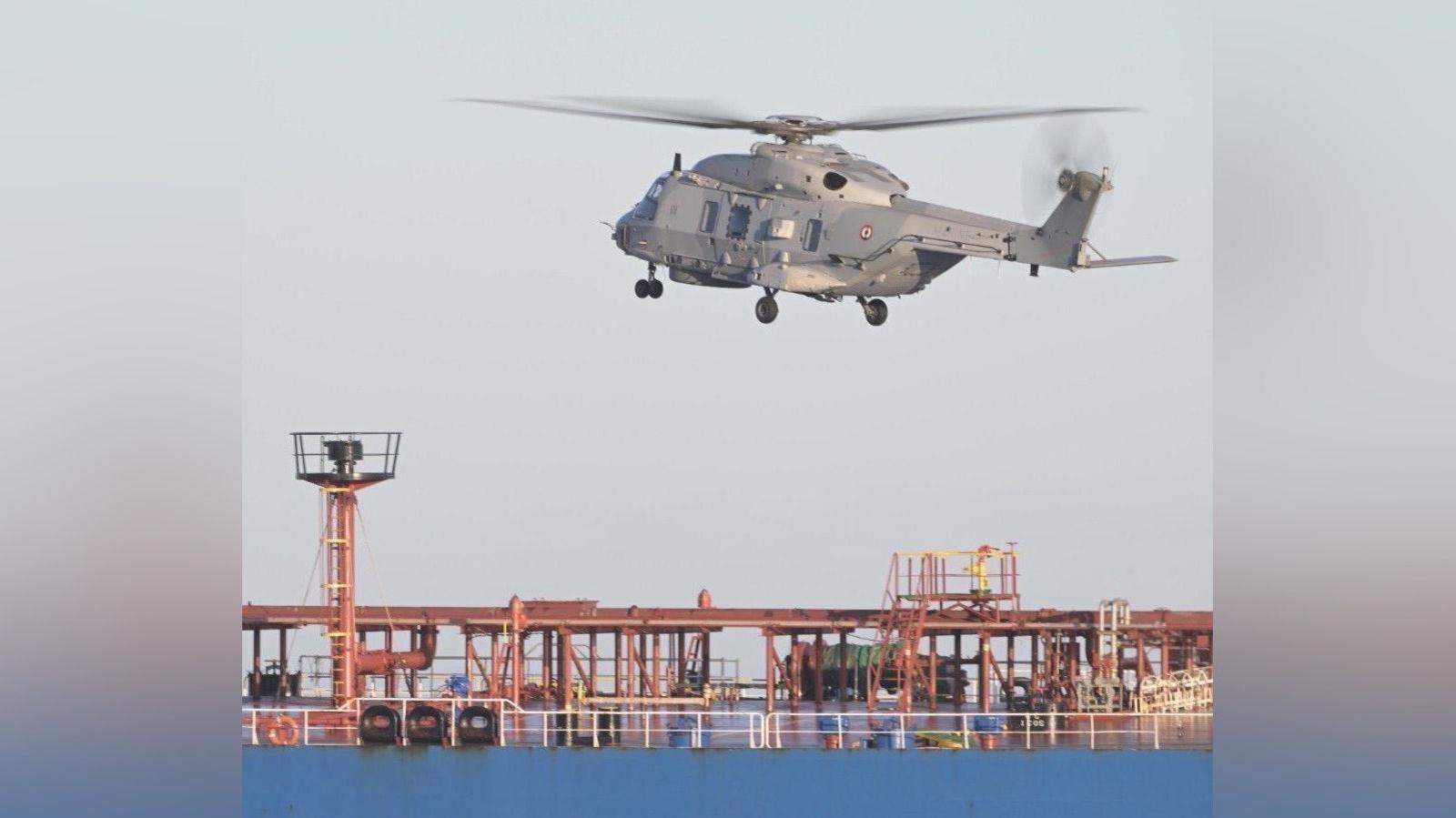
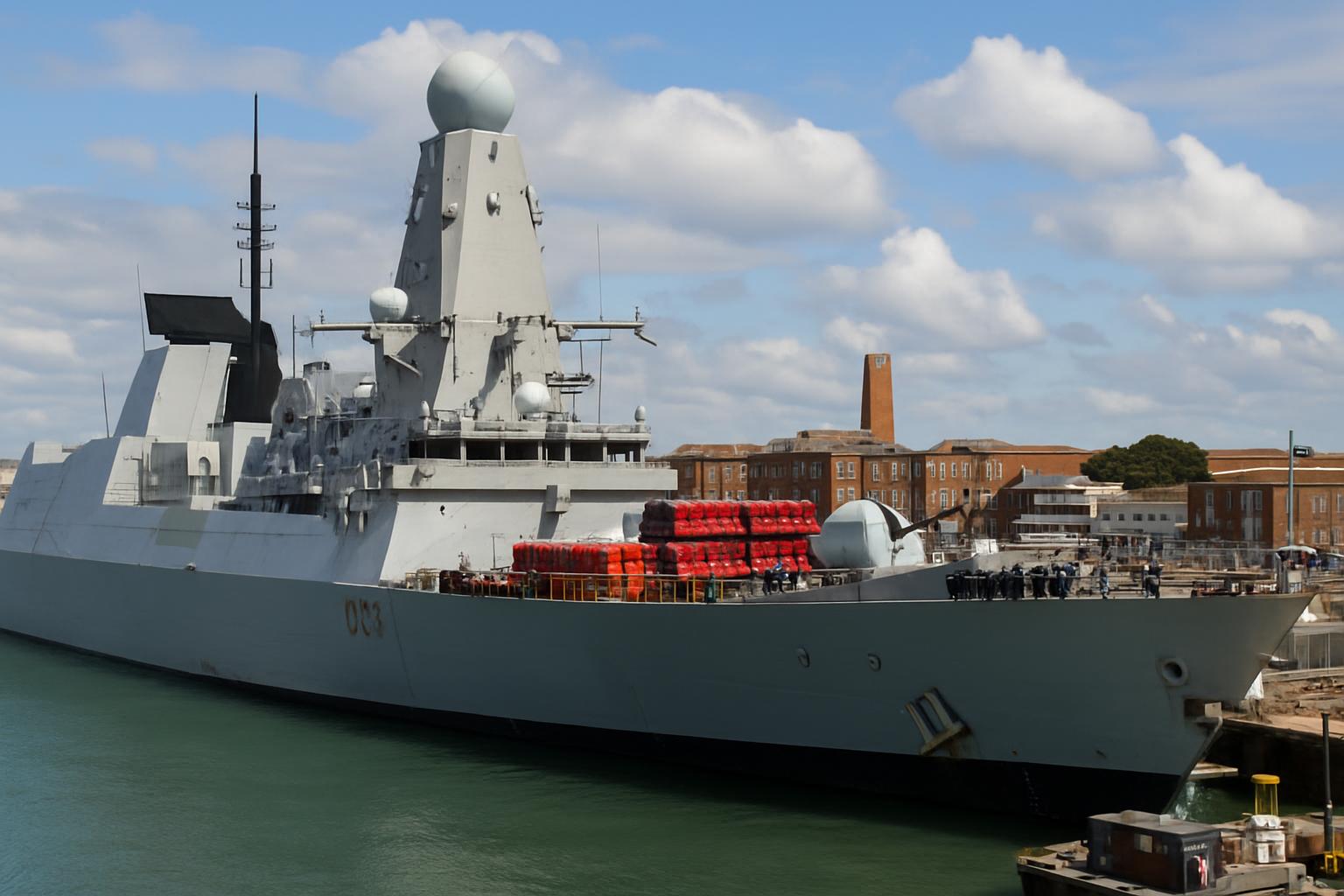
In a significant move against Russia's clandestine oil trade, the French navy has intercepted a tanker suspected of being part of Moscow's "shadow fleet" in the Mediterranean. The vessel, named Grinch, was seized on Thursday morning between Spain and Morocco, with French President Emmanuel Macron confirming it was "subject to international sanctions and suspected of flying a false flag."
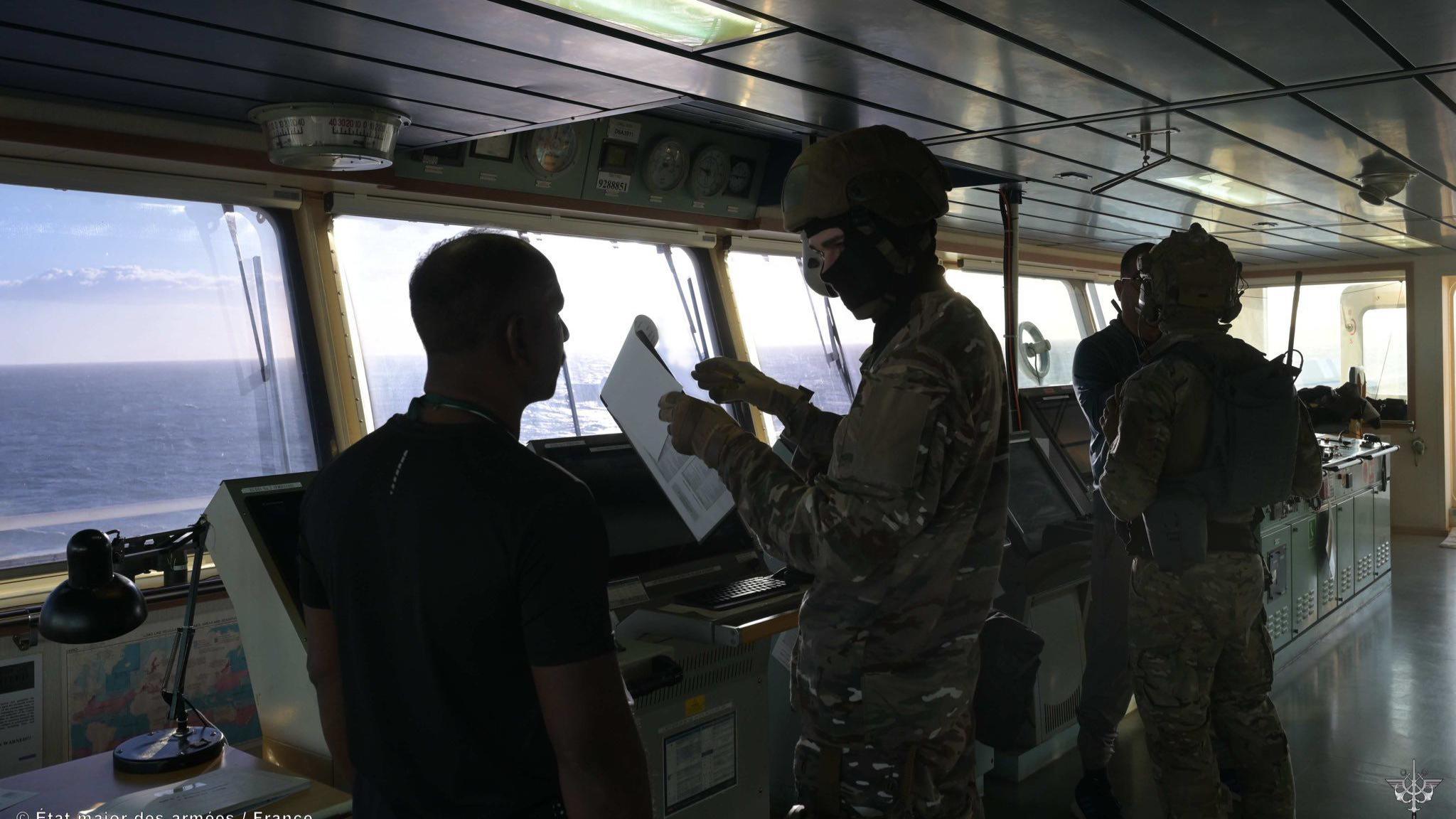
The operation, supported by allies including the UK, underscores a broader Western effort to clamp down on Russia's evasion of oil sanctions. The Grinch, traveling from the Arctic port of Murmansk, was reportedly flying a Comoros flag, a tactic often used by shadow fleet vessels to obscure their origins. French maritime authorities confirmed suspicions about the vessel's flag after boarding and inspecting the ship.
Western Allies Intensify Sanctions Enforcement
The interception of the Grinch is part of a wider crackdown on Russia's shadow fleet, a network of aging tankers with obscure ownership used to circumvent Western sanctions. The UK, which has imposed sanctions on 544 such vessels, provided tracking and monitoring support for the operation. Defence Secretary John Healy emphasized the UK's commitment to "choke off the funds that fuel Putin's illegal invasion of Ukraine."
Despite these efforts, dozens of sanctioned tankers have navigated the English Channel this month, raising questions about enforcement efficacy. The UK government recently received legal assurances that such vessels could be detained, yet no independent seizures have been made.
Calls for Stronger Action
Ukrainian President Volodymyr Zelensky welcomed the French action, calling for more decisive measures to prevent Russian oil from financing the war. "Vessels must be apprehended," he stated, suggesting the confiscation and sale of their oil cargoes. His comments echo a growing sentiment among Western leaders for more assertive actions against the shadow fleet.
The shadow fleet, comprising over 1,400 tankers, continues to operate under various identities and flags, often without the necessary insurance to meet international standards. This fleet plays a crucial role in sustaining Russia's oil exports to countries like China and India, despite the EU's 19 packages of sanctions since the Ukraine invasion.
WHAT THIS MIGHT MEAN
The interception of the Grinch marks a pivotal moment in the enforcement of international sanctions against Russia. As Western nations intensify their efforts, the legal and political implications could lead to stricter maritime regulations and increased naval patrols. Experts suggest that if these measures prove effective, they could significantly disrupt Russia's oil export capabilities, further straining its economy.
However, the lack of independent seizures by the UK highlights potential gaps in enforcement that could undermine these efforts. Moving forward, a coordinated international approach, possibly involving more robust legal frameworks and shared intelligence, may be necessary to effectively dismantle the shadow fleet and cut off critical funding for Russia's military activities.
Images from the Web
Related Articles
Middle East Conflict Drives UK Energy Prices to New Highs

UK Faces Dilemmas Amid Iran Conflict and China Spying Allegations
China Sets Lowest GDP Growth Target in Decades Amid Economic Challenges

Canada and Australia Forge Strategic Partnership Amid Global Uncertainty

UK Government to Reform Asylum Seeker Support and Employment Policies
UK Reinforces Military Presence in Cyprus Amid Middle East Tensions
France Intercepts Russian 'Shadow Fleet' Tanker in Mediterranean
In This Article
 Alex Carter| Published
 HIGHLIGHTS
- France seized a Russian tanker, Grinch, in the Mediterranean, suspected of being part of a "shadow fleet" evading Western sanctions.
- The UK and France are intensifying efforts to intercept vessels that help finance Russia's war in Ukraine, with the UK tracking 42 sanctioned tankers in the English Channel.
- Ukrainian President Zelensky praised the interception, urging further action to prevent Russian oil from funding the conflict.
- The shadow fleet comprises hundreds of aging tankers with obscure ownership, often flying false flags to bypass sanctions.
- Despite legal assurances, the UK has yet to independently seize any shadow fleet vessels, sparking criticism from officials.
In a significant move against Russia's clandestine oil trade, the French navy has intercepted a tanker suspected of being part of Moscow's "shadow fleet" in the Mediterranean. The vessel, named Grinch, was seized on Thursday morning between Spain and Morocco, with French President Emmanuel Macron confirming it was "subject to international sanctions and suspected of flying a false flag."
The operation, supported by allies including the UK, underscores a broader Western effort to clamp down on Russia's evasion of oil sanctions. The Grinch, traveling from the Arctic port of Murmansk, was reportedly flying a Comoros flag, a tactic often used by shadow fleet vessels to obscure their origins. French maritime authorities confirmed suspicions about the vessel's flag after boarding and inspecting the ship.
Western Allies Intensify Sanctions Enforcement
The interception of the Grinch is part of a wider crackdown on Russia's shadow fleet, a network of aging tankers with obscure ownership used to circumvent Western sanctions. The UK, which has imposed sanctions on 544 such vessels, provided tracking and monitoring support for the operation. Defence Secretary John Healy emphasized the UK's commitment to "choke off the funds that fuel Putin's illegal invasion of Ukraine."
Despite these efforts, dozens of sanctioned tankers have navigated the English Channel this month, raising questions about enforcement efficacy. The UK government recently received legal assurances that such vessels could be detained, yet no independent seizures have been made.
Calls for Stronger Action
Ukrainian President Volodymyr Zelensky welcomed the French action, calling for more decisive measures to prevent Russian oil from financing the war. "Vessels must be apprehended," he stated, suggesting the confiscation and sale of their oil cargoes. His comments echo a growing sentiment among Western leaders for more assertive actions against the shadow fleet.
The shadow fleet, comprising over 1,400 tankers, continues to operate under various identities and flags, often without the necessary insurance to meet international standards. This fleet plays a crucial role in sustaining Russia's oil exports to countries like China and India, despite the EU's 19 packages of sanctions since the Ukraine invasion.
WHAT THIS MIGHT MEAN
The interception of the Grinch marks a pivotal moment in the enforcement of international sanctions against Russia. As Western nations intensify their efforts, the legal and political implications could lead to stricter maritime regulations and increased naval patrols. Experts suggest that if these measures prove effective, they could significantly disrupt Russia's oil export capabilities, further straining its economy.
However, the lack of independent seizures by the UK highlights potential gaps in enforcement that could undermine these efforts. Moving forward, a coordinated international approach, possibly involving more robust legal frameworks and shared intelligence, may be necessary to effectively dismantle the shadow fleet and cut off critical funding for Russia's military activities.
Images from the Web
Related Articles
Middle East Conflict Drives UK Energy Prices to New Highs
UK Faces Dilemmas Amid Iran Conflict and China Spying Allegations
China Sets Lowest GDP Growth Target in Decades Amid Economic Challenges
Canada and Australia Forge Strategic Partnership Amid Global Uncertainty
UK Government to Reform Asylum Seeker Support and Employment Policies
UK Reinforces Military Presence in Cyprus Amid Middle East Tensions