
France to Intercept Channel Crossings Amid UK Pressure
In This Article
HIGHLIGHTS
- France has agreed to intercept small boats in the Channel before they pick up passengers, following pressure from UK Prime Minister Keir Starmer.
- The French maritime police will target empty boats, aiming to prevent dangerous crossings and safeguard lives.
- The decision marks a significant shift in policy, as French police have previously avoided such interventions due to safety concerns.
- The move comes amid ongoing political tensions and legal challenges over migration strategies between the UK and France.
- Over 39,000 people have crossed the Channel this year, highlighting the urgency of addressing illegal migration.
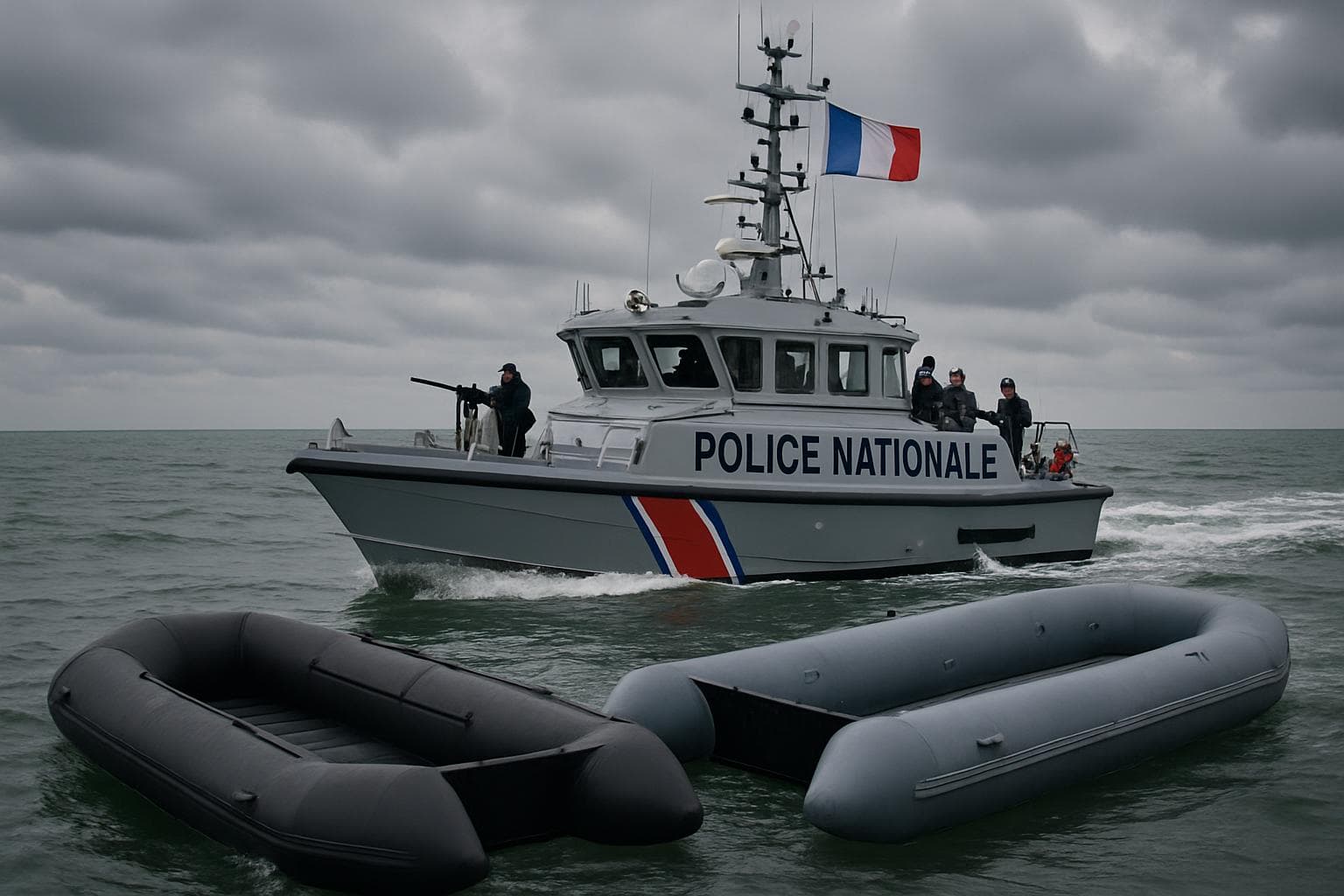
France has announced a new policy to intercept small boats in the English Channel before they pick up passengers, a decision influenced by persistent pressure from UK Prime Minister Keir Starmer. This strategic shift aims to curb the rising number of illegal crossings, which have become a contentious political issue for both nations.
Policy Shift and Implementation
French security forces will now target empty "taxi boats" or large dinghies before they collect passengers from the northern French beaches. This change follows a letter from Starmer to French President Emmanuel Macron, urging immediate action due to the lack of an effective deterrent in the Channel. The French maritime police confirmed that interventions would occur at sea, focusing on safeguarding human life by preventing overcrowded and perilous crossings.
Historical Context and Challenges
Historically, French police have been reluctant to intervene due to the risks posed to both officers and civilians. However, this new approach represents a significant policy shift, building on a brief period of aggressive interventions earlier this year under former Interior Minister Bruno Retailleau. Despite these efforts, interventions were halted in August following objections from the French police union.
Political and Legal Implications
The decision to intercept boats comes amid ongoing political tensions between the UK and France over migration strategies. An NGO working with refugees has indicated potential legal challenges, arguing that the new tactics might push desperate individuals towards more hazardous routes. The French government has also faced internal political crises, which have delayed the implementation of these plans.
Current Migration Statistics
As of now, over 39,000 people have attempted the perilous journey across the Channel this year, underscoring the urgency of addressing illegal migration. The UK and France continue to collaborate on maritime security, with a new funding cycle for securing the sea border set to conclude in March.
WHAT THIS MIGHT MEAN
The new policy could lead to a reduction in illegal crossings if effectively implemented, but it may also drive people-smuggling gangs to adapt their tactics. Legal challenges from NGOs could further complicate the situation, potentially delaying or altering the enforcement of these measures. Politically, the success or failure of this strategy could impact the standing of both the UK and French governments, influencing future bilateral agreements on migration. As the situation evolves, both nations will need to balance security measures with humanitarian considerations to address the complex issue of Channel crossings.
Related Articles

UK Faces Dilemmas Amid Iran Conflict and China Spying Allegations

UK-Iran Tensions: Starmer Defends Cautious Approach Amid Trump Criticism
Diplomatic Tensions Rise as Trump Criticizes Starmer's Iran Policy

UK Government to Reform Asylum Seeker Support and Employment Policies
UK Reinforces Military Presence in Cyprus Amid Middle East Tensions

Labour MP's Husband Arrested in UK-China Espionage Probe
France to Intercept Channel Crossings Amid UK Pressure
In This Article
 Ethan Brooks| Published
 HIGHLIGHTS
- France has agreed to intercept small boats in the Channel before they pick up passengers, following pressure from UK Prime Minister Keir Starmer.
- The French maritime police will target empty boats, aiming to prevent dangerous crossings and safeguard lives.
- The decision marks a significant shift in policy, as French police have previously avoided such interventions due to safety concerns.
- The move comes amid ongoing political tensions and legal challenges over migration strategies between the UK and France.
- Over 39,000 people have crossed the Channel this year, highlighting the urgency of addressing illegal migration.
France has announced a new policy to intercept small boats in the English Channel before they pick up passengers, a decision influenced by persistent pressure from UK Prime Minister Keir Starmer. This strategic shift aims to curb the rising number of illegal crossings, which have become a contentious political issue for both nations.
Policy Shift and Implementation
French security forces will now target empty "taxi boats" or large dinghies before they collect passengers from the northern French beaches. This change follows a letter from Starmer to French President Emmanuel Macron, urging immediate action due to the lack of an effective deterrent in the Channel. The French maritime police confirmed that interventions would occur at sea, focusing on safeguarding human life by preventing overcrowded and perilous crossings.
Historical Context and Challenges
Historically, French police have been reluctant to intervene due to the risks posed to both officers and civilians. However, this new approach represents a significant policy shift, building on a brief period of aggressive interventions earlier this year under former Interior Minister Bruno Retailleau. Despite these efforts, interventions were halted in August following objections from the French police union.
Political and Legal Implications
The decision to intercept boats comes amid ongoing political tensions between the UK and France over migration strategies. An NGO working with refugees has indicated potential legal challenges, arguing that the new tactics might push desperate individuals towards more hazardous routes. The French government has also faced internal political crises, which have delayed the implementation of these plans.
Current Migration Statistics
As of now, over 39,000 people have attempted the perilous journey across the Channel this year, underscoring the urgency of addressing illegal migration. The UK and France continue to collaborate on maritime security, with a new funding cycle for securing the sea border set to conclude in March.
WHAT THIS MIGHT MEAN
The new policy could lead to a reduction in illegal crossings if effectively implemented, but it may also drive people-smuggling gangs to adapt their tactics. Legal challenges from NGOs could further complicate the situation, potentially delaying or altering the enforcement of these measures. Politically, the success or failure of this strategy could impact the standing of both the UK and French governments, influencing future bilateral agreements on migration. As the situation evolves, both nations will need to balance security measures with humanitarian considerations to address the complex issue of Channel crossings.
Related Articles
UK Faces Dilemmas Amid Iran Conflict and China Spying Allegations
UK-Iran Tensions: Starmer Defends Cautious Approach Amid Trump Criticism
Diplomatic Tensions Rise as Trump Criticizes Starmer's Iran Policy
UK Government to Reform Asylum Seeker Support and Employment Policies
UK Reinforces Military Presence in Cyprus Amid Middle East Tensions
Labour MP's Husband Arrested in UK-China Espionage Probe