
Freemasons Challenge Metropolitan Police Over Membership Disclosure Rule
In This Article
HIGHLIGHTS
- The Metropolitan Police faces a legal challenge from the Freemasons over a new rule requiring officers to declare membership in the organization.
- The United Grand Lodge of England (UGLE) argues the policy is discriminatory and breaches human rights and data protection laws.
- The Met's decision follows a review into the unsolved 1987 murder of Daniel Morgan, which highlighted Freemasonry as a source of mistrust.
- A survey indicated two-thirds of Met staff believe such disclosures are necessary for public trust and police transparency.
- Freemasons claim the consultation process was inadequate and are seeking a judicial review to overturn the decision.
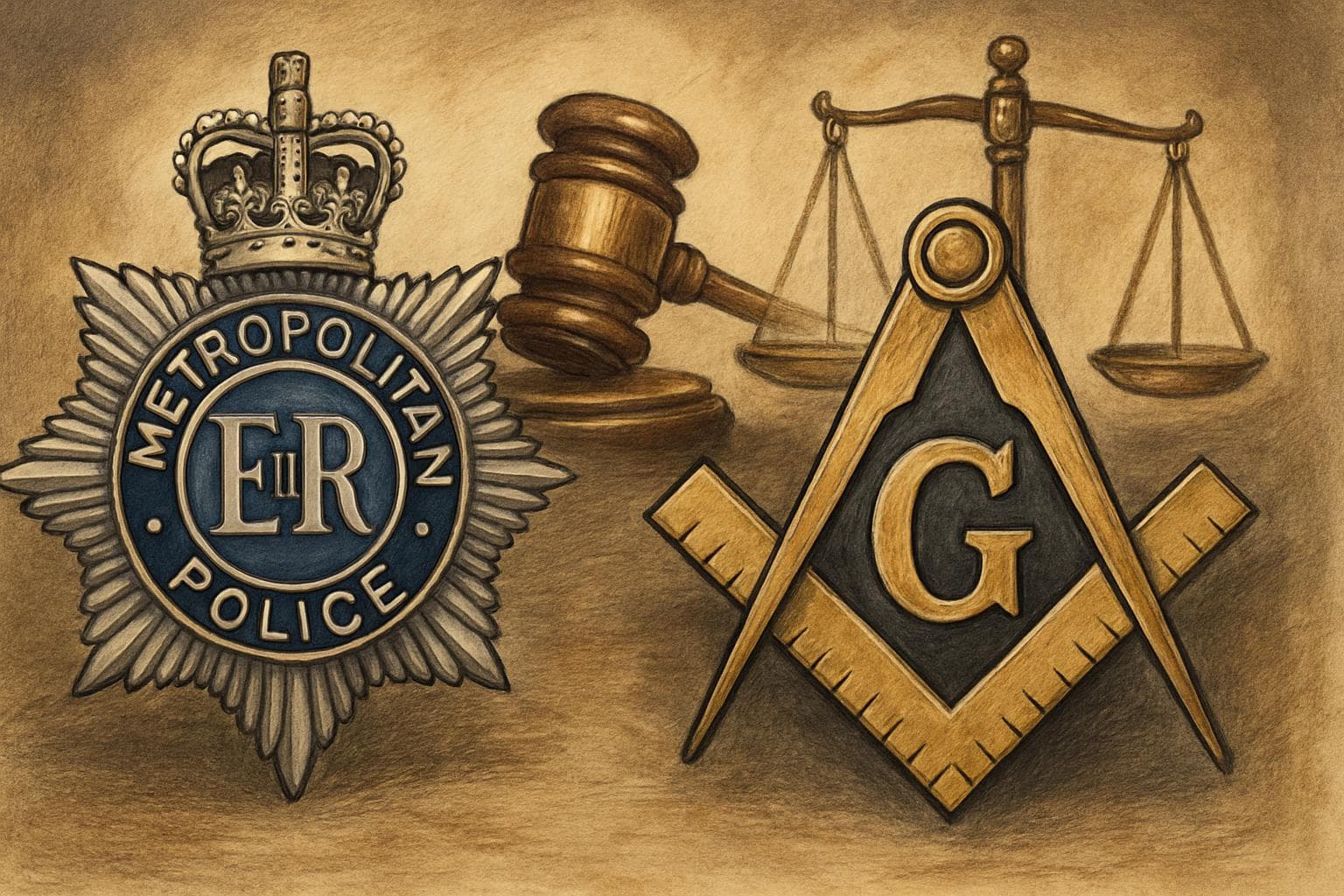
The Metropolitan Police is facing a legal challenge from the Freemasons after implementing a policy that requires officers to declare their membership in the organization. This move, aimed at enhancing transparency and addressing concerns about potential corruption, has been met with strong opposition from the United Grand Lodge of England (UGLE), the governing body of Freemasonry in England.
Background and Legal Context
The controversy stems from the Met's decision to include Freemasonry in its list of "declarable associations," which mandates both current and prospective staff to disclose any affiliations. This policy change follows a review of the 1987 unsolved murder of private detective Daniel Morgan, where Freemasonry was cited as a factor contributing to mistrust in the investigation. The Met's survey revealed that two-thirds of its officers and staff support the disclosure requirement, believing it affects public perception of police impartiality.
Freemasons' Response
The UGLE has expressed its intention to seek a judicial review, labeling the policy as "unlawful, unfair, and discriminatory." Adrian Marsh, the grand secretary of UGLE, criticized the Met's decision, stating it casts an "aura of mistrust" over the Freemason community. Marsh emphasized that the decision infringes on members' rights and breaches equality and data protection laws. He urged the Met to reconsider the policy to avoid costly legal proceedings.
Metropolitan Police's Stance
Despite the backlash, the Metropolitan Police maintains that the policy is necessary to address longstanding concerns about hierarchical organizations that require members to support and protect each other. Commander Simon Messinger highlighted that the decision does not prevent staff from joining the Freemasons or similar organizations but prioritizes public and staff confidence over the secrecy of membership.
WHAT THIS MIGHT MEAN
The legal challenge by the Freemasons could lead to a significant judicial review, potentially setting a precedent for how police forces handle membership disclosures. If the court sides with the UGLE, it may force the Met to revise its policy, impacting similar rules in other organizations. Conversely, if the Met's policy is upheld, it could pave the way for broader transparency measures across public institutions. Experts suggest that the outcome will likely influence public trust and the perceived impartiality of law enforcement agencies.
Related Articles
UK Police Intensify Investigation into Andrew Mountbatten-Windsor Amid Misconduct Allegations
Prince Andrew's Arrest Raises Questions About Royal Succession and Monarchy's Future

Crackdown on Waste Crime: £1.2 Million Fine and New Drone Unit to Combat Illegal Dumping
Labour MP's Husband Arrested in UK-China Espionage Probe

Saharan Dust to Illuminate UK Skies with Vivid Sunrises and Sunsets

Government Announces £4 Billion Overhaul of SEND Support in England
Freemasons Challenge Metropolitan Police Over Membership Disclosure Rule
In This Article
 Sofia Romano| Published
 HIGHLIGHTS
- The Metropolitan Police faces a legal challenge from the Freemasons over a new rule requiring officers to declare membership in the organization.
- The United Grand Lodge of England (UGLE) argues the policy is discriminatory and breaches human rights and data protection laws.
- The Met's decision follows a review into the unsolved 1987 murder of Daniel Morgan, which highlighted Freemasonry as a source of mistrust.
- A survey indicated two-thirds of Met staff believe such disclosures are necessary for public trust and police transparency.
- Freemasons claim the consultation process was inadequate and are seeking a judicial review to overturn the decision.
The Metropolitan Police is facing a legal challenge from the Freemasons after implementing a policy that requires officers to declare their membership in the organization. This move, aimed at enhancing transparency and addressing concerns about potential corruption, has been met with strong opposition from the United Grand Lodge of England (UGLE), the governing body of Freemasonry in England.
Background and Legal Context
The controversy stems from the Met's decision to include Freemasonry in its list of "declarable associations," which mandates both current and prospective staff to disclose any affiliations. This policy change follows a review of the 1987 unsolved murder of private detective Daniel Morgan, where Freemasonry was cited as a factor contributing to mistrust in the investigation. The Met's survey revealed that two-thirds of its officers and staff support the disclosure requirement, believing it affects public perception of police impartiality.
Freemasons' Response
The UGLE has expressed its intention to seek a judicial review, labeling the policy as "unlawful, unfair, and discriminatory." Adrian Marsh, the grand secretary of UGLE, criticized the Met's decision, stating it casts an "aura of mistrust" over the Freemason community. Marsh emphasized that the decision infringes on members' rights and breaches equality and data protection laws. He urged the Met to reconsider the policy to avoid costly legal proceedings.
Metropolitan Police's Stance
Despite the backlash, the Metropolitan Police maintains that the policy is necessary to address longstanding concerns about hierarchical organizations that require members to support and protect each other. Commander Simon Messinger highlighted that the decision does not prevent staff from joining the Freemasons or similar organizations but prioritizes public and staff confidence over the secrecy of membership.
WHAT THIS MIGHT MEAN
The legal challenge by the Freemasons could lead to a significant judicial review, potentially setting a precedent for how police forces handle membership disclosures. If the court sides with the UGLE, it may force the Met to revise its policy, impacting similar rules in other organizations. Conversely, if the Met's policy is upheld, it could pave the way for broader transparency measures across public institutions. Experts suggest that the outcome will likely influence public trust and the perceived impartiality of law enforcement agencies.
Related Articles
UK Police Intensify Investigation into Andrew Mountbatten-Windsor Amid Misconduct Allegations
Prince Andrew's Arrest Raises Questions About Royal Succession and Monarchy's Future
Crackdown on Waste Crime: £1.2 Million Fine and New Drone Unit to Combat Illegal Dumping
Labour MP's Husband Arrested in UK-China Espionage Probe
Saharan Dust to Illuminate UK Skies with Vivid Sunrises and Sunsets
Government Announces £4 Billion Overhaul of SEND Support in England