
French Prime Minister Proposes Cutting Public Holidays to Tackle National Debt
In This Article
HIGHLIGHTS
- French Prime Minister François Bayrou proposes cutting two public holidays to reduce national debt.
- The 2026 budget aims to cut €43.8bn, reducing the deficit from 5.8% to 3% by 2029.
- Bayrou's proposal includes freezing public spending and increasing defense expenses by €3.5bn next year.
- The plan faces strong opposition from both far-right and left-wing parties, risking a no-confidence vote.
- France's public debt stands at €3.3tn, with annual interest payments potentially becoming the largest budget expense.
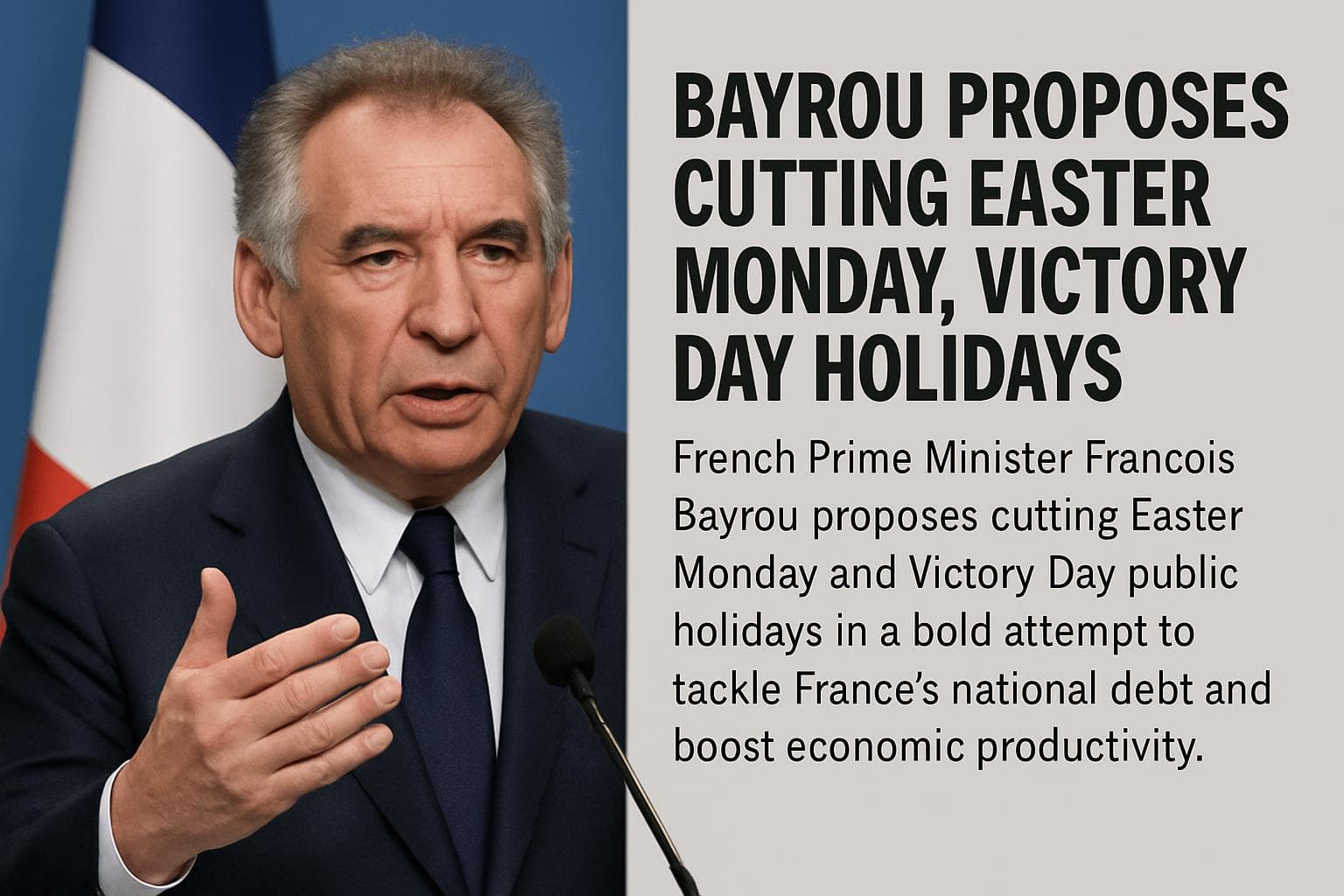
In a bold move to address France's escalating national debt, Prime Minister François Bayrou has proposed eliminating two public holidays as part of a comprehensive 2026 budget plan. The suggested cuts, which include Easter Monday and Victory Day on May 8, aim to boost economic productivity and reduce the country's ballooning deficit.
Economic Reforms and Budget Proposal
Bayrou's budget proposal outlines a series of measures designed to slash €43.8bn from government spending. The plan seeks to bring the deficit down from 5.8% of GDP to below 3% by 2029, aligning with EU fiscal requirements. "The entire nation has to work more so that the activity of the country as a whole increases," Bayrou stated, emphasizing the need for collective effort to improve France's financial situation.
The proposal also includes a freeze on public spending, except for defense, which is set to increase by €3.5bn next year. Additionally, the budget plans to cap welfare spending, maintain pensions at 2025 levels, and reduce healthcare expenditure by €5bn.
Political Opposition and Potential Consequences
The proposed elimination of public holidays has sparked significant backlash from various political factions. Jordan Bardella of the far-right National Rally condemned the move as "a direct attack on our history, our roots, and on working France." Meanwhile, Jean-Luc Mélenchon of the radical left France Unbowed called for Bayrou's removal, labeling the budget as unjust.
The political landscape remains tense, with Bayrou's government lacking a parliamentary majority. Without bipartisan support, the prime minister risks facing a no-confidence vote similar to the one that ousted his predecessor, Michel Barnier.
France's Debt Crisis
France's public debt currently stands at €3.3tn, with annual interest payments potentially becoming the largest budgetary expense. Bayrou described the debt as a "mortal danger" for the nation, which he claims is "still addicted to public spending." The prime minister's proposal aims to address these financial challenges and prevent the country from being "crushed" by its debt obligations.
WHAT THIS MIGHT MEAN
As France grapples with its debt crisis, the outcome of Bayrou's budget proposal remains uncertain. If the plan is rejected, the government could face a no-confidence vote, leading to potential political instability. Alternatively, if the proposal passes, it may set a precedent for future economic reforms aimed at reducing public spending.
Experts suggest that the success of Bayrou's plan hinges on his ability to negotiate with both left and right-wing parties. Achieving a consensus could pave the way for sustainable fiscal policies, while failure to do so may exacerbate existing political tensions.
Ultimately, the proposed budget reflects the broader challenges facing France as it seeks to balance economic growth with fiscal responsibility. The coming months will be crucial in determining the country's financial trajectory and political landscape.
Related Articles
Trump's New Tariff Strategy Sparks Global Trade Uncertainty

US Supreme Court Ruling on Tariffs Sparks Uncertainty for UK and Global Trade

Arrests Over French Activist's Death Heighten Political Tensions
Youth Unemployment in the UK Reaches Alarming Levels Amid Economic Challenges
Jim Ratcliffe Faces Backlash Over Immigration Comments Amid Ineos Financial Struggles
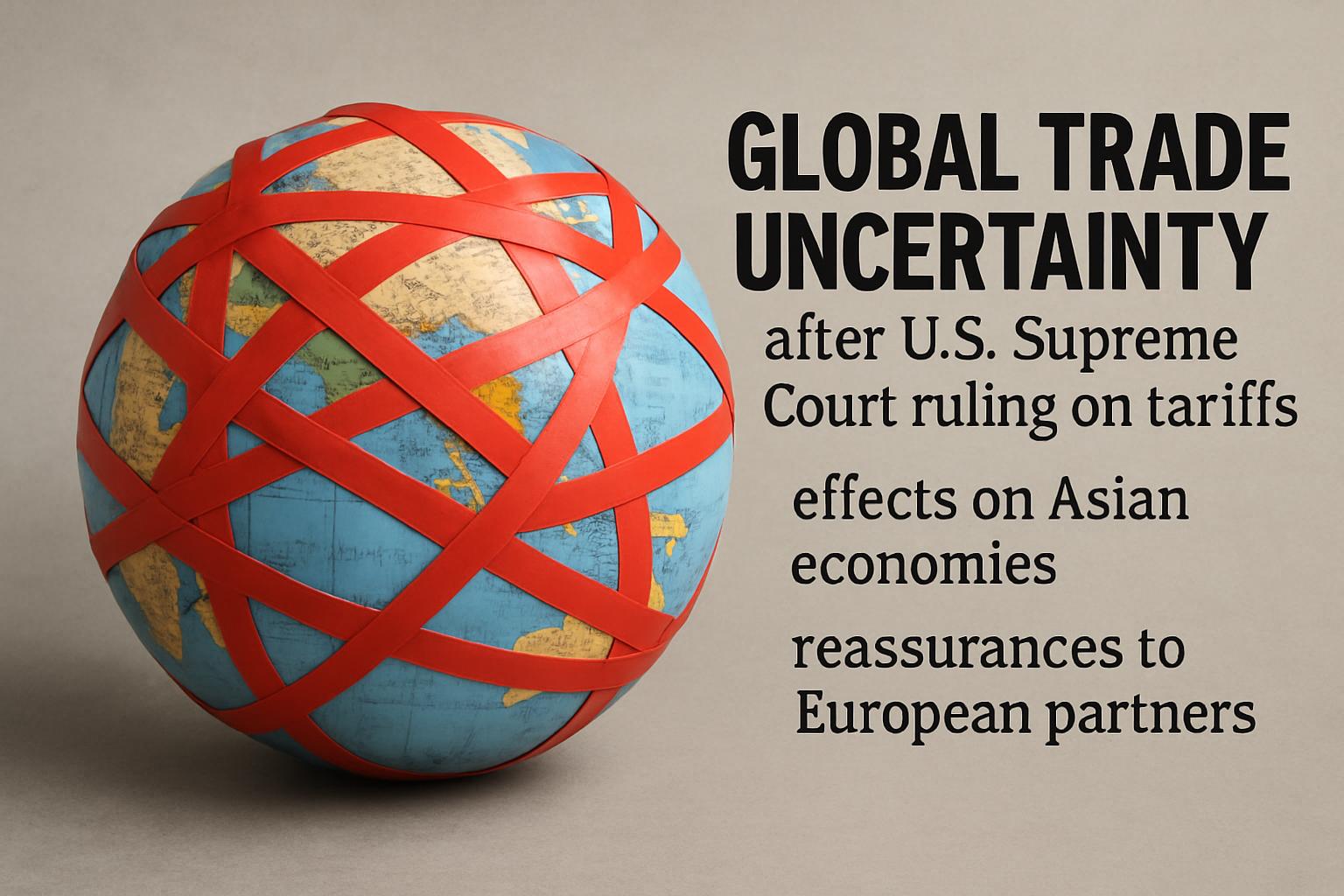
US Supreme Court Ruling Sparks Trade Uncertainty in Asia and Beyond
French Prime Minister Proposes Cutting Public Holidays to Tackle National Debt
In This Article
 Daniel Rivera| Published
 HIGHLIGHTS
- French Prime Minister François Bayrou proposes cutting two public holidays to reduce national debt.
- The 2026 budget aims to cut €43.8bn, reducing the deficit from 5.8% to 3% by 2029.
- Bayrou's proposal includes freezing public spending and increasing defense expenses by €3.5bn next year.
- The plan faces strong opposition from both far-right and left-wing parties, risking a no-confidence vote.
- France's public debt stands at €3.3tn, with annual interest payments potentially becoming the largest budget expense.
In a bold move to address France's escalating national debt, Prime Minister François Bayrou has proposed eliminating two public holidays as part of a comprehensive 2026 budget plan. The suggested cuts, which include Easter Monday and Victory Day on May 8, aim to boost economic productivity and reduce the country's ballooning deficit.
Economic Reforms and Budget Proposal
Bayrou's budget proposal outlines a series of measures designed to slash €43.8bn from government spending. The plan seeks to bring the deficit down from 5.8% of GDP to below 3% by 2029, aligning with EU fiscal requirements. "The entire nation has to work more so that the activity of the country as a whole increases," Bayrou stated, emphasizing the need for collective effort to improve France's financial situation.
The proposal also includes a freeze on public spending, except for defense, which is set to increase by €3.5bn next year. Additionally, the budget plans to cap welfare spending, maintain pensions at 2025 levels, and reduce healthcare expenditure by €5bn.
Political Opposition and Potential Consequences
The proposed elimination of public holidays has sparked significant backlash from various political factions. Jordan Bardella of the far-right National Rally condemned the move as "a direct attack on our history, our roots, and on working France." Meanwhile, Jean-Luc Mélenchon of the radical left France Unbowed called for Bayrou's removal, labeling the budget as unjust.
The political landscape remains tense, with Bayrou's government lacking a parliamentary majority. Without bipartisan support, the prime minister risks facing a no-confidence vote similar to the one that ousted his predecessor, Michel Barnier.
France's Debt Crisis
France's public debt currently stands at €3.3tn, with annual interest payments potentially becoming the largest budgetary expense. Bayrou described the debt as a "mortal danger" for the nation, which he claims is "still addicted to public spending." The prime minister's proposal aims to address these financial challenges and prevent the country from being "crushed" by its debt obligations.
WHAT THIS MIGHT MEAN
As France grapples with its debt crisis, the outcome of Bayrou's budget proposal remains uncertain. If the plan is rejected, the government could face a no-confidence vote, leading to potential political instability. Alternatively, if the proposal passes, it may set a precedent for future economic reforms aimed at reducing public spending.
Experts suggest that the success of Bayrou's plan hinges on his ability to negotiate with both left and right-wing parties. Achieving a consensus could pave the way for sustainable fiscal policies, while failure to do so may exacerbate existing political tensions.
Ultimately, the proposed budget reflects the broader challenges facing France as it seeks to balance economic growth with fiscal responsibility. The coming months will be crucial in determining the country's financial trajectory and political landscape.
Related Articles
Trump's New Tariff Strategy Sparks Global Trade Uncertainty
US Supreme Court Ruling on Tariffs Sparks Uncertainty for UK and Global Trade
Arrests Over French Activist's Death Heighten Political Tensions
Youth Unemployment in the UK Reaches Alarming Levels Amid Economic Challenges
Jim Ratcliffe Faces Backlash Over Immigration Comments Amid Ineos Financial Struggles
US Supreme Court Ruling Sparks Trade Uncertainty in Asia and Beyond