
International Pressure Mounts as Gaza Faces Worsening Humanitarian Crisis
In This Article
HIGHLIGHTS
- The UN reports nearly one-third of Gaza's population is going without food for days, with 90,000 women and children in urgent need of treatment.
- Médecins Sans Frontières (MSF) states severe malnutrition in children under five has tripled at its Gaza City clinic in the past two weeks.
- The UK, France, and Germany have called for Israel to lift aid restrictions, describing the situation as a "humanitarian catastrophe."
- Israel denies responsibility for the crisis, attributing aid distribution issues to Hamas, despite international criticism.
- Ceasefire talks between Hamas and Israel are expected to resume, with international efforts ongoing to address the crisis.
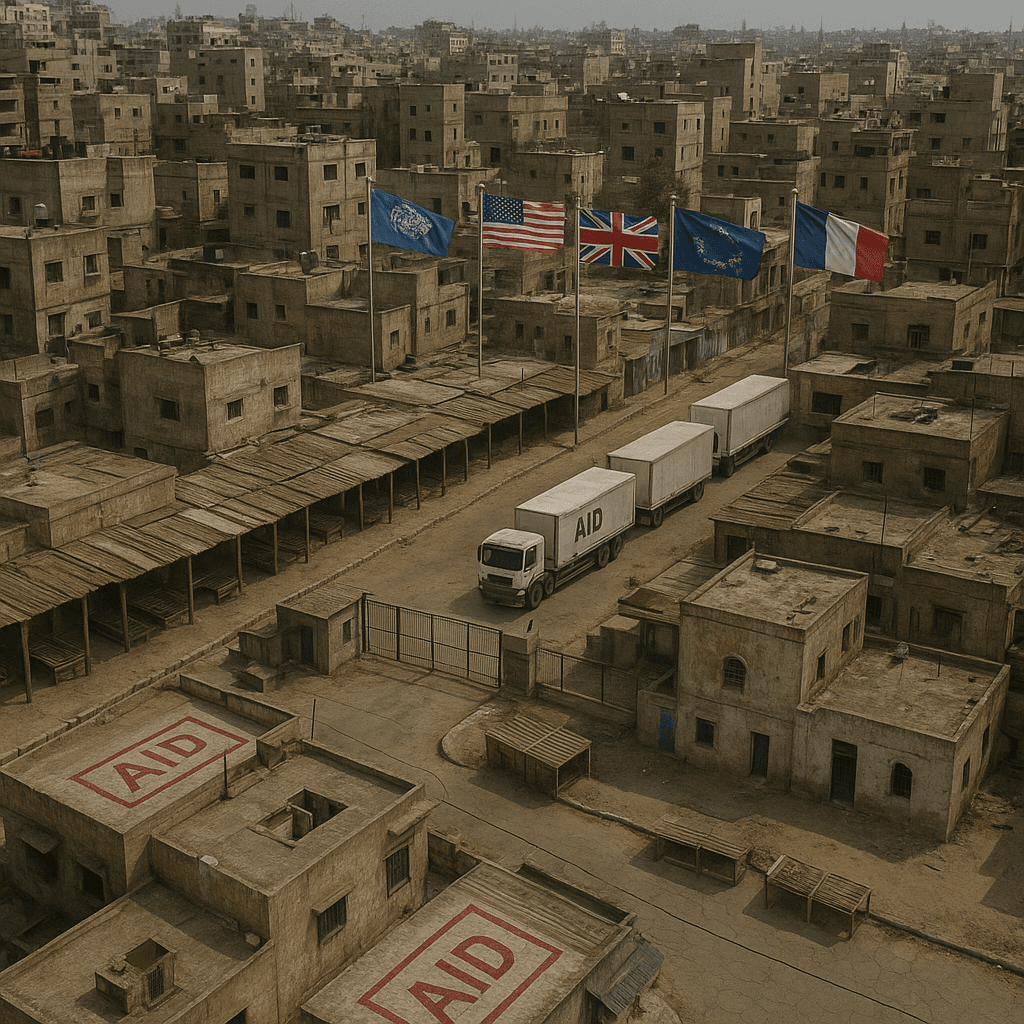
The humanitarian situation in Gaza has reached critical levels, with nearly one-third of the population reportedly going without food for days, according to the United Nations. The World Food Programme (WFP) has highlighted a surge in malnutrition, affecting 90,000 women and children who are in urgent need of treatment. This dire situation has prompted international outcry, with the UK, France, and Germany urging Israel to lift restrictions on aid flow into the territory.
Alarming Malnutrition Rates
Médecins Sans Frontières (MSF) has reported a tripling of severe malnutrition cases among children under five at its Gaza City clinic over the past two weeks. The charity, which operates extensively in Gaza, attributes the crisis to what it describes as an Israeli "policy of starvation." MSF's clinics have seen a significant increase in malnourished patients, with a quarter of young children and pregnant or breastfeeding women affected.
International Calls for Action
The international community has responded with increasing urgency. A joint statement from the UK, France, and Germany called for an immediate end to the "humanitarian catastrophe" in Gaza, demanding that Israel lift aid restrictions. The UN Secretary-General António Guterres criticized the global community for its inaction, describing the situation as a "moral crisis."
Israel's Response and Ongoing Tensions
Israel has denied responsibility for the crisis, instead blaming Hamas for any aid distribution issues. Despite this, leaked assessments have found no evidence of systematic theft of humanitarian supplies by Hamas. Meanwhile, ceasefire talks between Hamas and Israel are set to resume, with international mediators, including Qatar and Egypt, working towards a resolution.
Humanitarian Efforts and Challenges
Efforts to deliver aid continue, with discussions around potential airdrops into Gaza. However, aid agencies have cautioned that such methods are inefficient. The UK has expressed willingness to participate in these efforts, while the UN has criticized the move as a distraction from more effective solutions.
WHAT THIS MIGHT MEAN
The humanitarian crisis in Gaza is likely to remain a focal point of international diplomacy in the coming weeks. If Israel lifts aid restrictions, it could alleviate some immediate suffering, but long-term solutions will require sustained international engagement and a comprehensive ceasefire agreement. The resumption of ceasefire talks offers a glimmer of hope, but the complexity of the situation means that any resolution will require significant negotiation and compromise from all parties involved. As the crisis unfolds, the international community's response will be crucial in shaping the future of Gaza and its people.
Related Articles

Breakthrough Drug Offers Hope for Children with Severe Epilepsy
Hamas Leadership Vote Amidst Critical Crossroads for the Movement

Intensified US-Israel Strikes on Iran Spark Global Outcry
Canada Calls for De-escalation Amid US-Israel Strikes on Iran

US Ambassador's Biblical Land Remarks Spark Outcry from Arab Nations
Israeli Airstrikes in Lebanon's Bekaa Valley Leave 10 Dead Amid Rising Tensions
International Pressure Mounts as Gaza Faces Worsening Humanitarian Crisis
In This Article
 Maya Singh| Published
 HIGHLIGHTS
- The UN reports nearly one-third of Gaza's population is going without food for days, with 90,000 women and children in urgent need of treatment.
- Médecins Sans Frontières (MSF) states severe malnutrition in children under five has tripled at its Gaza City clinic in the past two weeks.
- The UK, France, and Germany have called for Israel to lift aid restrictions, describing the situation as a "humanitarian catastrophe."
- Israel denies responsibility for the crisis, attributing aid distribution issues to Hamas, despite international criticism.
- Ceasefire talks between Hamas and Israel are expected to resume, with international efforts ongoing to address the crisis.
The humanitarian situation in Gaza has reached critical levels, with nearly one-third of the population reportedly going without food for days, according to the United Nations. The World Food Programme (WFP) has highlighted a surge in malnutrition, affecting 90,000 women and children who are in urgent need of treatment. This dire situation has prompted international outcry, with the UK, France, and Germany urging Israel to lift restrictions on aid flow into the territory.
Alarming Malnutrition Rates
Médecins Sans Frontières (MSF) has reported a tripling of severe malnutrition cases among children under five at its Gaza City clinic over the past two weeks. The charity, which operates extensively in Gaza, attributes the crisis to what it describes as an Israeli "policy of starvation." MSF's clinics have seen a significant increase in malnourished patients, with a quarter of young children and pregnant or breastfeeding women affected.
International Calls for Action
The international community has responded with increasing urgency. A joint statement from the UK, France, and Germany called for an immediate end to the "humanitarian catastrophe" in Gaza, demanding that Israel lift aid restrictions. The UN Secretary-General António Guterres criticized the global community for its inaction, describing the situation as a "moral crisis."
Israel's Response and Ongoing Tensions
Israel has denied responsibility for the crisis, instead blaming Hamas for any aid distribution issues. Despite this, leaked assessments have found no evidence of systematic theft of humanitarian supplies by Hamas. Meanwhile, ceasefire talks between Hamas and Israel are set to resume, with international mediators, including Qatar and Egypt, working towards a resolution.
Humanitarian Efforts and Challenges
Efforts to deliver aid continue, with discussions around potential airdrops into Gaza. However, aid agencies have cautioned that such methods are inefficient. The UK has expressed willingness to participate in these efforts, while the UN has criticized the move as a distraction from more effective solutions.
WHAT THIS MIGHT MEAN
The humanitarian crisis in Gaza is likely to remain a focal point of international diplomacy in the coming weeks. If Israel lifts aid restrictions, it could alleviate some immediate suffering, but long-term solutions will require sustained international engagement and a comprehensive ceasefire agreement. The resumption of ceasefire talks offers a glimmer of hope, but the complexity of the situation means that any resolution will require significant negotiation and compromise from all parties involved. As the crisis unfolds, the international community's response will be crucial in shaping the future of Gaza and its people.
Related Articles
Breakthrough Drug Offers Hope for Children with Severe Epilepsy
Hamas Leadership Vote Amidst Critical Crossroads for the Movement
Intensified US-Israel Strikes on Iran Spark Global Outcry
Canada Calls for De-escalation Amid US-Israel Strikes on Iran
US Ambassador's Biblical Land Remarks Spark Outcry from Arab Nations
Israeli Airstrikes in Lebanon's Bekaa Valley Leave 10 Dead Amid Rising Tensions