
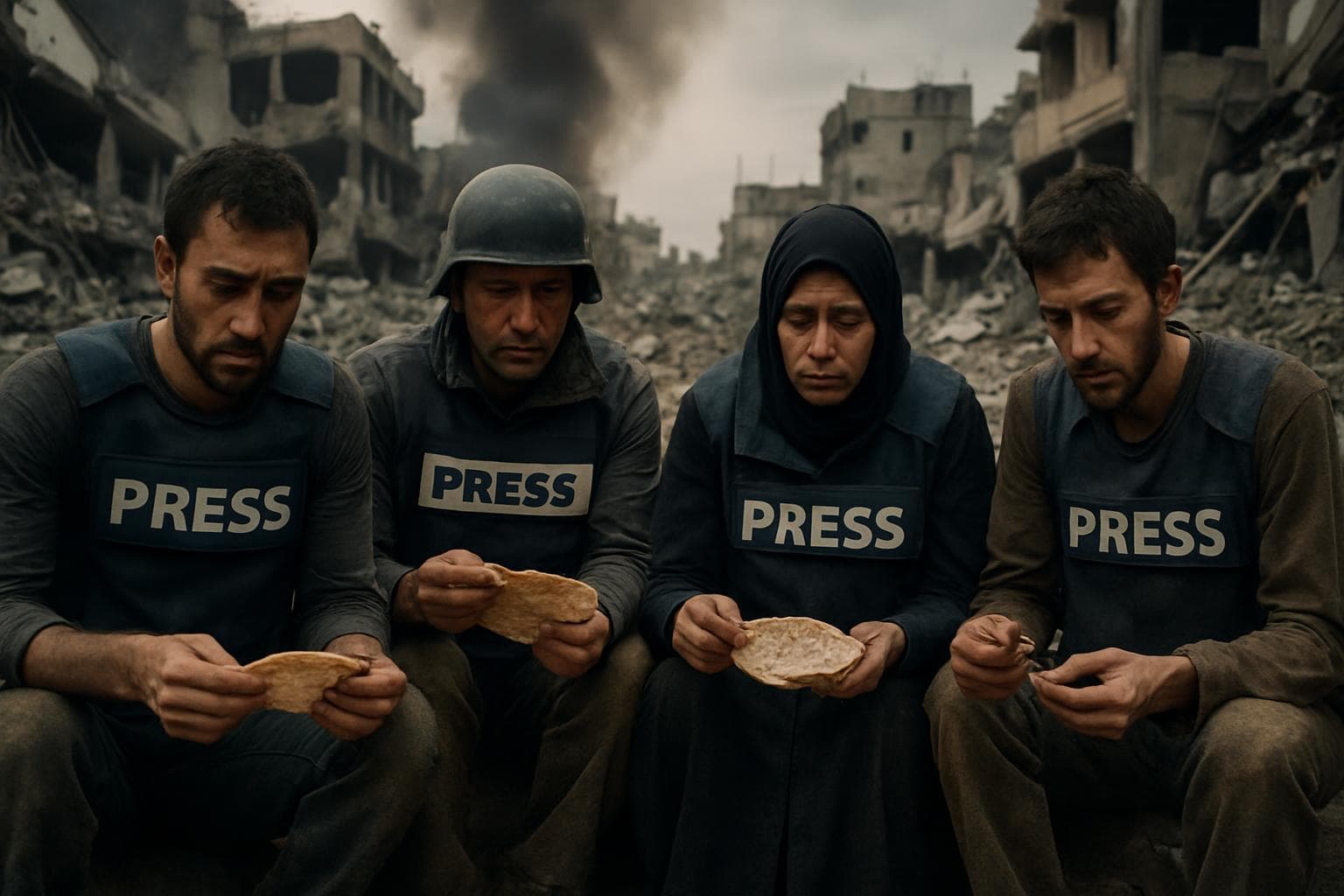
Journalists in Gaza Face Starvation Amidst Ongoing Blockade and Conflict
In This Article
HIGHLIGHTS
- Leading news agencies, including BBC and AFP, express concern over journalists in Gaza facing starvation.
- Local journalists are the primary source of news from Gaza due to Israel's restrictions on foreign media.
- The World Health Organization warns of man-made mass starvation in Gaza amid ongoing blockades.
- Freelance journalists report severe food shortages, impacting their ability to work and support families.
- Calls for Israel to allow journalists' movement and ensure food supplies are growing increasingly urgent.
Journalists in Gaza are facing an escalating humanitarian crisis, with leading international news agencies, including BBC News, Agence France-Presse (AFP), Associated Press (AP), and Reuters, raising alarms about the dire conditions. In a rare joint statement, these organizations highlighted the severe food shortages affecting local reporters, who are crucial in providing coverage from the conflict-ridden region.
The Plight of Gaza's Journalists
With Israel barring foreign media from entering Gaza, Palestinian journalists have become the primary source of news from the ground. However, they are now struggling to feed themselves and their families, mirroring the plight of the broader population. "For many months, these independent journalists have been the world's eyes and ears on the ground in Gaza," the statement read. "They are now facing the same dire circumstances as those they are covering."
The World Health Organization has described the situation as a man-made mass starvation, exacerbated by the blockade that restricts the entry of essential supplies. Tedros Adhanom Ghebreyesus, WHO's director, emphasized the severity, stating, "I don't know what you would call it other than mass starvation, and it's man-made."
Personal Accounts of Hardship
Freelance journalists, who are vital to international news coverage, have shared harrowing stories of their struggles. One journalist, who remains unnamed for security reasons, described the difficulty of providing for his family, including a son with autism who is unaware of the ongoing conflict. "In recent days, he's so hungry that he's started hitting his stomach with his hand to signal to us that he wants food," he recounted.
Another journalist, responsible for supporting his extended family, expressed constant worry about securing food and clean water. "My little sister, who's 13, keeps on asking for food and water, and we can't get any for her," he said.
Urgent Calls for Action
The joint statement from news agencies calls on Israeli authorities to allow journalists to move freely in and out of Gaza and to ensure that adequate food supplies reach the region. AFP has specifically requested the immediate evacuation of its freelance contributors and their families, citing the life-threatening conditions they face.
The Society of Journalists at AFP has underscored the urgency, stating, "Without immediate intervention, the last reporters in Gaza will die." This plea highlights the critical need for international intervention to prevent further deterioration of the humanitarian situation.
WHAT THIS MIGHT MEAN
The ongoing blockade and resulting humanitarian crisis in Gaza pose significant challenges for journalists and the broader population. If the situation continues unchecked, the risk of mass starvation could lead to a complete breakdown of local reporting, further isolating the region from the global community. International pressure on Israel to ease restrictions and allow humanitarian aid could be pivotal in averting a larger catastrophe. Additionally, the plight of journalists may galvanize global media organizations to advocate more forcefully for media freedom and humanitarian relief in conflict zones.
Related Articles

UK Faces Dilemmas Amid Iran Conflict and China Spying Allegations
Iran Postpones Khamenei Funeral Amid Escalating US-Israeli Strikes

Arrest of Andrew Mountbatten-Windsor Captured in Iconic Photograph
Hamas Leadership Vote Amidst Critical Crossroads for the Movement
Trump's Board of Peace Pledges $7 Billion for Gaza Amidst International Skepticism
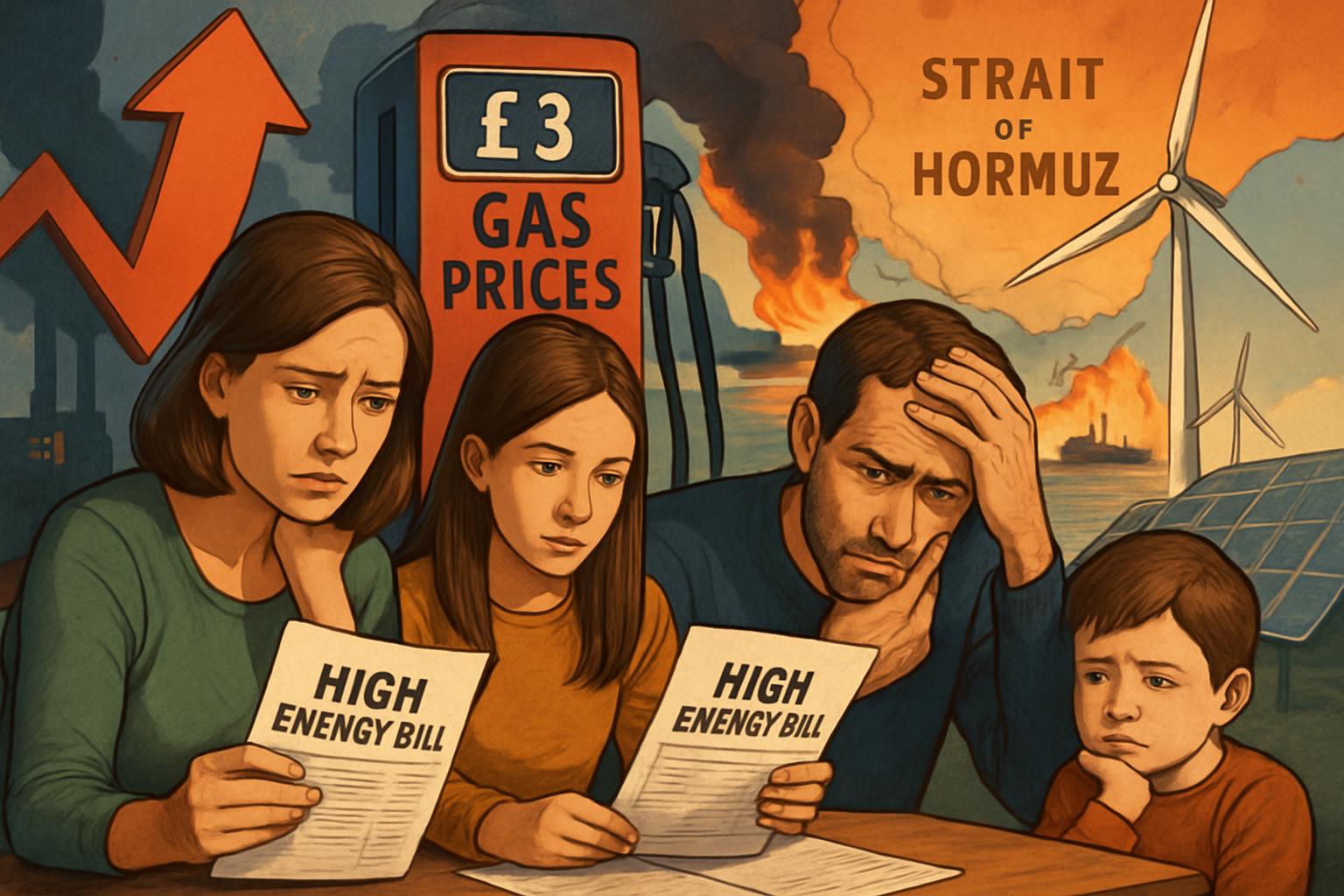
Middle East Conflict Drives UK Energy Prices to New Highs
Journalists in Gaza Face Starvation Amidst Ongoing Blockade and Conflict
In This Article
 Ethan Brooks| Published
 HIGHLIGHTS
- Leading news agencies, including BBC and AFP, express concern over journalists in Gaza facing starvation.
- Local journalists are the primary source of news from Gaza due to Israel's restrictions on foreign media.
- The World Health Organization warns of man-made mass starvation in Gaza amid ongoing blockades.
- Freelance journalists report severe food shortages, impacting their ability to work and support families.
- Calls for Israel to allow journalists' movement and ensure food supplies are growing increasingly urgent.
Journalists in Gaza are facing an escalating humanitarian crisis, with leading international news agencies, including BBC News, Agence France-Presse (AFP), Associated Press (AP), and Reuters, raising alarms about the dire conditions. In a rare joint statement, these organizations highlighted the severe food shortages affecting local reporters, who are crucial in providing coverage from the conflict-ridden region.
The Plight of Gaza's Journalists
With Israel barring foreign media from entering Gaza, Palestinian journalists have become the primary source of news from the ground. However, they are now struggling to feed themselves and their families, mirroring the plight of the broader population. "For many months, these independent journalists have been the world's eyes and ears on the ground in Gaza," the statement read. "They are now facing the same dire circumstances as those they are covering."
The World Health Organization has described the situation as a man-made mass starvation, exacerbated by the blockade that restricts the entry of essential supplies. Tedros Adhanom Ghebreyesus, WHO's director, emphasized the severity, stating, "I don't know what you would call it other than mass starvation, and it's man-made."
Personal Accounts of Hardship
Freelance journalists, who are vital to international news coverage, have shared harrowing stories of their struggles. One journalist, who remains unnamed for security reasons, described the difficulty of providing for his family, including a son with autism who is unaware of the ongoing conflict. "In recent days, he's so hungry that he's started hitting his stomach with his hand to signal to us that he wants food," he recounted.
Another journalist, responsible for supporting his extended family, expressed constant worry about securing food and clean water. "My little sister, who's 13, keeps on asking for food and water, and we can't get any for her," he said.
Urgent Calls for Action
The joint statement from news agencies calls on Israeli authorities to allow journalists to move freely in and out of Gaza and to ensure that adequate food supplies reach the region. AFP has specifically requested the immediate evacuation of its freelance contributors and their families, citing the life-threatening conditions they face.
The Society of Journalists at AFP has underscored the urgency, stating, "Without immediate intervention, the last reporters in Gaza will die." This plea highlights the critical need for international intervention to prevent further deterioration of the humanitarian situation.
WHAT THIS MIGHT MEAN
The ongoing blockade and resulting humanitarian crisis in Gaza pose significant challenges for journalists and the broader population. If the situation continues unchecked, the risk of mass starvation could lead to a complete breakdown of local reporting, further isolating the region from the global community. International pressure on Israel to ease restrictions and allow humanitarian aid could be pivotal in averting a larger catastrophe. Additionally, the plight of journalists may galvanize global media organizations to advocate more forcefully for media freedom and humanitarian relief in conflict zones.
Related Articles
UK Faces Dilemmas Amid Iran Conflict and China Spying Allegations
Iran Postpones Khamenei Funeral Amid Escalating US-Israeli Strikes
Arrest of Andrew Mountbatten-Windsor Captured in Iconic Photograph
Hamas Leadership Vote Amidst Critical Crossroads for the Movement
Trump's Board of Peace Pledges $7 Billion for Gaza Amidst International Skepticism
Middle East Conflict Drives UK Energy Prices to New Highs