
Geminid Meteor Shower Promises Spectacular Celestial Display This Weekend
In This Article
HIGHLIGHTS
- The Geminid meteor shower, originating from asteroid 3200 Phaethon, is set to peak this weekend, offering a spectacular celestial display.
- Best viewing conditions are expected in the Northern Hemisphere, with the UK and parts of Australia having optimal dark skies.
- The shower is visible globally, but those in areas with minimal light pollution will have the best experience.
- The Geminids are renowned for their bright, colorful meteors, with potential sightings of up to 100 meteors per hour.
- Weather conditions play a crucial role in visibility, so checking local forecasts is recommended for the best viewing experience.
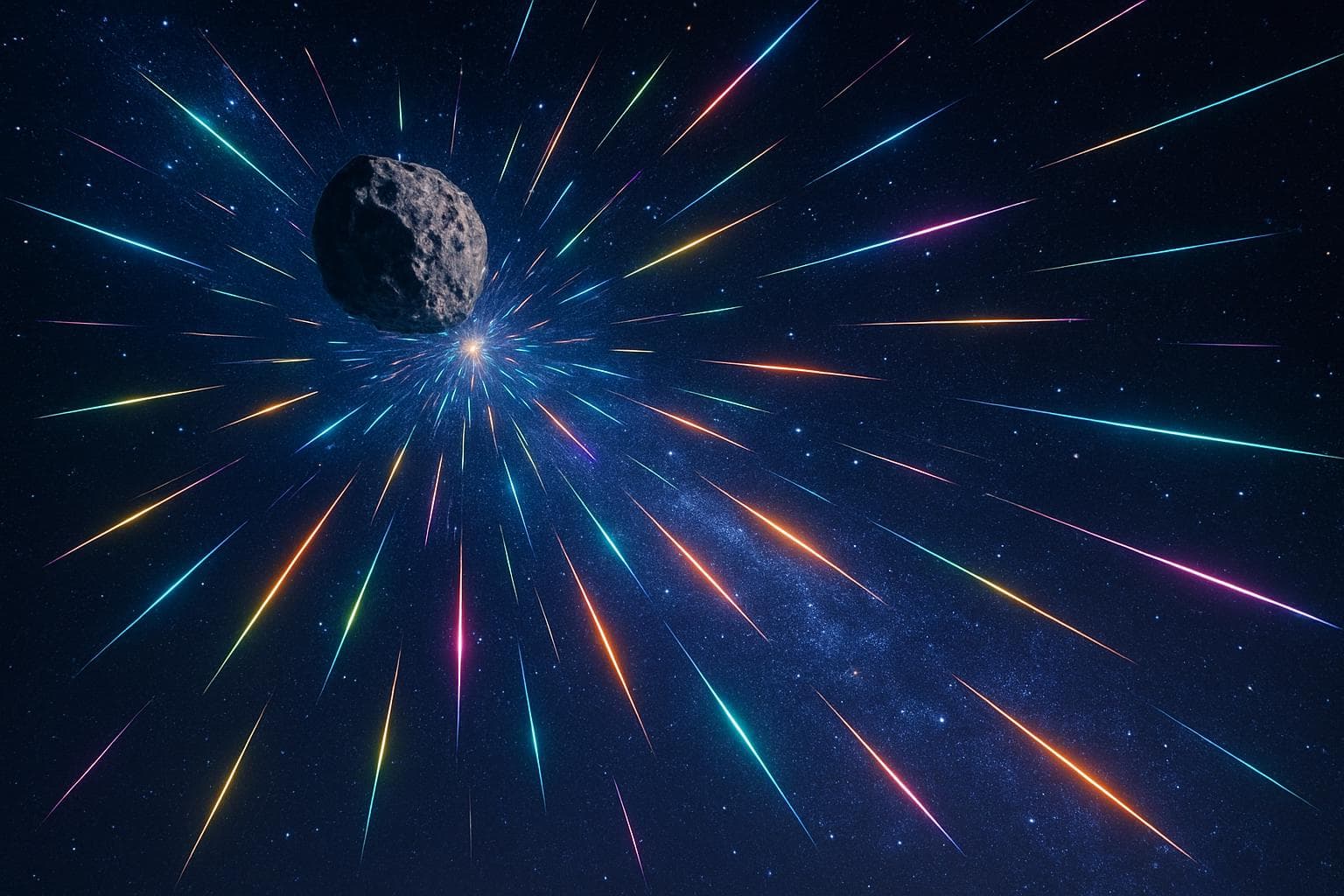
The Geminid meteor shower, one of the most anticipated celestial events of the year, is set to light up the skies this weekend. Known for its bright and colorful meteors, the Geminids offer a dazzling display that astronomy enthusiasts eagerly await each December. Originating from the asteroid 3200 Phaethon, this meteor shower is unique as it stems from an asteroid rather than a comet, adding to its intrigue.
Optimal Viewing Conditions
This year's peak viewing conditions are expected to be particularly favorable, especially for those in the Northern Hemisphere. In the UK, a waning crescent Moon will rise only after midnight, providing several hours of dark skies ideal for meteor watching. Dr. Robert Massey of the Royal Astronomical Society notes that under clear skies, observers could witness up to 100 meteors per hour, making it the strongest meteor shower of the year.
In Australia, the Geminids will be most visible between 3am and 3:30am AEDT, with the best views in northern regions such as Darwin and Cairns. Professor Jonti Horner from the University of Southern Queensland emphasizes the importance of finding a location away from street lights to fully enjoy the spectacle.
Understanding the Geminids
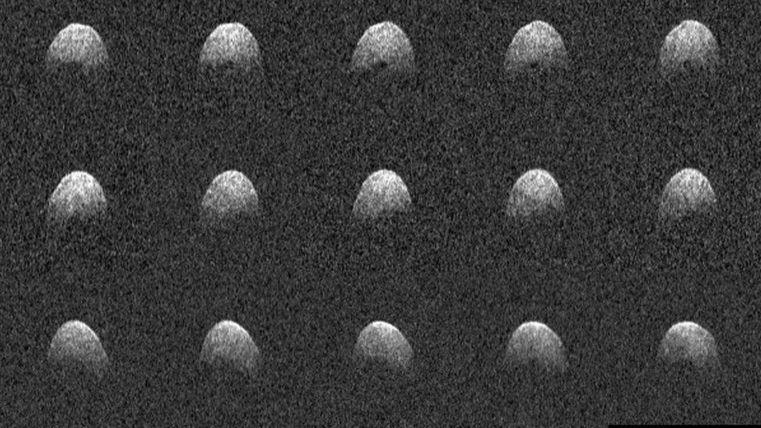
The Geminids are named after the Gemini constellation, where they appear to originate. Unlike most meteor showers that result from comet tails, the Geminids are composed of debris from asteroid 3200 Phaethon. This asteroid, often described as a "rock comet," has a unique orbit that brings it close to the sun, shedding dust that creates the meteor shower.
Tips for Viewing
To maximize the viewing experience, it is recommended to find a location with minimal light pollution and an unobstructed view of the sky. The Geminids are a naked-eye event, so no telescopes or binoculars are necessary. Checking local weather forecasts is crucial, as clear skies are essential for optimal visibility.
WHAT THIS MIGHT MEAN
As the Geminid meteor shower reaches its peak, astronomy enthusiasts and casual observers alike are set to enjoy one of the year's most spectacular celestial events. The favorable viewing conditions this year may lead to increased public interest and participation in stargazing activities. Looking ahead, the success of this event could inspire more people to engage with astronomy, potentially boosting attendance at observatories and planetariums.
The unique origin of the Geminids from asteroid 3200 Phaethon continues to intrigue scientists, prompting further research into the nature of "rock comets" and their role in meteor showers. As technology advances, future studies may provide deeper insights into these celestial phenomena, enhancing our understanding of the universe.
Images from the Web
Related Articles

Saharan Dust to Illuminate UK Skies with Vivid Sunrises and Sunsets

Canada and Australia Forge Strategic Partnership Amid Global Uncertainty

Trump's New Tariff Strategy Sparks Global Trade Uncertainty

UK Government to Reform Asylum Seeker Support and Employment Policies

Middle East Conflict Drives UK Energy Prices to New Highs

UK Faces Dilemmas Amid Iran Conflict and China Spying Allegations
Geminid Meteor Shower Promises Spectacular Celestial Display This Weekend
In This Article
 Leila Hassan| Published
 HIGHLIGHTS
- The Geminid meteor shower, originating from asteroid 3200 Phaethon, is set to peak this weekend, offering a spectacular celestial display.
- Best viewing conditions are expected in the Northern Hemisphere, with the UK and parts of Australia having optimal dark skies.
- The shower is visible globally, but those in areas with minimal light pollution will have the best experience.
- The Geminids are renowned for their bright, colorful meteors, with potential sightings of up to 100 meteors per hour.
- Weather conditions play a crucial role in visibility, so checking local forecasts is recommended for the best viewing experience.
The Geminid meteor shower, one of the most anticipated celestial events of the year, is set to light up the skies this weekend. Known for its bright and colorful meteors, the Geminids offer a dazzling display that astronomy enthusiasts eagerly await each December. Originating from the asteroid 3200 Phaethon, this meteor shower is unique as it stems from an asteroid rather than a comet, adding to its intrigue.
Optimal Viewing Conditions
This year's peak viewing conditions are expected to be particularly favorable, especially for those in the Northern Hemisphere. In the UK, a waning crescent Moon will rise only after midnight, providing several hours of dark skies ideal for meteor watching. Dr. Robert Massey of the Royal Astronomical Society notes that under clear skies, observers could witness up to 100 meteors per hour, making it the strongest meteor shower of the year.
In Australia, the Geminids will be most visible between 3am and 3:30am AEDT, with the best views in northern regions such as Darwin and Cairns. Professor Jonti Horner from the University of Southern Queensland emphasizes the importance of finding a location away from street lights to fully enjoy the spectacle.
Understanding the Geminids
The Geminids are named after the Gemini constellation, where they appear to originate. Unlike most meteor showers that result from comet tails, the Geminids are composed of debris from asteroid 3200 Phaethon. This asteroid, often described as a "rock comet," has a unique orbit that brings it close to the sun, shedding dust that creates the meteor shower.
Tips for Viewing
To maximize the viewing experience, it is recommended to find a location with minimal light pollution and an unobstructed view of the sky. The Geminids are a naked-eye event, so no telescopes or binoculars are necessary. Checking local weather forecasts is crucial, as clear skies are essential for optimal visibility.
WHAT THIS MIGHT MEAN
As the Geminid meteor shower reaches its peak, astronomy enthusiasts and casual observers alike are set to enjoy one of the year's most spectacular celestial events. The favorable viewing conditions this year may lead to increased public interest and participation in stargazing activities. Looking ahead, the success of this event could inspire more people to engage with astronomy, potentially boosting attendance at observatories and planetariums.
The unique origin of the Geminids from asteroid 3200 Phaethon continues to intrigue scientists, prompting further research into the nature of "rock comets" and their role in meteor showers. As technology advances, future studies may provide deeper insights into these celestial phenomena, enhancing our understanding of the universe.
Images from the Web
Related Articles
Saharan Dust to Illuminate UK Skies with Vivid Sunrises and Sunsets
Canada and Australia Forge Strategic Partnership Amid Global Uncertainty
Trump's New Tariff Strategy Sparks Global Trade Uncertainty
UK Government to Reform Asylum Seeker Support and Employment Policies
Middle East Conflict Drives UK Energy Prices to New Highs
UK Faces Dilemmas Amid Iran Conflict and China Spying Allegations