
Georgia Judge Dismisses Final 2020 Election Case Against Trump
In This Article
HIGHLIGHTS
- A Georgia judge dismissed the 2020 election interference case against Donald Trump, ending the last criminal prosecution related to the election.
- The case was dismissed by Judge Scott McAfee after prosecutor Peter Skandalakis requested it, citing the need to serve justice.
- Fani Willis, initially leading the case, was disqualified due to a conflict of interest, impacting the prosecution's continuity.
- Trump and 18 others were indicted in August 2023 for allegedly conspiring to overturn Georgia's election results using racketeering charges.
- The dismissal also applies to Trump's co-defendants, including Rudy Giuliani and Mark Meadows, effectively closing the case.
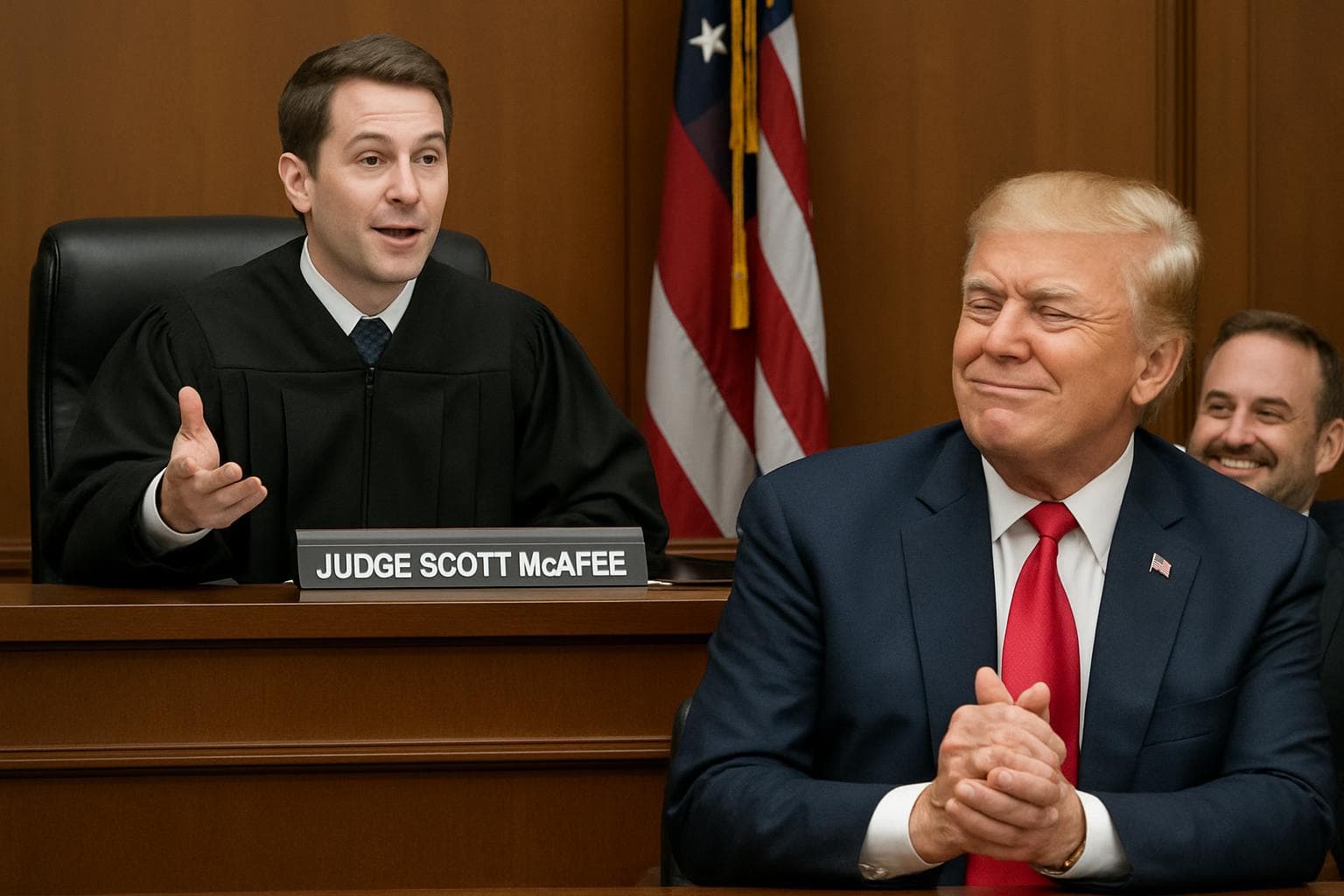
In a significant legal development, a Georgia judge has dismissed the last remaining criminal case against former President Donald Trump concerning the 2020 election interference allegations. The decision, issued by Judge Scott McAfee, marks the conclusion of efforts to prosecute Trump for allegedly attempting to overturn his electoral defeat to Joe Biden in Georgia.
Prosecutor's Decision and Legal Context
The dismissal came after Peter Skandalakis, the executive director of the Prosecuting Attorneys' Council of Georgia, requested the charges be dropped. Skandalakis, who assumed control of the case following the disqualification of Fulton County District Attorney Fani Willis, stated that the decision was made to "serve the interests of justice and promote judicial finality." Willis was removed from the case due to a romantic relationship with a special prosecutor, which created an "appearance of impropriety."
Background of the Case
The case originated from a grand jury indictment in August 2023, which accused Trump and 18 others of engaging in a scheme to illegally overturn the 2020 election results in Georgia. The charges included racketeering and other state offenses. The indictment followed a controversial phone call in January 2021, where Trump allegedly asked Georgia's Secretary of State Brad Raffensperger to "find 11,780 votes" to change the election outcome.
Reactions and Implications
Trump's attorney, Steve Sadow, welcomed the dismissal, describing it as the end of "political persecution" against Trump. Trump himself took to social media, criticizing the case as a misuse of the legal system to target political opponents. The dismissal also applies to Trump's co-defendants, including notable figures such as Rudy Giuliani and Mark Meadows.
WHAT THIS MIGHT MEAN
With the dismissal of the Georgia case, Trump no longer faces state-level prosecution related to the 2020 election interference allegations. This development could influence ongoing political narratives, particularly as Trump remains a prominent figure in American politics. Legal experts suggest that the case's closure may shift focus to other legal challenges Trump faces, including federal investigations. The disqualification of Fani Willis underscores the importance of prosecutorial conduct and could prompt further scrutiny of legal proceedings involving high-profile figures. As the political landscape evolves, the implications of this dismissal may resonate in future electoral and judicial contexts.
Related Articles

Armed Intruder Fatally Shot at Mar-a-Lago by Secret Service

Tech Giants Pledge to Cover AI Data Center Energy Costs Amid Rising Electricity Concerns
Congress Subpoenas Attorney General Bondi in Epstein Investigation

Cuba Faces Widespread Blackout Amid Deepening Fuel Crisis

UK Faces Dilemmas Amid Iran Conflict and China Spying Allegations
Senate Blocks Resolution to Limit Trump's Military Actions in Iran
Georgia Judge Dismisses Final 2020 Election Case Against Trump
In This Article
 Sofia Romano| Published
 HIGHLIGHTS
- A Georgia judge dismissed the 2020 election interference case against Donald Trump, ending the last criminal prosecution related to the election.
- The case was dismissed by Judge Scott McAfee after prosecutor Peter Skandalakis requested it, citing the need to serve justice.
- Fani Willis, initially leading the case, was disqualified due to a conflict of interest, impacting the prosecution's continuity.
- Trump and 18 others were indicted in August 2023 for allegedly conspiring to overturn Georgia's election results using racketeering charges.
- The dismissal also applies to Trump's co-defendants, including Rudy Giuliani and Mark Meadows, effectively closing the case.
In a significant legal development, a Georgia judge has dismissed the last remaining criminal case against former President Donald Trump concerning the 2020 election interference allegations. The decision, issued by Judge Scott McAfee, marks the conclusion of efforts to prosecute Trump for allegedly attempting to overturn his electoral defeat to Joe Biden in Georgia.
Prosecutor's Decision and Legal Context
The dismissal came after Peter Skandalakis, the executive director of the Prosecuting Attorneys' Council of Georgia, requested the charges be dropped. Skandalakis, who assumed control of the case following the disqualification of Fulton County District Attorney Fani Willis, stated that the decision was made to "serve the interests of justice and promote judicial finality." Willis was removed from the case due to a romantic relationship with a special prosecutor, which created an "appearance of impropriety."
Background of the Case
The case originated from a grand jury indictment in August 2023, which accused Trump and 18 others of engaging in a scheme to illegally overturn the 2020 election results in Georgia. The charges included racketeering and other state offenses. The indictment followed a controversial phone call in January 2021, where Trump allegedly asked Georgia's Secretary of State Brad Raffensperger to "find 11,780 votes" to change the election outcome.
Reactions and Implications
Trump's attorney, Steve Sadow, welcomed the dismissal, describing it as the end of "political persecution" against Trump. Trump himself took to social media, criticizing the case as a misuse of the legal system to target political opponents. The dismissal also applies to Trump's co-defendants, including notable figures such as Rudy Giuliani and Mark Meadows.
WHAT THIS MIGHT MEAN
With the dismissal of the Georgia case, Trump no longer faces state-level prosecution related to the 2020 election interference allegations. This development could influence ongoing political narratives, particularly as Trump remains a prominent figure in American politics. Legal experts suggest that the case's closure may shift focus to other legal challenges Trump faces, including federal investigations. The disqualification of Fani Willis underscores the importance of prosecutorial conduct and could prompt further scrutiny of legal proceedings involving high-profile figures. As the political landscape evolves, the implications of this dismissal may resonate in future electoral and judicial contexts.
Related Articles
Armed Intruder Fatally Shot at Mar-a-Lago by Secret Service
Tech Giants Pledge to Cover AI Data Center Energy Costs Amid Rising Electricity Concerns
Congress Subpoenas Attorney General Bondi in Epstein Investigation
Cuba Faces Widespread Blackout Amid Deepening Fuel Crisis
UK Faces Dilemmas Amid Iran Conflict and China Spying Allegations
Senate Blocks Resolution to Limit Trump's Military Actions in Iran