
Germany's New Military Service Plan Focuses on Voluntary Enlistment Amid Security Concerns
In This Article
HIGHLIGHTS
- Germany's coalition government has agreed on a new military service plan aiming to boost troop numbers, with a focus on voluntary enlistment.
- From 2027, all 18-year-old men will undergo mandatory medical screening, while women are encouraged to volunteer.
- The plan aims to increase the Bundeswehr's strength to between 255,000 and 260,000 troops over the next decade.
- A compulsory call-up could be reconsidered if voluntary recruitment fails to meet targets, amid security concerns from Russia.
- Public opinion is divided, with significant opposition among young Germans to mandatory service.
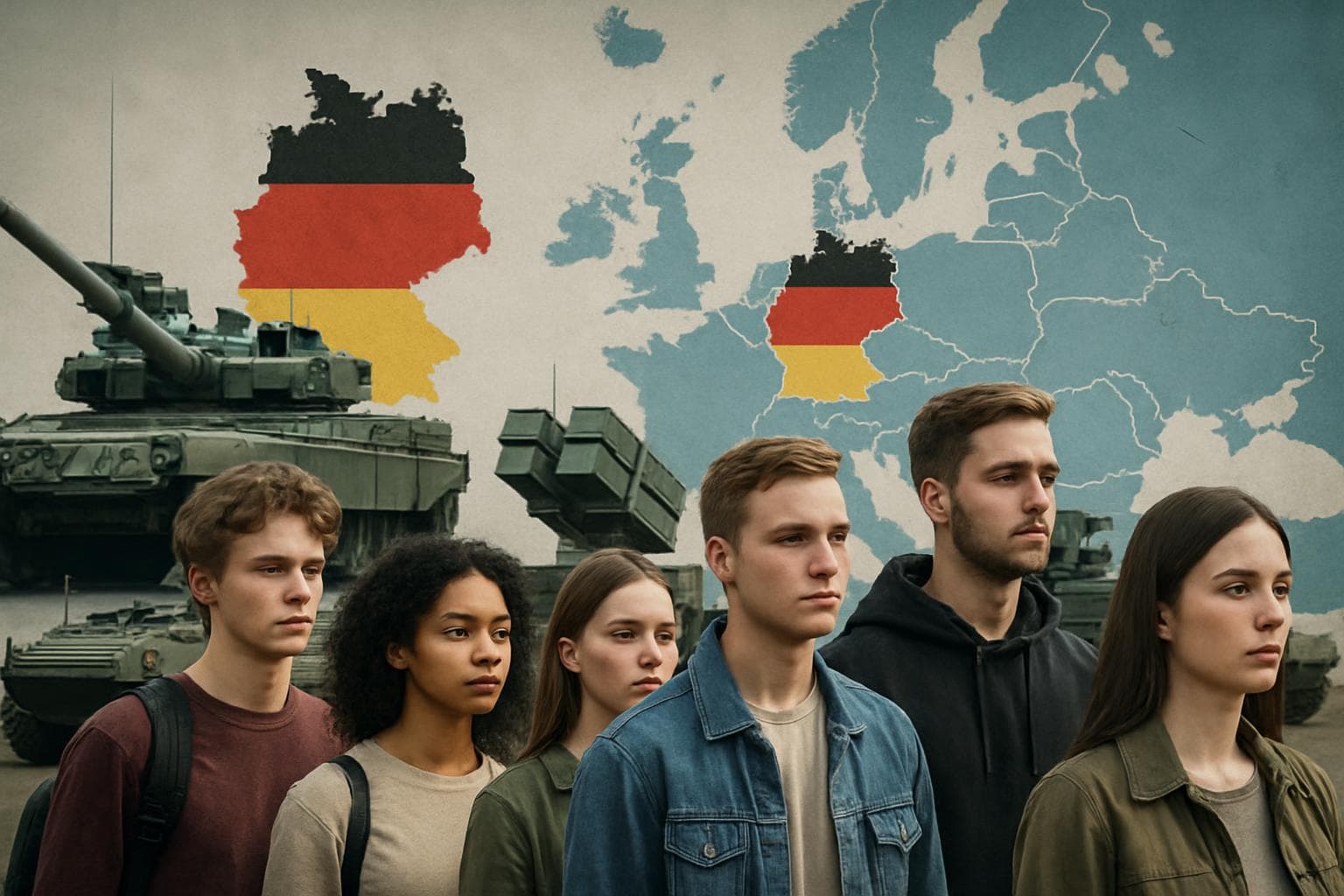
Germany's coalition government has unveiled a new military service plan designed to bolster the country's armed forces, aiming to create Europe's strongest conventional army. This decision follows extensive discussions among political leaders and reflects growing security concerns, particularly regarding potential threats from Russia.
Voluntary Enlistment with Mandatory Screening
Under the new plan, all 18-year-old men will be required to fill out a questionnaire assessing their suitability for military service, with mandatory medical screenings set to begin in 2027. While women are encouraged to volunteer, they are not obligated to participate in the selection process. The initiative aims to increase the Bundeswehr's troop numbers from the current 182,000 to between 255,000 and 260,000 over the next decade, supported by approximately 200,000 reservists.
Incentives and Potential Compulsory Service
To attract recruits, the government plans to offer financial incentives, including free driving licenses and increased entry-level pay. However, if voluntary enlistment does not yield sufficient numbers, a compulsory nationwide call-up may be reconsidered, requiring further legislative action. Jens Spahn, the parliamentary leader of the Christian Democrats (CDU), emphasized the importance of voluntary service, stating, "We want to win over as many young people as possible for the service for the fatherland."
Public Opinion and Political Debate
The proposal has sparked debate within Germany, with some political factions and young citizens expressing opposition to mandatory service. A recent Forsa survey indicated that while over half of respondents support compulsory service, 63% of those aged 18 to 29 oppose it. Jimi, a 17-year-old student from Berlin, voiced his concerns at a protest, stating, "I don't want to go to war because I don't want to die or I don't want to be shot at."
Security Concerns and Strategic Goals
The decision to revamp Germany's military comes amid heightened security concerns, with defense officials warning of a potential Russian attack within the next few years. Chancellor Friedrich Merz has pledged to transform the Bundeswehr into Europe's strongest conventional army, a goal deemed "realistic" by Armin Papperger, CEO of Rheinmetall, Germany's largest defense firm.
WHAT THIS MIGHT MEAN
The implementation of Germany's new military service plan could significantly impact the country's defense capabilities and its role within NATO. If voluntary recruitment meets targets, Germany may strengthen its military presence in Europe, potentially deterring aggression from Russia. However, if the plan fails to attract sufficient numbers, the government may face political challenges in introducing compulsory service, particularly given the opposition among younger Germans. As Germany navigates these developments, its approach to military expansion will likely influence broader European security dynamics and its relationship with international allies.
Related Articles

France Releases Russian 'Shadow Fleet' Tanker Amid Rising Tensions

Russian LNG Tanker Sinks in Mediterranean Amid Accusations of Ukrainian Drone Attack

UK-Iran Tensions: Starmer Defends Cautious Approach Amid Trump Criticism
Spain's Sánchez Stands Firm Against Trump's Trade Threat Over Iran Stance

Russia-Ukraine Conflict: Four Years of Unyielding Struggle and Human Resilience

Trump Raises Import Tariffs to 15% After Supreme Court Setback
Germany's New Military Service Plan Focuses on Voluntary Enlistment Amid Security Concerns
In This Article
 Alex Carter| Published
 HIGHLIGHTS
- Germany's coalition government has agreed on a new military service plan aiming to boost troop numbers, with a focus on voluntary enlistment.
- From 2027, all 18-year-old men will undergo mandatory medical screening, while women are encouraged to volunteer.
- The plan aims to increase the Bundeswehr's strength to between 255,000 and 260,000 troops over the next decade.
- A compulsory call-up could be reconsidered if voluntary recruitment fails to meet targets, amid security concerns from Russia.
- Public opinion is divided, with significant opposition among young Germans to mandatory service.
Germany's coalition government has unveiled a new military service plan designed to bolster the country's armed forces, aiming to create Europe's strongest conventional army. This decision follows extensive discussions among political leaders and reflects growing security concerns, particularly regarding potential threats from Russia.
Voluntary Enlistment with Mandatory Screening
Under the new plan, all 18-year-old men will be required to fill out a questionnaire assessing their suitability for military service, with mandatory medical screenings set to begin in 2027. While women are encouraged to volunteer, they are not obligated to participate in the selection process. The initiative aims to increase the Bundeswehr's troop numbers from the current 182,000 to between 255,000 and 260,000 over the next decade, supported by approximately 200,000 reservists.
Incentives and Potential Compulsory Service
To attract recruits, the government plans to offer financial incentives, including free driving licenses and increased entry-level pay. However, if voluntary enlistment does not yield sufficient numbers, a compulsory nationwide call-up may be reconsidered, requiring further legislative action. Jens Spahn, the parliamentary leader of the Christian Democrats (CDU), emphasized the importance of voluntary service, stating, "We want to win over as many young people as possible for the service for the fatherland."
Public Opinion and Political Debate
The proposal has sparked debate within Germany, with some political factions and young citizens expressing opposition to mandatory service. A recent Forsa survey indicated that while over half of respondents support compulsory service, 63% of those aged 18 to 29 oppose it. Jimi, a 17-year-old student from Berlin, voiced his concerns at a protest, stating, "I don't want to go to war because I don't want to die or I don't want to be shot at."
Security Concerns and Strategic Goals
The decision to revamp Germany's military comes amid heightened security concerns, with defense officials warning of a potential Russian attack within the next few years. Chancellor Friedrich Merz has pledged to transform the Bundeswehr into Europe's strongest conventional army, a goal deemed "realistic" by Armin Papperger, CEO of Rheinmetall, Germany's largest defense firm.
WHAT THIS MIGHT MEAN
The implementation of Germany's new military service plan could significantly impact the country's defense capabilities and its role within NATO. If voluntary recruitment meets targets, Germany may strengthen its military presence in Europe, potentially deterring aggression from Russia. However, if the plan fails to attract sufficient numbers, the government may face political challenges in introducing compulsory service, particularly given the opposition among younger Germans. As Germany navigates these developments, its approach to military expansion will likely influence broader European security dynamics and its relationship with international allies.
Related Articles
France Releases Russian 'Shadow Fleet' Tanker Amid Rising Tensions
Russian LNG Tanker Sinks in Mediterranean Amid Accusations of Ukrainian Drone Attack
UK-Iran Tensions: Starmer Defends Cautious Approach Amid Trump Criticism
Spain's Sánchez Stands Firm Against Trump's Trade Threat Over Iran Stance
Russia-Ukraine Conflict: Four Years of Unyielding Struggle and Human Resilience
Trump Raises Import Tariffs to 15% After Supreme Court Setback