
Gerry McCann Calls for Renewed Media Scrutiny Amidst Press Intrusion Concerns
In This Article
HIGHLIGHTS
- Gerry McCann urges renewed scrutiny of UK media, citing "monstering" by the press during the investigation into his daughter Madeleine McCann's disappearance.
- McCann and over 30 others have petitioned Prime Minister Keir Starmer to revive the second phase of the Leveson Inquiry, which was canceled in 2018.
- The McCanns faced intense media intrusion, with journalists and photographers besieging their home, causing distress to their family.
- The first part of the Leveson Inquiry led to the creation of the press regulator Ipso, but the second phase was halted by the Conservative government.
- Culture Secretary Lisa Nandy stated that the media landscape has changed, and the second phase of the inquiry will not proceed.
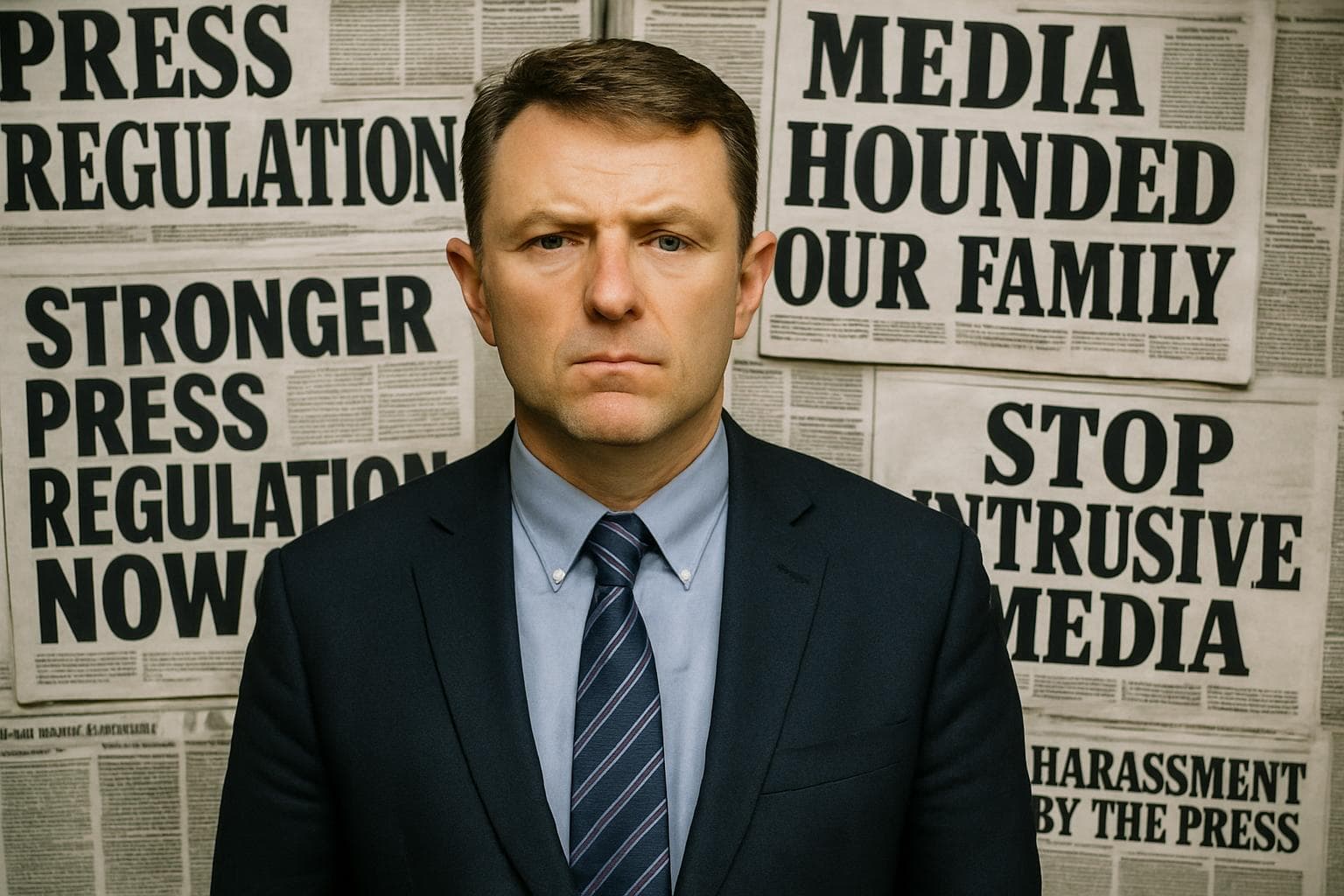
Gerry McCann, father of the missing child Madeleine McCann, has called for heightened scrutiny of the UK media, highlighting the "monstering" his family endured from certain press sectors. McCann argues that the media's actions have not only interfered with the investigation into his daughter's 2007 disappearance but have also taken a significant toll on his family.
In a recent interview with BBC Radio 4's Today programme, McCann expressed his disappointment over the lack of progress in press regulation since Labour came into power. He emphasized the need for the second phase of the Leveson Inquiry, which was intended to investigate unlawful media practices and their relationships with politicians and police but was scrapped by the Conservative government in 2018.
The McCanns, along with over 30 other individuals, have signed a letter addressed to Prime Minister Keir Starmer, urging him to reconsider the decision to halt the inquiry. The letter, seen by the BBC, requests a meeting with the prime minister, pointing out the disparity between media moguls' access to political leaders and the lack of redress for those affected by media misconduct.
Describing the intense media intrusion, McCann recounted how journalists and photographers besieged their home in Rothley, Leicestershire, following Madeleine's disappearance. He shared the distressing experience of having photographers press their cameras against the family's car windows, terrifying their two-year-old twins. "We are lucky we survived," McCann stated, emphasizing the need for stronger press regulation to prevent such abuses.
The first part of the Leveson Inquiry, conducted from 2011 to 2012, resulted in the establishment of the press regulator Ipso. However, the second phase, which was to delve deeper into media ethics and practices, was never realized. Culture Secretary Lisa Nandy recently reiterated that the second phase will not proceed, citing significant changes in the media landscape, including the shift towards online news consumption.
WHAT THIS MIGHT MEAN
The call for renewed scrutiny of the UK media by Gerry McCann and others could reignite debates over press regulation and media ethics. If the second phase of the Leveson Inquiry were to be revived, it could lead to stricter regulations and potentially reshape the relationship between the media, politicians, and the public.
However, with the government currently ruling out the continuation of the inquiry, the focus may shift towards alternative measures to address media misconduct. This could involve strengthening existing regulatory bodies like Ipso or exploring new frameworks to ensure accountability in the rapidly evolving media landscape.
As public discourse around media ethics continues, the pressure on political leaders to address these concerns may grow, potentially influencing future policy decisions and media practices in the UK.
Related Articles

UK Faces Dilemmas Amid Iran Conflict and China Spying Allegations

UK-Iran Tensions: Starmer Defends Cautious Approach Amid Trump Criticism
Diplomatic Tensions Rise as Trump Criticizes Starmer's Iran Policy

UK Government to Reform Asylum Seeker Support and Employment Policies
UK Reinforces Military Presence in Cyprus Amid Middle East Tensions

Labour MP's Husband Arrested in UK-China Espionage Probe
Gerry McCann Calls for Renewed Media Scrutiny Amidst Press Intrusion Concerns
In This Article
 Ethan Brooks| Published
 HIGHLIGHTS
- Gerry McCann urges renewed scrutiny of UK media, citing "monstering" by the press during the investigation into his daughter Madeleine McCann's disappearance.
- McCann and over 30 others have petitioned Prime Minister Keir Starmer to revive the second phase of the Leveson Inquiry, which was canceled in 2018.
- The McCanns faced intense media intrusion, with journalists and photographers besieging their home, causing distress to their family.
- The first part of the Leveson Inquiry led to the creation of the press regulator Ipso, but the second phase was halted by the Conservative government.
- Culture Secretary Lisa Nandy stated that the media landscape has changed, and the second phase of the inquiry will not proceed.
Gerry McCann, father of the missing child Madeleine McCann, has called for heightened scrutiny of the UK media, highlighting the "monstering" his family endured from certain press sectors. McCann argues that the media's actions have not only interfered with the investigation into his daughter's 2007 disappearance but have also taken a significant toll on his family.
In a recent interview with BBC Radio 4's Today programme, McCann expressed his disappointment over the lack of progress in press regulation since Labour came into power. He emphasized the need for the second phase of the Leveson Inquiry, which was intended to investigate unlawful media practices and their relationships with politicians and police but was scrapped by the Conservative government in 2018.
The McCanns, along with over 30 other individuals, have signed a letter addressed to Prime Minister Keir Starmer, urging him to reconsider the decision to halt the inquiry. The letter, seen by the BBC, requests a meeting with the prime minister, pointing out the disparity between media moguls' access to political leaders and the lack of redress for those affected by media misconduct.
Describing the intense media intrusion, McCann recounted how journalists and photographers besieged their home in Rothley, Leicestershire, following Madeleine's disappearance. He shared the distressing experience of having photographers press their cameras against the family's car windows, terrifying their two-year-old twins. "We are lucky we survived," McCann stated, emphasizing the need for stronger press regulation to prevent such abuses.
The first part of the Leveson Inquiry, conducted from 2011 to 2012, resulted in the establishment of the press regulator Ipso. However, the second phase, which was to delve deeper into media ethics and practices, was never realized. Culture Secretary Lisa Nandy recently reiterated that the second phase will not proceed, citing significant changes in the media landscape, including the shift towards online news consumption.
WHAT THIS MIGHT MEAN
The call for renewed scrutiny of the UK media by Gerry McCann and others could reignite debates over press regulation and media ethics. If the second phase of the Leveson Inquiry were to be revived, it could lead to stricter regulations and potentially reshape the relationship between the media, politicians, and the public.
However, with the government currently ruling out the continuation of the inquiry, the focus may shift towards alternative measures to address media misconduct. This could involve strengthening existing regulatory bodies like Ipso or exploring new frameworks to ensure accountability in the rapidly evolving media landscape.
As public discourse around media ethics continues, the pressure on political leaders to address these concerns may grow, potentially influencing future policy decisions and media practices in the UK.
Related Articles
UK Faces Dilemmas Amid Iran Conflict and China Spying Allegations
UK-Iran Tensions: Starmer Defends Cautious Approach Amid Trump Criticism
Diplomatic Tensions Rise as Trump Criticizes Starmer's Iran Policy
UK Government to Reform Asylum Seeker Support and Employment Policies
UK Reinforces Military Presence in Cyprus Amid Middle East Tensions
Labour MP's Husband Arrested in UK-China Espionage Probe