
Glasgow's Historic Skatepark to be Unearthed in Archaeological Revival
In This Article
HIGHLIGHTS
- Scotland's first outdoor skatepark, Kelvin Wheelies, will be excavated by the University of Glasgow to preserve its historical significance.
- The skatepark, opened in 1978, hosted the first Scottish Skateboard Championships but was closed in 1983 due to safety concerns and declining popularity.
- The excavation, supported by the Society of Antiquaries of Scotland, invites volunteers and former skaters to participate in the fieldwork.
- Dr. Kenny Brophy emphasizes the importance of preserving this piece of Glasgow's modern sporting heritage.
- Skateboarding's resurgence, highlighted by its inclusion in the Olympics, underscores the cultural value of sites like Kelvin Wheelies.
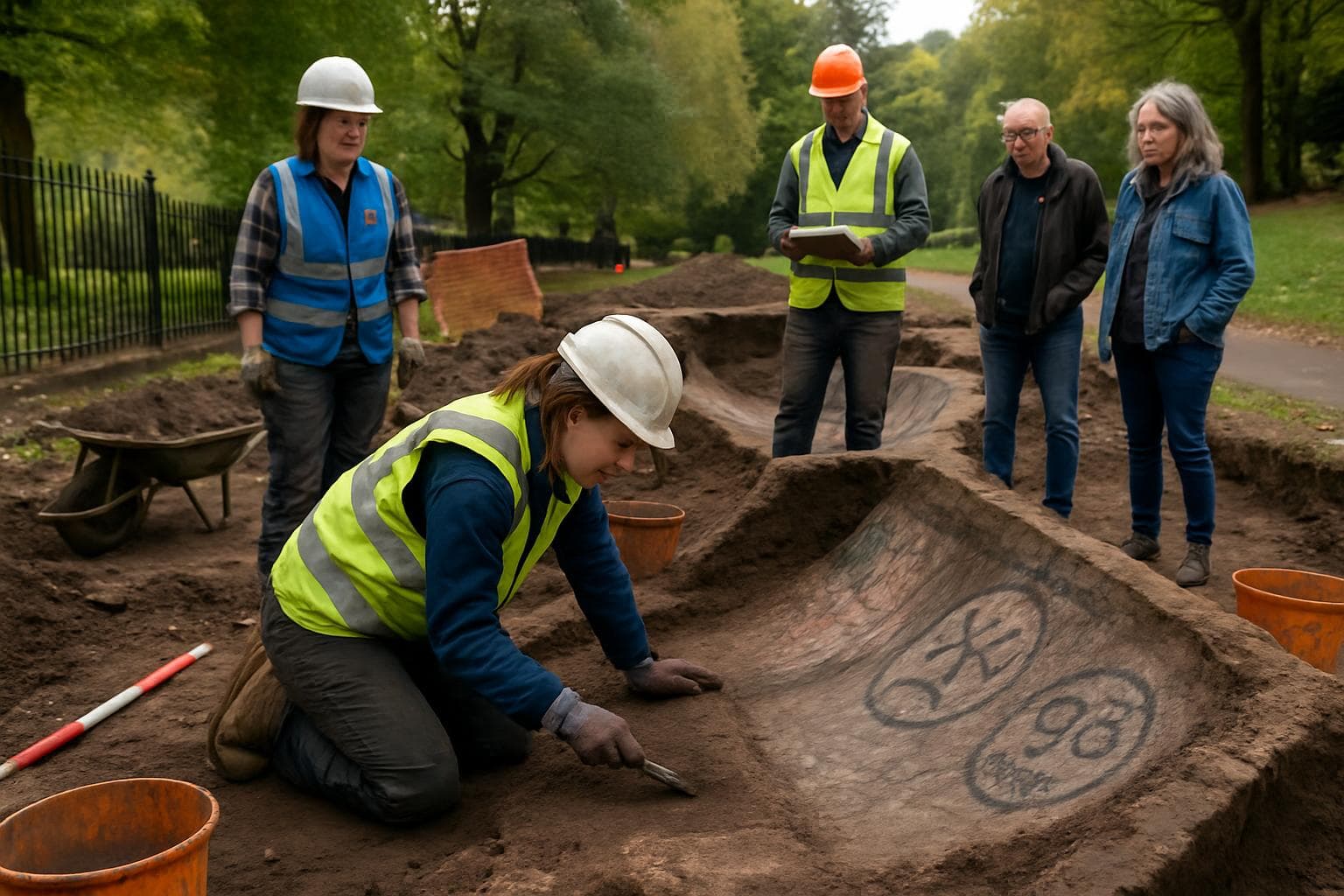
Scotland's pioneering outdoor skatepark, Kelvin Wheelies, is set to be unearthed in an archaeological project led by the University of Glasgow. This initiative aims to preserve the legacy of a site that once stood at the forefront of Scottish skateboarding culture. The excavation, scheduled from August 25 to 29, will involve volunteers, students, and former skaters, offering a unique opportunity to reconnect with a significant piece of Glasgow's sporting history.
A Legacy Buried Beneath Kelvingrove Park
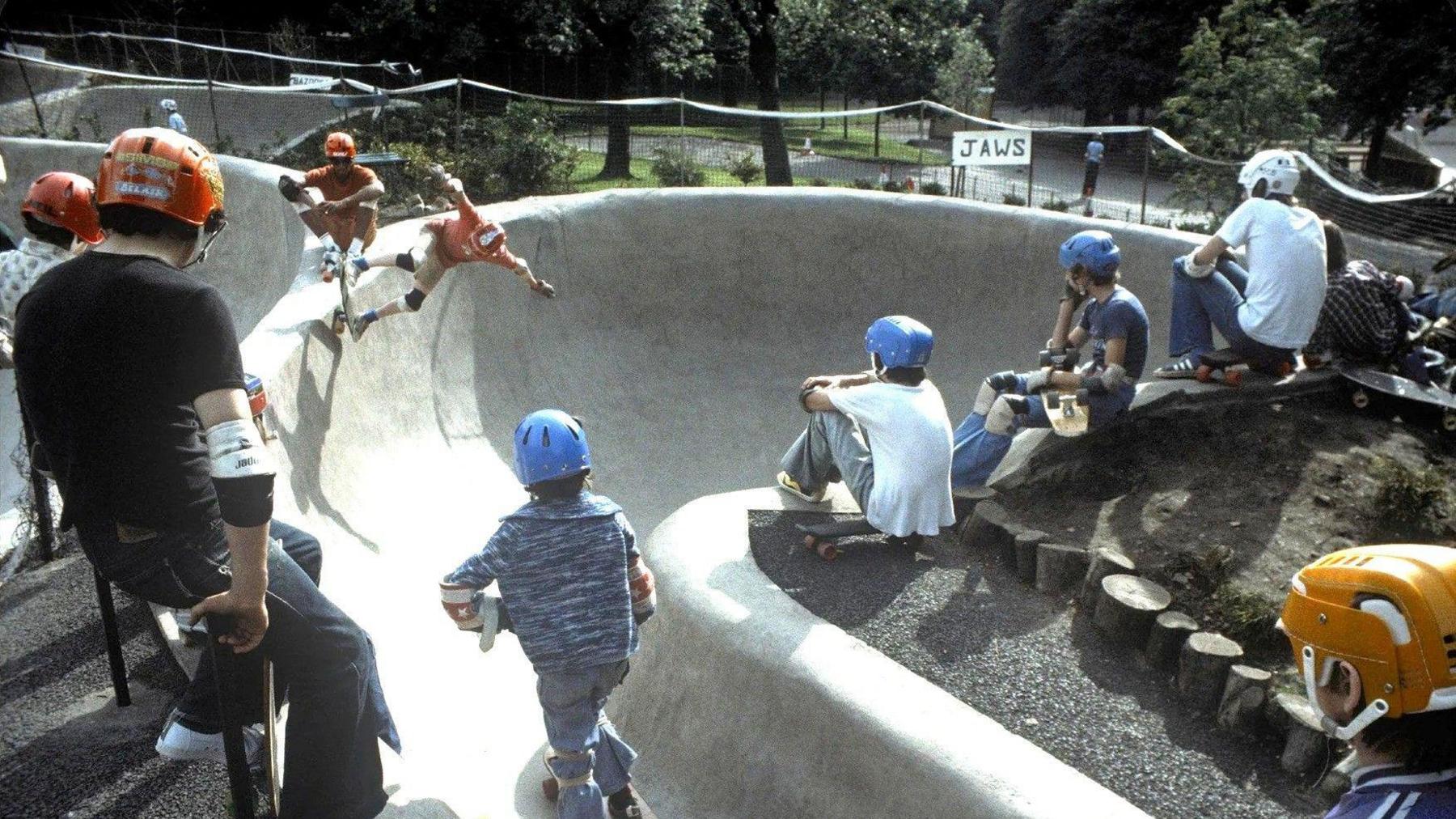
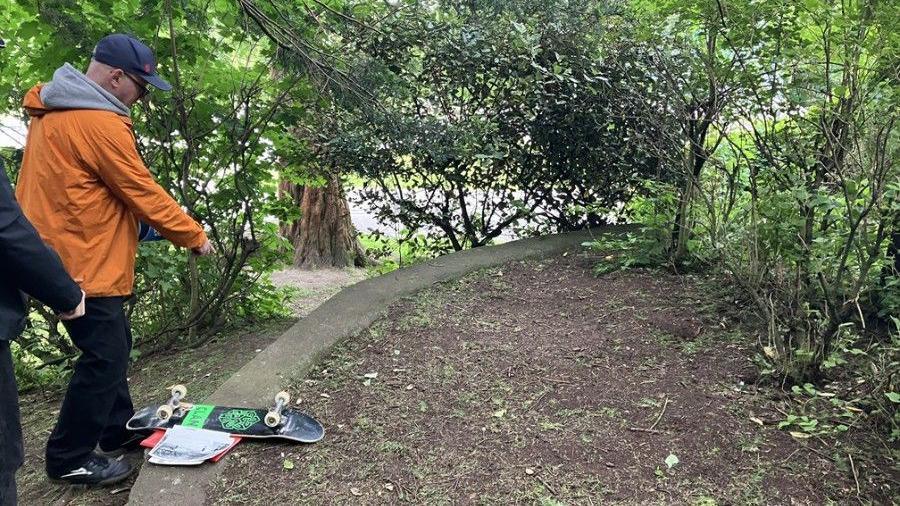
Opened in May 1978, Kelvin Wheelies was a groundbreaking facility featuring a dual slalom run, half-pipe, and bowls, attracting skateboarders from across the UK. It hosted the inaugural Scottish Skateboard Championships, marking a high point in the nation's skateboarding scene. However, by 1983, concerns over maintenance costs and safety, coupled with a decline in skateboarding's popularity, led to its closure and subsequent burial.
Reviving a Cultural Landmark
Dr. Kenny Brophy, a senior lecturer in archaeology at the University of Glasgow, spearheads the excavation project. He highlights the skatepark's role in engaging youth in what was then considered a marginal activity. "This is a rare opportunity to explore part of the city's modern sporting heritage," Brophy stated. The project, in partnership with the Society of Antiquaries of Scotland, seeks to uncover not only the physical remnants but also the memories and stories associated with Kelvin Wheelies.
Community Involvement and Historical Significance
The excavation will employ hand tools to carefully expose sections of the concrete structure, potentially revealing original 1980s graffiti. Jamie Blair, a former Scottish skateboard champion and owner of Clan Skates, expressed excitement about the project. "Skaters from all over the UK flocked to this radical new facility," Blair recalled. The initiative invites public participation, encouraging individuals to share memories and contribute to an online archive dedicated to the skatepark's history.
WHAT THIS MIGHT MEAN
The excavation of Kelvin Wheelies could reignite interest in preserving other historical skateparks, highlighting their cultural and social significance. As skateboarding continues to gain mainstream recognition, particularly with its inclusion in future Olympic Games, there may be increased efforts to document and celebrate the sport's heritage. This project could serve as a model for similar initiatives, fostering a deeper appreciation for the grassroots origins of skateboarding and its impact on youth culture.
Images from the Web
Related Articles

Canada and Australia Forge Strategic Partnership Amid Global Uncertainty

UK Government to Reform Asylum Seeker Support and Employment Policies

Middle East Conflict Drives UK Energy Prices to New Highs

UK Faces Dilemmas Amid Iran Conflict and China Spying Allegations

UK Reinforces Military Presence in Cyprus Amid Middle East Tensions

Police Federation Chief Arrested Amid Fraud Investigation
Glasgow's Historic Skatepark to be Unearthed in Archaeological Revival
In This Article
 Marcus Blake| Published
 HIGHLIGHTS
- Scotland's first outdoor skatepark, Kelvin Wheelies, will be excavated by the University of Glasgow to preserve its historical significance.
- The skatepark, opened in 1978, hosted the first Scottish Skateboard Championships but was closed in 1983 due to safety concerns and declining popularity.
- The excavation, supported by the Society of Antiquaries of Scotland, invites volunteers and former skaters to participate in the fieldwork.
- Dr. Kenny Brophy emphasizes the importance of preserving this piece of Glasgow's modern sporting heritage.
- Skateboarding's resurgence, highlighted by its inclusion in the Olympics, underscores the cultural value of sites like Kelvin Wheelies.
Scotland's pioneering outdoor skatepark, Kelvin Wheelies, is set to be unearthed in an archaeological project led by the University of Glasgow. This initiative aims to preserve the legacy of a site that once stood at the forefront of Scottish skateboarding culture. The excavation, scheduled from August 25 to 29, will involve volunteers, students, and former skaters, offering a unique opportunity to reconnect with a significant piece of Glasgow's sporting history.
A Legacy Buried Beneath Kelvingrove Park
Opened in May 1978, Kelvin Wheelies was a groundbreaking facility featuring a dual slalom run, half-pipe, and bowls, attracting skateboarders from across the UK. It hosted the inaugural Scottish Skateboard Championships, marking a high point in the nation's skateboarding scene. However, by 1983, concerns over maintenance costs and safety, coupled with a decline in skateboarding's popularity, led to its closure and subsequent burial.
Reviving a Cultural Landmark
Dr. Kenny Brophy, a senior lecturer in archaeology at the University of Glasgow, spearheads the excavation project. He highlights the skatepark's role in engaging youth in what was then considered a marginal activity. "This is a rare opportunity to explore part of the city's modern sporting heritage," Brophy stated. The project, in partnership with the Society of Antiquaries of Scotland, seeks to uncover not only the physical remnants but also the memories and stories associated with Kelvin Wheelies.
Community Involvement and Historical Significance
The excavation will employ hand tools to carefully expose sections of the concrete structure, potentially revealing original 1980s graffiti. Jamie Blair, a former Scottish skateboard champion and owner of Clan Skates, expressed excitement about the project. "Skaters from all over the UK flocked to this radical new facility," Blair recalled. The initiative invites public participation, encouraging individuals to share memories and contribute to an online archive dedicated to the skatepark's history.
WHAT THIS MIGHT MEAN
The excavation of Kelvin Wheelies could reignite interest in preserving other historical skateparks, highlighting their cultural and social significance. As skateboarding continues to gain mainstream recognition, particularly with its inclusion in future Olympic Games, there may be increased efforts to document and celebrate the sport's heritage. This project could serve as a model for similar initiatives, fostering a deeper appreciation for the grassroots origins of skateboarding and its impact on youth culture.
Images from the Web
Related Articles
Canada and Australia Forge Strategic Partnership Amid Global Uncertainty
UK Government to Reform Asylum Seeker Support and Employment Policies
Middle East Conflict Drives UK Energy Prices to New Highs
UK Faces Dilemmas Amid Iran Conflict and China Spying Allegations
UK Reinforces Military Presence in Cyprus Amid Middle East Tensions
Police Federation Chief Arrested Amid Fraud Investigation