
Global Outcry Intensifies Over Gaza Conflict as Calls for Ceasefire Grow
In This Article
HIGHLIGHTS
- Jersey's chief minister, Lyndon Farnham, urged for an immediate ceasefire in Gaza, highlighting the humanitarian crisis and civilian casualties.
- UK Foreign Secretary David Lammy expressed being "appalled and sickened" by the situation in Gaza, criticizing Israel's military actions and calling for an end to the conflict.
- The international community, including 27 countries, condemned Israel's restrictions on aid and the killing of civilians, demanding an immediate end to hostilities.
- The UN Secretary-General António Guterres described the situation in Gaza as a "horror show," emphasizing the collapse of humanitarian lifelines.
- Israel's military actions have led to significant civilian casualties, with reports of over 1,000 Palestinians killed while seeking aid.
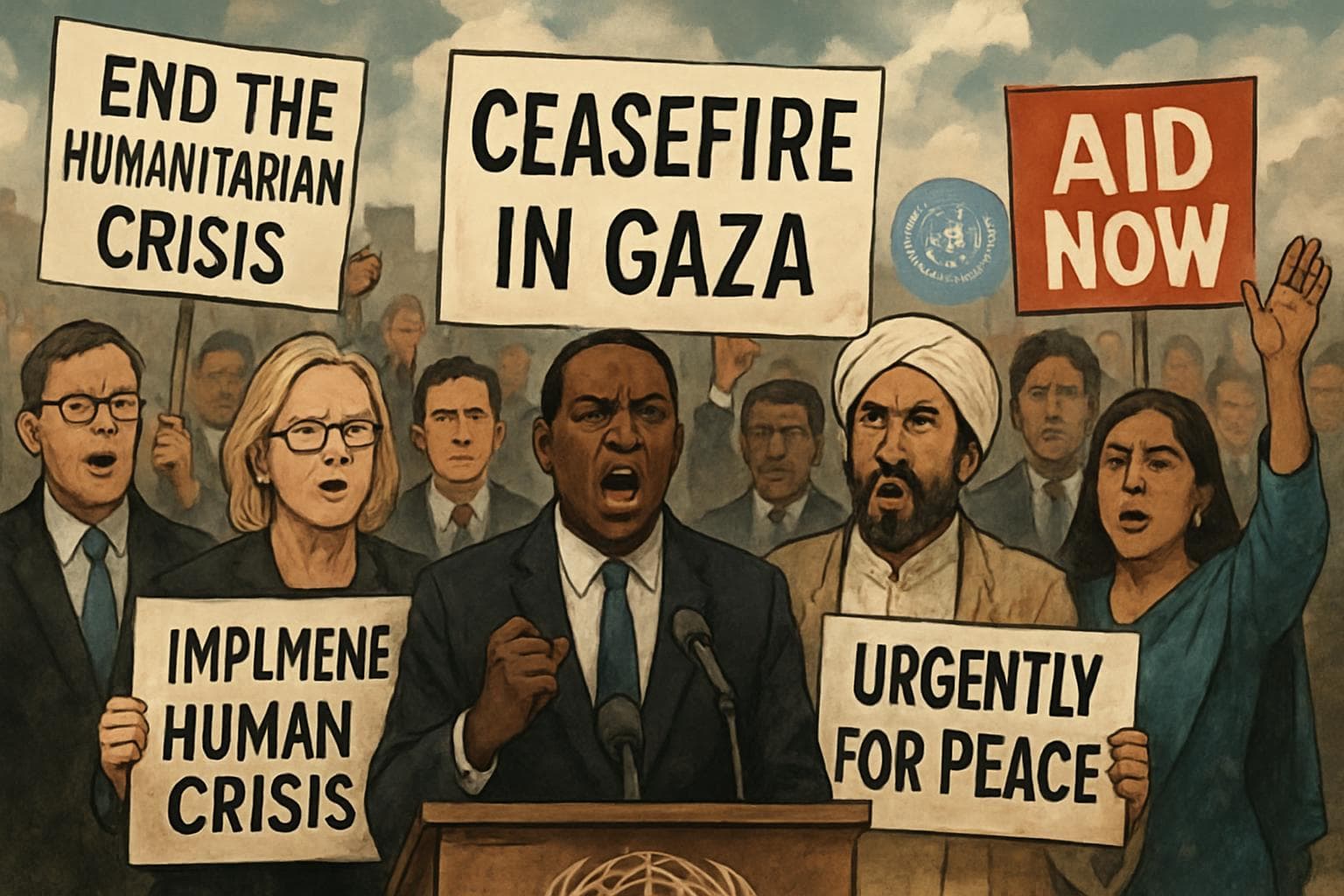
The ongoing conflict in Gaza has sparked a wave of international condemnation, with leaders and organizations worldwide urging an immediate ceasefire amid escalating humanitarian concerns. Jersey's chief minister, Lyndon Farnham, has joined the chorus of voices, calling for an "immediate cessation of violence against civilians and the release of all hostages." Farnham emphasized the humanitarian tragedy unfolding in Gaza, describing it as "devastating" and urging the UK government to take decisive action.
International Condemnation and Calls for Action
UK Foreign Secretary David Lammy has been vocal in his criticism of Israel's military actions, describing the situation in Gaza as "grotesque" and expressing his horror at the plight of civilians. Lammy, alongside 27 other countries, has condemned Israel's restrictions on humanitarian aid and the killing of civilians, including children, while seeking food and water. The joint statement from these nations highlights the urgent need for an end to hostilities and the restoration of aid flow to the region.
UN and Global Leaders Demand Humanitarian Access
UN Secretary-General António Guterres has labeled the situation in Gaza as a "horror show," condemning the attacks on humanitarian facilities and the severe restrictions on aid. Guterres warned that the last lifelines keeping people alive in Gaza are collapsing, with malnutrition and starvation becoming rampant. The international community's outcry has been echoed by senior figures, including the EU's foreign policy chief, who has called for immediate action to prevent further civilian casualties.
Humanitarian Crisis Deepens Amid Military Operations
The conflict has resulted in significant civilian casualties, with reports indicating that over 1,000 Palestinians have been killed while attempting to access aid. The Israeli military's actions, including air raids and ground operations targeting humanitarian hubs, have exacerbated the crisis. Despite international pressure, Israel has maintained its stance, describing the criticism as "disconnected from reality."
WHAT THIS MIGHT MEAN
As the conflict in Gaza continues, the international community's pressure on Israel is likely to intensify. The calls for a ceasefire and the restoration of humanitarian aid could lead to diplomatic negotiations aimed at de-escalating the situation. However, the path to peace remains fraught with challenges, as geopolitical tensions and differing national interests complicate efforts to reach a resolution. Experts suggest that sustained international engagement and pressure may be necessary to achieve a lasting ceasefire and address the humanitarian needs of the affected population.
Related Articles

UK Faces Dilemmas Amid Iran Conflict and China Spying Allegations

Russia-Ukraine Conflict: Four Years of Unyielding Struggle and Human Resilience

Prince Andrew's Ties to Epstein Under Scrutiny Amid Calls for Inquiry

Middle East Conflict Drives UK Energy Prices to New Highs
Iran Postpones Khamenei Funeral Amid Escalating US-Israeli Strikes

Government Announces £4 Billion Overhaul of SEND Support in England
Global Outcry Intensifies Over Gaza Conflict as Calls for Ceasefire Grow
In This Article
 Ethan Brooks| Published
 HIGHLIGHTS
- Jersey's chief minister, Lyndon Farnham, urged for an immediate ceasefire in Gaza, highlighting the humanitarian crisis and civilian casualties.
- UK Foreign Secretary David Lammy expressed being "appalled and sickened" by the situation in Gaza, criticizing Israel's military actions and calling for an end to the conflict.
- The international community, including 27 countries, condemned Israel's restrictions on aid and the killing of civilians, demanding an immediate end to hostilities.
- The UN Secretary-General António Guterres described the situation in Gaza as a "horror show," emphasizing the collapse of humanitarian lifelines.
- Israel's military actions have led to significant civilian casualties, with reports of over 1,000 Palestinians killed while seeking aid.
The ongoing conflict in Gaza has sparked a wave of international condemnation, with leaders and organizations worldwide urging an immediate ceasefire amid escalating humanitarian concerns. Jersey's chief minister, Lyndon Farnham, has joined the chorus of voices, calling for an "immediate cessation of violence against civilians and the release of all hostages." Farnham emphasized the humanitarian tragedy unfolding in Gaza, describing it as "devastating" and urging the UK government to take decisive action.
International Condemnation and Calls for Action
UK Foreign Secretary David Lammy has been vocal in his criticism of Israel's military actions, describing the situation in Gaza as "grotesque" and expressing his horror at the plight of civilians. Lammy, alongside 27 other countries, has condemned Israel's restrictions on humanitarian aid and the killing of civilians, including children, while seeking food and water. The joint statement from these nations highlights the urgent need for an end to hostilities and the restoration of aid flow to the region.
UN and Global Leaders Demand Humanitarian Access
UN Secretary-General António Guterres has labeled the situation in Gaza as a "horror show," condemning the attacks on humanitarian facilities and the severe restrictions on aid. Guterres warned that the last lifelines keeping people alive in Gaza are collapsing, with malnutrition and starvation becoming rampant. The international community's outcry has been echoed by senior figures, including the EU's foreign policy chief, who has called for immediate action to prevent further civilian casualties.
Humanitarian Crisis Deepens Amid Military Operations
The conflict has resulted in significant civilian casualties, with reports indicating that over 1,000 Palestinians have been killed while attempting to access aid. The Israeli military's actions, including air raids and ground operations targeting humanitarian hubs, have exacerbated the crisis. Despite international pressure, Israel has maintained its stance, describing the criticism as "disconnected from reality."
WHAT THIS MIGHT MEAN
As the conflict in Gaza continues, the international community's pressure on Israel is likely to intensify. The calls for a ceasefire and the restoration of humanitarian aid could lead to diplomatic negotiations aimed at de-escalating the situation. However, the path to peace remains fraught with challenges, as geopolitical tensions and differing national interests complicate efforts to reach a resolution. Experts suggest that sustained international engagement and pressure may be necessary to achieve a lasting ceasefire and address the humanitarian needs of the affected population.
Related Articles
UK Faces Dilemmas Amid Iran Conflict and China Spying Allegations
Russia-Ukraine Conflict: Four Years of Unyielding Struggle and Human Resilience
Prince Andrew's Ties to Epstein Under Scrutiny Amid Calls for Inquiry
Middle East Conflict Drives UK Energy Prices to New Highs
Iran Postpones Khamenei Funeral Amid Escalating US-Israeli Strikes
Government Announces £4 Billion Overhaul of SEND Support in England