
Heathrow's Proposed Fee Hike Sparks Airline Backlash
In This Article
HIGHLIGHTS
- Heathrow Airport plans to raise passenger charges to an average of £33.26 between 2027-2031, up from £28.46 in the previous period.
- Airlines, including Virgin Atlantic and IAG, criticize the proposed increase, citing concerns over affordability and value for money.
- The £10bn investment plan aims to handle an additional 10 million passengers annually by expanding terminal space and improving facilities.
- The Civil Aviation Authority (CAA) is reviewing Heathrow's proposal, which does not include a third runway but plans for increased cargo capacity by 2031.
- Heathrow's chief executive argues the investment is necessary to maintain competitiveness with global hubs.
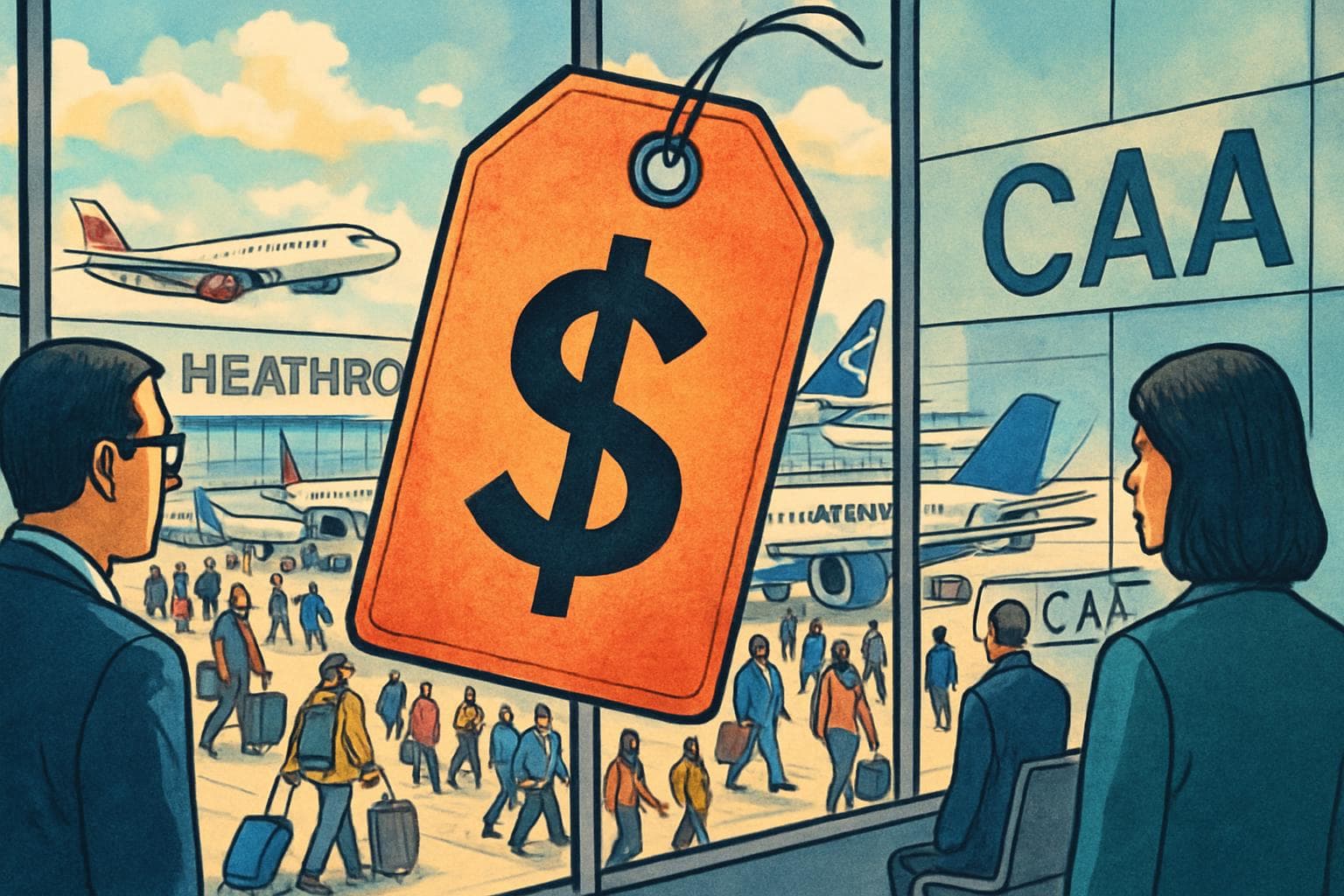
Heathrow Airport's ambitious £10bn investment plan, aimed at enhancing passenger capacity and terminal facilities, has met with strong opposition from major airlines. The proposal, submitted to the Civil Aviation Authority (CAA), seeks to increase passenger charges to an average of £33.26 between 2027 and 2031, up from the current average of £28.46. This move is intended to support the airport's goal of accommodating an additional 10 million passengers annually by 2031.
Airlines Criticize Fee Increase
Airlines, including Virgin Atlantic and the International Airlines Group (IAG), which owns British Airways, have expressed significant concerns over the proposed fee hike. Virgin Atlantic has labeled Heathrow as the most expensive airport globally, questioning the efficiency of its investment strategy. A spokesperson stated, "Heathrow's monopoly power as the UK's only hub airport makes this £10bn investment plan seem like poor value for money."
IAG echoed these sentiments, describing the proposed 25% increase in charges as "excessive" and raising doubts about affordability for passengers. The group emphasized that the investment would ultimately be funded by passengers and airlines, necessitating a "significant revision" of the plan.
Investment Aims to Boost Capacity
Despite the criticism, Heathrow's chief executive, Thomas Woldbye, defended the proposal, highlighting the need to invest in order to compete with other global hubs. The plan includes expanding terminal space by 70,000 square meters, introducing new lounges, shops, and restaurants, and improving security and baggage handling. Woldbye stated, "Our five-year plan will further boost operational resilience and deliver the service passengers expect."
Regulatory Review and Future Plans
The CAA is currently reviewing Heathrow's proposal, which notably excludes plans for a third runway. However, the Labour government has indicated potential approval for the runway, with Heathrow expected to submit a detailed proposal soon. The airport also aims to increase cargo capacity by 20% by 2031, further enhancing its operational capabilities.
WHAT THIS MIGHT MEAN
As the CAA reviews Heathrow's proposal, the outcome could significantly impact air travel costs and the airport's competitive standing. If approved, the increased charges may lead to higher airfares, potentially affecting passenger numbers. Conversely, if the CAA demands revisions, Heathrow may need to adjust its investment strategy to balance expansion goals with affordability concerns.
The potential approval of a third runway could further complicate matters, introducing additional financial and environmental considerations. Industry experts suggest that Heathrow's ability to maintain its status as Europe's busiest airport will depend on its capacity to navigate these regulatory and economic challenges effectively.
Related Articles
Councils Across England Propose Maximum Tax Hikes Amid Financial Strain

Unlawful Ban on Palestine Action and Other UK Political Developments
Heathrow Airport's Crowding Issue: A Matter of Direction, Not Density

Heathrow Airport Lifts 100ml Liquid Limit with New Security Technology
UK Faces Record-Breaking Christmas Eve Travel Surge

UK Home Insulation Scandal Sparks Calls for Fraud Investigation
Heathrow's Proposed Fee Hike Sparks Airline Backlash
In This Article
 Daniel Rivera| Published
 HIGHLIGHTS
- Heathrow Airport plans to raise passenger charges to an average of £33.26 between 2027-2031, up from £28.46 in the previous period.
- Airlines, including Virgin Atlantic and IAG, criticize the proposed increase, citing concerns over affordability and value for money.
- The £10bn investment plan aims to handle an additional 10 million passengers annually by expanding terminal space and improving facilities.
- The Civil Aviation Authority (CAA) is reviewing Heathrow's proposal, which does not include a third runway but plans for increased cargo capacity by 2031.
- Heathrow's chief executive argues the investment is necessary to maintain competitiveness with global hubs.
Heathrow Airport's ambitious £10bn investment plan, aimed at enhancing passenger capacity and terminal facilities, has met with strong opposition from major airlines. The proposal, submitted to the Civil Aviation Authority (CAA), seeks to increase passenger charges to an average of £33.26 between 2027 and 2031, up from the current average of £28.46. This move is intended to support the airport's goal of accommodating an additional 10 million passengers annually by 2031.
Airlines Criticize Fee Increase
Airlines, including Virgin Atlantic and the International Airlines Group (IAG), which owns British Airways, have expressed significant concerns over the proposed fee hike. Virgin Atlantic has labeled Heathrow as the most expensive airport globally, questioning the efficiency of its investment strategy. A spokesperson stated, "Heathrow's monopoly power as the UK's only hub airport makes this £10bn investment plan seem like poor value for money."
IAG echoed these sentiments, describing the proposed 25% increase in charges as "excessive" and raising doubts about affordability for passengers. The group emphasized that the investment would ultimately be funded by passengers and airlines, necessitating a "significant revision" of the plan.
Investment Aims to Boost Capacity
Despite the criticism, Heathrow's chief executive, Thomas Woldbye, defended the proposal, highlighting the need to invest in order to compete with other global hubs. The plan includes expanding terminal space by 70,000 square meters, introducing new lounges, shops, and restaurants, and improving security and baggage handling. Woldbye stated, "Our five-year plan will further boost operational resilience and deliver the service passengers expect."
Regulatory Review and Future Plans
The CAA is currently reviewing Heathrow's proposal, which notably excludes plans for a third runway. However, the Labour government has indicated potential approval for the runway, with Heathrow expected to submit a detailed proposal soon. The airport also aims to increase cargo capacity by 20% by 2031, further enhancing its operational capabilities.
WHAT THIS MIGHT MEAN
As the CAA reviews Heathrow's proposal, the outcome could significantly impact air travel costs and the airport's competitive standing. If approved, the increased charges may lead to higher airfares, potentially affecting passenger numbers. Conversely, if the CAA demands revisions, Heathrow may need to adjust its investment strategy to balance expansion goals with affordability concerns.
The potential approval of a third runway could further complicate matters, introducing additional financial and environmental considerations. Industry experts suggest that Heathrow's ability to maintain its status as Europe's busiest airport will depend on its capacity to navigate these regulatory and economic challenges effectively.
Related Articles
Councils Across England Propose Maximum Tax Hikes Amid Financial Strain
Unlawful Ban on Palestine Action and Other UK Political Developments
Heathrow Airport's Crowding Issue: A Matter of Direction, Not Density
Heathrow Airport Lifts 100ml Liquid Limit with New Security Technology
UK Faces Record-Breaking Christmas Eve Travel Surge
UK Home Insulation Scandal Sparks Calls for Fraud Investigation