
Heathrow Airport Lifts 100ml Liquid Limit with New Security Technology
In This Article
HIGHLIGHTS
- Heathrow Airport has lifted the 100ml liquid limit in cabin bags, allowing containers up to two litres, thanks to new CT scanner technology.
- The change applies only to outbound flights from Heathrow; passengers should verify restrictions at their return airports.
- Other UK airports like Gatwick and Edinburgh have also adopted the technology, but some still await government approval to change liquid limits.
- The new scanners aim to enhance security efficiency and reduce the use of plastic bags, potentially saving 16 million bags annually.
- The rollout faced delays due to the pandemic, with the original 2022 deadline extended to June 2024, causing a patchwork of rules across UK airports.
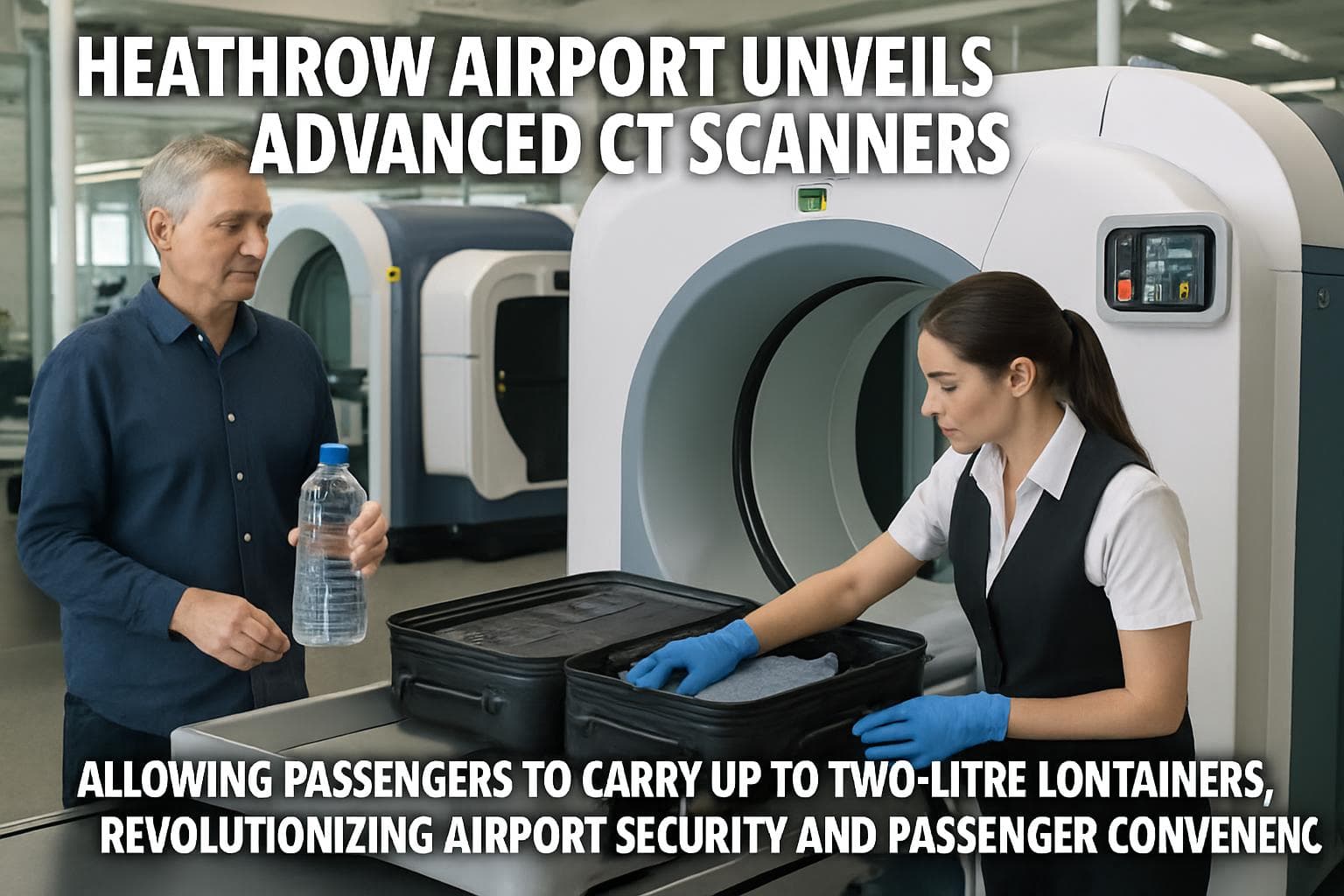
Heathrow Airport has revolutionized passenger convenience by scrapping the long-standing 100ml liquid limit for cabin bags, following the installation of advanced CT scanners. This significant change allows travelers to carry liquid containers of up to two litres without the need for clear plastic bags, marking a major shift in airport security protocols.
A Technological Leap in Airport Security
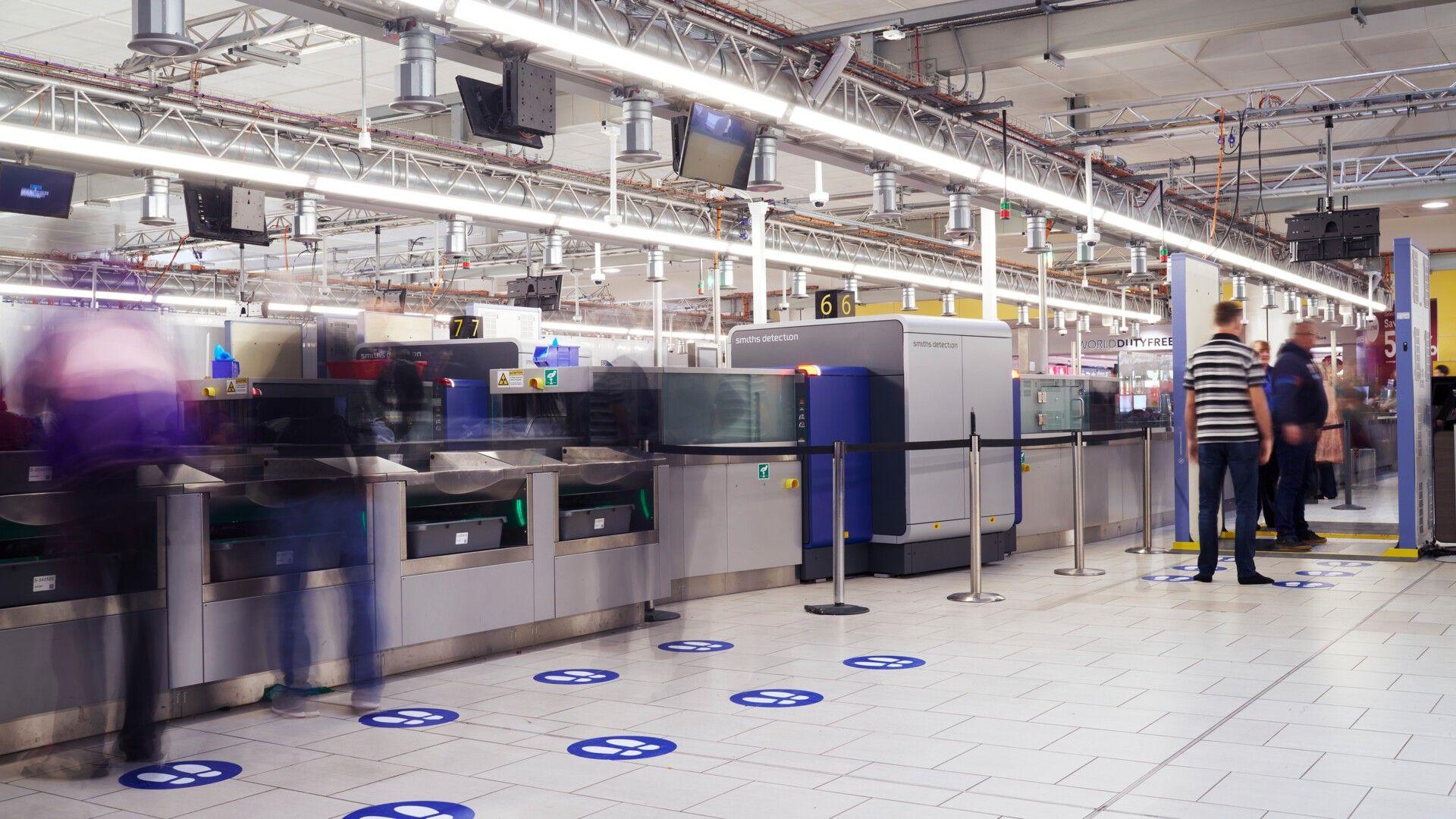
The introduction of CT scanners at Heathrow, the UK's largest airport, represents a £1 billion investment in security technology. These scanners provide a 3D image of the contents of passengers' bags, eliminating the need to remove liquids and electronics during security checks. Heathrow CEO Thomas Woldbye emphasized the benefits, stating, "Every Heathrow passenger can now leave their liquids and laptops in their bags at security, meaning less time preparing for security and more time enjoying their journey."
Broader Adoption Across UK Airports
While Heathrow leads the charge, other UK airports such as Gatwick, Edinburgh, and Birmingham have also adopted the new technology, though some await regulatory approval to implement similar changes. The rollout faced delays, initially set for completion by December 2022, but extended to June 2024 due to pandemic-related disruptions. This has resulted in a patchwork of regulations, with some airports still enforcing the 100ml limit.
Environmental and Efficiency Gains
The new scanners not only enhance security efficiency but also have environmental benefits. Heathrow estimates that the change will save nearly 16 million plastic bags annually. However, passengers are advised to check the liquid restrictions at their destination airports, as the new rules apply only to outbound flights from Heathrow.
Historical Context and Future Prospects
The 100ml liquid limit was introduced in 2006 following a foiled transatlantic bomb plot. The recent technological upgrade marks the most significant change in airport security rules in decades, as noted by former Transport Secretary Mark Harper. Despite the advancements, the inconsistency in regulations across airports continues to pose challenges for travelers.
WHAT THIS MIGHT MEAN
The lifting of the 100ml liquid limit at Heathrow could set a precedent for other major airports worldwide, potentially leading to a global shift in airport security protocols. However, the inconsistency in regulations across UK airports may continue to cause confusion among travelers. Experts suggest that a unified approach, supported by government approval, is essential for seamless implementation. As technology advances, airports may increasingly adopt similar systems, balancing security with passenger convenience and environmental considerations.
Images from the Web
Related Articles

Unlawful Ban on Palestine Action and Other UK Political Developments
Heathrow Airport's Crowding Issue: A Matter of Direction, Not Density

Heathrow Expansion Plans Spark Debate Amid Competing Proposals
Heathrow Faces Financial and Operational Challenges Following Substation Fire
Heathrow's Proposed Fee Hike Sparks Airline Backlash
UK Faces Record-Breaking Christmas Eve Travel Surge
Heathrow Airport Lifts 100ml Liquid Limit with New Security Technology
In This Article
 Himanshu Kaushik| Published
 HIGHLIGHTS
- Heathrow Airport has lifted the 100ml liquid limit in cabin bags, allowing containers up to two litres, thanks to new CT scanner technology.
- The change applies only to outbound flights from Heathrow; passengers should verify restrictions at their return airports.
- Other UK airports like Gatwick and Edinburgh have also adopted the technology, but some still await government approval to change liquid limits.
- The new scanners aim to enhance security efficiency and reduce the use of plastic bags, potentially saving 16 million bags annually.
- The rollout faced delays due to the pandemic, with the original 2022 deadline extended to June 2024, causing a patchwork of rules across UK airports.
Heathrow Airport has revolutionized passenger convenience by scrapping the long-standing 100ml liquid limit for cabin bags, following the installation of advanced CT scanners. This significant change allows travelers to carry liquid containers of up to two litres without the need for clear plastic bags, marking a major shift in airport security protocols.
A Technological Leap in Airport Security
The introduction of CT scanners at Heathrow, the UK's largest airport, represents a £1 billion investment in security technology. These scanners provide a 3D image of the contents of passengers' bags, eliminating the need to remove liquids and electronics during security checks. Heathrow CEO Thomas Woldbye emphasized the benefits, stating, "Every Heathrow passenger can now leave their liquids and laptops in their bags at security, meaning less time preparing for security and more time enjoying their journey."
Broader Adoption Across UK Airports
While Heathrow leads the charge, other UK airports such as Gatwick, Edinburgh, and Birmingham have also adopted the new technology, though some await regulatory approval to implement similar changes. The rollout faced delays, initially set for completion by December 2022, but extended to June 2024 due to pandemic-related disruptions. This has resulted in a patchwork of regulations, with some airports still enforcing the 100ml limit.
Environmental and Efficiency Gains
The new scanners not only enhance security efficiency but also have environmental benefits. Heathrow estimates that the change will save nearly 16 million plastic bags annually. However, passengers are advised to check the liquid restrictions at their destination airports, as the new rules apply only to outbound flights from Heathrow.
Historical Context and Future Prospects
The 100ml liquid limit was introduced in 2006 following a foiled transatlantic bomb plot. The recent technological upgrade marks the most significant change in airport security rules in decades, as noted by former Transport Secretary Mark Harper. Despite the advancements, the inconsistency in regulations across airports continues to pose challenges for travelers.
WHAT THIS MIGHT MEAN
The lifting of the 100ml liquid limit at Heathrow could set a precedent for other major airports worldwide, potentially leading to a global shift in airport security protocols. However, the inconsistency in regulations across UK airports may continue to cause confusion among travelers. Experts suggest that a unified approach, supported by government approval, is essential for seamless implementation. As technology advances, airports may increasingly adopt similar systems, balancing security with passenger convenience and environmental considerations.
Images from the Web
Related Articles
Unlawful Ban on Palestine Action and Other UK Political Developments
Heathrow Airport's Crowding Issue: A Matter of Direction, Not Density
Heathrow Expansion Plans Spark Debate Amid Competing Proposals
Heathrow Faces Financial and Operational Challenges Following Substation Fire
Heathrow's Proposed Fee Hike Sparks Airline Backlash
UK Faces Record-Breaking Christmas Eve Travel Surge