
Breeding Success Offers Hope for Endangered Dunlin in the Cumbrian Pennines
In This Article
HIGHLIGHTS
- A recent RSPB survey discovered breeding dunlin chicks at High Helbeck Estate, indicating successful conservation efforts.
- The dunlin, classified as near threatened on the IUCN Red List, has seen a decline in breeding pairs due to habitat degradation.
- Conservationists utilized drones and traditional methods to survey 14 areas, finding dunlins in eight, correlating with habitat quality.
- Landowners Nicolete and Ben Blackett-Ord have restored 79 hectares of peatland and created 25 wader scrapes to support the birds.
- The dunlins' annual migration from the UK to West Africa highlights the importance of international conservation collaboration.
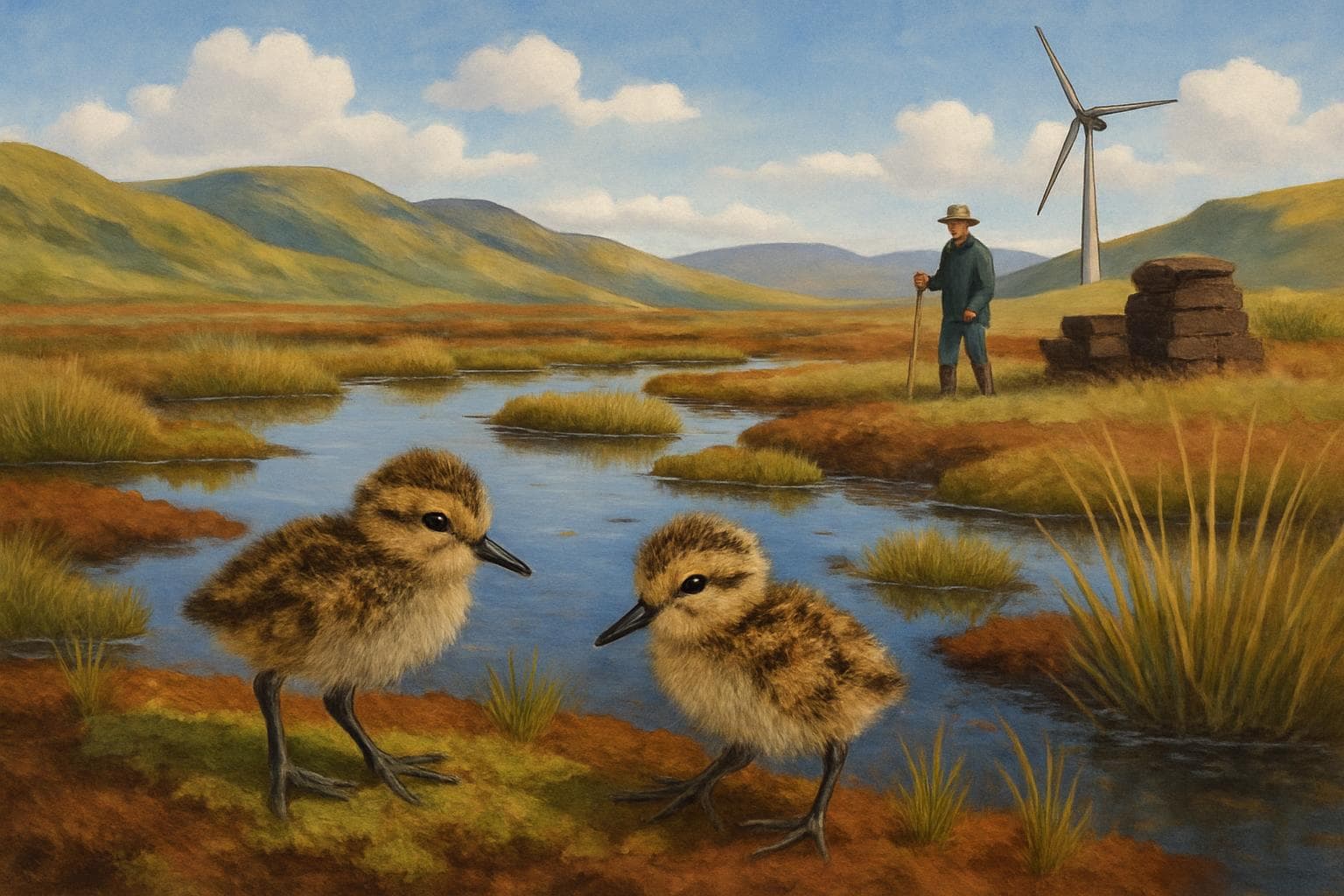
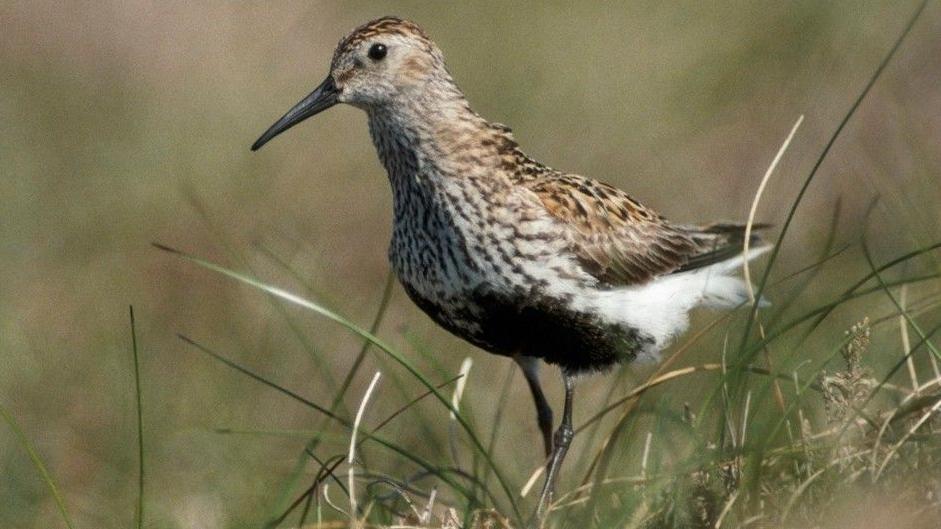
In a promising development for one of the UK's rarest wading birds, a recent survey by the Royal Society for the Protection of Birds (RSPB) has revealed successful breeding of dunlin chicks at High Helbeck Estate in the Cumbrian Pennines. This discovery marks a significant milestone in ongoing conservation efforts aimed at preserving the species, which is currently classified as near threatened on the International Union for Conservation of Nature (IUCN) Red List.
Conservation Efforts in the North Pennines
The RSPB, in collaboration with local landowners Nicolete and Ben Blackett-Ord, has been working tirelessly to restore and enhance the habitat for these endangered birds. Over the years, the Blackett-Ords have transformed 79 hectares of peatland and established 25 new wader scrapes—shallow pools that provide essential feeding grounds for the dunlins. "It has been extremely rewarding to take part in this project," said Nicolete Blackett-Ord, emphasizing the importance of habitat preservation for the species' survival.
Innovative Survey Techniques
The survey, funded by Natural England, employed a combination of traditional field methods and modern technology, including drones and motion cameras, to explore 14 locations across the Pennines. The findings were encouraging, with dunlins detected in eight of the surveyed areas, underscoring the correlation between high-quality habitats and the presence of these birds. Kath Milnes, a higher officer for Natural England in Cumbria, highlighted the broader benefits of such conservation initiatives, stating, "Investing in nature delivers multiple benefits for everyone."
The Dunlins' Remarkable Journey
Dunlins are known for their extraordinary migratory patterns, traveling thousands of miles from the UK to wintering grounds in West Africa. This annual journey underscores the critical need for international cooperation in conservation efforts. The decline in their numbers, attributed to habitat degradation and climate change, has prompted urgent calls for action from conservationists.
WHAT THIS MIGHT MEAN
The successful breeding of dunlins in the Cumbrian Pennines represents a beacon of hope for conservationists, but challenges remain. Continued habitat restoration and international collaboration are essential to ensure the long-term survival of this species. As climate change and land-use pressures persist, the role of innovative conservation strategies and partnerships will be crucial. Experts suggest that expanding such efforts across other regions could further bolster the dunlin population and contribute to broader biodiversity goals.
Images from the Web
Related Articles

UK Government Eases Deer Culling to Protect Woodlands and Farmland
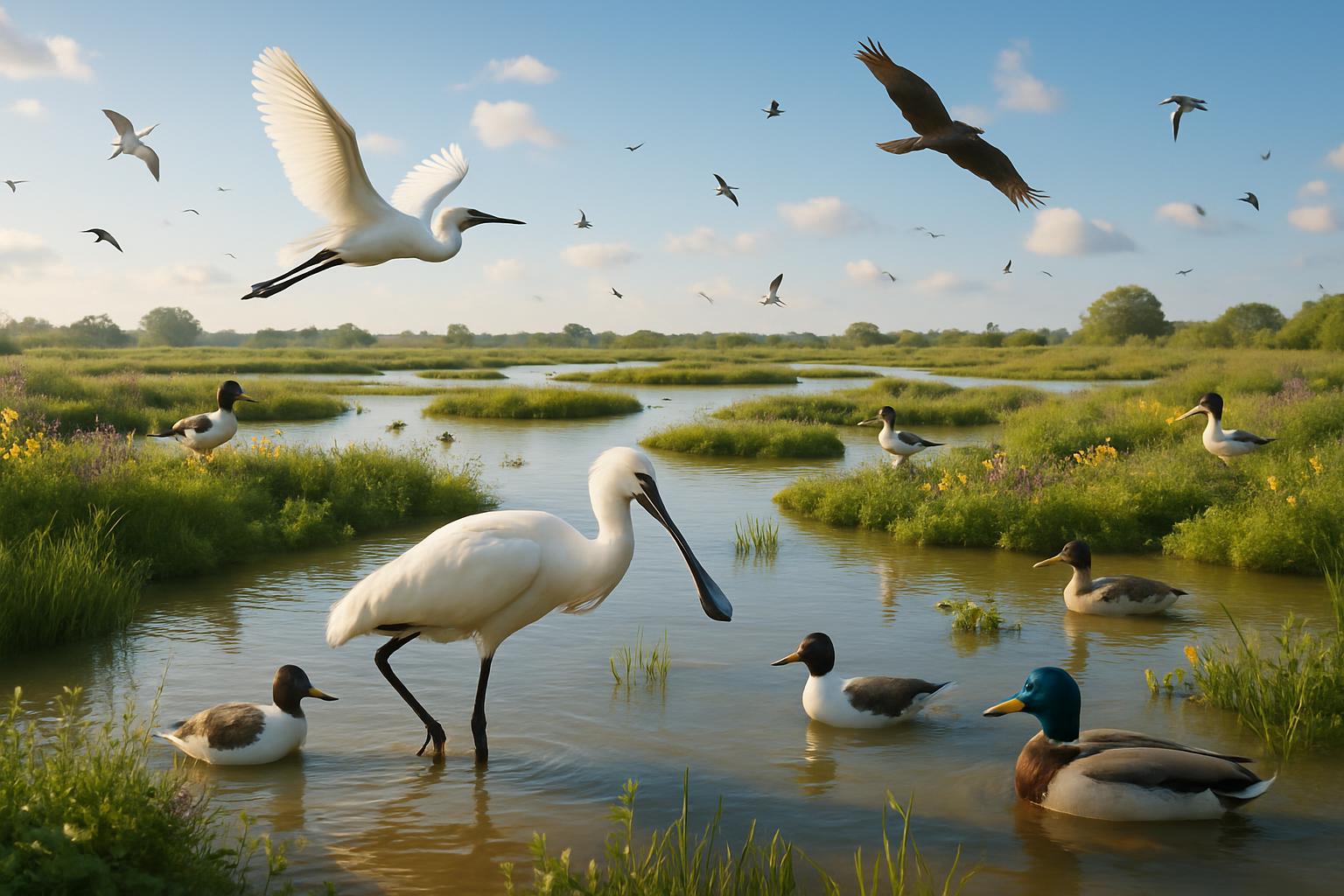
Wallasea Island: A Flourishing Bird Sanctuary Born from Elizabeth Line Excavations

UK's First Nature Towns Receive Green Funding Boost

Parents Sue Meta Over Teen's Sextortion-Linked Death, Sparking Legal Precedent
Disappearance of White-Tailed Eagles Sparks Nationwide Investigation

Benin's Government Thwarts Coup Attempt Amid Regional Instability
Breeding Success Offers Hope for Endangered Dunlin in the Cumbrian Pennines
In This Article
 Leila Hassan| Published
 HIGHLIGHTS
- A recent RSPB survey discovered breeding dunlin chicks at High Helbeck Estate, indicating successful conservation efforts.
- The dunlin, classified as near threatened on the IUCN Red List, has seen a decline in breeding pairs due to habitat degradation.
- Conservationists utilized drones and traditional methods to survey 14 areas, finding dunlins in eight, correlating with habitat quality.
- Landowners Nicolete and Ben Blackett-Ord have restored 79 hectares of peatland and created 25 wader scrapes to support the birds.
- The dunlins' annual migration from the UK to West Africa highlights the importance of international conservation collaboration.
In a promising development for one of the UK's rarest wading birds, a recent survey by the Royal Society for the Protection of Birds (RSPB) has revealed successful breeding of dunlin chicks at High Helbeck Estate in the Cumbrian Pennines. This discovery marks a significant milestone in ongoing conservation efforts aimed at preserving the species, which is currently classified as near threatened on the International Union for Conservation of Nature (IUCN) Red List.
Conservation Efforts in the North Pennines
The RSPB, in collaboration with local landowners Nicolete and Ben Blackett-Ord, has been working tirelessly to restore and enhance the habitat for these endangered birds. Over the years, the Blackett-Ords have transformed 79 hectares of peatland and established 25 new wader scrapes—shallow pools that provide essential feeding grounds for the dunlins. "It has been extremely rewarding to take part in this project," said Nicolete Blackett-Ord, emphasizing the importance of habitat preservation for the species' survival.
Innovative Survey Techniques
The survey, funded by Natural England, employed a combination of traditional field methods and modern technology, including drones and motion cameras, to explore 14 locations across the Pennines. The findings were encouraging, with dunlins detected in eight of the surveyed areas, underscoring the correlation between high-quality habitats and the presence of these birds. Kath Milnes, a higher officer for Natural England in Cumbria, highlighted the broader benefits of such conservation initiatives, stating, "Investing in nature delivers multiple benefits for everyone."
The Dunlins' Remarkable Journey
Dunlins are known for their extraordinary migratory patterns, traveling thousands of miles from the UK to wintering grounds in West Africa. This annual journey underscores the critical need for international cooperation in conservation efforts. The decline in their numbers, attributed to habitat degradation and climate change, has prompted urgent calls for action from conservationists.
WHAT THIS MIGHT MEAN
The successful breeding of dunlins in the Cumbrian Pennines represents a beacon of hope for conservationists, but challenges remain. Continued habitat restoration and international collaboration are essential to ensure the long-term survival of this species. As climate change and land-use pressures persist, the role of innovative conservation strategies and partnerships will be crucial. Experts suggest that expanding such efforts across other regions could further bolster the dunlin population and contribute to broader biodiversity goals.
Images from the Web
Related Articles
UK Government Eases Deer Culling to Protect Woodlands and Farmland
Wallasea Island: A Flourishing Bird Sanctuary Born from Elizabeth Line Excavations
UK's First Nature Towns Receive Green Funding Boost
Parents Sue Meta Over Teen's Sextortion-Linked Death, Sparking Legal Precedent
Disappearance of White-Tailed Eagles Sparks Nationwide Investigation
Benin's Government Thwarts Coup Attempt Amid Regional Instability