
UK's First Nature Towns Receive Green Funding Boost

In This Article
HIGHLIGHTS
- Bournemouth, Christchurch, and Poole have been designated as the UK's first official Nature Towns, receiving part of a £15.5 million investment.
- The initiative, led by Natural England and the National Trust, aims to enhance green spaces in 40 towns and cities across the UK.
- The project seeks to raise £1 billion by 2035 to provide green space access to 5 million people and nature play opportunities for 1 million children.
- Portsmouth and other areas will use the funding to develop green infrastructure, such as rain gardens and wildlife corridors.
- The initiative addresses the lack of accessible green spaces in urban areas, with a focus on environmental justice and community involvement.
In a landmark move to integrate nature into urban living, Bournemouth, Christchurch, and Poole have been named the UK's first official Nature Towns. This recognition comes as part of a broader initiative to invest £15.5 million in enhancing green spaces across 40 towns and cities in the UK. Spearheaded by a coalition including Natural England and the National Trust, the project aims to transform urban environments by 2035.
A Green Vision for Urban Areas
The Nature Towns and Cities initiative is part of a larger mission to raise £1 billion, with the goal of providing green space access to 5 million people and creating opportunities for 1 million children to engage with nature. Hilary McGrady, Director General of the National Trust, emphasized the importance of this mission, stating, "Everyone, everywhere should have easy and local access to nature and green spaces."
Local Impact and Community Involvement
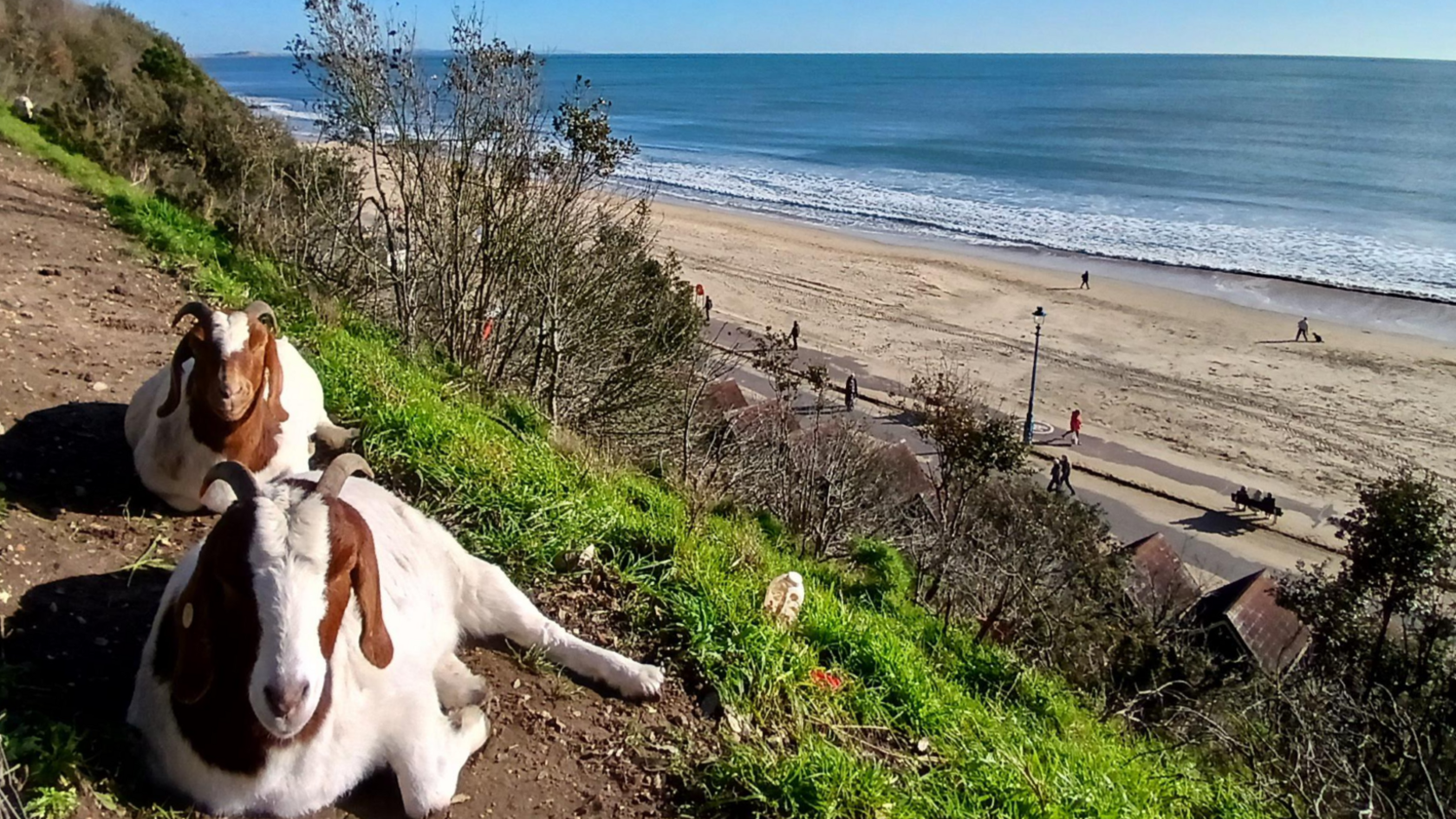
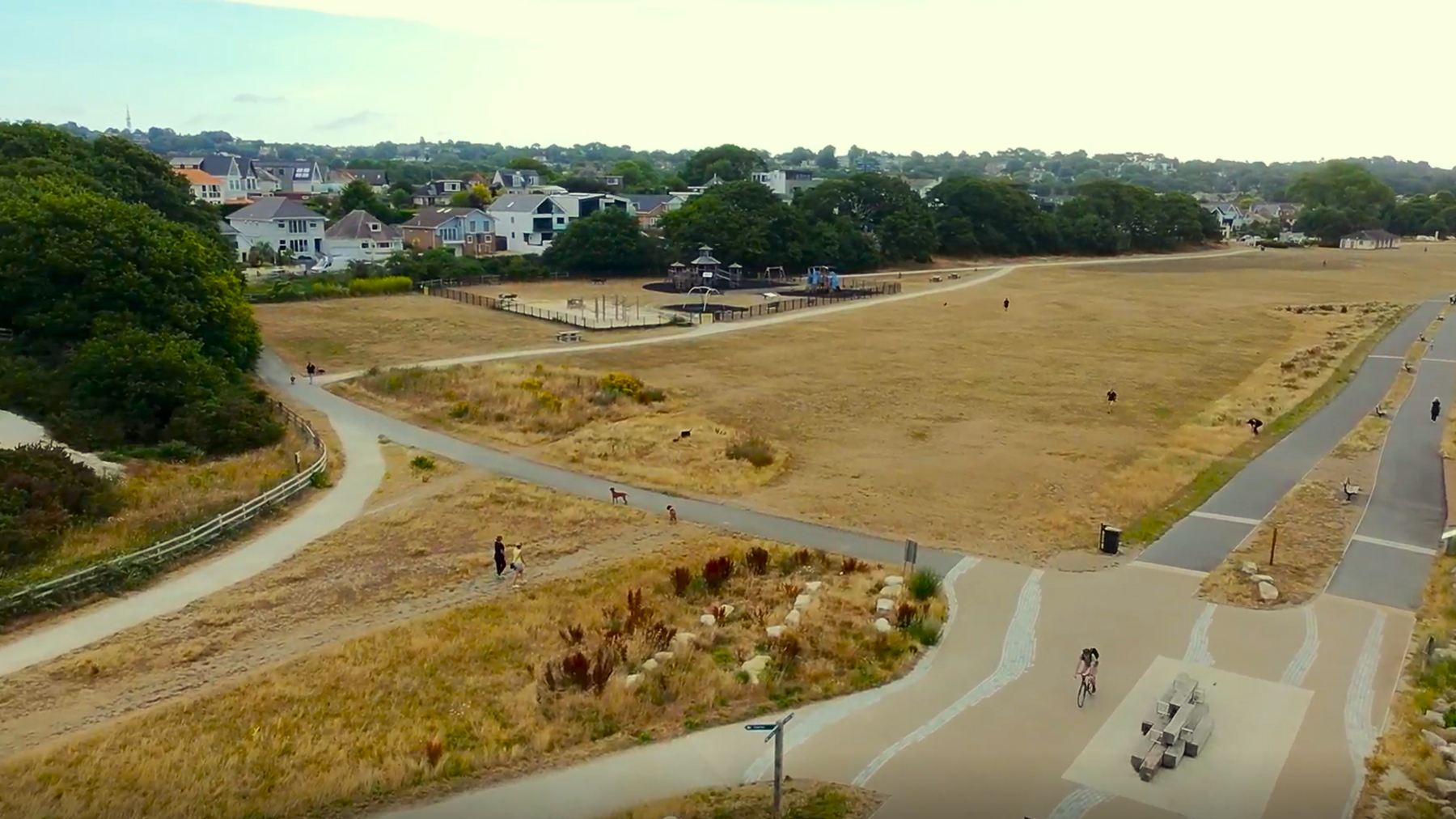
The funding will support a variety of projects, from large regional parks to micro green spaces along canals and rivers. In Bournemouth, Christchurch, and Poole, efforts include conservation grazing and peatland restoration. Portsmouth will focus on developing green infrastructure, such as rain gardens and wildlife corridors, to enhance urban biodiversity and reduce flooding risks.
Addressing Environmental Justice
The initiative also highlights the need for environmental justice, particularly in underserved communities. Projects in areas like Lewisham will focus on historically marginalized groups, while North Lanarkshire will create an environmental justice map to identify areas of greatest need. The introduction of a "greening permit" scheme in Bristol will empower residents to cultivate public spaces, fostering community engagement.
A Broader Coalition for Change
The coalition aims to expand its reach by attracting private, philanthropic, and public funding. This collaborative effort seeks to address the neglect of green spaces due to past local authority budget cuts, ensuring that urban populations have access to nature within a short walk from their homes.
WHAT THIS MIGHT MEAN
The designation of Nature Towns marks a significant step towards reimagining urban landscapes in the UK. As the initiative progresses, it could serve as a model for other countries looking to integrate nature into urban planning. The success of this project will depend on continued collaboration between government bodies, environmental organizations, and local communities. If the coalition successfully raises the targeted £1 billion, it could lead to a transformative shift in how urban areas are designed, prioritizing sustainability and accessibility. However, challenges remain, including securing long-term funding and ensuring equitable distribution of resources to underserved areas.
Images from the Web
Related Articles
UK Government Eases Deer Culling to Protect Woodlands and Farmland

UK Reinforces Military Presence in Cyprus Amid Middle East Tensions

Police Federation Chief Arrested Amid Fraud Investigation

Canada and Australia Forge Strategic Partnership Amid Global Uncertainty
UK Government to Reform Asylum Seeker Support and Employment Policies
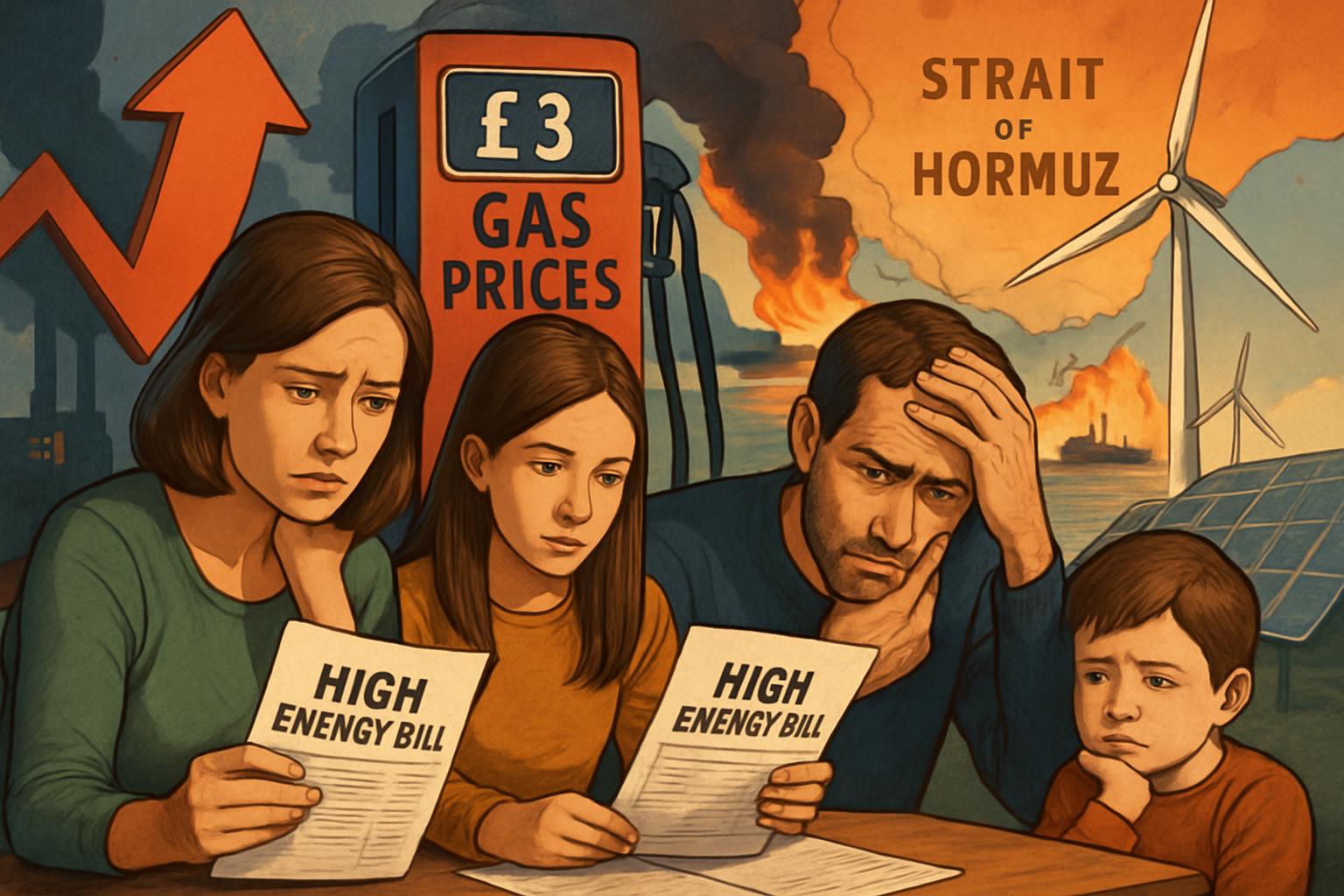
Middle East Conflict Drives UK Energy Prices to New Highs
UK's First Nature Towns Receive Green Funding Boost
In This Article
 Leila Hassan| Published
 HIGHLIGHTS
- Bournemouth, Christchurch, and Poole have been designated as the UK's first official Nature Towns, receiving part of a £15.5 million investment.
- The initiative, led by Natural England and the National Trust, aims to enhance green spaces in 40 towns and cities across the UK.
- The project seeks to raise £1 billion by 2035 to provide green space access to 5 million people and nature play opportunities for 1 million children.
- Portsmouth and other areas will use the funding to develop green infrastructure, such as rain gardens and wildlife corridors.
- The initiative addresses the lack of accessible green spaces in urban areas, with a focus on environmental justice and community involvement.
In a landmark move to integrate nature into urban living, Bournemouth, Christchurch, and Poole have been named the UK's first official Nature Towns. This recognition comes as part of a broader initiative to invest £15.5 million in enhancing green spaces across 40 towns and cities in the UK. Spearheaded by a coalition including Natural England and the National Trust, the project aims to transform urban environments by 2035.
A Green Vision for Urban Areas
The Nature Towns and Cities initiative is part of a larger mission to raise £1 billion, with the goal of providing green space access to 5 million people and creating opportunities for 1 million children to engage with nature. Hilary McGrady, Director General of the National Trust, emphasized the importance of this mission, stating, "Everyone, everywhere should have easy and local access to nature and green spaces."
Local Impact and Community Involvement
The funding will support a variety of projects, from large regional parks to micro green spaces along canals and rivers. In Bournemouth, Christchurch, and Poole, efforts include conservation grazing and peatland restoration. Portsmouth will focus on developing green infrastructure, such as rain gardens and wildlife corridors, to enhance urban biodiversity and reduce flooding risks.
Addressing Environmental Justice
The initiative also highlights the need for environmental justice, particularly in underserved communities. Projects in areas like Lewisham will focus on historically marginalized groups, while North Lanarkshire will create an environmental justice map to identify areas of greatest need. The introduction of a "greening permit" scheme in Bristol will empower residents to cultivate public spaces, fostering community engagement.
A Broader Coalition for Change
The coalition aims to expand its reach by attracting private, philanthropic, and public funding. This collaborative effort seeks to address the neglect of green spaces due to past local authority budget cuts, ensuring that urban populations have access to nature within a short walk from their homes.
WHAT THIS MIGHT MEAN
The designation of Nature Towns marks a significant step towards reimagining urban landscapes in the UK. As the initiative progresses, it could serve as a model for other countries looking to integrate nature into urban planning. The success of this project will depend on continued collaboration between government bodies, environmental organizations, and local communities. If the coalition successfully raises the targeted £1 billion, it could lead to a transformative shift in how urban areas are designed, prioritizing sustainability and accessibility. However, challenges remain, including securing long-term funding and ensuring equitable distribution of resources to underserved areas.
Images from the Web
Related Articles
UK Government Eases Deer Culling to Protect Woodlands and Farmland
UK Reinforces Military Presence in Cyprus Amid Middle East Tensions
Police Federation Chief Arrested Amid Fraud Investigation
Canada and Australia Forge Strategic Partnership Amid Global Uncertainty
UK Government to Reform Asylum Seeker Support and Employment Policies
Middle East Conflict Drives UK Energy Prices to New Highs