
Wallasea Island: A Flourishing Bird Sanctuary Born from Elizabeth Line Excavations
In This Article
HIGHLIGHTS
- Wallasea Island in Essex has transformed into a thriving bird sanctuary, hosting nearly 40,000 birds, thanks to soil from the Elizabeth line project.
- The RSPB used over three million tonnes of earth from Crossrail excavations to create wetlands, lagoons, and salt marshes on the island.
- The project, initiated in the mid-2000s, involved removing sea walls in 2015, allowing the sea to return to the island for the first time in 400 years.
- The site now serves as a natural flood defense and a crucial stopover for migratory birds along the east Atlantic flyway.
- RSPB officials highlight the project as a successful collaboration between construction and nature restoration, benefiting both wildlife and local communities.
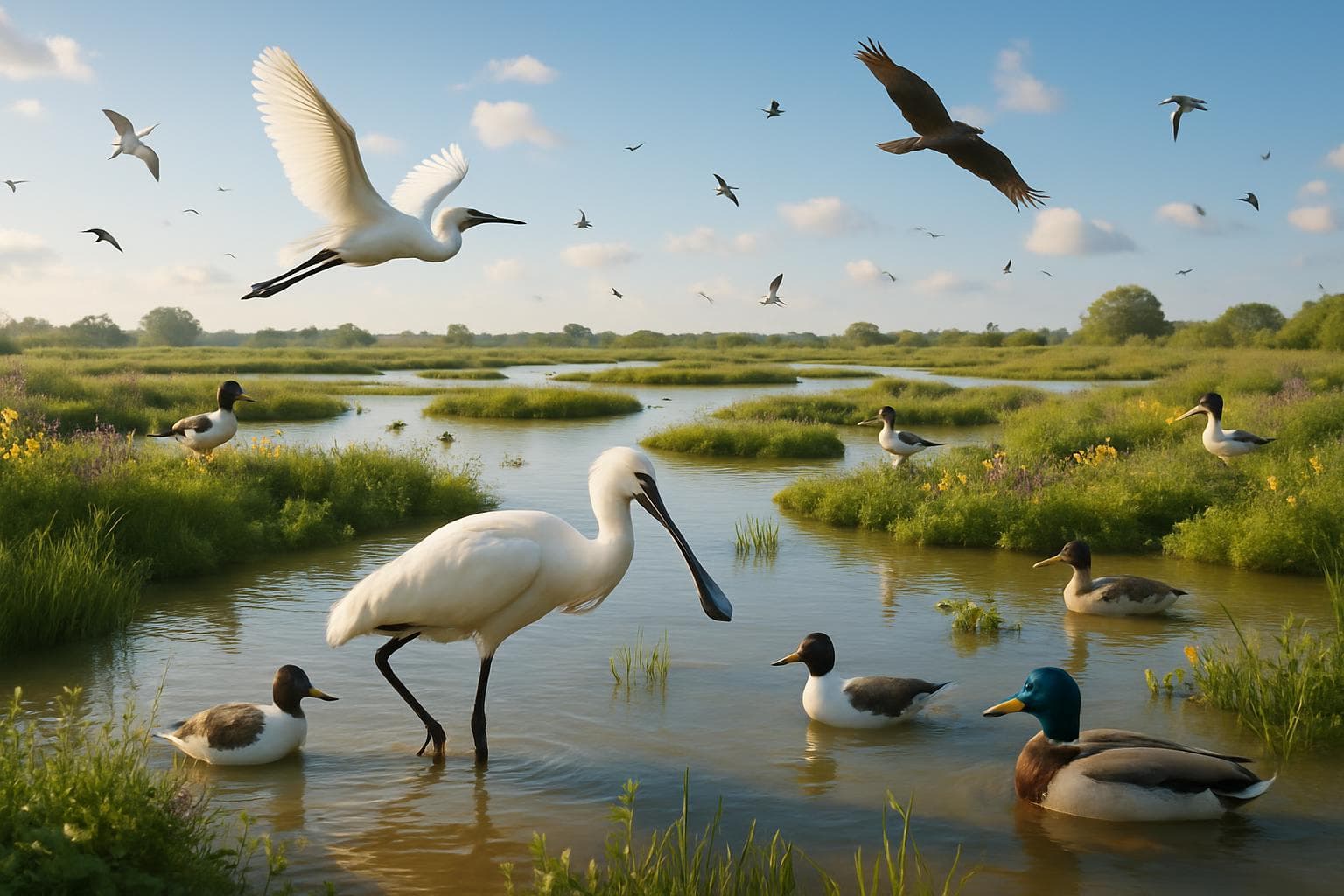
Wallasea Island in Essex has become a beacon of environmental restoration, transforming from a barren landscape into a thriving bird sanctuary. This remarkable change is attributed to the innovative use of over three million tonnes of soil excavated from the Elizabeth line, a major infrastructure project in London. The Royal Society for the Protection of Birds (RSPB) spearheaded this initiative, turning the island into a haven for nearly 40,000 birds.
A Decade of Transformation
The RSPB acquired Wallasea Island in the mid-2000s with a vision to restore its natural habitat. By 2015, the charity had removed parts of the sea wall, allowing the sea to flow back onto the island for the first time in four centuries. This re-wetting process created a mosaic of lagoons, salt marshes, and mudflats, ideal for wetland birds to feed, nest, and refuel.
A Sanctuary for Wildlife
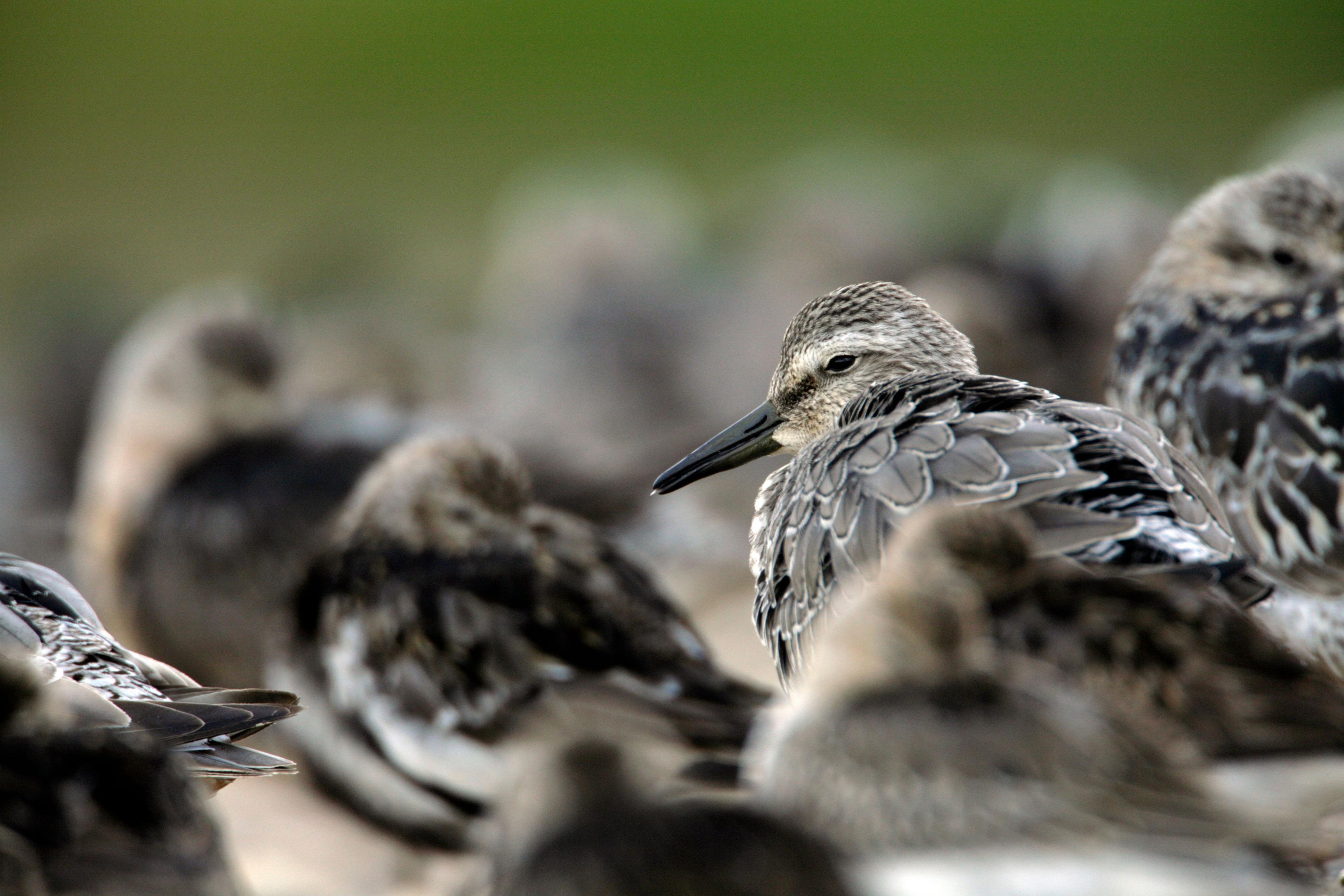
Today, the island hosts an impressive array of bird species, including nearly 800 Avocets, over 10,000 Knot, and close to 3,000 Grey Plovers and Bar-tailed Godwits. The site has become a critical stopover for migratory birds along the east Atlantic flyway, providing a refuge during their long journeys.
A Model for Sustainable Development
The Wallasea Island project exemplifies how construction and environmental conservation can coexist. Milo Sumner, RSPB England's coastal programmes manager, emphasized the project's success, stating, "Wallasea shows what's possible when business works alongside nature." The initiative not only supports wildlife but also offers natural flood defenses, protecting local communities from storm surges and rising water levels.
Community and Environmental Impact
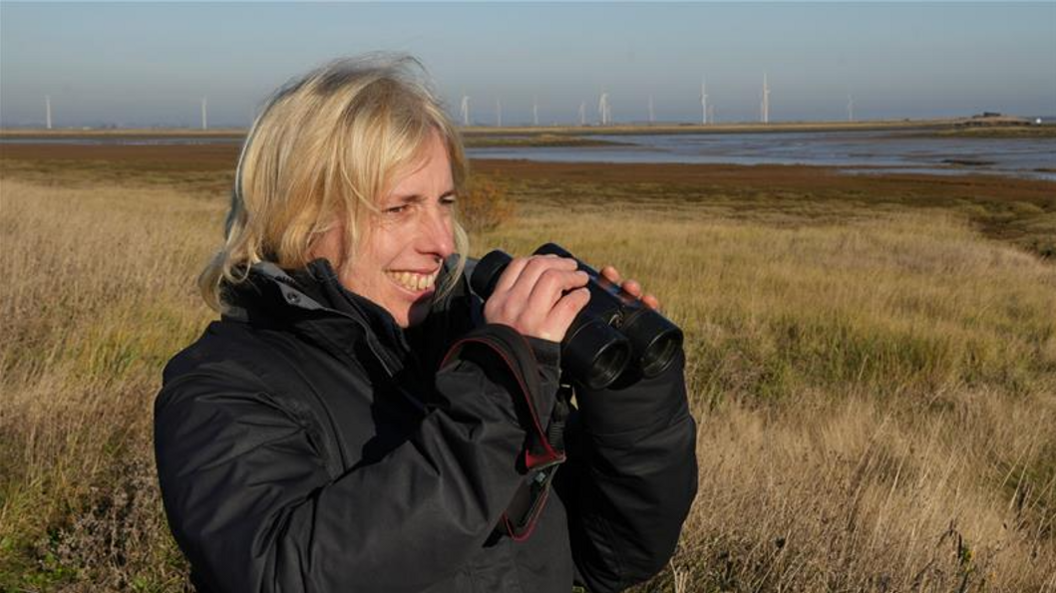
Rachael Fancy, the site manager, reflected on the island's transformation: "When I first started, it looked like a construction site. Now, it's a refuge for thousands of birds." The project has been hailed as a win for both nature and people, demonstrating the potential of collaborative efforts in environmental conservation.
WHAT THIS MIGHT MEAN
The success of Wallasea Island could pave the way for similar projects, where construction waste is repurposed for environmental restoration. As climate change continues to threaten natural habitats, such initiatives may become increasingly vital. Experts suggest that this model could inspire future collaborations between infrastructure projects and conservation efforts, potentially leading to more sustainable development practices. Additionally, the project highlights the importance of creating natural flood defenses, which could be crucial in mitigating the impacts of climate change on coastal communities.
Images from the Web
Related Articles
New Swimming Sites Proposed to Boost Water Quality Across England

UK Authorities Warn Against Dangerous Illegal Skin Lightening Products

Labour MP's Husband Arrested in UK-China Espionage Probe

Bafta Film Awards 2023: A Night of Glamour, Talent, and Fashion Statements

Nottingham Attacks Inquiry: Families Demand Accountability and Truth

Bafta Film Awards 2026: A Night of Glamour and Identity Challenges
Wallasea Island: A Flourishing Bird Sanctuary Born from Elizabeth Line Excavations
In This Article
 Leila Hassan| Published
 HIGHLIGHTS
- Wallasea Island in Essex has transformed into a thriving bird sanctuary, hosting nearly 40,000 birds, thanks to soil from the Elizabeth line project.
- The RSPB used over three million tonnes of earth from Crossrail excavations to create wetlands, lagoons, and salt marshes on the island.
- The project, initiated in the mid-2000s, involved removing sea walls in 2015, allowing the sea to return to the island for the first time in 400 years.
- The site now serves as a natural flood defense and a crucial stopover for migratory birds along the east Atlantic flyway.
- RSPB officials highlight the project as a successful collaboration between construction and nature restoration, benefiting both wildlife and local communities.
Wallasea Island in Essex has become a beacon of environmental restoration, transforming from a barren landscape into a thriving bird sanctuary. This remarkable change is attributed to the innovative use of over three million tonnes of soil excavated from the Elizabeth line, a major infrastructure project in London. The Royal Society for the Protection of Birds (RSPB) spearheaded this initiative, turning the island into a haven for nearly 40,000 birds.
A Decade of Transformation
The RSPB acquired Wallasea Island in the mid-2000s with a vision to restore its natural habitat. By 2015, the charity had removed parts of the sea wall, allowing the sea to flow back onto the island for the first time in four centuries. This re-wetting process created a mosaic of lagoons, salt marshes, and mudflats, ideal for wetland birds to feed, nest, and refuel.
A Sanctuary for Wildlife
Today, the island hosts an impressive array of bird species, including nearly 800 Avocets, over 10,000 Knot, and close to 3,000 Grey Plovers and Bar-tailed Godwits. The site has become a critical stopover for migratory birds along the east Atlantic flyway, providing a refuge during their long journeys.
A Model for Sustainable Development
The Wallasea Island project exemplifies how construction and environmental conservation can coexist. Milo Sumner, RSPB England's coastal programmes manager, emphasized the project's success, stating, "Wallasea shows what's possible when business works alongside nature." The initiative not only supports wildlife but also offers natural flood defenses, protecting local communities from storm surges and rising water levels.
Community and Environmental Impact
Rachael Fancy, the site manager, reflected on the island's transformation: "When I first started, it looked like a construction site. Now, it's a refuge for thousands of birds." The project has been hailed as a win for both nature and people, demonstrating the potential of collaborative efforts in environmental conservation.
WHAT THIS MIGHT MEAN
The success of Wallasea Island could pave the way for similar projects, where construction waste is repurposed for environmental restoration. As climate change continues to threaten natural habitats, such initiatives may become increasingly vital. Experts suggest that this model could inspire future collaborations between infrastructure projects and conservation efforts, potentially leading to more sustainable development practices. Additionally, the project highlights the importance of creating natural flood defenses, which could be crucial in mitigating the impacts of climate change on coastal communities.
Images from the Web
Related Articles
New Swimming Sites Proposed to Boost Water Quality Across England
UK Authorities Warn Against Dangerous Illegal Skin Lightening Products
Labour MP's Husband Arrested in UK-China Espionage Probe
Bafta Film Awards 2023: A Night of Glamour, Talent, and Fashion Statements
Nottingham Attacks Inquiry: Families Demand Accountability and Truth
Bafta Film Awards 2026: A Night of Glamour and Identity Challenges