
Ian Cooper Removed from Reform UK Amid Racism Allegations
In This Article
HIGHLIGHTS
- Ian Cooper, leader of Staffordshire County Council, has been removed from Reform UK following allegations of racist social media posts.
- Cooper allegedly made derogatory remarks about public figures, including Sadiq Khan and David Lammy, and criticized diversity initiatives.
- Reform UK cited Cooper's failure to declare social media accounts during vetting as a reason for revoking his membership.
- Nine Labour MPs and local Conservative leaders have called for Cooper's resignation from the council.
- Martin Murray has been appointed interim leader of the Reform group at Staffordshire County Council.
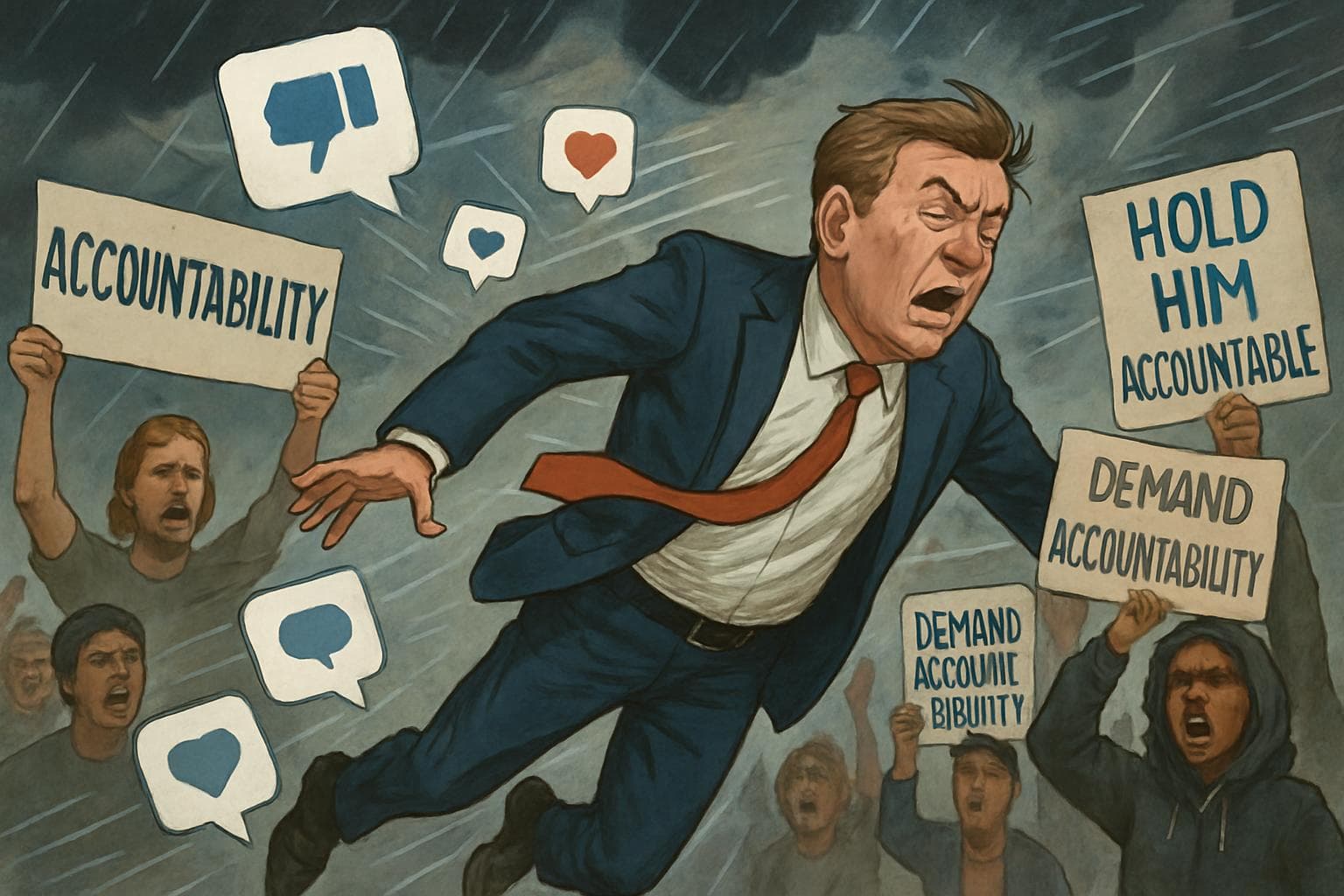
Ian Cooper, the leader of Staffordshire County Council, has been expelled from Reform UK following accusations of making racist comments on social media. The allegations, which surfaced earlier this week, have led to widespread calls for his resignation from both local and national political figures.
Allegations and Party Response
The controversy began when activist group Hope Not Hate revealed a series of social media posts allegedly linked to Cooper. These posts included derogatory remarks about prominent figures such as London Mayor Sadiq Khan and Justice Secretary David Lammy. In one post, Cooper reportedly stated that "no foreign national or first-generation migrant should be allowed to sit in Parliament." Additionally, he allegedly criticized diversity initiatives, claiming they disguised oppression.
Reform UK, led by Nigel Farage, responded by revoking Cooper's party membership. A spokesperson for the party cited Cooper's failure to declare social media accounts during the candidate vetting process as a key factor in their decision. Despite the revocation, Cooper remains the leader of Staffordshire County Council, though he is no longer the head of its Reform group.
Political Reactions
The allegations have prompted significant backlash from political leaders. Nine Labour MPs from Staffordshire have demanded Cooper's resignation, condemning his alleged far-right and racist opinions. Philip White, leader of Staffordshire's Conservative group, echoed these sentiments, stating that Cooper's removal was inevitable and calling for a review of Reform UK's operations in the region.
In response to the leadership void, Martin Murray has been appointed as the interim leader of the Reform group at Staffordshire County Council. The council is set to discuss the nomination of a new leader at its next full meeting on December 11.
Broader Context
This incident is not isolated, as two other Reform UK politicians were suspended last month over offensive messages. The party has faced increasing scrutiny over its handling of such controversies, with critics urging a comprehensive review of its practices and policies.
WHAT THIS MIGHT MEAN
The removal of Ian Cooper from Reform UK could have significant implications for the party's standing in Staffordshire and beyond. As the council prepares to elect a new leader, the focus will likely be on restoring public trust and addressing concerns about bigotry within the party. Politically, this scandal may weaken Reform UK's influence in the region, potentially benefiting rival parties in future elections.
Moreover, the incident highlights the growing importance of social media conduct in political vetting processes. As parties grapple with the challenges of monitoring online behavior, this case may prompt broader discussions about accountability and transparency in political candidacies.
Related Articles
Starmer Condemns Reform UK's Plan to Repeal Equality Act as Un-British
Government U-turn on Local Election Delays Sparks Political Fallout
Unlawful Ban on Palestine Action and Other UK Political Developments

Reform UK Aims to Reshape Welsh Politics with New Manifesto
UK Government Considers Removing Andrew Mountbatten-Windsor from Royal Succession Amid Arrest
Reform UK to Reinstate Two-Child Benefit Cap Amidst Political Controversy
Ian Cooper Removed from Reform UK Amid Racism Allegations
In This Article
 Ethan Brooks| Published
 HIGHLIGHTS
- Ian Cooper, leader of Staffordshire County Council, has been removed from Reform UK following allegations of racist social media posts.
- Cooper allegedly made derogatory remarks about public figures, including Sadiq Khan and David Lammy, and criticized diversity initiatives.
- Reform UK cited Cooper's failure to declare social media accounts during vetting as a reason for revoking his membership.
- Nine Labour MPs and local Conservative leaders have called for Cooper's resignation from the council.
- Martin Murray has been appointed interim leader of the Reform group at Staffordshire County Council.
Ian Cooper, the leader of Staffordshire County Council, has been expelled from Reform UK following accusations of making racist comments on social media. The allegations, which surfaced earlier this week, have led to widespread calls for his resignation from both local and national political figures.
Allegations and Party Response
The controversy began when activist group Hope Not Hate revealed a series of social media posts allegedly linked to Cooper. These posts included derogatory remarks about prominent figures such as London Mayor Sadiq Khan and Justice Secretary David Lammy. In one post, Cooper reportedly stated that "no foreign national or first-generation migrant should be allowed to sit in Parliament." Additionally, he allegedly criticized diversity initiatives, claiming they disguised oppression.
Reform UK, led by Nigel Farage, responded by revoking Cooper's party membership. A spokesperson for the party cited Cooper's failure to declare social media accounts during the candidate vetting process as a key factor in their decision. Despite the revocation, Cooper remains the leader of Staffordshire County Council, though he is no longer the head of its Reform group.
Political Reactions
The allegations have prompted significant backlash from political leaders. Nine Labour MPs from Staffordshire have demanded Cooper's resignation, condemning his alleged far-right and racist opinions. Philip White, leader of Staffordshire's Conservative group, echoed these sentiments, stating that Cooper's removal was inevitable and calling for a review of Reform UK's operations in the region.
In response to the leadership void, Martin Murray has been appointed as the interim leader of the Reform group at Staffordshire County Council. The council is set to discuss the nomination of a new leader at its next full meeting on December 11.
Broader Context
This incident is not isolated, as two other Reform UK politicians were suspended last month over offensive messages. The party has faced increasing scrutiny over its handling of such controversies, with critics urging a comprehensive review of its practices and policies.
WHAT THIS MIGHT MEAN
The removal of Ian Cooper from Reform UK could have significant implications for the party's standing in Staffordshire and beyond. As the council prepares to elect a new leader, the focus will likely be on restoring public trust and addressing concerns about bigotry within the party. Politically, this scandal may weaken Reform UK's influence in the region, potentially benefiting rival parties in future elections.
Moreover, the incident highlights the growing importance of social media conduct in political vetting processes. As parties grapple with the challenges of monitoring online behavior, this case may prompt broader discussions about accountability and transparency in political candidacies.
Related Articles
Starmer Condemns Reform UK's Plan to Repeal Equality Act as Un-British
Government U-turn on Local Election Delays Sparks Political Fallout
Unlawful Ban on Palestine Action and Other UK Political Developments
Reform UK Aims to Reshape Welsh Politics with New Manifesto
UK Government Considers Removing Andrew Mountbatten-Windsor from Royal Succession Amid Arrest
Reform UK to Reinstate Two-Child Benefit Cap Amidst Political Controversy