
Potential Income Tax Hike Sparks Concerns Over Scotland's Funding
In This Article
HIGHLIGHTS
- Rachel Reeves hinted at a potential income tax increase in her upcoming budget to address a £30bn public finance shortfall.
- Scotland's finance secretary, Shona Robison, seeks assurances from the UK chancellor to avoid a reduction in Scotland's funding.
- A rise in the basic income tax rate could significantly impact household finances, potentially raising £6.9bn by 2026/7.
- The Block Grant Adjustment mechanism could reduce Scotland's budget by up to £1bn if the UK raises income tax without a corresponding increase in Scotland.
- Labour's potential U-turn on tax pledges could have political repercussions, especially concerning their promise to end austerity.
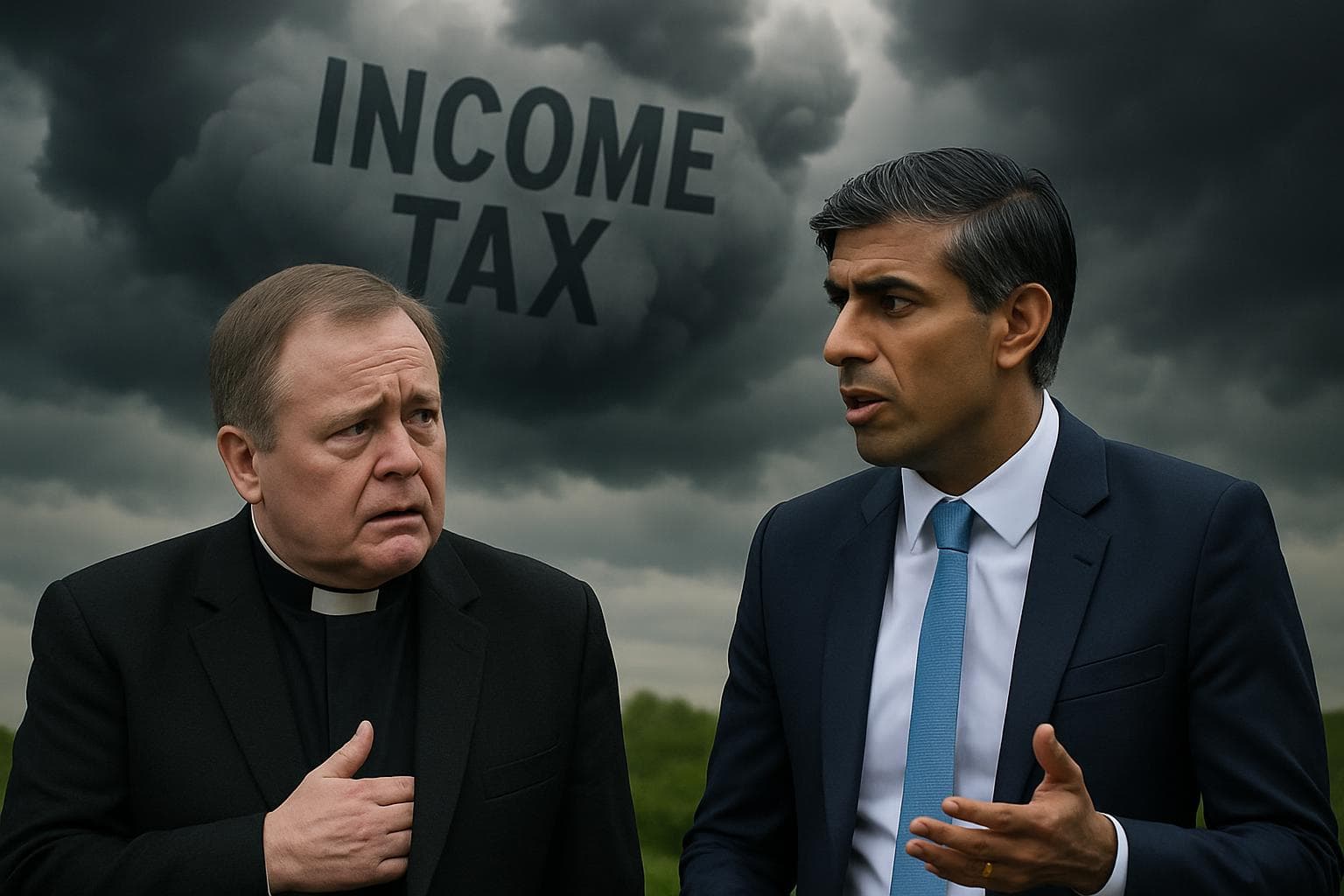
Rachel Reeves, the UK Chancellor, has signaled a possible increase in income tax in her forthcoming budget, a move that could have significant implications for both public and household finances. This potential shift comes as the government grapples with an unexpected £30bn gap in public finances, prompting speculation about a major policy U-turn from Labour's previous election manifesto promises.
Scotland's Funding at Risk
Shona Robison, Scotland's finance secretary, has expressed concerns over the potential impact of an income tax increase on Scotland's funding. Under the current Block Grant Adjustment mechanism, any rise in UK income tax could lead to a reduction in the block grant Scotland receives from Westminster unless matched by a similar increase in Scotland. Robison has requested an urgent meeting with the chancellor to seek assurances that Scotland's funding will not be adversely affected.
Impact on Public and Household Finances
The proposed tax increase could see the basic rate of income tax rise from 20% to 21%, potentially generating an additional £6.9bn by 2026/7. This change would affect taxpayers across the UK, with those earning £50,270 or more facing an annual increase of up to £377 in their tax bills. For an average UK earner making £35,000 annually, this would mean an additional £224 in taxes each year.
Political Repercussions and Fiscal Policy
The potential tax hike represents a significant shift from Labour's previous commitments not to raise income tax, VAT, or National Insurance. This move could have political ramifications, particularly in Scotland, where the government has been urged to replicate its devolved taxation system, which imposes higher taxes on higher earners. First Minister John Swinney has previously stated there were no plans to alter Scotland's tax system, but recent developments have left the door open for reconsideration.
WHAT THIS MIGHT MEAN
If Rachel Reeves proceeds with the income tax increase, it could lead to a complex interplay of fiscal and political consequences. The potential reduction in Scotland's funding might strain relations between the UK and Scottish governments, especially if assurances are not provided. Politically, Labour's shift could be perceived as a betrayal of their anti-austerity stance, potentially affecting their support base. Experts suggest that the government must carefully balance fiscal responsibility with political promises to maintain public trust and economic stability.
Related Articles

Middle East Conflict Drives UK Energy Prices to New Highs

Saharan Dust to Illuminate UK Skies with Vivid Sunrises and Sunsets
Canada and Australia Forge Strategic Partnership Amid Global Uncertainty

UK Government to Reform Asylum Seeker Support and Employment Policies

UK Faces Dilemmas Amid Iran Conflict and China Spying Allegations
UK Reinforces Military Presence in Cyprus Amid Middle East Tensions
Potential Income Tax Hike Sparks Concerns Over Scotland's Funding
In This Article
 Daniel Rivera| Published
 HIGHLIGHTS
- Rachel Reeves hinted at a potential income tax increase in her upcoming budget to address a £30bn public finance shortfall.
- Scotland's finance secretary, Shona Robison, seeks assurances from the UK chancellor to avoid a reduction in Scotland's funding.
- A rise in the basic income tax rate could significantly impact household finances, potentially raising £6.9bn by 2026/7.
- The Block Grant Adjustment mechanism could reduce Scotland's budget by up to £1bn if the UK raises income tax without a corresponding increase in Scotland.
- Labour's potential U-turn on tax pledges could have political repercussions, especially concerning their promise to end austerity.
Rachel Reeves, the UK Chancellor, has signaled a possible increase in income tax in her forthcoming budget, a move that could have significant implications for both public and household finances. This potential shift comes as the government grapples with an unexpected £30bn gap in public finances, prompting speculation about a major policy U-turn from Labour's previous election manifesto promises.
Scotland's Funding at Risk
Shona Robison, Scotland's finance secretary, has expressed concerns over the potential impact of an income tax increase on Scotland's funding. Under the current Block Grant Adjustment mechanism, any rise in UK income tax could lead to a reduction in the block grant Scotland receives from Westminster unless matched by a similar increase in Scotland. Robison has requested an urgent meeting with the chancellor to seek assurances that Scotland's funding will not be adversely affected.
Impact on Public and Household Finances
The proposed tax increase could see the basic rate of income tax rise from 20% to 21%, potentially generating an additional £6.9bn by 2026/7. This change would affect taxpayers across the UK, with those earning £50,270 or more facing an annual increase of up to £377 in their tax bills. For an average UK earner making £35,000 annually, this would mean an additional £224 in taxes each year.
Political Repercussions and Fiscal Policy
The potential tax hike represents a significant shift from Labour's previous commitments not to raise income tax, VAT, or National Insurance. This move could have political ramifications, particularly in Scotland, where the government has been urged to replicate its devolved taxation system, which imposes higher taxes on higher earners. First Minister John Swinney has previously stated there were no plans to alter Scotland's tax system, but recent developments have left the door open for reconsideration.
WHAT THIS MIGHT MEAN
If Rachel Reeves proceeds with the income tax increase, it could lead to a complex interplay of fiscal and political consequences. The potential reduction in Scotland's funding might strain relations between the UK and Scottish governments, especially if assurances are not provided. Politically, Labour's shift could be perceived as a betrayal of their anti-austerity stance, potentially affecting their support base. Experts suggest that the government must carefully balance fiscal responsibility with political promises to maintain public trust and economic stability.
Related Articles
Middle East Conflict Drives UK Energy Prices to New Highs
Saharan Dust to Illuminate UK Skies with Vivid Sunrises and Sunsets
Canada and Australia Forge Strategic Partnership Amid Global Uncertainty
UK Government to Reform Asylum Seeker Support and Employment Policies
UK Faces Dilemmas Amid Iran Conflict and China Spying Allegations
UK Reinforces Military Presence in Cyprus Amid Middle East Tensions