
India and China Seek to Mend Ties Amid Global Geopolitical Shifts
In This Article
HIGHLIGHTS
- Chinese Foreign Minister Wang Yi visited Delhi to discuss improving India-China relations, marking a potential thaw since the 2020 Galwan Valley clashes.
- Talks focused on resuming trade, direct flights, and resolving the Himalayan border dispute, with both nations aiming for a "steady development track."
- The visit precedes Indian Prime Minister Narendra Modi's anticipated trip to China for the Shanghai Cooperation Organisation summit.
- US tariffs on Indian imports have influenced India's geopolitical stance, prompting closer ties with China and Russia.
- Despite warming ties, India raised concerns over China's planned hydropower project on the Yarlung Tsangpo river, highlighting ongoing regional tensions.
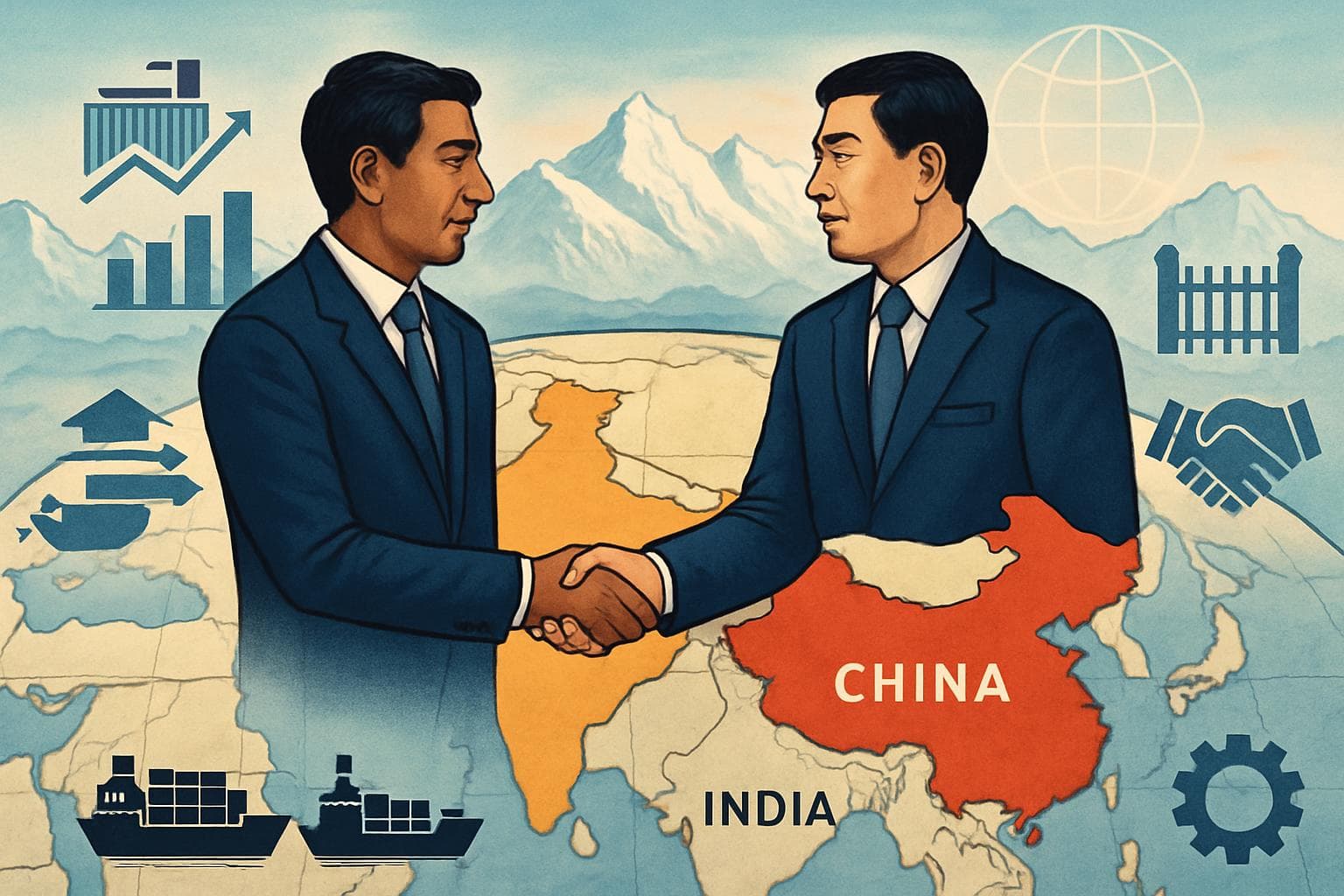
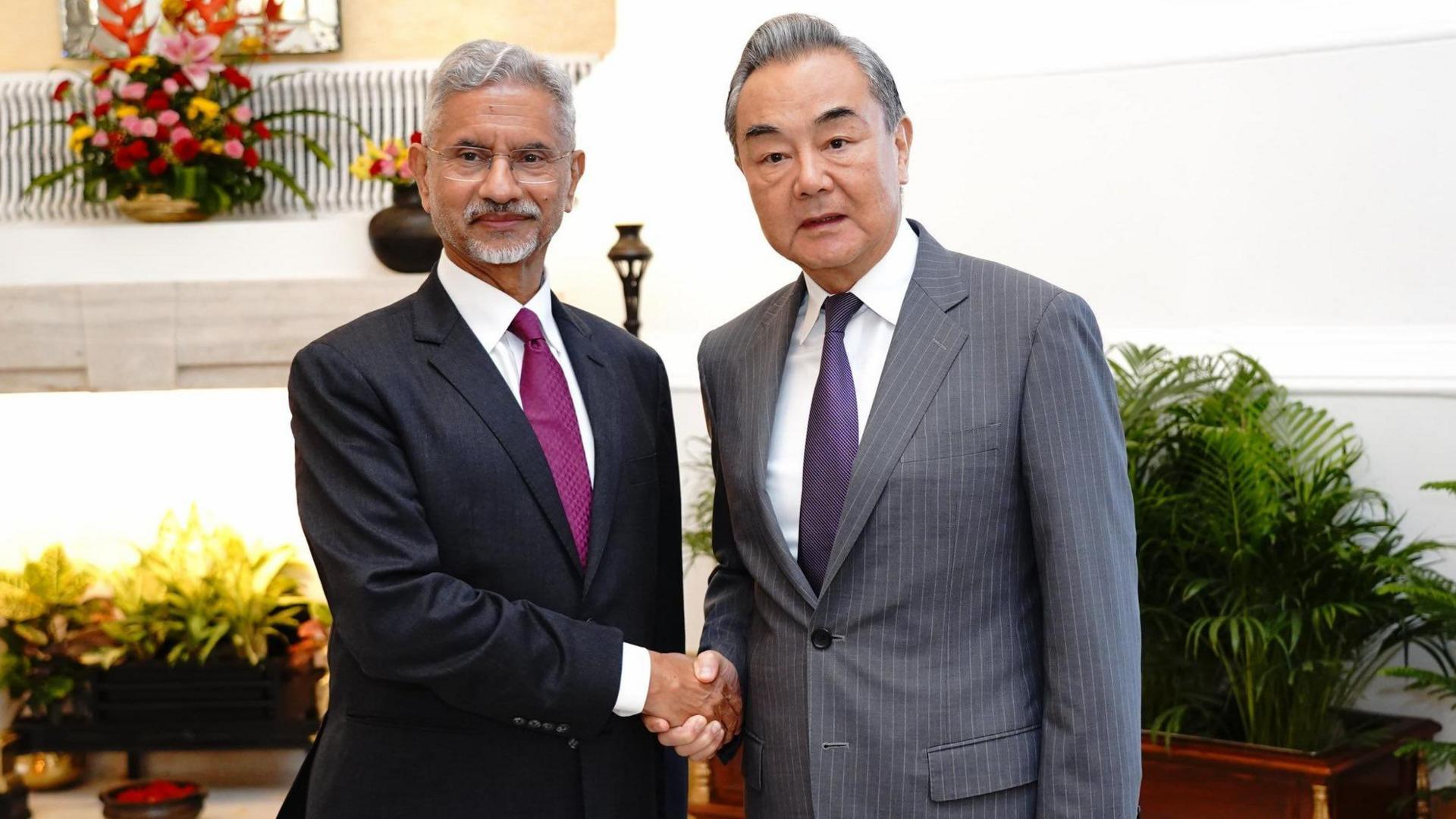
In a significant diplomatic development, Chinese Foreign Minister Wang Yi's visit to Delhi signals a potential thaw in the strained relations between India and China. This visit, which took place on Monday, marks only the second high-level meeting between the two nations since the deadly 2020 clashes in the Galwan Valley, a disputed Himalayan border region.
Renewed Diplomatic Engagement
During his two-day visit, Wang Yi met with Indian Foreign Minister S. Jaishankar, where both sides expressed a commitment to viewing each other as "partners" rather than "adversaries." The discussions covered a broad spectrum of bilateral issues, including trade, pilgrimages, and river data sharing. Yi's visit is seen as laying the groundwork for Indian Prime Minister Narendra Modi's upcoming visit to China for the Shanghai Cooperation Organisation summit, his first in seven years.
Focus on Trade and Border Dispute
The talks between the two foreign ministers also addressed the long-standing Himalayan border dispute. Both nations have agreed to resume direct flights and issue visas to journalists, facilitating business and cultural exchanges. This comes after a series of negotiations aimed at de-escalating tensions along the disputed border, with both sides agreeing to a pact on border patrols and withdrawing additional forces.
Impact of US Tariffs
The backdrop of these diplomatic efforts is the shifting global geopolitical landscape, particularly influenced by US President Donald Trump's tariff regime. The US recently imposed additional tariffs on Indian imports, prompting India to strengthen ties with China and Russia. White House Trade Advisor Peter Navarro criticized India for its dealings with Russia and China, urging it to act more like a strategic partner of the US.
Ongoing Challenges
Despite the positive developments, challenges remain. India has expressed concerns over China's plans to construct a massive hydropower project on the Yarlung Tsangpo river, fearing its impact on downstream communities. This issue underscores the complex nature of India-China relations, where cooperation is often tempered by regional security concerns.
WHAT THIS MIGHT MEAN
The warming ties between India and China could lead to a more stable regional environment, potentially easing tensions along the Himalayan border. However, the geopolitical dynamics in the Indo-Pacific region remain complex, with US policies continuing to influence India's strategic decisions. Experts suggest that while India and China may find common ground on economic and trade issues, fundamental differences, particularly in security matters, will persist. As Modi prepares for his visit to China, the outcomes of these diplomatic engagements will be closely watched, with potential implications for regional stability and global geopolitical alignments.
Images from the Web
Related Articles

Tech Giants Pledge to Cover AI Data Center Energy Costs Amid Rising Electricity Concerns

UK Faces Dilemmas Amid Iran Conflict and China Spying Allegations

UK-Iran Tensions: Starmer Defends Cautious Approach Amid Trump Criticism
Spain's Sánchez Stands Firm Against Trump's Trade Threat Over Iran Stance
China Sets Lowest GDP Growth Target in Decades Amid Economic Challenges

Canada and Australia Forge Strategic Partnership Amid Global Uncertainty
India and China Seek to Mend Ties Amid Global Geopolitical Shifts
In This Article
HIGHLIGHTS
- Chinese Foreign Minister Wang Yi visited Delhi to discuss improving India-China relations, marking a potential thaw since the 2020 Galwan Valley clashes.
- Talks focused on resuming trade, direct flights, and resolving the Himalayan border dispute, with both nations aiming for a "steady development track."
- The visit precedes Indian Prime Minister Narendra Modi's anticipated trip to China for the Shanghai Cooperation Organisation summit.
- US tariffs on Indian imports have influenced India's geopolitical stance, prompting closer ties with China and Russia.
- Despite warming ties, India raised concerns over China's planned hydropower project on the Yarlung Tsangpo river, highlighting ongoing regional tensions.
In a significant diplomatic development, Chinese Foreign Minister Wang Yi's visit to Delhi signals a potential thaw in the strained relations between India and China. This visit, which took place on Monday, marks only the second high-level meeting between the two nations since the deadly 2020 clashes in the Galwan Valley, a disputed Himalayan border region.
Renewed Diplomatic Engagement
During his two-day visit, Wang Yi met with Indian Foreign Minister S. Jaishankar, where both sides expressed a commitment to viewing each other as "partners" rather than "adversaries." The discussions covered a broad spectrum of bilateral issues, including trade, pilgrimages, and river data sharing. Yi's visit is seen as laying the groundwork for Indian Prime Minister Narendra Modi's upcoming visit to China for the Shanghai Cooperation Organisation summit, his first in seven years.
Focus on Trade and Border Dispute
The talks between the two foreign ministers also addressed the long-standing Himalayan border dispute. Both nations have agreed to resume direct flights and issue visas to journalists, facilitating business and cultural exchanges. This comes after a series of negotiations aimed at de-escalating tensions along the disputed border, with both sides agreeing to a pact on border patrols and withdrawing additional forces.
Impact of US Tariffs
The backdrop of these diplomatic efforts is the shifting global geopolitical landscape, particularly influenced by US President Donald Trump's tariff regime. The US recently imposed additional tariffs on Indian imports, prompting India to strengthen ties with China and Russia. White House Trade Advisor Peter Navarro criticized India for its dealings with Russia and China, urging it to act more like a strategic partner of the US.
Ongoing Challenges
Despite the positive developments, challenges remain. India has expressed concerns over China's plans to construct a massive hydropower project on the Yarlung Tsangpo river, fearing its impact on downstream communities. This issue underscores the complex nature of India-China relations, where cooperation is often tempered by regional security concerns.
WHAT THIS MIGHT MEAN
The warming ties between India and China could lead to a more stable regional environment, potentially easing tensions along the Himalayan border. However, the geopolitical dynamics in the Indo-Pacific region remain complex, with US policies continuing to influence India's strategic decisions. Experts suggest that while India and China may find common ground on economic and trade issues, fundamental differences, particularly in security matters, will persist. As Modi prepares for his visit to China, the outcomes of these diplomatic engagements will be closely watched, with potential implications for regional stability and global geopolitical alignments.
Images from the Web
Related Articles
Tech Giants Pledge to Cover AI Data Center Energy Costs Amid Rising Electricity Concerns
UK Faces Dilemmas Amid Iran Conflict and China Spying Allegations
UK-Iran Tensions: Starmer Defends Cautious Approach Amid Trump Criticism
Spain's Sánchez Stands Firm Against Trump's Trade Threat Over Iran Stance
China Sets Lowest GDP Growth Target in Decades Amid Economic Challenges
Canada and Australia Forge Strategic Partnership Amid Global Uncertainty