
India and EU Seal Historic Free Trade Agreement
In This Article
HIGHLIGHTS
- India and the EU have finalized a historic free trade agreement after nearly two decades of negotiations.
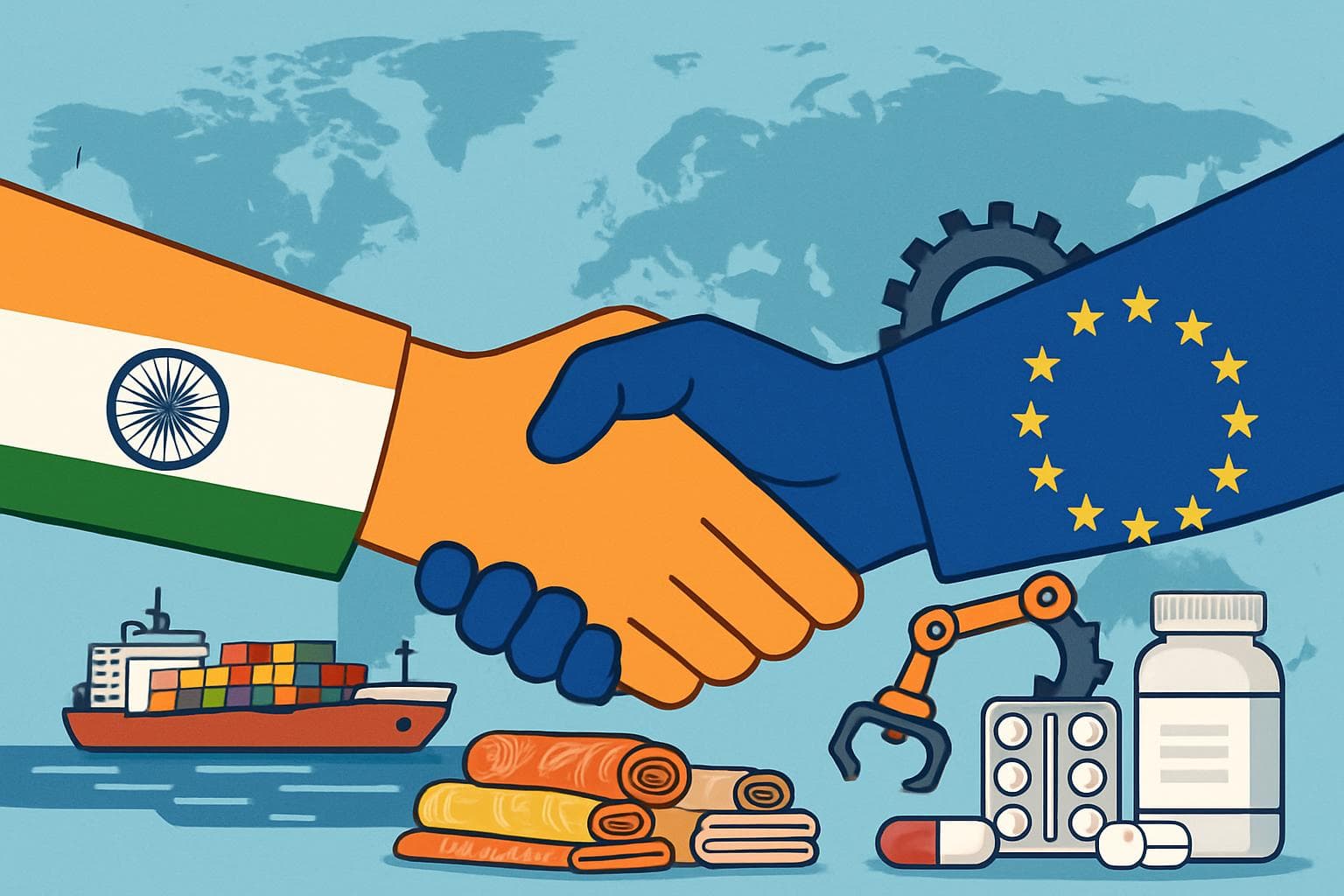
- The deal will eliminate or reduce tariffs on 96.6% of traded goods, significantly boosting market access for both parties.
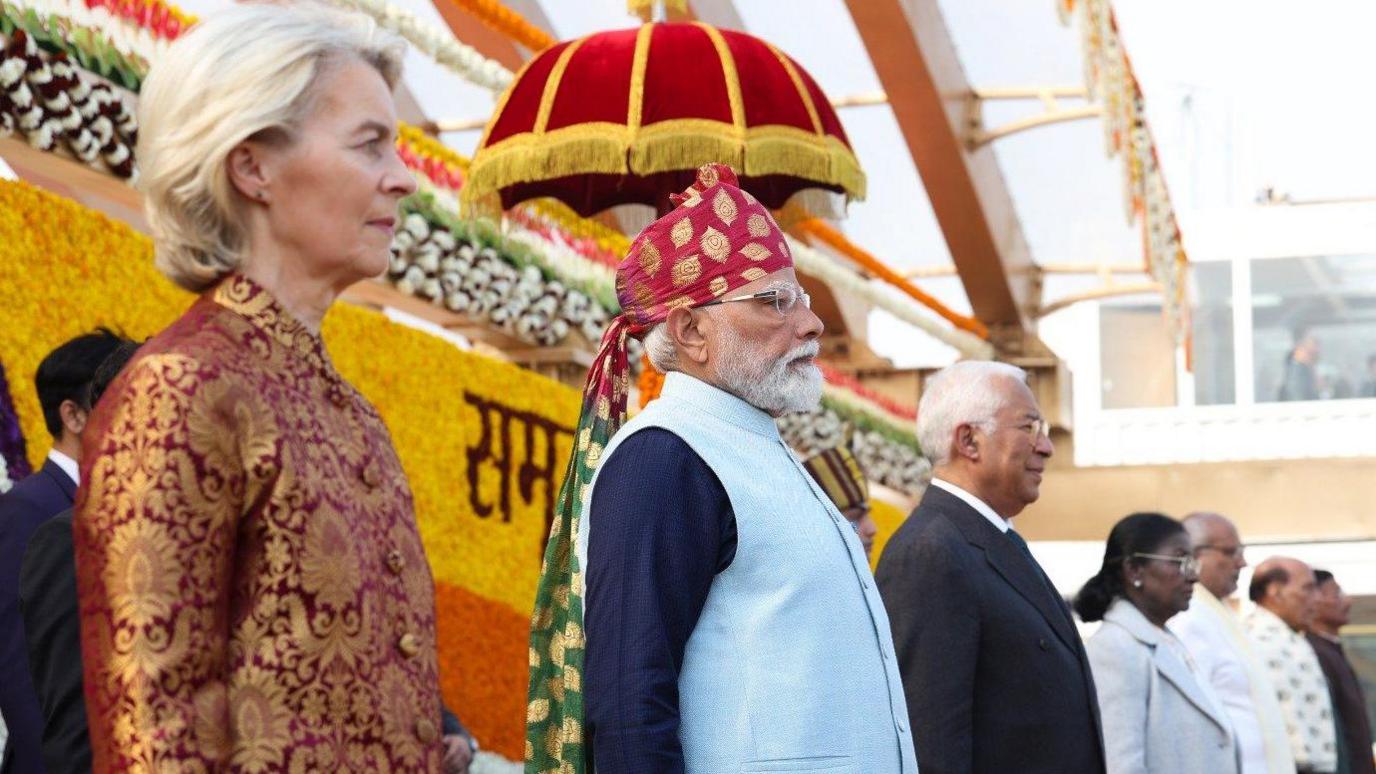
- European Commission President Ursula von der Leyen and Indian Prime Minister Narendra Modi hailed the agreement as the "mother of all deals."
- The agreement is expected to double EU exports to India by 2032, with significant tariff cuts on cars, wine, and industrial products.
- A security partnership and a labor mobility framework were also established, enhancing cooperation on maritime security and professional exchanges.
In a landmark development, India and the European Union have finalized a comprehensive free trade agreement, marking the culmination of nearly two decades of intermittent negotiations. The agreement, celebrated as the "mother of all deals" by European Commission President Ursula von der Leyen, aims to deepen economic ties between the world's second and fourth largest economies amid shifting global trade dynamics.
Significant Tariff Reductions and Market Access
The agreement, announced at a bilateral summit in Delhi, promises to eliminate or significantly reduce tariffs on 96.6% of traded goods by value. This move is expected to double EU exports to India by 2032, resulting in savings of €4 billion in duties for European companies. Key sectors such as chemicals, machinery, and pharmaceuticals will see tariffs reduced to zero, while duties on motor vehicles will be slashed from as high as 110% to 10% over five years. Indian exports, including textiles, gems, and pharmaceuticals, will gain preferential access to European markets, enhancing India's economic footprint.
Strategic Partnerships and Economic Implications
Beyond trade, the agreement includes a security partnership focusing on maritime security and counter-terrorism, reflecting a strategic alignment in response to global geopolitical pressures. A labor mobility framework will facilitate professional exchanges, opening new opportunities for young professionals and seasonal workers between India and the EU. The deal also sets the stage for India to join the EU's Horizon research program, fostering innovation and collaboration.
Leaders' Perspectives and Future Outlook
Indian Prime Minister Narendra Modi described the agreement as the "biggest free trade deal in history," emphasizing its potential to unlock massive opportunities for 1.4 billion Indians and millions in Europe. Von der Leyen echoed this sentiment, highlighting the creation of a free trade zone encompassing two billion people. The deal, however, awaits ratification by EU member states, the European Parliament, and the Indian cabinet before taking effect.
WHAT THIS MIGHT MEAN
The successful ratification of the India-EU trade agreement could significantly alter global trade relations, positioning both economies as pivotal players in the international market. Experts suggest that the deal may serve as a blueprint for future trade agreements, emphasizing the importance of strategic partnerships in navigating complex geopolitical landscapes. However, the agreement's implementation will require careful management to balance domestic priorities with international commitments, particularly in sensitive sectors such as agriculture and manufacturing. As the global economy continues to evolve, the India-EU partnership could play a crucial role in shaping the future of international trade.
Images from the Web
Related Articles
Trump's New Tariff Strategy Sparks Global Trade Uncertainty
US Supreme Court Ruling on Tariffs Sparks Uncertainty for UK and Global Trade
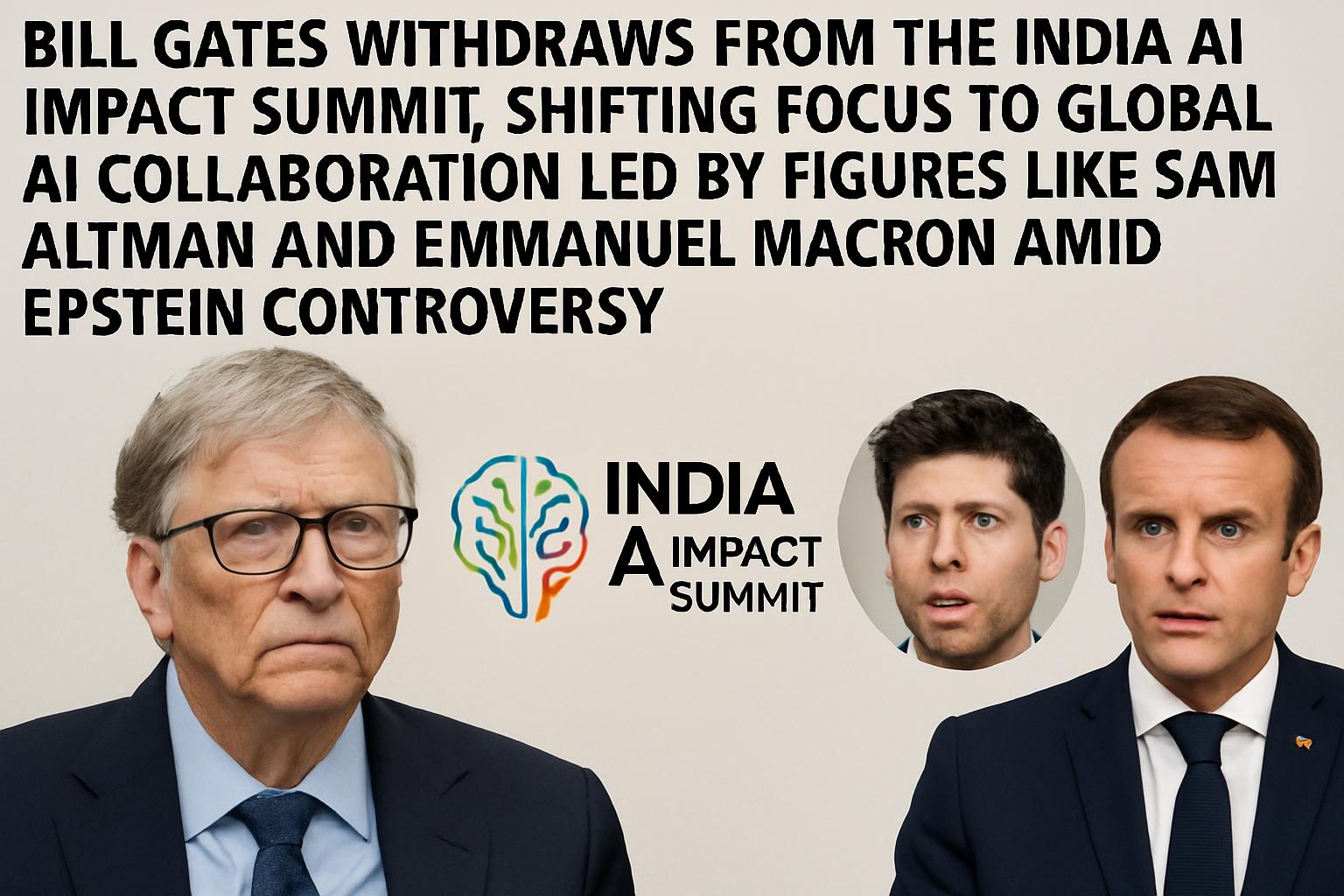
Bill Gates Withdraws from India AI Summit Amid Epstein Controversy
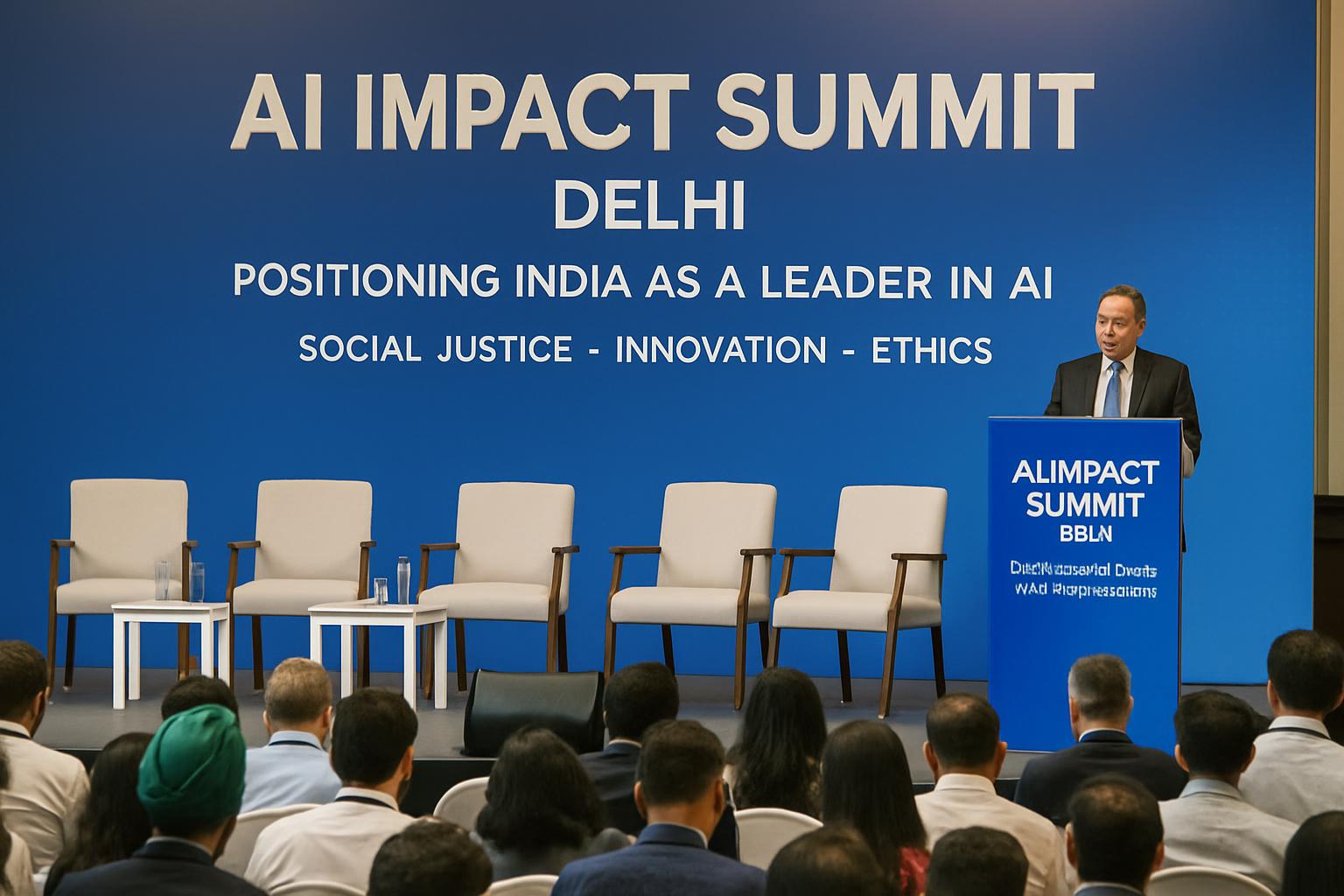
India's AI Impact Summit Faces Logistical Hurdles Amid Global AI Discussions
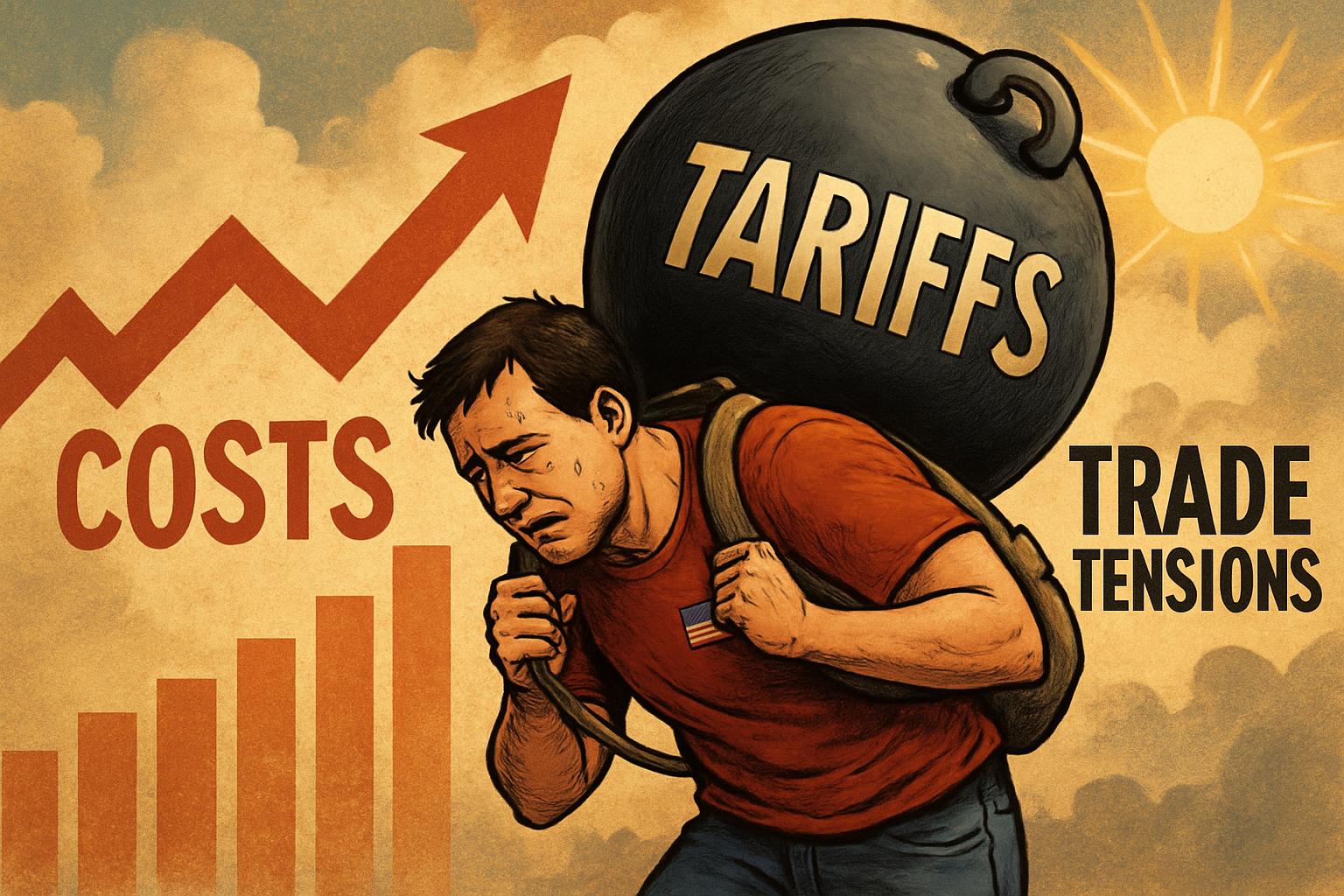
Trump Tariffs Burden US Consumers as Rollback Plans Emerge
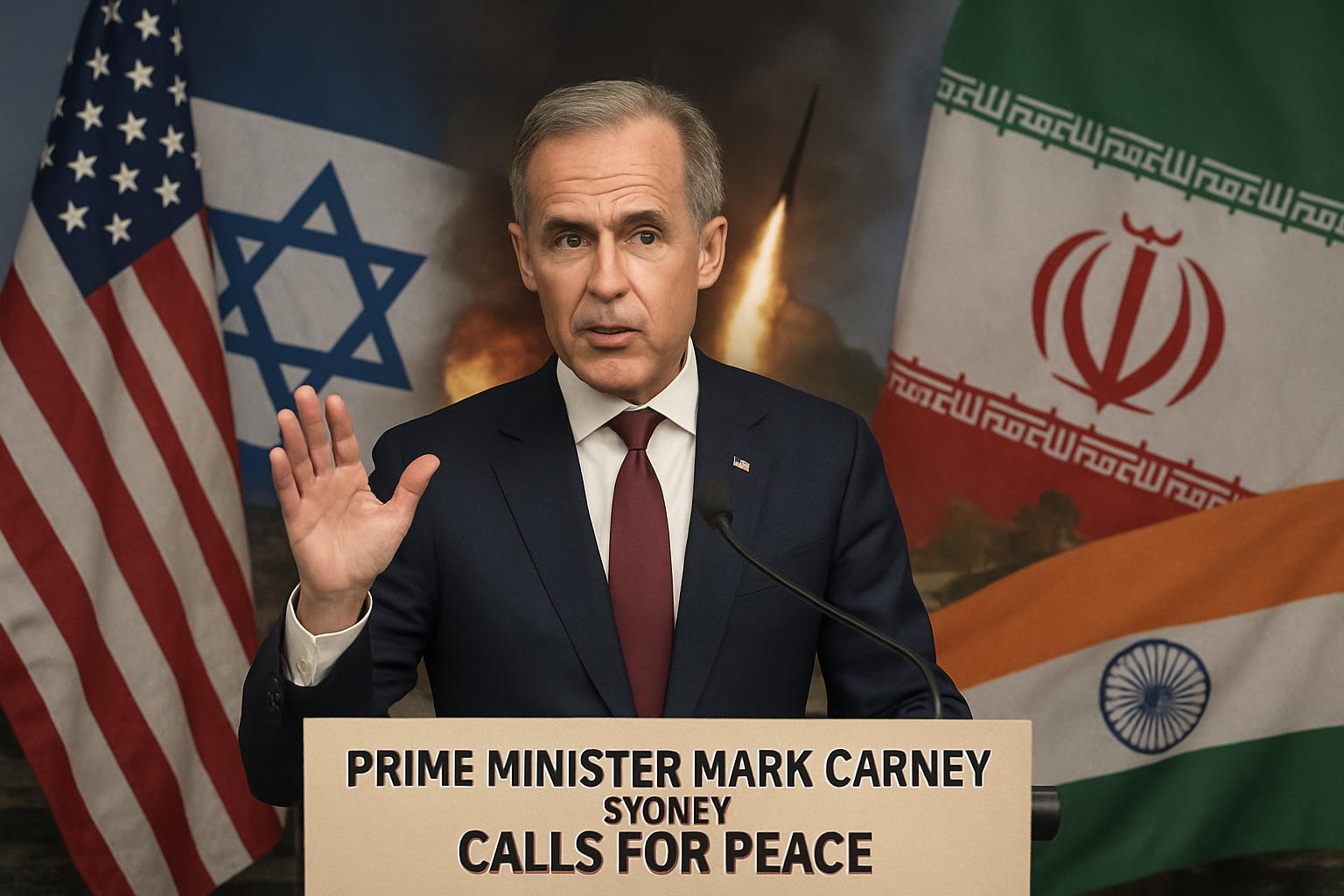
Canada Calls for De-escalation Amid US-Israel Strikes on Iran
India and EU Seal Historic Free Trade Agreement
In This Article
 Daniel Rivera| Published
 HIGHLIGHTS
- India and the EU have finalized a historic free trade agreement after nearly two decades of negotiations.
- The deal will eliminate or reduce tariffs on 96.6% of traded goods, significantly boosting market access for both parties.
- European Commission President Ursula von der Leyen and Indian Prime Minister Narendra Modi hailed the agreement as the "mother of all deals."
- The agreement is expected to double EU exports to India by 2032, with significant tariff cuts on cars, wine, and industrial products.
- A security partnership and a labor mobility framework were also established, enhancing cooperation on maritime security and professional exchanges.
In a landmark development, India and the European Union have finalized a comprehensive free trade agreement, marking the culmination of nearly two decades of intermittent negotiations. The agreement, celebrated as the "mother of all deals" by European Commission President Ursula von der Leyen, aims to deepen economic ties between the world's second and fourth largest economies amid shifting global trade dynamics.
Significant Tariff Reductions and Market Access
The agreement, announced at a bilateral summit in Delhi, promises to eliminate or significantly reduce tariffs on 96.6% of traded goods by value. This move is expected to double EU exports to India by 2032, resulting in savings of €4 billion in duties for European companies. Key sectors such as chemicals, machinery, and pharmaceuticals will see tariffs reduced to zero, while duties on motor vehicles will be slashed from as high as 110% to 10% over five years. Indian exports, including textiles, gems, and pharmaceuticals, will gain preferential access to European markets, enhancing India's economic footprint.
Strategic Partnerships and Economic Implications
Beyond trade, the agreement includes a security partnership focusing on maritime security and counter-terrorism, reflecting a strategic alignment in response to global geopolitical pressures. A labor mobility framework will facilitate professional exchanges, opening new opportunities for young professionals and seasonal workers between India and the EU. The deal also sets the stage for India to join the EU's Horizon research program, fostering innovation and collaboration.
Leaders' Perspectives and Future Outlook
Indian Prime Minister Narendra Modi described the agreement as the "biggest free trade deal in history," emphasizing its potential to unlock massive opportunities for 1.4 billion Indians and millions in Europe. Von der Leyen echoed this sentiment, highlighting the creation of a free trade zone encompassing two billion people. The deal, however, awaits ratification by EU member states, the European Parliament, and the Indian cabinet before taking effect.
WHAT THIS MIGHT MEAN
The successful ratification of the India-EU trade agreement could significantly alter global trade relations, positioning both economies as pivotal players in the international market. Experts suggest that the deal may serve as a blueprint for future trade agreements, emphasizing the importance of strategic partnerships in navigating complex geopolitical landscapes. However, the agreement's implementation will require careful management to balance domestic priorities with international commitments, particularly in sensitive sectors such as agriculture and manufacturing. As the global economy continues to evolve, the India-EU partnership could play a crucial role in shaping the future of international trade.
Images from the Web
Related Articles
Trump's New Tariff Strategy Sparks Global Trade Uncertainty
US Supreme Court Ruling on Tariffs Sparks Uncertainty for UK and Global Trade
Bill Gates Withdraws from India AI Summit Amid Epstein Controversy
India's AI Impact Summit Faces Logistical Hurdles Amid Global AI Discussions
Trump Tariffs Burden US Consumers as Rollback Plans Emerge
Canada Calls for De-escalation Amid US-Israel Strikes on Iran