
Trump Tariffs Burden US Consumers as Rollback Plans Emerge
In This Article
HIGHLIGHTS
- The New York Fed reported that 90% of the costs from Trump's 2025 tariffs were borne by US firms and consumers.
- Tariffs on imported goods rose to an average of 13% in 2025, significantly impacting US import prices.
- The Tax Foundation found that tariffs increased the average American household's costs by $1,000 in 2025, with a projected rise to $1,300 in 2026.
- Reports suggest Trump plans to roll back some tariffs on steel and aluminum to alleviate consumer price pressures.
- A Pew Research Center poll indicated that 70% of Americans rated economic conditions as fair or poor due to rising living costs.
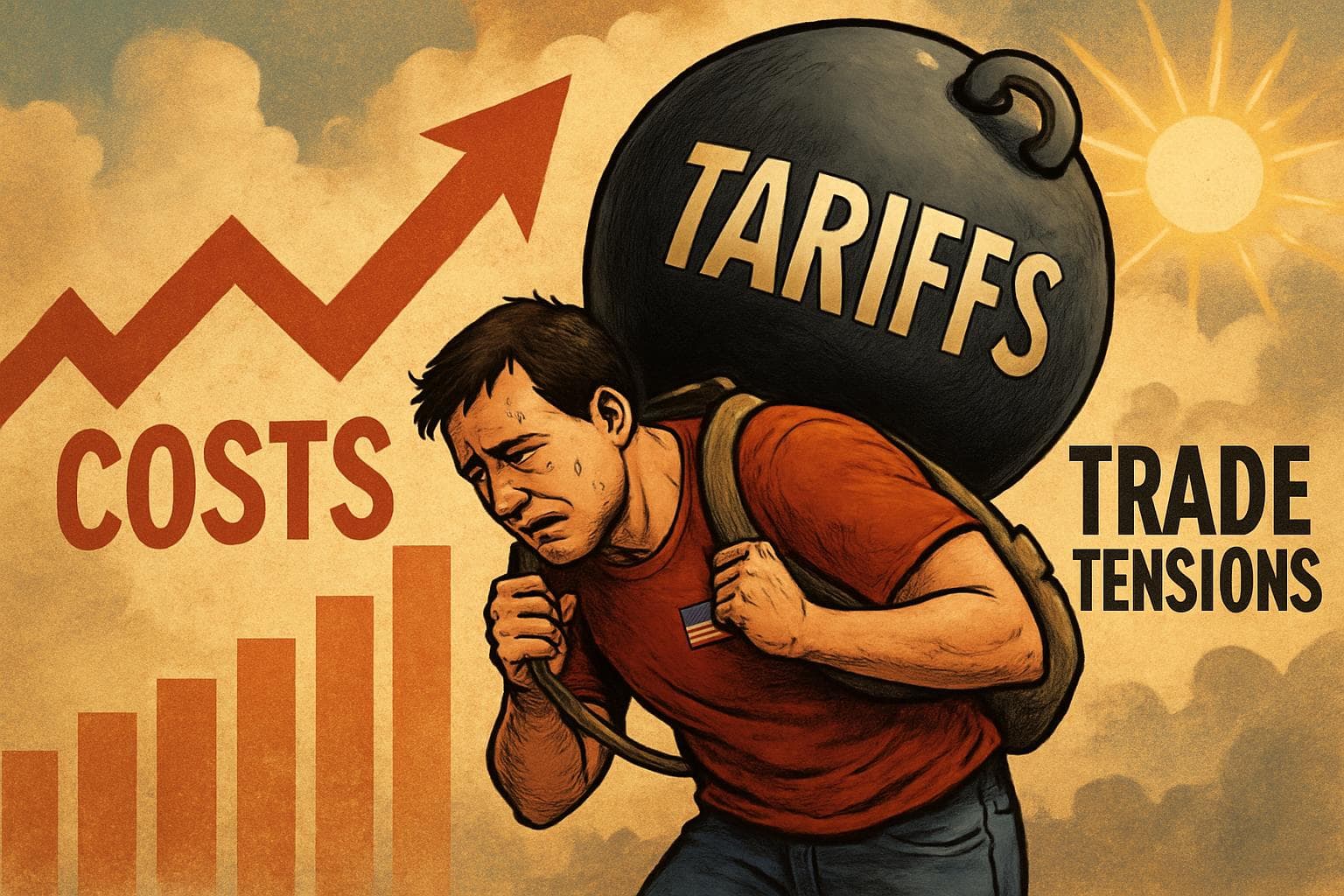
In a significant economic development, the Federal Reserve Bank of New York has revealed that the tariffs imposed by former President Donald Trump in 2025 have primarily impacted US companies and consumers. The average tariff rate on imported goods surged from 2.6% to 13% within the year, with 90% of these costs shouldered domestically. This economic burden has sparked discussions about potential policy reversals.
Economic Impact of Tariffs
The New York Fed's findings align with other research, such as the Kiel Institute for the World Economy's analysis, which confirmed a near-complete pass-through of tariffs to US import prices. Exporting countries like Brazil and India maintained their prices, leading to a collapse in trade volumes rather than price reductions. The National Bureau of Economic Research echoed these findings, emphasizing that the US bore the brunt of increased prices.
The Tax Foundation, a Washington DC-based think tank, highlighted the tangible impact on American households. It reported that the 2025 tariffs effectively acted as a new tax, costing each household an additional $1,000, with projections indicating a rise to $1,300 in 2026. This increase has made the effective tariff rate the highest since 1946, offsetting any economic benefits from Trump's tax cuts.
Plans for Tariff Rollback
Amidst growing concerns over consumer costs, reports have surfaced suggesting that Trump is considering rolling back some tariffs on steel and aluminum goods. According to the Financial Times, the administration is reviewing the list of affected products and may exempt certain items. This move aims to alleviate the financial strain on consumers, as more than 70% of Americans reported increased living costs in a recent Pew Research Center poll.
The potential rollback comes as US trade officials acknowledge the adverse effects of tariffs on domestic prices. By launching targeted national security probes instead, the administration hopes to balance economic protection with consumer relief.
WHAT THIS MIGHT MEAN
The potential rollback of tariffs on steel and aluminum could provide much-needed relief to US consumers facing rising costs. If implemented, this policy shift may stabilize import prices and ease the financial burden on households. However, the broader economic implications remain uncertain, as trade tensions and protectionist measures continue to influence global markets.
Experts suggest that a careful recalibration of trade policies could foster more sustainable economic growth. By addressing the root causes of trade imbalances and focusing on strategic partnerships, the US could mitigate the negative impacts of tariffs while enhancing its competitive edge. As the situation evolves, policymakers will need to balance economic interests with consumer welfare to navigate these complex challenges effectively.
Related Articles
Trump's New Tariff Strategy Sparks Global Trade Uncertainty

Tech Giants Pledge to Cover AI Data Center Energy Costs Amid Rising Electricity Concerns

UK Faces Dilemmas Amid Iran Conflict and China Spying Allegations
US Supreme Court Ruling Sparks Trade Uncertainty in Asia and Beyond

Congress Subpoenas Attorney General Bondi in Epstein Investigation

Cuba Faces Widespread Blackout Amid Deepening Fuel Crisis
Trump Tariffs Burden US Consumers as Rollback Plans Emerge
In This Article
 Daniel Rivera| Published
 HIGHLIGHTS
- The New York Fed reported that 90% of the costs from Trump's 2025 tariffs were borne by US firms and consumers.
- Tariffs on imported goods rose to an average of 13% in 2025, significantly impacting US import prices.
- The Tax Foundation found that tariffs increased the average American household's costs by $1,000 in 2025, with a projected rise to $1,300 in 2026.
- Reports suggest Trump plans to roll back some tariffs on steel and aluminum to alleviate consumer price pressures.
- A Pew Research Center poll indicated that 70% of Americans rated economic conditions as fair or poor due to rising living costs.
In a significant economic development, the Federal Reserve Bank of New York has revealed that the tariffs imposed by former President Donald Trump in 2025 have primarily impacted US companies and consumers. The average tariff rate on imported goods surged from 2.6% to 13% within the year, with 90% of these costs shouldered domestically. This economic burden has sparked discussions about potential policy reversals.
Economic Impact of Tariffs
The New York Fed's findings align with other research, such as the Kiel Institute for the World Economy's analysis, which confirmed a near-complete pass-through of tariffs to US import prices. Exporting countries like Brazil and India maintained their prices, leading to a collapse in trade volumes rather than price reductions. The National Bureau of Economic Research echoed these findings, emphasizing that the US bore the brunt of increased prices.
The Tax Foundation, a Washington DC-based think tank, highlighted the tangible impact on American households. It reported that the 2025 tariffs effectively acted as a new tax, costing each household an additional $1,000, with projections indicating a rise to $1,300 in 2026. This increase has made the effective tariff rate the highest since 1946, offsetting any economic benefits from Trump's tax cuts.
Plans for Tariff Rollback
Amidst growing concerns over consumer costs, reports have surfaced suggesting that Trump is considering rolling back some tariffs on steel and aluminum goods. According to the Financial Times, the administration is reviewing the list of affected products and may exempt certain items. This move aims to alleviate the financial strain on consumers, as more than 70% of Americans reported increased living costs in a recent Pew Research Center poll.
The potential rollback comes as US trade officials acknowledge the adverse effects of tariffs on domestic prices. By launching targeted national security probes instead, the administration hopes to balance economic protection with consumer relief.
WHAT THIS MIGHT MEAN
The potential rollback of tariffs on steel and aluminum could provide much-needed relief to US consumers facing rising costs. If implemented, this policy shift may stabilize import prices and ease the financial burden on households. However, the broader economic implications remain uncertain, as trade tensions and protectionist measures continue to influence global markets.
Experts suggest that a careful recalibration of trade policies could foster more sustainable economic growth. By addressing the root causes of trade imbalances and focusing on strategic partnerships, the US could mitigate the negative impacts of tariffs while enhancing its competitive edge. As the situation evolves, policymakers will need to balance economic interests with consumer welfare to navigate these complex challenges effectively.
Related Articles
Trump's New Tariff Strategy Sparks Global Trade Uncertainty
Tech Giants Pledge to Cover AI Data Center Energy Costs Amid Rising Electricity Concerns
UK Faces Dilemmas Amid Iran Conflict and China Spying Allegations
US Supreme Court Ruling Sparks Trade Uncertainty in Asia and Beyond
Congress Subpoenas Attorney General Bondi in Epstein Investigation
Cuba Faces Widespread Blackout Amid Deepening Fuel Crisis