
Indoor Air Pollution: An Overlooked Public Health Crisis in the UK
In This Article
HIGHLIGHTS
- Indoor air pollution poses a significant health risk, potentially greater than outdoor pollution, according to Dr. Thom Daniels.
- The Royal College of Physicians reports air pollution contributes to 30,000 deaths annually in the UK, costing the economy up to £50 billion.
- Household activities like cooking and using wood-burning stoves significantly degrade indoor air quality.
- Air pollution affects nearly every organ and can shorten life expectancy by 1.8 years, highlighting its status as a public health crisis.
- Experts urge the UK government to prioritize air quality improvements as a fundamental public health issue.
Indoor air pollution is emerging as a critical health concern in the UK, with experts warning that it may pose a greater threat than outdoor pollution. Dr. Thom Daniels, a consultant respiratory physician at University Hospital Southampton, emphasizes the "invisible threat" of indoor pollutants, which can exacerbate conditions like asthma and trigger respiratory symptoms. This warning coincides with a new report from the Royal College of Physicians (RCP), linking air pollution to 30,000 deaths annually in the UK.
The Hidden Dangers of Indoor Air
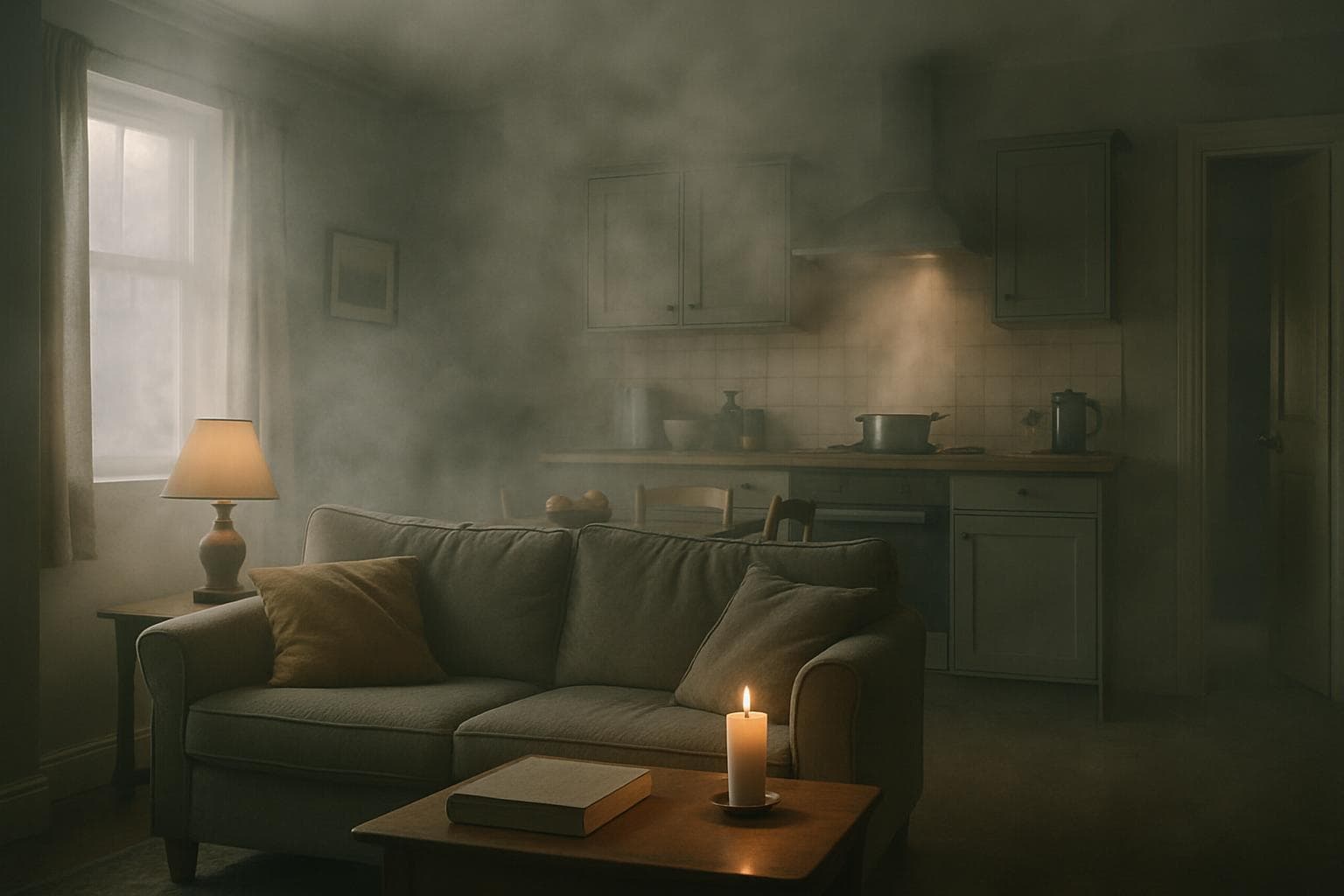
Dr. Daniels highlights that while outdoor air quality is easier to monitor, indoor air pollution remains largely unexamined despite its pervasive presence. "We spend 90% of our time indoors," he notes, "and until we understand better about indoor air quality, we'll be missing the majority of our air exposure." Common household activities, such as cooking and using wood-burning stoves, release particulates and harmful gases, significantly degrading indoor air quality. An air monitor test demonstrated how quickly indoor air can become polluted through everyday tasks like frying food or burning candles.
A National Health Crisis
The RCP's report underscores the severe impact of air pollution on public health, with 99% of the UK population exposed to toxic air. The report reveals that air pollution affects nearly every organ, contributing to conditions like heart disease, stroke, and even dementia. The economic cost is staggering, with estimates reaching £50 billion annually when considering wider impacts. Dr. Mumtaz Patel, president of the RCP, stresses that air pollution is not merely an environmental issue but a public health crisis, urging the government to treat clean air as a basic human right.
Calls for Government Action
The report calls for decisive government action to address this crisis. England’s chief medical officer, Prof Chris Whitty, acknowledges the progress made in reducing pollutants over the past three decades but insists that air pollution remains a major cause of chronic ill health and premature mortality. Sarah Sleet, CEO of Asthma and Lung UK, echoes these concerns, labeling air pollution as the biggest environmental threat to human health.
WHAT THIS MIGHT MEAN
The growing recognition of indoor air pollution as a public health crisis could prompt significant policy changes in the UK. Experts suggest that stricter regulations on household pollutants and increased public awareness campaigns could be pivotal in mitigating health risks. If the government prioritizes air quality improvements, it could lead to enhanced health outcomes and economic savings. However, without urgent action, the UK may continue to face substantial health and financial burdens associated with air pollution.
Related Articles
UK Clinical Trial on Puberty Blockers Paused Amid Safety Concerns
Persistent Safety Concerns in Nottingham Maternity Services Amidst Calls for Systemic Reform
Canada and Australia Forge Strategic Partnership Amid Global Uncertainty

UK Government to Reform Asylum Seeker Support and Employment Policies

Middle East Conflict Drives UK Energy Prices to New Highs

UK Faces Dilemmas Amid Iran Conflict and China Spying Allegations
Indoor Air Pollution: An Overlooked Public Health Crisis in the UK
In This Article
 Maya Singh| Published
 HIGHLIGHTS
- Indoor air pollution poses a significant health risk, potentially greater than outdoor pollution, according to Dr. Thom Daniels.
- The Royal College of Physicians reports air pollution contributes to 30,000 deaths annually in the UK, costing the economy up to £50 billion.
- Household activities like cooking and using wood-burning stoves significantly degrade indoor air quality.
- Air pollution affects nearly every organ and can shorten life expectancy by 1.8 years, highlighting its status as a public health crisis.
- Experts urge the UK government to prioritize air quality improvements as a fundamental public health issue.
Indoor air pollution is emerging as a critical health concern in the UK, with experts warning that it may pose a greater threat than outdoor pollution. Dr. Thom Daniels, a consultant respiratory physician at University Hospital Southampton, emphasizes the "invisible threat" of indoor pollutants, which can exacerbate conditions like asthma and trigger respiratory symptoms. This warning coincides with a new report from the Royal College of Physicians (RCP), linking air pollution to 30,000 deaths annually in the UK.
The Hidden Dangers of Indoor Air
Dr. Daniels highlights that while outdoor air quality is easier to monitor, indoor air pollution remains largely unexamined despite its pervasive presence. "We spend 90% of our time indoors," he notes, "and until we understand better about indoor air quality, we'll be missing the majority of our air exposure." Common household activities, such as cooking and using wood-burning stoves, release particulates and harmful gases, significantly degrading indoor air quality. An air monitor test demonstrated how quickly indoor air can become polluted through everyday tasks like frying food or burning candles.
A National Health Crisis
The RCP's report underscores the severe impact of air pollution on public health, with 99% of the UK population exposed to toxic air. The report reveals that air pollution affects nearly every organ, contributing to conditions like heart disease, stroke, and even dementia. The economic cost is staggering, with estimates reaching £50 billion annually when considering wider impacts. Dr. Mumtaz Patel, president of the RCP, stresses that air pollution is not merely an environmental issue but a public health crisis, urging the government to treat clean air as a basic human right.
Calls for Government Action
The report calls for decisive government action to address this crisis. England’s chief medical officer, Prof Chris Whitty, acknowledges the progress made in reducing pollutants over the past three decades but insists that air pollution remains a major cause of chronic ill health and premature mortality. Sarah Sleet, CEO of Asthma and Lung UK, echoes these concerns, labeling air pollution as the biggest environmental threat to human health.
WHAT THIS MIGHT MEAN
The growing recognition of indoor air pollution as a public health crisis could prompt significant policy changes in the UK. Experts suggest that stricter regulations on household pollutants and increased public awareness campaigns could be pivotal in mitigating health risks. If the government prioritizes air quality improvements, it could lead to enhanced health outcomes and economic savings. However, without urgent action, the UK may continue to face substantial health and financial burdens associated with air pollution.
Related Articles
UK Clinical Trial on Puberty Blockers Paused Amid Safety Concerns
Persistent Safety Concerns in Nottingham Maternity Services Amidst Calls for Systemic Reform
Canada and Australia Forge Strategic Partnership Amid Global Uncertainty
UK Government to Reform Asylum Seeker Support and Employment Policies
Middle East Conflict Drives UK Energy Prices to New Highs
UK Faces Dilemmas Amid Iran Conflict and China Spying Allegations