
Instagram CEO Defends Platform Amidst Addiction Allegations in Landmark Trial

In This Article
HIGHLIGHTS
- Instagram CEO Adam Mosseri testified in a California trial, arguing that excessive social media use is not equivalent to addiction.
- The trial involves a 20-year-old plaintiff, K.G.M., who claims Instagram's design exacerbated her mental health issues.
- Mosseri acknowledged that 16 hours of daily Instagram use could be "problematic," but not necessarily an addiction.
- The trial is part of broader legal actions against Meta, Snap, TikTok, and YouTube for allegedly harming young people's mental health.
- Internal Meta communications revealed concerns about Instagram's addictive features, with some employees likening it to a drug.
In a pivotal legal battle unfolding in Los Angeles, Instagram CEO Adam Mosseri has taken the stand to defend the social media giant against allegations that it contributes to mental health issues among minors. The trial, which began this week, centers on claims that Instagram's design features, such as endless scrolling, have exacerbated mental health problems for young users, including the lead plaintiff, a 20-year-old identified as K.G.M.
Mosseri, who has led Instagram for eight years, was the first high-profile executive to testify in this series of trials targeting major tech companies like Meta, Snap, TikTok, and YouTube. These companies face accusations of knowingly creating addictive products that harm the mental health of young people. The trial is expected to last six weeks and could set a precedent for future legal actions.
During his testimony, Mosseri emphasized the distinction between "clinical addiction" and "problematic use," arguing that excessive use of social media does not necessarily equate to addiction. He acknowledged that 16 hours of daily Instagram use, as reported by K.G.M., could be considered problematic but stopped short of labeling it as an addiction. "It's a personal thing," Mosseri stated, suggesting that the impact of social media varies among individuals.
The trial also highlighted internal concerns within Meta about Instagram's potential negative effects. An internal survey revealed that 60% of users had experienced bullying on the platform, and email exchanges among Meta executives discussed the risks associated with features like image filters. Nick Clegg, a former Meta executive, warned that prioritizing growth over responsibility could damage the company's reputation.
Families affected by social media's impact on mental health were present in court, including John DeMay, whose son Jordan died by suicide after being targeted in an online scam. DeMay expressed skepticism about Mosseri's testimony, suggesting it was an attempt to protect the company's image.
WHAT THIS MIGHT MEAN
As the trial progresses, its outcome could have significant implications for tech companies and their responsibility towards user safety, particularly for minors. A ruling against Meta could lead to stricter regulations and increased scrutiny over social media platforms' design features. Legal experts suggest that this case could pave the way for more lawsuits, potentially prompting tech companies to reevaluate their approach to digital wellbeing and youth online safety.
Moreover, the trial may influence public perception of social media's role in mental health, potentially leading to increased advocacy for safer online environments. As lawmakers and regulators worldwide continue to grapple with the challenges posed by digital platforms, the findings from this trial could inform future policy decisions aimed at protecting vulnerable users.
Related Articles
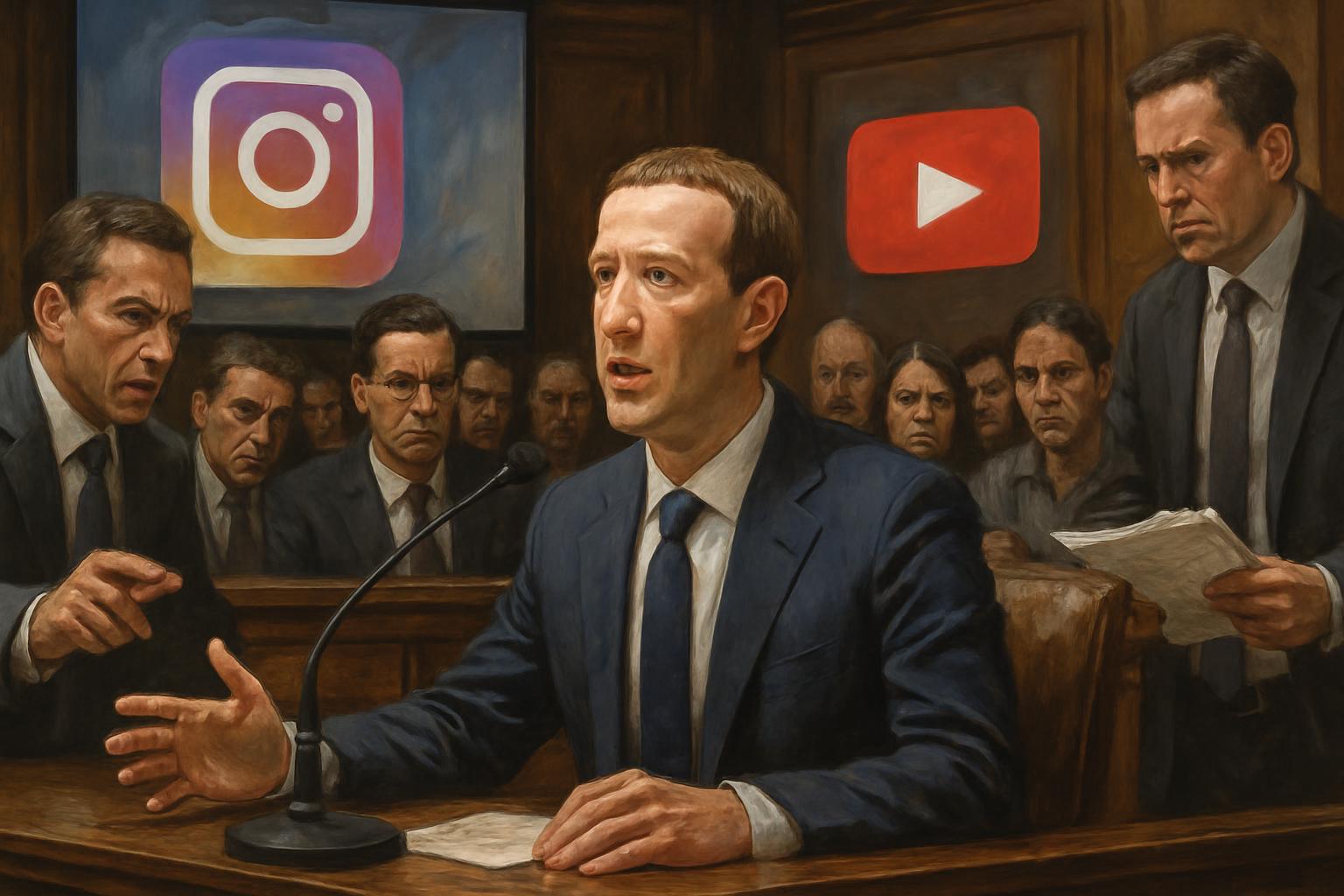
Zuckerberg Defends Meta in Landmark Social Media Addiction Trial

BBC Faces Major Budget Cuts Amid Declining Licence Fee Income
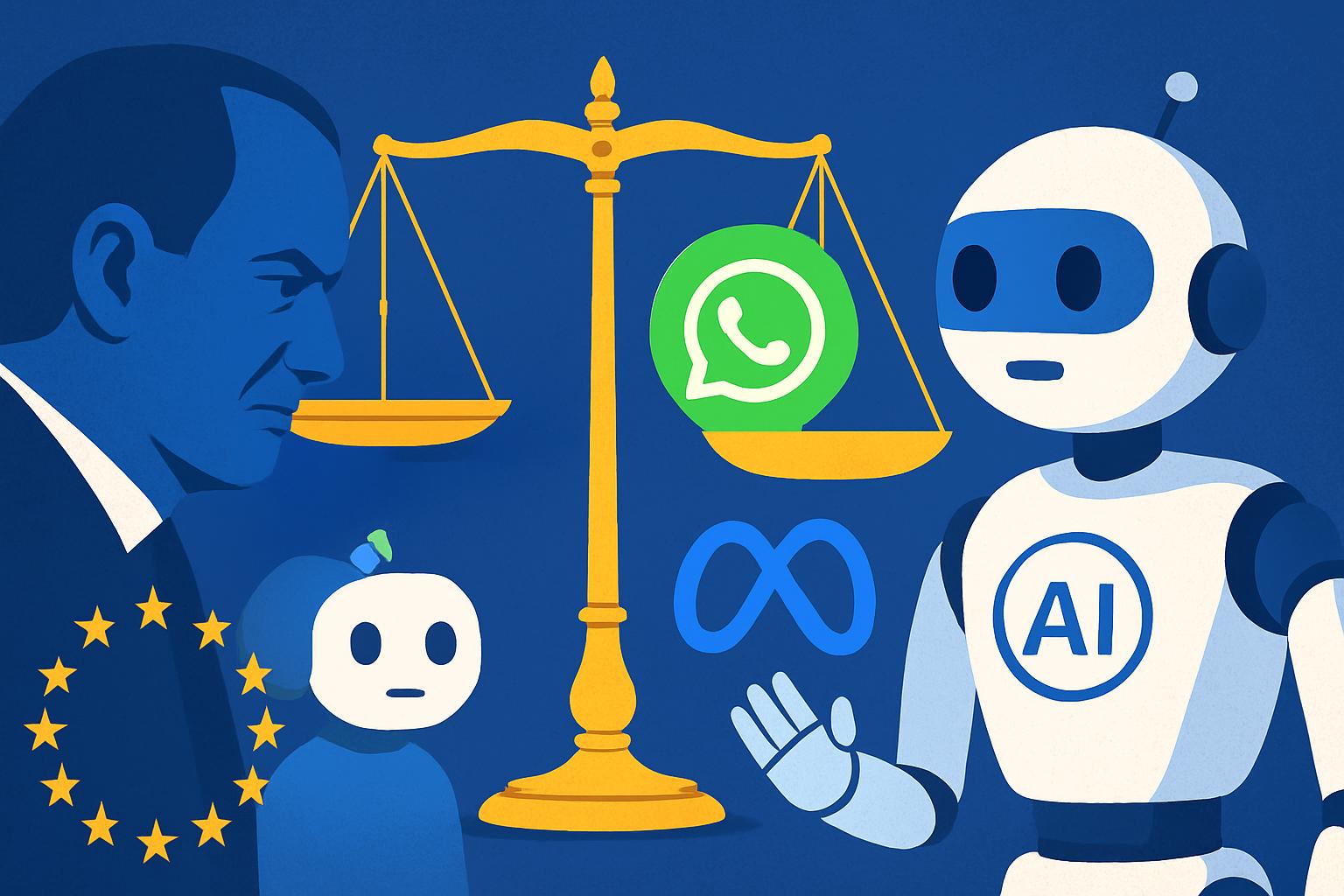
EU Challenges Meta Over AI Chatbot Restrictions on WhatsApp

Tech Giants Pledge to Cover AI Data Center Energy Costs Amid Rising Electricity Concerns

Anna Murdoch-Mann: Influential Figure in Media and Philanthropy Dies at 81
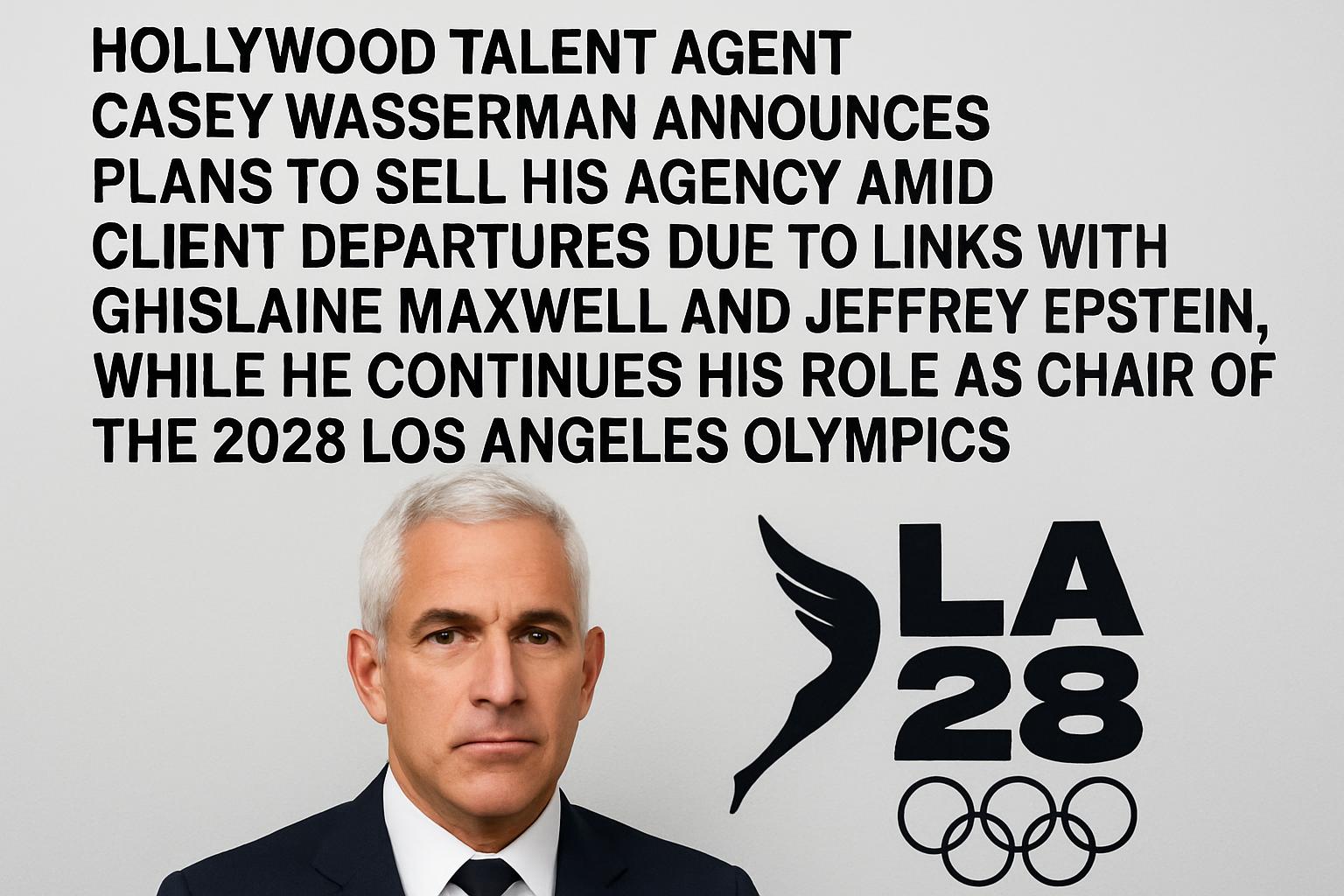
Casey Wasserman to Sell Talent Agency Amid Epstein Controversy
Instagram CEO Defends Platform Amidst Addiction Allegations in Landmark Trial
In This Article
 Maya Singh| Published
 HIGHLIGHTS
- Instagram CEO Adam Mosseri testified in a California trial, arguing that excessive social media use is not equivalent to addiction.
- The trial involves a 20-year-old plaintiff, K.G.M., who claims Instagram's design exacerbated her mental health issues.
- Mosseri acknowledged that 16 hours of daily Instagram use could be "problematic," but not necessarily an addiction.
- The trial is part of broader legal actions against Meta, Snap, TikTok, and YouTube for allegedly harming young people's mental health.
- Internal Meta communications revealed concerns about Instagram's addictive features, with some employees likening it to a drug.
In a pivotal legal battle unfolding in Los Angeles, Instagram CEO Adam Mosseri has taken the stand to defend the social media giant against allegations that it contributes to mental health issues among minors. The trial, which began this week, centers on claims that Instagram's design features, such as endless scrolling, have exacerbated mental health problems for young users, including the lead plaintiff, a 20-year-old identified as K.G.M.
Mosseri, who has led Instagram for eight years, was the first high-profile executive to testify in this series of trials targeting major tech companies like Meta, Snap, TikTok, and YouTube. These companies face accusations of knowingly creating addictive products that harm the mental health of young people. The trial is expected to last six weeks and could set a precedent for future legal actions.
During his testimony, Mosseri emphasized the distinction between "clinical addiction" and "problematic use," arguing that excessive use of social media does not necessarily equate to addiction. He acknowledged that 16 hours of daily Instagram use, as reported by K.G.M., could be considered problematic but stopped short of labeling it as an addiction. "It's a personal thing," Mosseri stated, suggesting that the impact of social media varies among individuals.
The trial also highlighted internal concerns within Meta about Instagram's potential negative effects. An internal survey revealed that 60% of users had experienced bullying on the platform, and email exchanges among Meta executives discussed the risks associated with features like image filters. Nick Clegg, a former Meta executive, warned that prioritizing growth over responsibility could damage the company's reputation.
Families affected by social media's impact on mental health were present in court, including John DeMay, whose son Jordan died by suicide after being targeted in an online scam. DeMay expressed skepticism about Mosseri's testimony, suggesting it was an attempt to protect the company's image.
WHAT THIS MIGHT MEAN
As the trial progresses, its outcome could have significant implications for tech companies and their responsibility towards user safety, particularly for minors. A ruling against Meta could lead to stricter regulations and increased scrutiny over social media platforms' design features. Legal experts suggest that this case could pave the way for more lawsuits, potentially prompting tech companies to reevaluate their approach to digital wellbeing and youth online safety.
Moreover, the trial may influence public perception of social media's role in mental health, potentially leading to increased advocacy for safer online environments. As lawmakers and regulators worldwide continue to grapple with the challenges posed by digital platforms, the findings from this trial could inform future policy decisions aimed at protecting vulnerable users.
Related Articles
Zuckerberg Defends Meta in Landmark Social Media Addiction Trial
BBC Faces Major Budget Cuts Amid Declining Licence Fee Income
EU Challenges Meta Over AI Chatbot Restrictions on WhatsApp
Tech Giants Pledge to Cover AI Data Center Energy Costs Amid Rising Electricity Concerns
Anna Murdoch-Mann: Influential Figure in Media and Philanthropy Dies at 81
Casey Wasserman to Sell Talent Agency Amid Epstein Controversy