
Iran Protests Escalate Amid Economic Strife and Political Tensions
In This Article
HIGHLIGHTS
- Protests across Iran have intensified, with demonstrators calling for the end of the Islamic Republic and some advocating for the monarchy's restoration.
- Iran's Supreme Leader Ayatollah Khamenei has labeled protesters as "vandals" and accused them of acting to please US President Donald Trump.
- Human rights organizations report over 50 protester deaths and more than 2,270 arrests since the unrest began on December 28.
- The protests were initially sparked by economic grievances but have expanded to include demands for political reform.
- The Iranian government has imposed an internet blackout, complicating efforts to verify reports and communicate with the outside world.
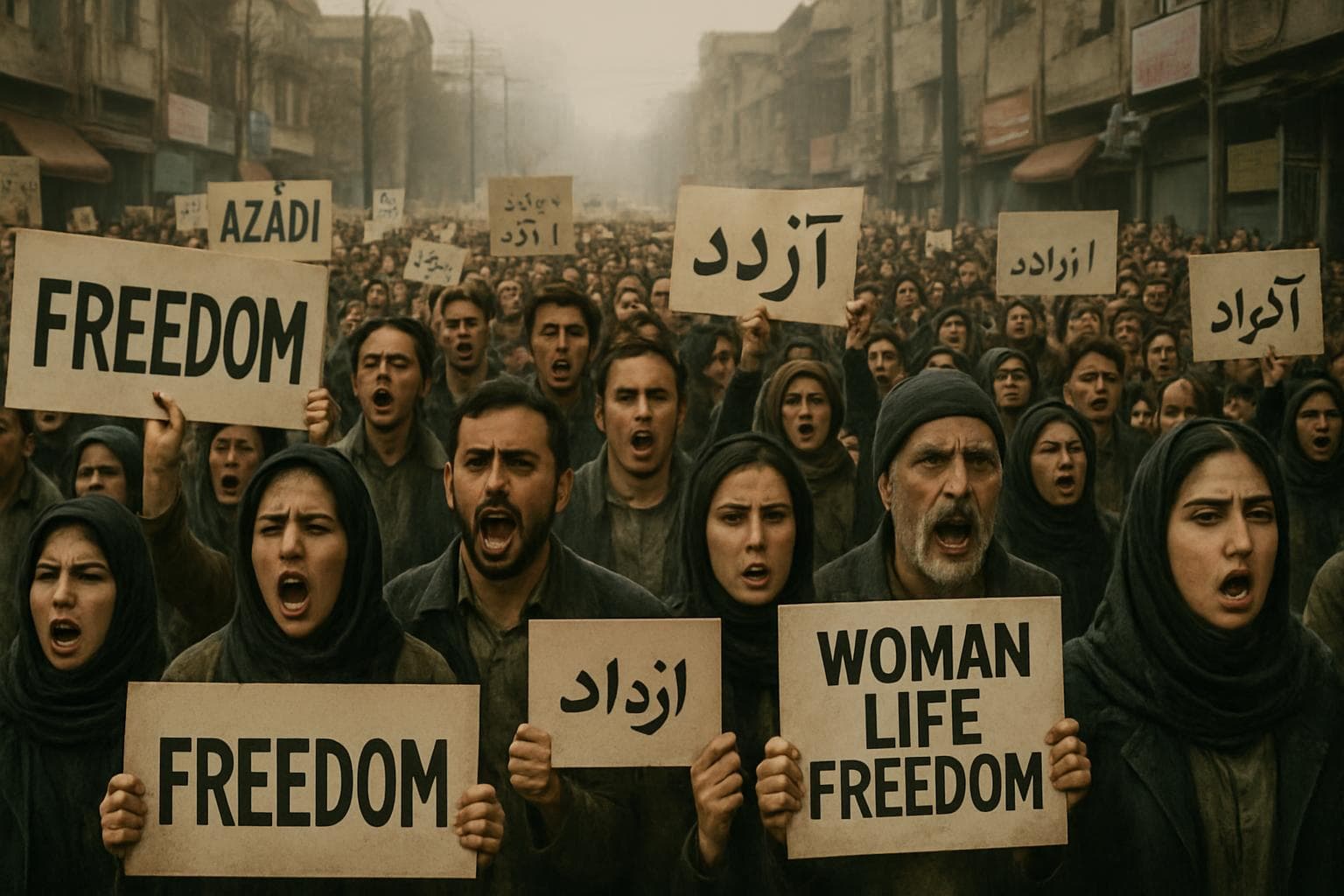
Vast crowds have taken to the streets across Iran, marking the largest anti-government demonstrations in decades. The protests, which began on December 28, have spread from Tehran to numerous cities, fueled by economic grievances and calls for political reform. Demonstrators are demanding an end to the Islamic Republic, with some even advocating for the restoration of the monarchy.
Economic and Political Grievances
The initial spark for the protests was a strike by shopkeepers in Tehran's grand bazaar, triggered by the plummeting value of the Iranian currency. However, the movement quickly evolved to encompass broader political demands. "We're living in limbo," a young woman in Tehran told the BBC, expressing the despair felt by many. The protests have been marked by chants of "Death to the Dictator" and "Freedom, Freedom," reflecting widespread discontent with the clerical establishment.
Government Response and International Reactions
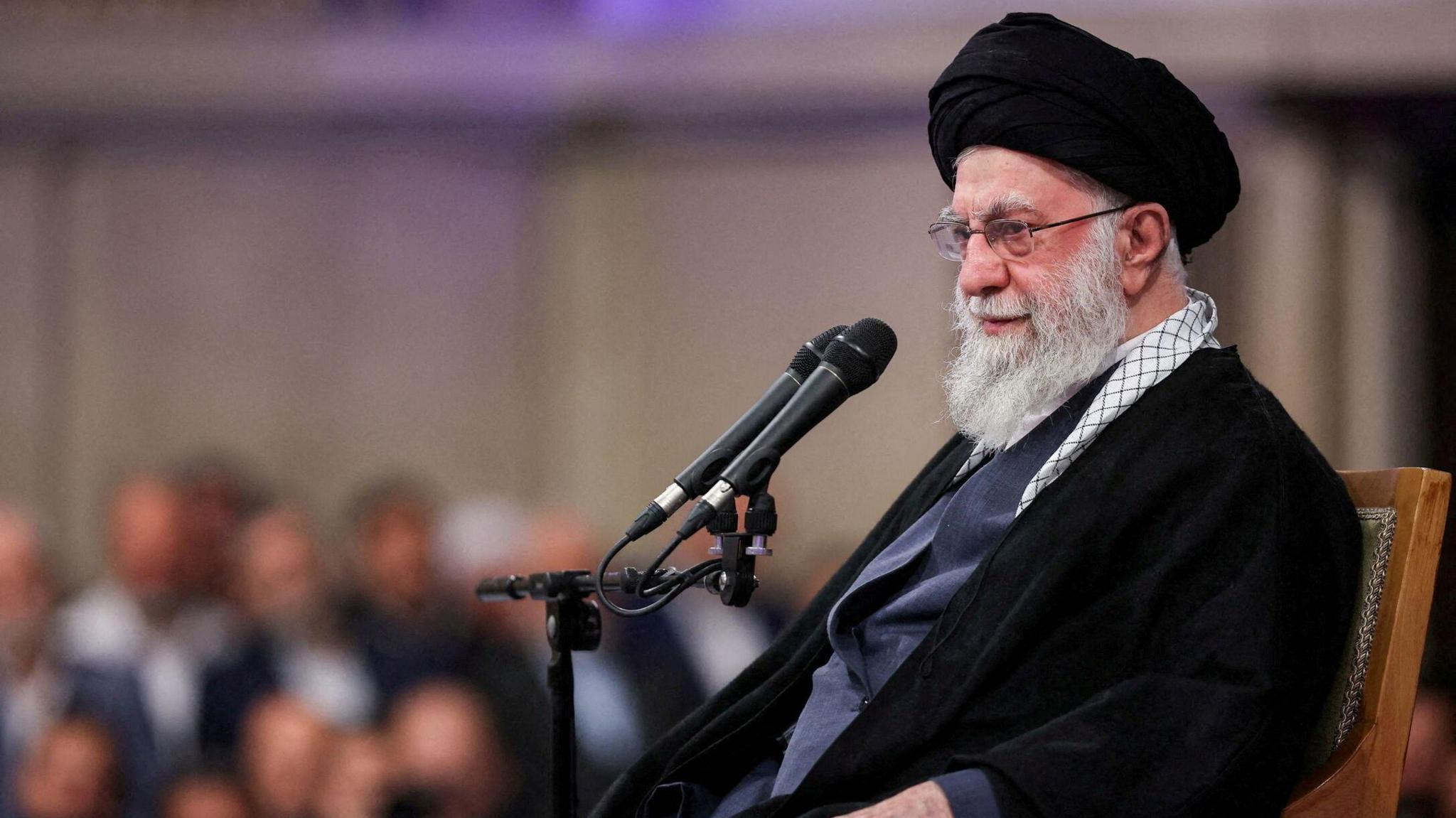
Iran's Supreme Leader Ayatollah Ali Khamenei has condemned the protesters as "vandals" and accused them of acting to please US President Donald Trump. In a televised address, Khamenei asserted that the Islamic Republic would not back down. Meanwhile, Trump has issued warnings to Tehran, stating that the US would respond forcefully if peaceful protesters were harmed.
Human rights organizations, including the US-based Human Rights Activist News Agency, report that over 50 protesters have been killed and more than 2,270 arrested. The Iranian government has imposed an internet blackout, making it difficult to verify reports and communicate with the outside world. The leaders of France, Germany, and the UK have expressed deep concern over the violence and urged Iran to respect the right to peaceful assembly.
Escalating Tensions and Potential Outcomes
The protests have placed significant pressure on the Iranian regime, which has been weakened by economic challenges and recent conflicts with Israel and the US. The head of Iran's judiciary has warned of severe consequences for demonstrators, signaling a potential crackdown. As the situation unfolds, the international community continues to monitor developments closely.
WHAT THIS MIGHT MEAN
The ongoing protests in Iran could lead to several potential outcomes. If the government opts for a harsh crackdown, it risks further alienating the population and drawing international condemnation. Alternatively, the regime might seek to address some economic grievances to quell unrest, though this could be seen as a sign of weakness.
On the international stage, the US and its allies may increase diplomatic pressure on Iran, potentially leading to further isolation. However, any external intervention could be used by the Iranian government to rally nationalist sentiment and justify its actions.
Ultimately, the protests highlight deep-seated frustrations within Iran, and the government's response will likely shape the country's political landscape for years to come.
Images from the Web
Related Articles
Intensified US-Israel Strikes on Iran Spark Global Outcry
US and Israel Intensify Military Campaign as Iran's Capabilities Dwindle
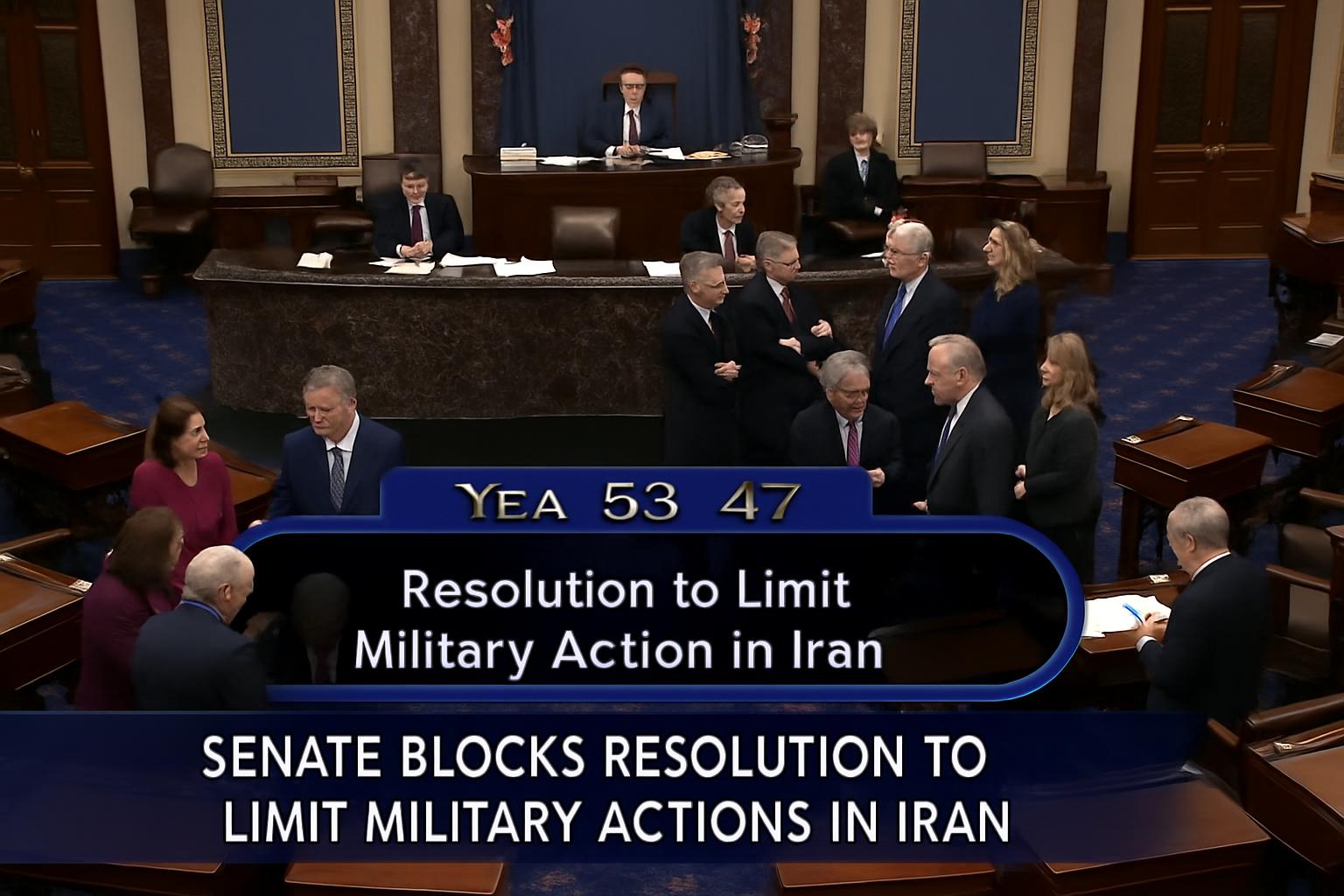
Senate Blocks Resolution to Limit Trump's Military Actions in Iran
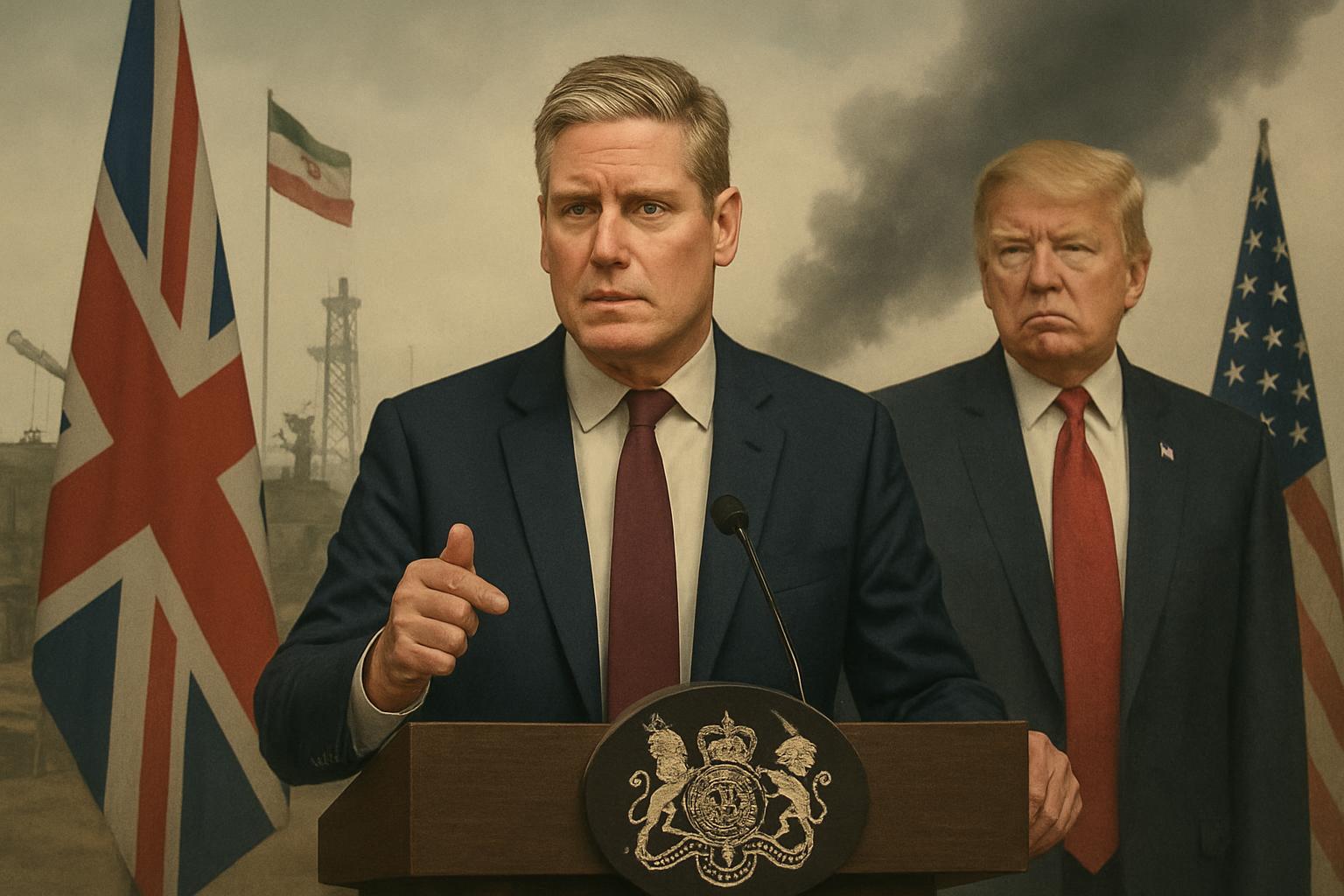
UK-Iran Tensions: Starmer Defends Cautious Approach Amid Trump Criticism
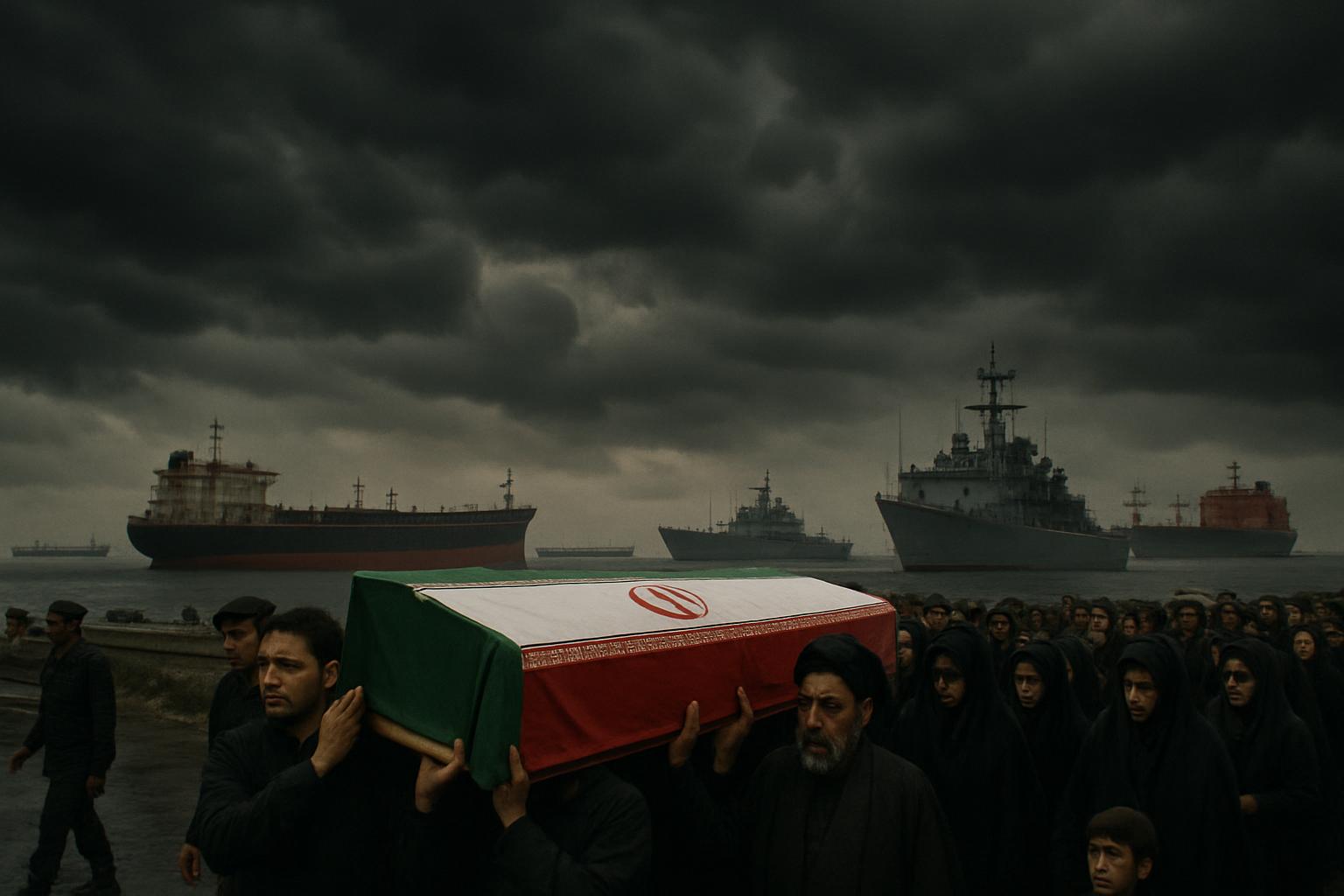
Iran Postpones Khamenei Funeral Amid Escalating US-Israeli Strikes
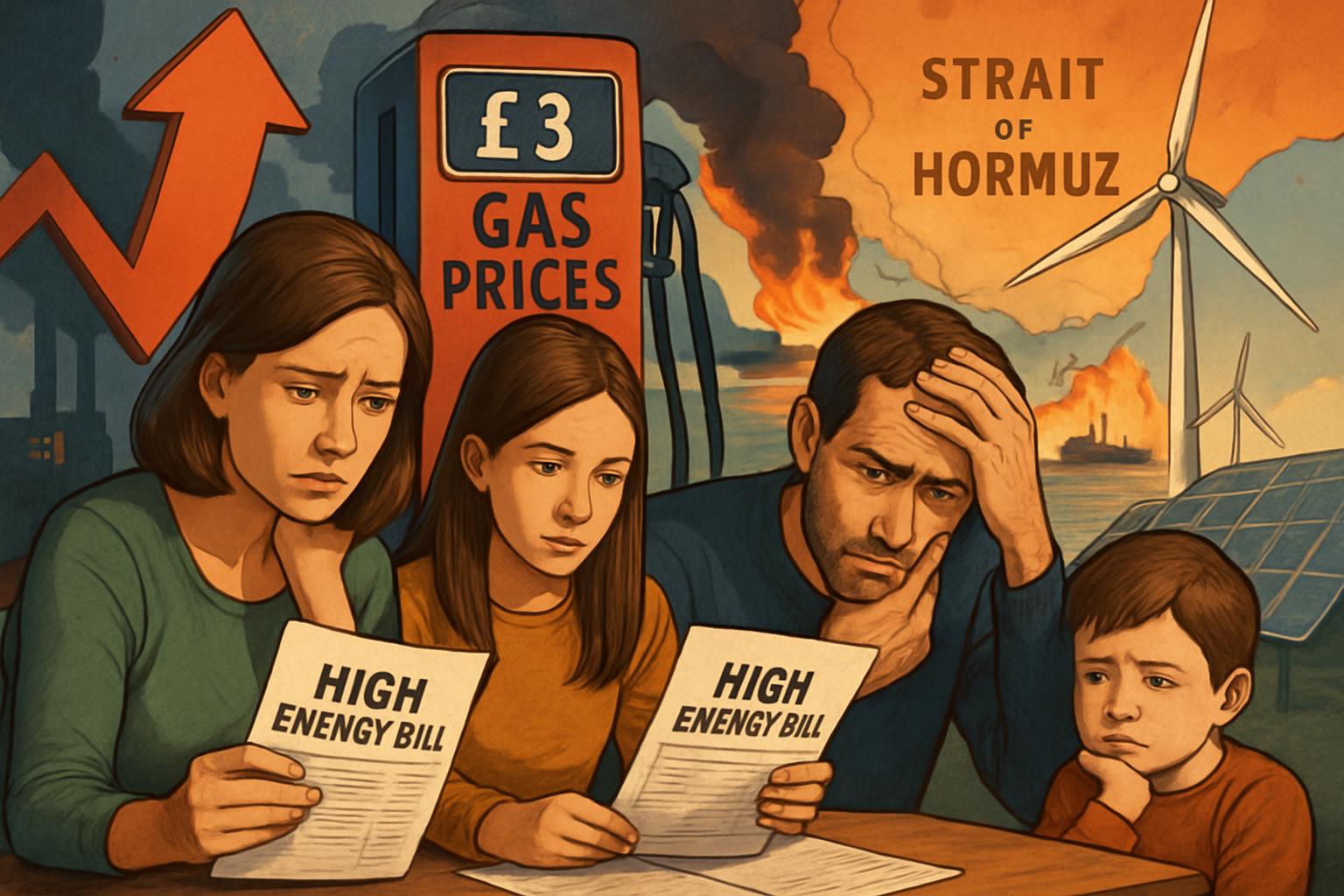
Middle East Conflict Drives UK Energy Prices to New Highs
Iran Protests Escalate Amid Economic Strife and Political Tensions
In This Article
 Ethan Brooks| Published
 HIGHLIGHTS
- Protests across Iran have intensified, with demonstrators calling for the end of the Islamic Republic and some advocating for the monarchy's restoration.
- Iran's Supreme Leader Ayatollah Khamenei has labeled protesters as "vandals" and accused them of acting to please US President Donald Trump.
- Human rights organizations report over 50 protester deaths and more than 2,270 arrests since the unrest began on December 28.
- The protests were initially sparked by economic grievances but have expanded to include demands for political reform.
- The Iranian government has imposed an internet blackout, complicating efforts to verify reports and communicate with the outside world.
Vast crowds have taken to the streets across Iran, marking the largest anti-government demonstrations in decades. The protests, which began on December 28, have spread from Tehran to numerous cities, fueled by economic grievances and calls for political reform. Demonstrators are demanding an end to the Islamic Republic, with some even advocating for the restoration of the monarchy.
Economic and Political Grievances
The initial spark for the protests was a strike by shopkeepers in Tehran's grand bazaar, triggered by the plummeting value of the Iranian currency. However, the movement quickly evolved to encompass broader political demands. "We're living in limbo," a young woman in Tehran told the BBC, expressing the despair felt by many. The protests have been marked by chants of "Death to the Dictator" and "Freedom, Freedom," reflecting widespread discontent with the clerical establishment.
Government Response and International Reactions
Iran's Supreme Leader Ayatollah Ali Khamenei has condemned the protesters as "vandals" and accused them of acting to please US President Donald Trump. In a televised address, Khamenei asserted that the Islamic Republic would not back down. Meanwhile, Trump has issued warnings to Tehran, stating that the US would respond forcefully if peaceful protesters were harmed.
Human rights organizations, including the US-based Human Rights Activist News Agency, report that over 50 protesters have been killed and more than 2,270 arrested. The Iranian government has imposed an internet blackout, making it difficult to verify reports and communicate with the outside world. The leaders of France, Germany, and the UK have expressed deep concern over the violence and urged Iran to respect the right to peaceful assembly.
Escalating Tensions and Potential Outcomes
The protests have placed significant pressure on the Iranian regime, which has been weakened by economic challenges and recent conflicts with Israel and the US. The head of Iran's judiciary has warned of severe consequences for demonstrators, signaling a potential crackdown. As the situation unfolds, the international community continues to monitor developments closely.
WHAT THIS MIGHT MEAN
The ongoing protests in Iran could lead to several potential outcomes. If the government opts for a harsh crackdown, it risks further alienating the population and drawing international condemnation. Alternatively, the regime might seek to address some economic grievances to quell unrest, though this could be seen as a sign of weakness.
On the international stage, the US and its allies may increase diplomatic pressure on Iran, potentially leading to further isolation. However, any external intervention could be used by the Iranian government to rally nationalist sentiment and justify its actions.
Ultimately, the protests highlight deep-seated frustrations within Iran, and the government's response will likely shape the country's political landscape for years to come.
Images from the Web
Related Articles
Intensified US-Israel Strikes on Iran Spark Global Outcry
US and Israel Intensify Military Campaign as Iran's Capabilities Dwindle
Senate Blocks Resolution to Limit Trump's Military Actions in Iran
UK-Iran Tensions: Starmer Defends Cautious Approach Amid Trump Criticism
Iran Postpones Khamenei Funeral Amid Escalating US-Israeli Strikes
Middle East Conflict Drives UK Energy Prices to New Highs