
Iranian Protests Escalate Amid Internet Blackout and Economic Turmoil
In This Article
HIGHLIGHTS
- Massive protests erupted across Iran, with demonstrators calling for the overthrow of Supreme Leader Ayatollah Ali Khamenei.
- A nationwide internet blackout was reported, with authorities accused of using it to suppress the protests.
- Human rights groups reported at least 45 protesters killed, including children, and over 2,000 arrests.
- Demonstrations spread to all 31 provinces, with significant unrest in Tehran, Mashhad, and Kermanshah.
- Reza Pahlavi, exiled son of the former shah, urged Iranians to unite and demand freedom.
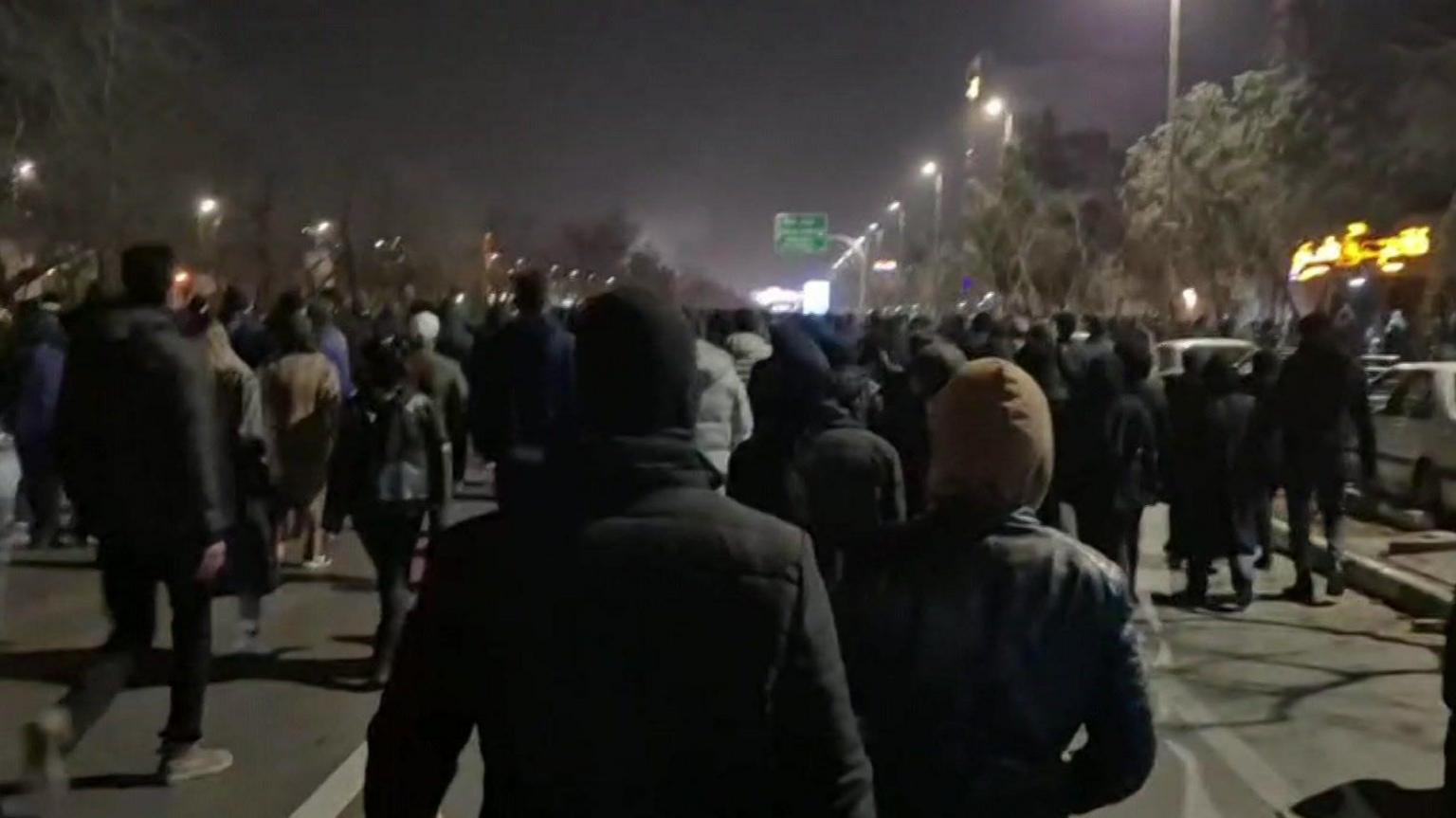
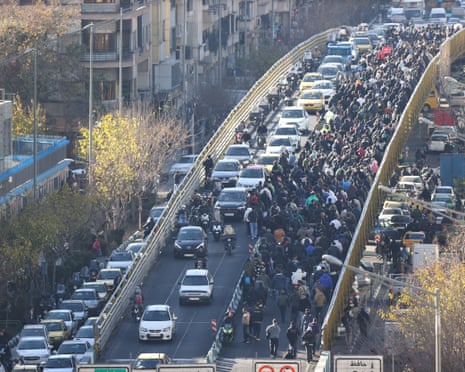
Iran is witnessing one of its largest waves of protests in recent years as citizens take to the streets to express their discontent with the country's economic conditions and political leadership. The demonstrations, which have spread to all 31 provinces, have been marked by calls for the overthrow of Supreme Leader Ayatollah Ali Khamenei and the return of Reza Pahlavi, the exiled son of Iran's last shah.
Nationwide Protests and Internet Blackout
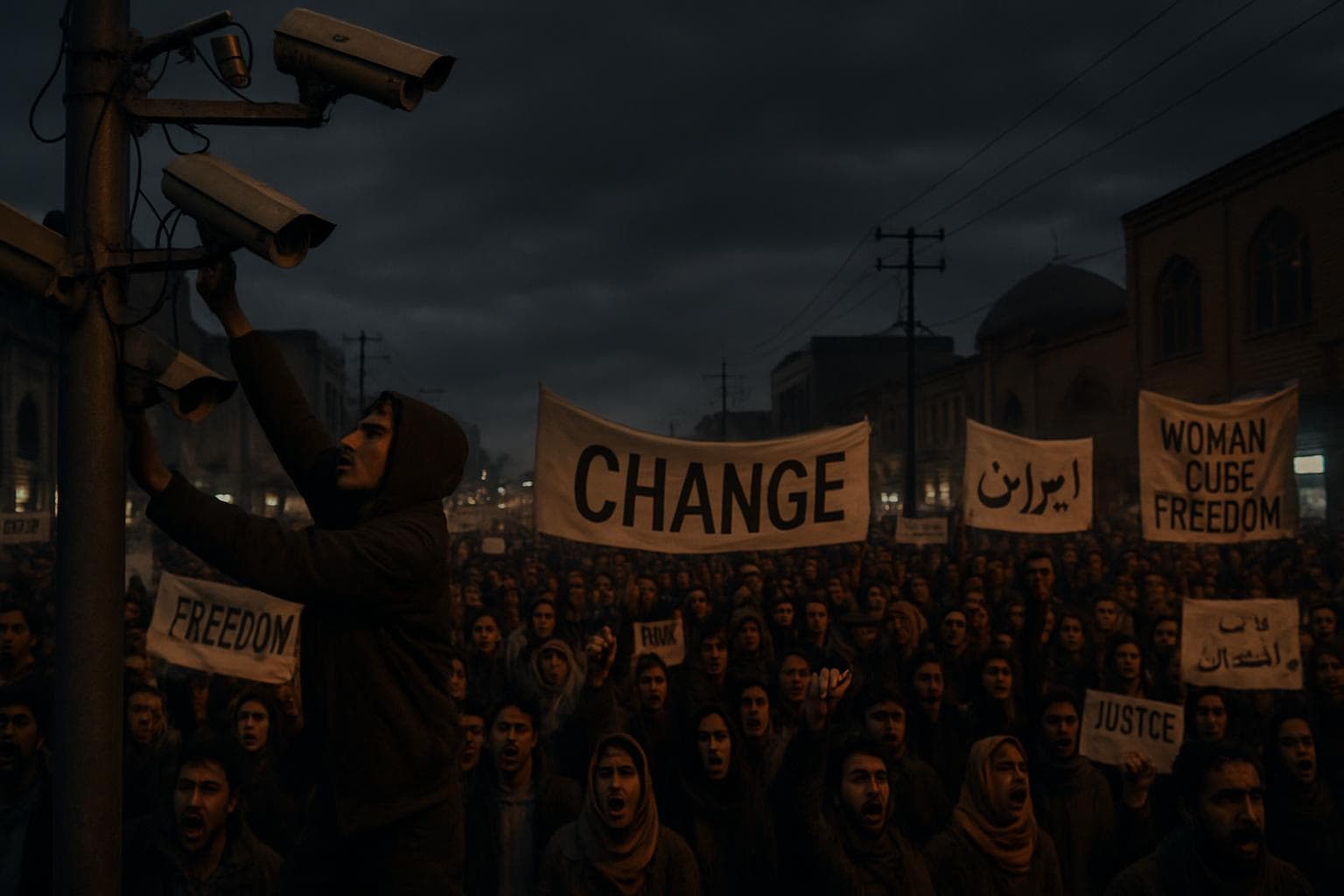
On Thursday, massive crowds gathered in major cities, including Tehran and Mashhad, chanting slogans such as "Death to the dictator" and "Long live the shah." Verified footage showed protesters removing surveillance cameras and clashing with security forces. In response, a nationwide internet blackout was reported, a tactic previously used by Iranian authorities to curb the spread of unrest. NetBlocks, an internet freedom monitor, confirmed the outages, which were particularly severe in the western city of Kermanshah.
Rising Casualties and Arrests
Human rights organizations have raised alarms over the increasing violence. The Norway-based Iran Human Rights (IHR) reported that at least 45 protesters, including eight children, have been killed by security forces since the protests began. The US-based Human Rights Activist News Agency (HRANA) reported similar figures, with over 2,000 protesters arrested. Amnesty International accused Iranian authorities of using unlawful force, including raiding hospitals to detain the wounded.
Calls for Change and International Attention
The protests were sparked by the collapse of the Iranian currency and have been fueled by broader economic grievances. Reza Pahlavi, speaking from Washington, D.C., called on Iranians to unite in their demands for freedom. His call was echoed in the streets, where chants of "This is the final battle! Pahlavi will return" were heard. The unrest has drawn international attention, with rights groups urging restraint and accountability from Iranian authorities.
WHAT THIS MIGHT MEAN
The ongoing protests in Iran could lead to significant political and social changes if they continue to gain momentum. The government's response, particularly the use of internet blackouts and force against demonstrators, may further alienate the populace and draw international condemnation. If the protests persist, they could pressure the Iranian leadership to address economic grievances and potentially lead to political reforms. However, the situation remains volatile, and the potential for increased violence and repression poses a significant risk to both protesters and the broader stability of the region.
Images from the Web
Related Articles
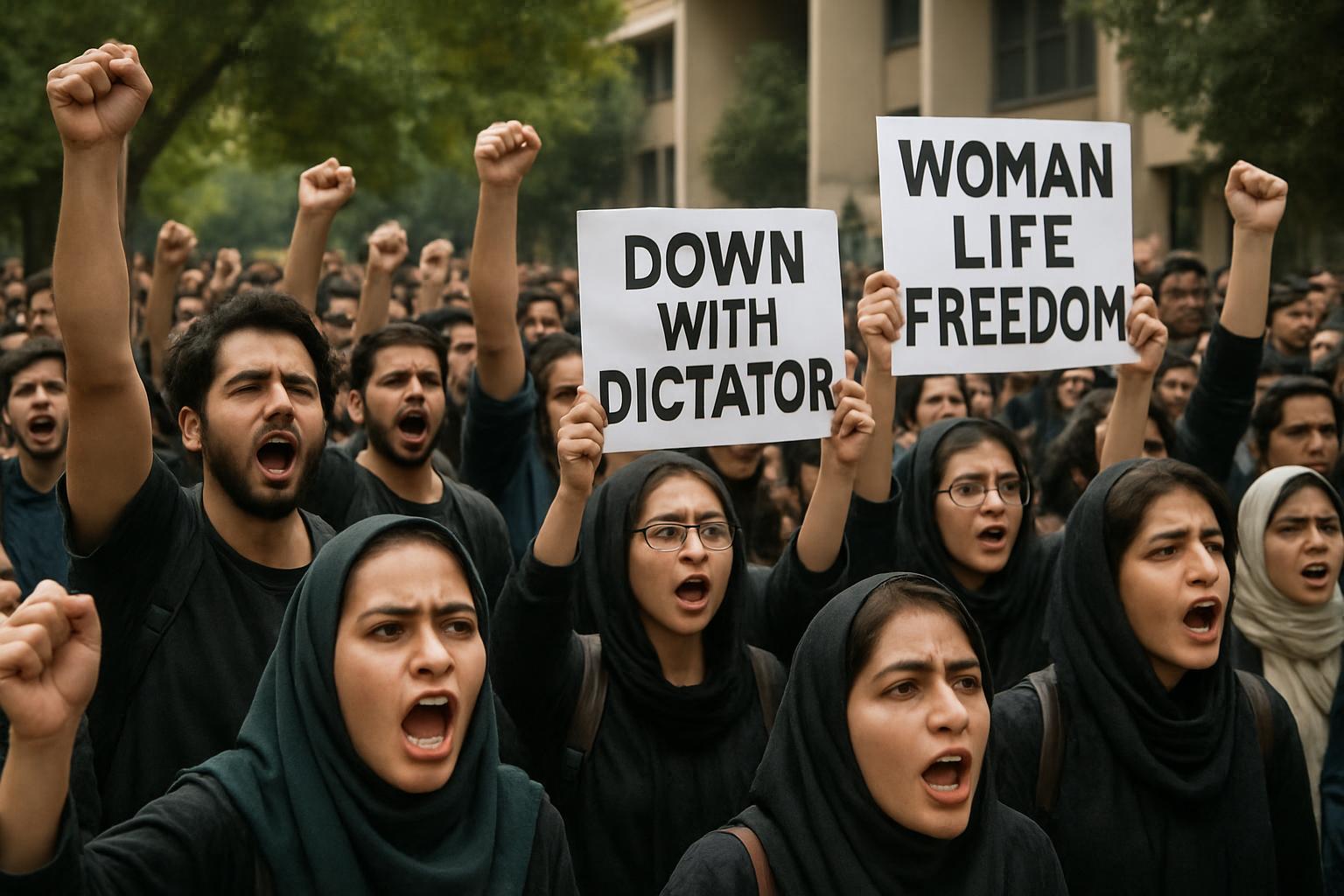
Iranian Students Lead Major Protests Amid Rising US-Iran Tensions

UK Faces Dilemmas Amid Iran Conflict and China Spying Allegations
Intensified US-Israel Strikes on Iran Spark Global Outcry
UK Reinforces Military Presence in Cyprus Amid Middle East Tensions
UK-Iran Tensions: Starmer Defends Cautious Approach Amid Trump Criticism
Iran Postpones Khamenei Funeral Amid Escalating US-Israeli Strikes
Iranian Protests Escalate Amid Internet Blackout and Economic Turmoil
In This Article
 Ethan Brooks| Published
 HIGHLIGHTS
- Massive protests erupted across Iran, with demonstrators calling for the overthrow of Supreme Leader Ayatollah Ali Khamenei.
- A nationwide internet blackout was reported, with authorities accused of using it to suppress the protests.
- Human rights groups reported at least 45 protesters killed, including children, and over 2,000 arrests.
- Demonstrations spread to all 31 provinces, with significant unrest in Tehran, Mashhad, and Kermanshah.
- Reza Pahlavi, exiled son of the former shah, urged Iranians to unite and demand freedom.
Iran is witnessing one of its largest waves of protests in recent years as citizens take to the streets to express their discontent with the country's economic conditions and political leadership. The demonstrations, which have spread to all 31 provinces, have been marked by calls for the overthrow of Supreme Leader Ayatollah Ali Khamenei and the return of Reza Pahlavi, the exiled son of Iran's last shah.
Nationwide Protests and Internet Blackout
On Thursday, massive crowds gathered in major cities, including Tehran and Mashhad, chanting slogans such as "Death to the dictator" and "Long live the shah." Verified footage showed protesters removing surveillance cameras and clashing with security forces. In response, a nationwide internet blackout was reported, a tactic previously used by Iranian authorities to curb the spread of unrest. NetBlocks, an internet freedom monitor, confirmed the outages, which were particularly severe in the western city of Kermanshah.
Rising Casualties and Arrests
Human rights organizations have raised alarms over the increasing violence. The Norway-based Iran Human Rights (IHR) reported that at least 45 protesters, including eight children, have been killed by security forces since the protests began. The US-based Human Rights Activist News Agency (HRANA) reported similar figures, with over 2,000 protesters arrested. Amnesty International accused Iranian authorities of using unlawful force, including raiding hospitals to detain the wounded.
Calls for Change and International Attention
The protests were sparked by the collapse of the Iranian currency and have been fueled by broader economic grievances. Reza Pahlavi, speaking from Washington, D.C., called on Iranians to unite in their demands for freedom. His call was echoed in the streets, where chants of "This is the final battle! Pahlavi will return" were heard. The unrest has drawn international attention, with rights groups urging restraint and accountability from Iranian authorities.
WHAT THIS MIGHT MEAN
The ongoing protests in Iran could lead to significant political and social changes if they continue to gain momentum. The government's response, particularly the use of internet blackouts and force against demonstrators, may further alienate the populace and draw international condemnation. If the protests persist, they could pressure the Iranian leadership to address economic grievances and potentially lead to political reforms. However, the situation remains volatile, and the potential for increased violence and repression poses a significant risk to both protesters and the broader stability of the region.
Images from the Web
Related Articles
Iranian Students Lead Major Protests Amid Rising US-Iran Tensions
UK Faces Dilemmas Amid Iran Conflict and China Spying Allegations
Intensified US-Israel Strikes on Iran Spark Global Outcry
UK Reinforces Military Presence in Cyprus Amid Middle East Tensions
UK-Iran Tensions: Starmer Defends Cautious Approach Amid Trump Criticism
Iran Postpones Khamenei Funeral Amid Escalating US-Israeli Strikes